

 Aperçu en situation
 Envoyer
 Partager
 Détails de l'œuvre

 Télécharger
 Articles similaires
 Radiographie
 Diaporama
Factory behind Trees


 Lire la suite
Giclées et impressions d'art
Impressions giclées ou sur toile de qualité musée, avec une production rapide et des finitions au choix. ( Passer à la peinture faite à la main Passer à l'image)




































Choisissez parmi nos formats prédéfinis qui respectent les proportions originales de l’œuvre.

Vous pouvez saisir vos propres dimensions pour vous adapter à un cadre ou à un espace spécifique. Si la taille sélectionnée ne correspond pas aux proportions de l'image originale, nous recadrerons l'œuvre ou étendrons l'image avec une bordure en miroir ou une couleur unie. Une maquette numérique vous sera envoyée pour approbation avant le début de la production.
Veuillez noter que l'aperçu à l'écran ne reflète pas le recadrage ou l'extension réelle. Seule la maquette montrera avec précision la composition finale.
Bien que des tailles personnalisées soient disponibles, nous vous recommandons de choisir une dimension dans la liste prédéfinie afin de préserver les proportions originales.
Livraison dans le monde entier () en 2 semaines au lieu des 4/5 semaines habituelles. (9 août)

Livraison express gratuite dans le monde entier

Toile de lin de qualité supérieure

Assurance transport complète

Garantie de remboursement des droits de douane

Garantie de fidélité des couleurs

Politique de retour de 60 jours (uniquement en cas de défaut)

Garantie de remboursement à 100%

Offre de tarifs dégressifs
 L'option verre n'est disponible que pour les dimensions inférieures à 110 cm.

Factory behind Trees
Giclées et impressions d'art
Format de la reproduction
-


Prix total
$ 80
Biographie de l'artiste
Early Life and Artistic Training
Alexander Kanoldt was born in Karlsruhe, Germany, on September 29, 1881, into a family steeped in artistic tradition. His father, Edmond Kanoldt, himself a painter of the Nazarene style—a movement characterized by its devotional imagery and meticulous realism—provided him with an early exposure to visual art and instilled within him a profound appreciation for craftsmanship. This familial influence would prove pivotal in shaping Kanoldt’s own artistic trajectory. Following his formative years at Karlsruhe Academy of Fine Arts, he relocated to Munich in 1908, where he immersed himself in the vibrant intellectual milieu of the burgeoning avant-garde scene. It was here that he encountered luminaries such as Alexei Jawlensky and Wassily Kandinsky—artists who championed radical experimentation and challenged conventional artistic norms—and Gabriele Münter, establishing connections that would propel him into the heart of the Neue Sezession (New Secession).Membership in Neue Sezession and Initial Influences
Kanoldt’s involvement with Neue Sezession in 1913 marked a decisive turning point in his artistic development. Alongside Jawlensky and Kandinsky, he actively participated in debates concerning the direction of modern art, advocating for a stylistic approach that blended expressive abstraction with meticulous observation—a hallmark of what would become known as New Objectivity (Neue Sachlichkeit). The movement’s core tenets centered on confronting reality unflinchingly, rejecting sentimentalism and prioritizing clarity of form and precise rendering. Early influences included Henri Matisse's bold color palettes and Georges Braque’s pioneering explorations of Cubist principles, particularly the fragmentation of objects and the simultaneous depiction of multiple viewpoints—techniques that Kanoldt skillfully adapted to his own distinctive style. He studied diligently under Ernst Schurth at Karlsruhe Academy, absorbing the lessons of Neo-Impressionism and embracing its meticulous attention to detail.World War I and Stylistic Evolution
The outbreak of World War I in 1914 profoundly impacted Kanoldt’s life and artistic endeavors. He enlisted in the German army, serving bravely until 1918, during which time he honed his observational skills and deepened his understanding of spatial relationships. The war experience instilled a sense of discipline and precision that would permeate his subsequent work. Returning from the front lines, Kanoldt began to experiment with Cubist techniques—particularly geometric simplification and multiple perspectives—influenced by Picasso and Braque’s groundbreaking innovations. However, unlike many artists of his time who succumbed to Expressionism's emotional fervor, Kanoldt maintained a rigorously controlled aesthetic, prioritizing accuracy and detail above all else. This commitment to formal integrity would define his signature style for decades to come.The Magic Realist Style and Recurring Themes
By the early 1920s, Kanoldt established the distinctive style for which he is most celebrated: a mesmerizing blend of Magic Realism and New Objectivity. This approach involved depicting commonplace objects—pots plants, tins, fruit, mugs—on tabletops with astonishing precision, capturing subtle nuances of light and texture. Simultaneously, he explored geometrical landscapes, presenting them in austere compositions that emphasized geometric forms and spatial clarity. Recurring themes throughout his oeuvre included solitude, contemplation, and a fascination with the materiality of everyday life—subjects rendered with unwavering seriousness and imbued with an understated beauty. He sought to convey not merely what he saw but also how it felt—a feat achieved through masterful draughtsmanship and subtle tonal gradations.Later Career and Recognition
Kanoldt’s academic career began in 1925 when he was appointed professor at Breslau Academy (now Wrocław University), where he continued to teach until 1931. During this period, tensions arose between Kanoldt and the Bauhaus faction regarding artistic priorities—a clash that mirrored broader divisions within the German avant-garde. Despite facing increasing opposition from the Nazi regime in 1933, Kanoldt attempted to navigate the political landscape by adopting a Romantic style, albeit one that remained rooted in his uncompromising commitment to formal integrity. Tragically, many of his artworks were seized during Kristallnacht (Night of Broken Glass) in 1937 as “degenerate” art—a devastating blow to his artistic legacy. He died peacefully in Berlin on January 24, 1939, leaving behind a body of work that continues to captivate viewers with its remarkable clarity and evocative stillness—a testament to Kanoldt’s enduring contribution to German Art History.
Alexander Kanoldt
1881 - 1939 , Allemagne
L'essentiel de l'artiste
- Artistic Movement Or Style: Neue Sachlichkeit et Magischer Realismus
- Artists Or Movements Influenced By This Artist: ['Cubisme']
- Artists Who Influenced This Artist:
- Edmond Kanoldt
- Henri Matisse
- Date Of Birth: September 29, 1881
- Date Of Death: January 24, 1939
- Full Name: Alexander Kanoldt
- Nationality: Allemand
- Notable Artworks:
- Fabrique derrière arbres
- Grande nature morte avec des pots et une étui rouge
- Place Of Birth: Karlsruhe, Allemagne
Articles connexes
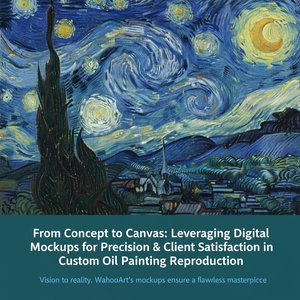
De la Conception à la Toile : L'Optimisation des Maquettes Numériques pour une Précision et une Satisfaction Client Optimales dans la Reproduction de Peinture à l'Huile Personnalisée
Confiez votre reproduction de peinture à l'huile à des artistes experts ! Maquettes numériques haute précision, qualité musée garantie et satisfaction client absolue. Commandez dès aujourd'hui !

De l'Instantané au Tableau : L'Art de Transformer la Photographie de Voyage en Peinture à l'Huile Intemporelle
Transformez vos photos de voyage en peintures à l'huile artisanales exceptionnelles. Artistes qualifiés, qualité muséale et personnalisation illimitée. Investissez dans un souvenir unique et durable.
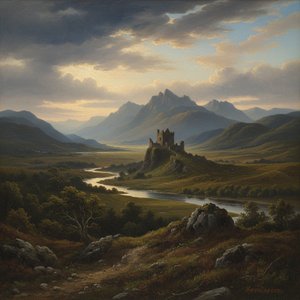
Alexander Nasmyth: Picturing Scotland's Romantic Landscape – Innovation & Identity
Explore the life & art of Alexander Nasmyth, a pivotal figure in Scottish Romantic landscape painting. Discover his iconic works, including portraits of Robert Burns, and learn about his lasting influence on national identity. Fine art reproductions available.
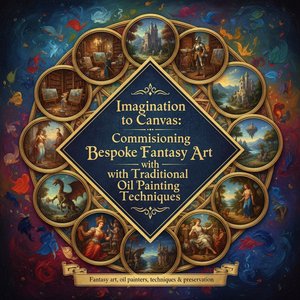
From Imagination to Canvas: Commissioning Bespoke Fantasy Art with Traditional Oil Painting Techniques
Commission breathtaking bespoke fantasy art with skilled oil painters. Explore techniques, artist selection & preservation tips. Invest in a unique masterpiece today!

Concrete Visions: Exploring the Urban Landscape in Painting – From Realism to Contemporary Art
Explore the evolution of cityscape painting from Realism to contemporary art with OriginalUniqueArt. Discover key artists & invest in timeless urban visions. Expert guidance, museum-quality reproductions.

