
 Aperçu en situation
 Envoyer
 Partager
 Détails de l'œuvre

 Télécharger
 Articles similaires
 Radiographie
 Diaporama
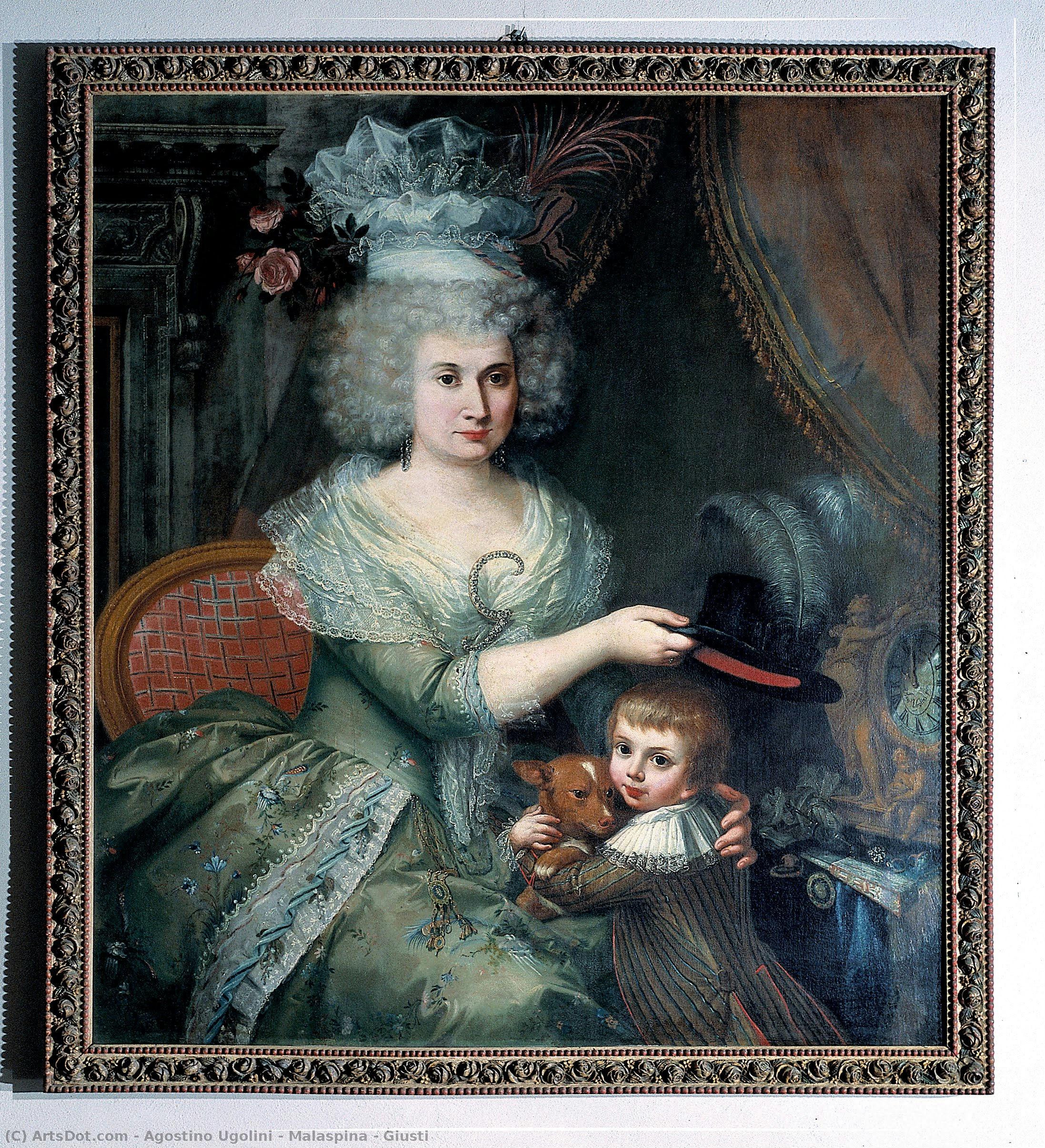
Malaspina - Giusti

 Lire la suite
Giclées et impressions d'art
Impressions giclées ou sur toile de qualité musée, avec une production rapide et des finitions au choix. ( Passer à la peinture faite à la main Passer à l'image)




































Choisissez parmi nos formats prédéfinis qui respectent les proportions originales de l’œuvre.

Vous pouvez saisir vos propres dimensions pour vous adapter à un cadre ou à un espace spécifique. Si la taille sélectionnée ne correspond pas aux proportions de l'image originale, nous recadrerons l'œuvre ou étendrons l'image avec une bordure en miroir ou une couleur unie. Une maquette numérique vous sera envoyée pour approbation avant le début de la production.
Veuillez noter que l'aperçu à l'écran ne reflète pas le recadrage ou l'extension réelle. Seule la maquette montrera avec précision la composition finale.
Bien que des tailles personnalisées soient disponibles, nous vous recommandons de choisir une dimension dans la liste prédéfinie afin de préserver les proportions originales.
Livraison dans le monde entier () en 2 semaines au lieu des 4/5 semaines habituelles. (10 août)

Livraison express gratuite dans le monde entier

Toile de lin de qualité supérieure

Assurance transport complète

Garantie de remboursement des droits de douane

Garantie de fidélité des couleurs

Politique de retour de 60 jours (uniquement en cas de défaut)

Garantie de remboursement à 100%

Offre de tarifs dégressifs
 L'option verre n'est disponible que pour les dimensions inférieures à 110 cm.

Malaspina - Giusti
Giclées et impressions d'art
Format de la reproduction
-


Prix total
$ 80
Description de la pièce
Biographie de l'artiste
Agostino Ugolini: Verona’s Baroque Visionary
Agostino Ugolini (1758–january 8, 1824) stands as a pivotal figure in the artistic landscape of late baroque and early neoclassical Italy. Born in Verona, he emerged from the tutelage of Giovanni Battista Burato, establishing himself as a student deeply attuned to the stylistic currents shaping his era. His career blossomed amidst an intellectual fervor for classical ideals, mirroring the broader transformation occurring across Europe. Ugolini’s artistic journey was marked by unwavering dedication and prolific output, leaving behind a legacy celebrated in both Verona and beyond. Early Training & Academic Recognition: Ugolini's formative years were spent honing his skills under Burato’s guidance, absorbing the principles of baroque painting – dramatic chiaroscuro, opulent ornamentation, and emotive expression—characteristics that would inform his subsequent artistic endeavors. Crucially, he was elected academic of the Academy of Fine Arts in Verona in 1775, securing institutional support and elevating his standing within the artistic community. This recognition solidified his position as a rising talent and propelled him toward ambitious creative pursuits. Teaching & Artistic Development: Recognizing Ugolini’s exceptional aptitude for teaching and artistic refinement, he assumed the role of professor at the academy in 1786. Beyond imparting knowledge to aspiring artists, this role served as a catalyst for his own continued growth—a reciprocal relationship fostering innovation and upholding standards of excellence within Verona's artistic milieu. He tirelessly pursued new techniques and explored diverse subjects, enriching the artistic discourse of his time. Verona’s Patronage & Notable Commissions: Ugolini’s burgeoning reputation swiftly attracted the attention of influential patrons – notably the Malaspina family and Giusti – who generously entrusted him with significant commissions. These projects allowed him to realize monumental altarpieces for churches like San Fermo and San Massimo in Verona, masterpieces embodying the grandeur and spiritual fervor emblematic of baroque style. The meticulous detail and emotive power of these artworks cemented Ugolini’s reputation as a master craftsman and a visionary artist. Sculptural Contributions: Demonstrating remarkable versatility beyond painting, Ugolini excelled as a sculptor, crafting impressive sculptures for various ecclesiastical sites throughout Italy. His artistic vision extended beyond the canvas to encompass three-dimensional forms—a testament to his multifaceted talent and his ability to convey profound spiritual narratives with sensitivity and precision. Pieces like Giovanni d’Agostino and Agostino Mitelli stand as enduring symbols of Verona's artistic heritage. International Recognition & Legacy: Ugolini’s canvases gained prominence internationally, notably residing in the Princeton Museum of Art where four monumental paintings—including “Decapitazione di Giovanni Battista Tiepolo,” “Virgin and Child with Saints,” “Calling of Saint Martin,” and “Deposizione della Vergine Maria”—remain enduring symbols of baroque artistry. His influence continues to resonate through subsequent generations of artists, securing his place as a cornerstone of Italian art history. He is remembered not only for his technical prowess but also for his unwavering commitment to conveying the sublime beauty of faith and human experience.
Agostino Ugolini
1758 - 1824 , Italie
L'essentiel de l'artiste
- Artistic Movement Or Style: Late Baroque & Early Neoclassicism
- Artists Or Movements Influenced By This Artist: ['Neoclassicism']
- Artists Who Influenced This Artist: ['Giovanni Battista Burato']
- Date Of Birth: Verona, Italie (1758)
- Date Of Death: january 8, 1824
- Full Name: Agostino Ugolini
- Nationality: Italien
- Notable Artworks:
- Decapitazione di Giovanni Battista Tiepolo
- Deposizione della Vergine Maria
- Adorazione dei Magi
- Place Of Birth: Verona

