
Sisällysluettelo
Keskeiset tiedot
- Featured artists:
- Thomas Gainsborough
- Joaquim Mir
- Ramon Casas
- juan de la abadia
- Ramon Casas i Carbó
- Works on APS: 10
- Location: Barcelona, Espanja
- Movements:
- early modernisme
- impressionist modernisme
- Näytä lisää…
- Mediums:
- akryyli kankaalle
- öljyväri kankaalle
- Art types: seinätaide
- Alternate names:
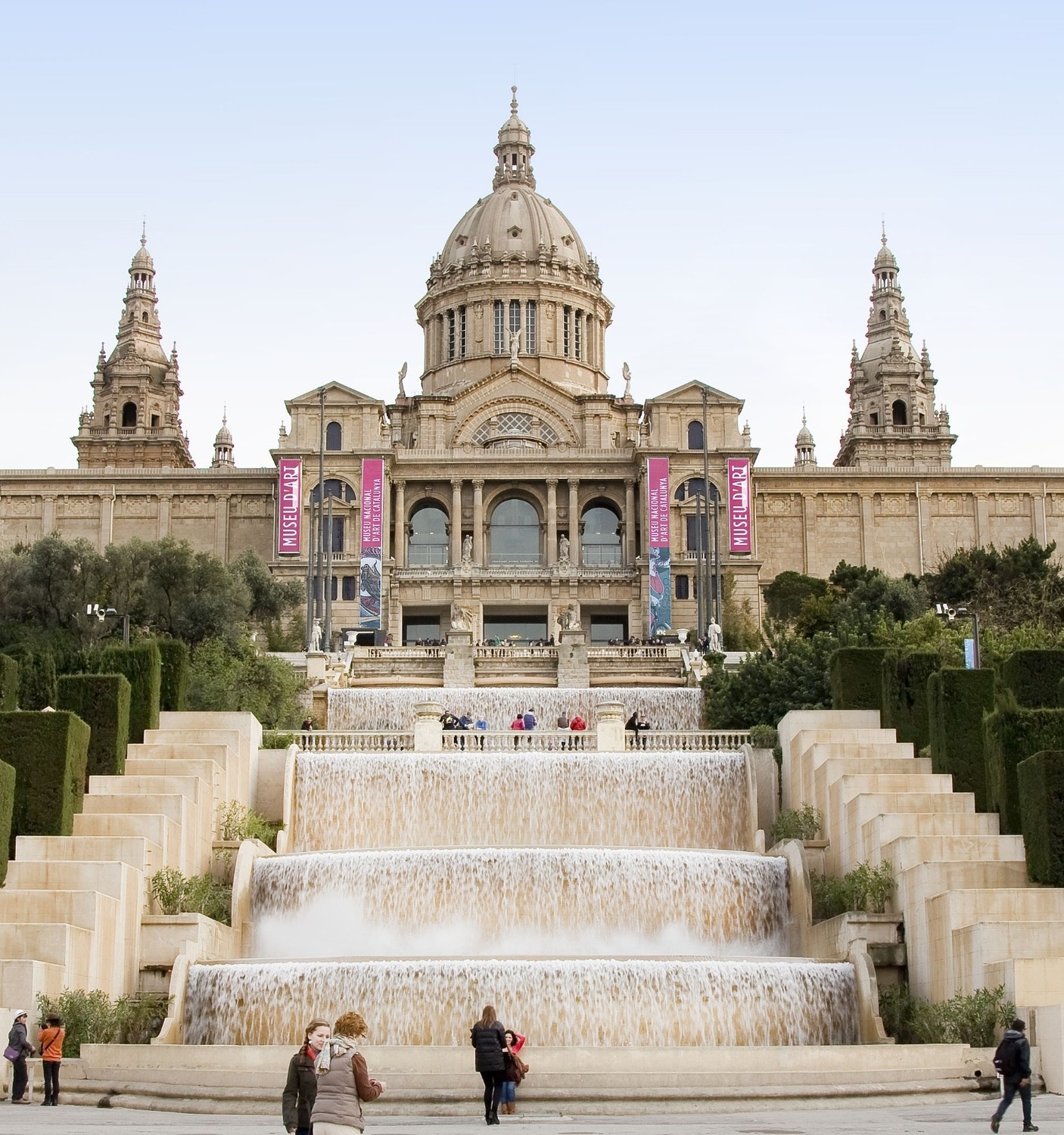
- MNAC
- Museu Nacional dArt de Catalunya
Taidevisat
Jokaisessa kysymyksessä on vain yksi oikea vastaus.
Kysymys 1:
Museun nimi on:
Kysymys 2:
Museon pääpainotus on:
Kysymys 3:
Museon sijainti Kataloniassa on:
Kysymys 4:
Museossa näytetään erityisesti:
Kysymys 5:
Museon arkkitehti oli:
Näyttelytaiteilijat

Thomas Gainsborough
Thomas Gainsborough (1727-1788): Briljasta muotokuvamaalausta ja maalaismaisemia luonnonkauniista Englannista. Royal Academyn perustaja, inspiroi Constablea.


Joaquim Mir
Joaquim Mir (1873–1940) oli katalonialainen modernismin mestari, tunnettu eloisasta väristään ja tunnelmallisista maisemistaan. Tutustu hänen ainutlaatuiseen visioonsa, joka yhdistää abstraktion ja mystisen luonnon kuvauksen impressionismin ulkopuolella.

Ramon Casas
Ramon Casas i Carbó (1866-1932) oli katalonialaisen modernismin johtava taiteilija. Tunnettu realistisista ja impressionistisista muotokuvistaan, genremaalauksistaan ja elävästä kuvauksestaan espanjalaisesta elämäntyylistä.
Liittyvät artikkelit

Emilio Grau Sala: A Catalan Colorist Between Modernisme & Symbolism
Explore the vibrant world of Emilio Grau Sala, a leading Catalan colorist influenced by Parisian Modernisme & Symbolism. Discover his captivating paintings, artistic techniques, and lasting legacy with OriginalUniqueArt.
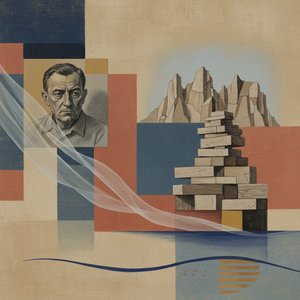
Josep Mompou Dencausse: Exploring Intimacy & Catalan Identity Through Minimalist Expression
Explore the captivating world of Josep Mompou Dencausse, a master of Post-Impressionism whose intimate paintings reflect Catalan identity and minimalist beauty. Discover his life, style & legacy.
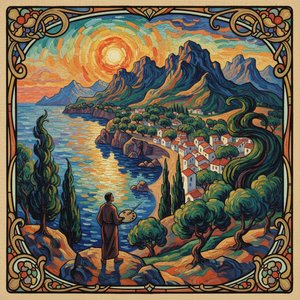
Joaquim Mir: A Catalan Visionary – Exploring Symbolism, Landscape & Modernist Aesthetic
Explore the captivating world of Joaquim Mir, a pivotal Catalan Modernisme painter. Discover his vibrant landscapes, symbolic depth & lasting influence on Spanish art history. Learn more at OriginalUniqueArt.
Teosluettelo




Tilaa uutiskirjeemme
Pysy ajan tasalla uusimmista taideuutisista, eksklusiivisista tarjouksista ja sisustusideoista.
Hanki 3 ilmaista taidesuositusta
Kerro meille projektistasi, niin taideasiantuntijamme tarjoavat sinulle kolme henkilökohtaista taidesuositusta.
Not Sure Where to Start?
Let Us Curate 3 Options Just for You - Free!