

Perintö, joka on kaiverrettu kiveen ja aikaan
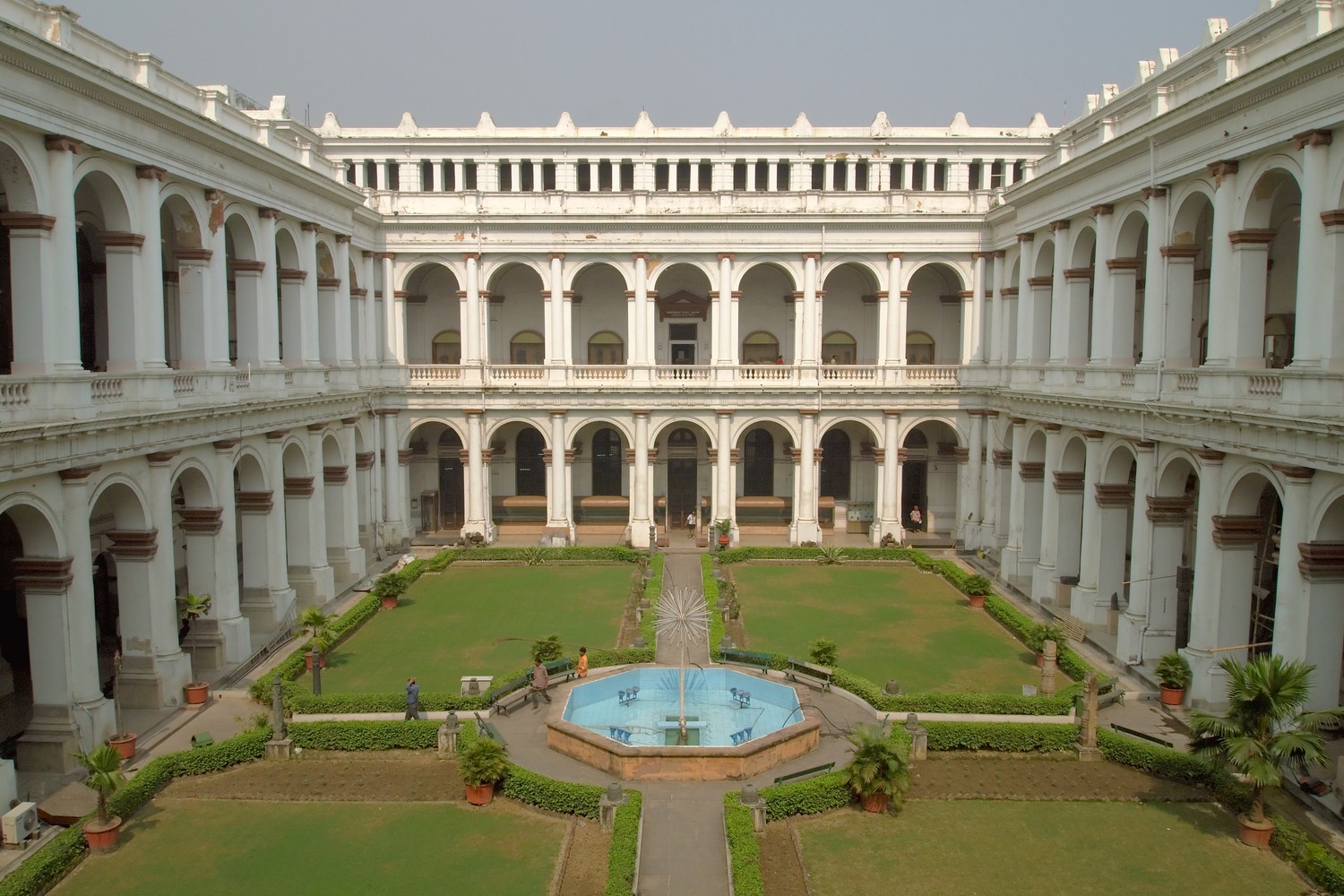
Intialainen museo seisoo monumentaalisena todistuksena Kolkatan älyllisestä perinnöstä – tietouden majakkana, joka valaisee vuosisatojen taiteellista ilmaisua ja tieteellisiä löytöjä. Sen vaikuttavaa julkisivua lähestyttäessä katsojaa kohtaa välitön kunnioituksen tunne; on kuin astuisi sisään tilaan, jossa imperiumien kaiut resonoivat muinaisten sivilisaatioiden kuiskausten rinnalla. Itse rakennus on upea uusklassinen kokonaisuus, jonka William Lawrence Granville suunnitteli yhteistyössä Sir Thomas Oldhamin kanssa. Se toimii tietoisena viestinä brittiläisestä koloniaalisesta vaikutuksesta, ollen kuitenkin saumattomasti osa Kolkatan eläväistä kaupunkimaisemaa. Hiekkakivestä rakennettu laajasti avautuva sisäpiha ja kohoavat katot luovat syvän pohdiskelun ilmapiirin, joka kutsuu vierailijoita uppoutumaan sen valtaviin aarteisiin.
Sisään astuminen on kuin aloittaisi poikkeuksellisen matkan halki ajan ja mantereiden. Museo kätkee sisäänsä hämmästyttävän kokoelman, joka rakentaa sillan ihmishengen ja luonnon maailman välille. Taiteen ystävälle tai historian keräilijälle arkeologiset galleriat ovat erityisen henkeäsalpaavia: ne esittelevät reliikkejä Indus-laakson sivilisaatiosta , hienostuneita buddhalaisia veistoksia Bharrutista sekä monimutkaista Gandhara-taidetta, joka paljastaa kreikkalaisen ja intialaisen taideperinteiden kauniin sulautumisen. Näissä saleissa voi ihailla hindujumalia ja mytologisia kertomuksia esittäviä terrakottahahmoja, jotka tarjoavat elävän hetkellisen kuvan muinaisista uskomuksista.
Taiteen ja tieteen kohtaamispiste
Arkeologisten ihmeiden takana museo tarjoaa globaaleja näkökulmia, jotka kuljettavat sielun kaukaisiin maihin. Egyptin galleria , hämmästyttävän hyvin säilyneine muumioineen ja sarkofageineen, toimii lumoavana muistutuksena Egyptin rikkaasta kulttuuriperinnöstä ja sen keskeisestä roolista länsimaisen sivilisaation muovautumisessa. Tämä matka ihmiskunnan historian halki saa kauniin täydennyksen luonnon maailman ihmeistä. Fossiilikokoelmat – mukaan lukien majesteettiset dinosaurusten luurangot – tarjoavat ikkunan esihistorialliseen elämään, kun taas zoologiset galleriat esittelevät hämmästyttävän kirjon näytteitä massiivisista nisäkkäistä herkkiin hyönteisiin. Sisustussuunnittelijalle tai hienovaraisten yksityiskohtien ystävälle museon kyky yhdistää tiede ja estetiikka tarjoaa loputonta inspiraatiota. Kokoelma on täynnä erilaisia tekstuureja ja historiallisia kertomuksia, kuten:
- Mughal-maalaukset: Tarjoavat välähdyksen Intian keisarillisen menneisyyden loisteliaisiin hoveihin ja hienostuneeseen estetiikkaan.
- Muodon mestariteokset: Teoksia taiteilijoilta, kuten Raja Ravi Varma ja Bharat Chandra Bose , jotka vangitsevat kuninkaallisten kulkueiden suuruuden ja hindujumalten idealisoidut kuvaukset.
- Muinaiset artefaktit: Huolellisesti kuratoitu valikoima haarniskoja, koristeita ja antiikkeja, jotka kertovat menneiden aikojen käsityötaidosta.
Intialainen museo ei ole pelkkä staattinen muistomerkki, vaan elävä instituutio, joka on jatkuvasti kehittynyt omaksunakseen uusia teknologioita ja tieteellisiä näkökulmia. Se säilyy taiteellisen vuoropuhelun elävänä sydämenlyöntinä, jossa tutkimus kohtaa ihmettelyn ja jossa jokainen esine kertoo tarinan ihmisen kestävyydestä ja luovasta loistosta.