1


Päivitetty marraskuu 2026 · järjestetty suosituimmuuspisteiden mukaan (jokaisen teoksen haut, vierailut ja tilaukset) · 19 teosta taiteilijalta Thomas Herbst luettelossamme
Lyhyesti
Kaikista Thomas Herbst jättämistä alkuperäisteoksista kuuluisin on Two Children (1900), joka kuuluu Bavarian State Painting Collections -kokoelmaan, München. Heti perässä tulevat Birches (1885) ja Farmstead in Niedersachsen (1892). Katalogissamme on 19 teosta taiteilijalta Thomas Herbst; galleria on säilyttänyt 18 maailman ihailluimmista teoksista, ja jokaisesta on esitetty sen päivämäärä, museo sekä tarina.


Nämä neljä aihetta toistuvat näissä alkuperäisteoksissa useimmin, jokaisesta löytyy hienoin esimerkki.
Tämän sivun teoksista eniten sisältävät 2 museota.
| Museo | Kaupunki | Thomas Herbst teokset | Tämän listan maalaukset |
|---|---|---|---|
 Bavarian State Painting Collections |
München | 3 | Two Children, Farmstead in Niedersachsen, Landscape |
 Alte Nationalgalerie |
Berliini | 1 | Birches |
Valitse vuosikymmen nähdäksesi sen määrittäneen alkuperäisteoksen.
Two Children (1900), Bavarian State Painting Collections, München. Seuraavina ovat Birches (1885) ja Farmstead in Niedersachsen (1892).
52 vuotta vanha: Two Children on peräisin vuodelta 1900, ja Thomas Herbst on syntynyt vuonna 1848.
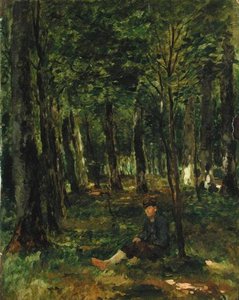
Two Children, Birches, Farmstead in Niedersachsen, Landscape, A Village In Winter, Wood, Horses at Water, Field Workers, Street in Altenbruch ja At The Village Pond. Yllä oleva sijoitus kertoo kunkin teoksen vuosiluvun ja museon.
Katalogissamme on 19 teosta taiteilijalta Thomas Herbst, aikaväliltä 1885–1900.
Pääasiassa Bavarian State Painting Collections (München) ja Alte Nationalgalerie (Berliini). Yllä oleva museotaulukko listaa ne kaikki.
Aikakaudella 1900s: 2 sivun 18 teoksista on tehty silloin, joista Two Children.
Tällä sivulla vanhin on Birches (1885) ja uusin Two Children (1900).
Forests (3), Village (2) ja Roads (2), yhteensä 18 teosta tällä sivulla.
Two Children, Farmstead in Niedersachsen ja Landscape: Bavarian State Painting Collections, München -ssä on 3 tämän sivun teoksista.
Thomas Ludwig Herbst, a name whispered with affection in the annals of German art history, was far more than a mere chronicler of the countryside; he was a poet of light and atmosphere. Born in 1848 amidst the burgeoning industrial energy of Hamburg, Herbst’s life unfolded during a transformative era for European aesthetics. While his early years were rooted in the steady traditions of his German heritage, his artistic soul was destined to wander through the most prestigious academies of Europe. His journey began with foundational lessons under Jakob Becker in Frankfurt, but it was his subsequent migrations—to the Prussian Academy of Arts in Berlin, the Weimar Saxon Grand Ducal Art School, and eventually the vibrant art scenes of Düsseldorf and Paris—that forged his unique vision. In Paris, rubbing shoulders with contemporaries like Max Liebermann, Herbst absorbed the revolutionary tenets of Impressionism, learning to prioritize the ephemeral flicker of sunlight over the rigid permanence of form.
The essence of Herbst’s work lies in its profound connection to the natural world, specifically the serene and rolling landscapes of Holstein. He possessed an uncanny ability to translate the tactile reality of a meadow into a sensory experience for the viewer. His technique, characterized by loose, expressive brushstrokes, allowed him to capture the fleeting qualities of weather and time. Whether depicting a dense, tranquil forest or an expansive pasture, Herbst sought to convey the emotional resonance of the landscape. This dedication to capturing the "feeling" of a moment led to his enduring legacy as a master of atmospheric conditions, where the air itself seems to shimmer with moisture or warmth upon the canvas.
Perhaps the most endearing chapter of Herbst’s biography is the origin of his beloved nickname, “Kuhherbst”. This moniker, meaning "Cow Herbst," was bestowed upon him by admirers who recognized his unparalleled devotion to his favorite subject: the cattle grazing in the Holstein pastures. To many, these were not merely animal portraits but studies in harmony and peace. In works such as A Cow In The Meadow, one can observe how he utilized a luminous color palette to evoke the golden warmth of a summer afternoon. His ability to integrate livestock into the broader landscape without making them appear as mere ornaments is a testament to his skill; the animals become part of the very breath of the earth he painted.
Beyond the pastoral, Herbst’s contributions to the German art movement were significant and structural. As a founding member of the Hamburgischer Künstlerklub in 1897, he helped establish a platform for local experimentation and excellence. Though his temperament was occasionally at odds with the evolving cultural standards of the club—leading to his eventual resignation—his influence on the Hamburg art scene remained indelible. His life’s work serves as a bridge between the academic rigor of the mid-19th century and the sensory freedom of late-century Impressionism, leaving behind a body of work that continues to invite viewers into a world of quiet, pastoral splendor.