


1


Päivitetty marraskuu 2026 · järjestetty suosituimmuuspisteiden mukaan (jokaisen teoksen haut, vierailut ja tilaukset) · 13 teosta taiteilijalta Gaspar de Witte luettelossamme
Lyhyesti
Interior of an Art Collector's Cabinet with Many Visitors (1639) on se Gaspar de Witte -maalaus, joka herättää eniten huomiota; alkuperäisteos kuuluu museolle Musée Girodet, Montargis. Sen jälkeen katse siirtyy kohteisiin The Allegorical Female Figures Nature and Pictura in an Art Collection, with Representative Antwerp Canvasses (1639) ja Jesus Heals the Centurion's Servant (1650). Gaspar de Wittein 13 teoksemme joukosta nämä 13 ovat kuuluisimpia; jokainen on ainutlaatuinen alkuperäisteos, joka on esitelty vuosiluvun, museon ja sen syyn kera, miksi teos on säilyttänyt suosionsa.


Tämän sivun teoksista eniten sisältävät 8 museota.
| Museo | Kaupunki | Gaspar de Witte teokset | Tämän listan maalaukset |
|---|---|---|---|
 Bavarian State Painting Collections |
München | 3 | Hilly Landscape, Hilly Landscape, Mountain Landscape |
 Royal Museum of Fine Arts Antwerp |
Antwerpen | 2 | Christ Healing the Blind Man at Jericho, The Fortune-Teller |
 Musée Girodet |
Montargis | 1 | Interior of an Art Collector's Cabinet with Many Visitors |
 Rockox House |
Antwerpen | 1 | Jesus Heals the Centurion's Servant |
 Hermitage-museo |
Pietari | 1 | Concert in the Park |
 Kingston Lacy |
Wimborne Minster | 1 | A Rocky Wooded Landscape with a Figure on a Path |
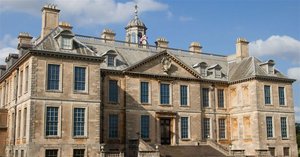 Belton House |
Grantham | 1 | Classical Landscape with Travellers and a River |
 Noordbrabants Museum |
's-Hertogenbosch | 1 | Still Life with Tulips, Carnations and Other Flowers in a Vase |
Valitse vuosikymmen nähdäksesi sen määrittäneen alkuperäisteoksen.
Interior of an Art Collector's Cabinet with Many Visitors (1639), Musée Girodet, Montargis. Seuraavina ovat The Allegorical Female Figures Nature and Pictura in an Art Collection, with Representative Antwerp Canvasses (1639) ja Jesus Heals the Centurion's Servant (1650).
15 vuotta vanha: Interior of an Art Collector's Cabinet with Many Visitors on peräisin vuodelta 1639, ja Gaspar de Witte on syntynyt vuonna 1624.
Interior of an Art Collector's Cabinet with Many Visitors, The Allegorical Female Figures Nature and Pictura in an Art Collection, with Representative Antwerp Canvasses, Jesus Heals the Centurion's Servant, Christ Healing the Blind Man at Jericho, Hilly Landscape, Hilly Landscape, Mountain Landscape, Italian Landscape with Herdsman, Concert in the Park ja A Rocky Wooded Landscape with a Figure on a Path. Yllä oleva sijoitus kertoo kunkin teoksen vuosiluvun ja museon.
Katalogissamme on 13 teosta taiteilijalta Gaspar de Witte, aikaväliltä 1639–1671.
Pääasiassa Bavarian State Painting Collections (München), Royal Museum of Fine Arts Antwerp (Antwerpen) ja Musée Girodet (Montargis). Yllä oleva museotaulukko listaa ne kaikki.
Aikakaudella 1650s: 6 sivun 13 teoksista on tehty silloin, joista Jesus Heals the Centurion's Servant.
Tällä sivulla vanhin on Interior of an Art Collector's Cabinet with Many Visitors (1639) ja uusin Christ Healing the Blind Man at Jericho (1671).
Hilly Landscape, Hilly Landscape ja Mountain Landscape: Bavarian State Painting Collections, München -ssä on 3 tämän sivun teoksista.
Born in Antwerp, Belgium, Gaspar de Witte was a member of a prominent painting family. He was the son of Peter de Witte II and Barbara Remeeus, and his brothers, Peter de Witte III and Jan Baptist de Witte, were also painters. After training under his father, who specialized in landscapes, church interiors, and religious paintings, de Witte traveled to Rome in 1646. During his time there, he joined the Bentvueghels, an association of Dutch and Flemish artists, where he was given the nickname Grondel. Following a period in France around 1648, he returned to Antwerp and became a "winemaster" in the Antwerp Guild of Saint Luke in 1650. He also operated a small trading business for painting necessities and served as a teacher to Cornelis Huysmans.
De Witte is primarily remembered for his landscapes and his contributions to the genre of gallery paintings. His landscapes often featured pastoral scenes with shepherds, religious themes, or genre scenes such as village fairs and dances. While many of his works were not in the Italianate style, he frequently included Italian antique relics to suit local tastes. He often collaborated with other artists to provide staffage for his compositions, including works with Anton Goubau and Gonzales Coques. Notable examples include:
In the realm of gallery paintings, de Witte participated in complex compositions depicting elegant rooms filled with art and precious items. He is also identified as the likely painter of the allegorical work The allegorical female figures Nature and Pictura in an art-collection, which features personifications of Plenty and Painting alongside symbols of the Arts and the transient nature of war.


