E. A. Taylor muotokuva

E. A. Taylor -maalaukset: Gallerian silmin 8 kuuluisinta teosta

Päivitetty marraskuu 2026 · järjestetty suosituimmuuspisteiden mukaan (jokaisen teoksen haut, vierailut ja tilaukset) · 9 teosta taiteilijalta E. A. Taylor luettelossamme

Lyhyesti

Gallerian silmissä E. A. Taylorn tunnetuin maalaus on Buildings by the Water (1897). A Narrow Street (1914) ja Isle of Whithorn (1941) täydentävät kolmikon, jonka jokainen silmä tunnistaa. Galleria esittelee E. A. Taylor teoksista 9 tunnetuimmat 8 teosta alla; jokainen on alkuperäisteos, josta kerrotaan vuosi, museo sekä teoksen erityispiirteet.

1874 – 1951, Greenock Eniten teoksia: The Stewartry Museum

Gallerian 10 parasta E. A. Taylor -maalausta

1
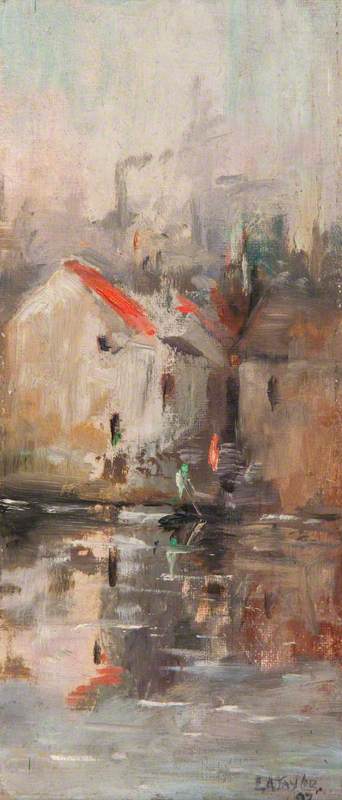
Buildings by the Water (1897) tekijä: Vincent van Gogh E. A. Taylor

Buildings by the Water

1897 · Oil

There is a certain stillness in this 1897 oil painting, a moment captured in the soft, diffused light of a misty day. The scene presents a small riverside settlement, where a cluster of buildings huddles along the water's edge. The composition is vertical, drawing the eye upward and creating a sense of enclosure, as if we are standing on a path that leads us directly into this secluded world. The…

2
A Narrow Street (1914) tekijä: Vincent van Gogh E. A. Taylor

A Narrow Street

1914 · Oil On Panel

A Glimpse into a Quiet Moment: Ernest Archibald Taylor’s ‘A Narrow Street’ This captivating oil on panel painting, measuring just 24 x 16 cm, offers an intimate view of small-town life in 1914. ‘A Narrow Street’ by Ernest Archibald Taylor isn't simply a depiction of architecture; it’s a carefully constructed study of light, space, and the quiet rhythms of everyday existence. The composition draws the eye down the receding street,…

3
Isle of Whithorn (1941) tekijä: Vincent van Gogh E. A. Taylor

Isle of Whithorn

1941 · Oil On Canvas

Isle of Whithorn by E. A. Taylor captures a coastal village situated within Dumfries and Galloway. Created about 1941, the work focuses on the intersection of land and sea, presenting a landscape defined by rolling hills and a luminous sky. The composition emphasizes the expansive horizons and maritime heritage inherent to this Scottish region.

7
Towards Lochranza tekijä: Vincent van Gogh E. A. Taylor

Towards Lochranza

Oil On Canvas

Towards Lochranza is an oil on canvas painting by the Scottish artist E. A. Taylor. The work measures 66 x 51 cm. It is a landscape composition that captures a specific setting through the application of oil pigments on a woven surface.

8
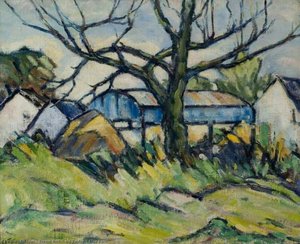
Blue Barn tekijä: Vincent van Gogh E. A. Taylor

Blue Barn

In Blue Barn, E. A. Taylor presents a quiet rural scene centered on an aged, blue-colored barn. The structure is surrounded by a cluster of trees, with a single tree positioned near the center of the composition to provide shade to the immediate area. Nearby, two additional buildings are situated, one of which is distinguished by a green roof. The arrangement of these structures and the surrounding foliage establishes a…

Aiheet, jotka vangitsivat E. A. Taylorin katseen

Nämä neljä aihetta toistuvat näissä alkuperäisteoksissa useimmin, jokaisesta löytyy hienoin esimerkki.

Museot, joissa E. A. Taylor'n alkuperäisteokset sijaitsevat

Tämän sivun teoksista eniten sisältävät 2 museota.

Museo Kaupunki E. A. Taylor teokset Tämän listan maalaukset
The Stewartry Museum, CairnsThe Stewartry Museum Cairns 1 Banks o'Dee
Harbour Cottage Gallery, CairnsHarbour Cottage Gallery Cairns 1 Blue Barn

E. A. Taylor, yksi tunnusomainen maalaus vuosikymmeneltä

Teokset vuosikymmenittäin

Valitse vuosikymmen nähdäksesi sen määrittäneen alkuperäisteoksen.

E. A. Taylorn maalaukset: gallerian vastaukset

Mikä E. A. Taylor -taideteos on kaikkien kuuluisin?Paljasta vastaus

Buildings by the Water (1897). Seuraavina ovat A Narrow Street (1914) ja Isle of Whithorn (1941).

Kuinka vanha E. A. Taylor oli valmistuessaan teos Buildings by the Water?Paljasta vastaus

23 vuotta vanha: Buildings by the Water on peräisin vuodelta 1897, ja E. A. Taylor on syntynyt vuonna 1874.

Kuinka monta teosta E. A. Taylor loi?Paljasta vastaus

Katalogissamme on 9 teosta taiteilijalta E. A. Taylor, aikaväliltä 1897–1941.

Missä E. A. Taylor'n kuuluisimmat alkuperäisteokset sijaitsevat?Paljasta vastaus

Pääasiassa The Stewartry Museum (Cairns) ja Harbour Cottage Gallery (Cairns). Yllä oleva museotaulukko listaa ne kaikki.

Mitkä ovat E. A. Taylor'n varhaisimmat ja viimeisimmät kuuluisat teokset?Paljasta vastaus

Tällä sivulla vanhin on Buildings by the Water (1897) ja uusin Isle of Whithorn (1941).

Mihin aiheisiin E. A. Taylor palasi useimmin?Paljasta vastaus

Buildings (2), Sky (2) ja People (2), yhteensä 8 teosta tällä sivulla.

Mitä tekniikkaa E. A. Taylor käytti eniten?Paljasta vastaus

Oil On Canvas, 3 teoksesta sivun 8 teoksesta.

E. A. Taylor: taiteilija

Ernest Archibald Taylor: A Highland Visionary

Ernest Archibald Taylor, a name perhaps less familiar than some of his contemporaries within the Scottish Colourist movement, nevertheless represents a vital and deeply personal thread in the rich tapestry of late 19th and early 20th-century British art. Born in Greenock in 1874, into a large family with roots in the military, Taylor’s artistic journey began not in a formal studio but amidst the industrial landscape of shipbuilding – an experience that would profoundly shape his later depictions of rugged terrain and working life. His early training instilled a meticulous eye for detail and a practical understanding of form, qualities he skillfully translated into his distinctive style.

Taylor’s artistic development was inextricably linked to his marriage in 1908 to Jessie M. King, a fellow artist whose own creative spirit complemented and influenced his work. Together they established the Shearling Atelier in Paris during the early years of the 20th century, immersing themselves in the vibrant currents of modern art – particularly the innovations of the Ballets Russes and the bold experimentation of the Scottish Colourists like Peploe and Fergusson. This Parisian sojourn marked a crucial turning point, broadening Taylor’s palette and introducing him to new approaches to composition and colour. The influence of French Impressionism is evident in his later works, particularly in the way he captures fleeting light and atmosphere.

The Highland Landscape and the Spirit of Place

Returning to Scotland in 1915, Taylor found his artistic focus firmly rooted in the dramatic landscapes of the Highlands. He wasn’t merely painting picturesque views; he sought to capture the *spirit* of these wild regions – their inherent strength, resilience, and a sense of timelessness. His paintings are characterized by bold brushstrokes, often applied with a loose, expressive quality, that convey both the grandeur and the austerity of the Highland environment. He frequently depicted crofts nestled amongst towering rock formations, conveying a powerful sense of isolation and connection to the land.

Taylor’s technique evolved significantly over his career. Early works demonstrate a more detailed, almost photographic approach, reflecting his training in shipbuilding. However, as he matured, his style became increasingly expressive, prioritizing colour and texture over precise representation. He employed a vibrant palette – deep blues, greens, and browns punctuated by flashes of ochre and crimson – to evoke the dramatic light and weather conditions prevalent in the Highlands. His compositions often feature strong diagonals and asymmetrical arrangements, creating a dynamic sense of movement and depth.

A Designer’s Hand: Furniture, Stained Glass, and Interior Decoration

Beyond his paintings, Taylor was a highly skilled designer, contributing significantly to the world of furniture, stained glass, and interior decoration. His early work with Wylie & Lochhead in Glasgow established him as a leading figure in the Arts and Crafts movement, known for his elegant and functional designs that blended traditional craftsmanship with contemporary aesthetics. He created intricate furniture pieces incorporating natural materials like wood and leather, reflecting a deep appreciation for the beauty of the natural world.

His stained glass commissions were particularly noteworthy. Working for George Wragge Ltd., he designed elaborate panels for domestic interiors, often drawing inspiration from Scottish folklore and landscape motifs. These works demonstrate his mastery of colour and texture, creating luminous and evocative images that transformed ordinary spaces into extraordinary environments. His designs seamlessly integrated with the surrounding architecture, enhancing the beauty and character of the buildings they adorned.

Legacy and Recognition

Ernest Archibald Taylor’s work is now recognized as a significant contribution to Scottish art history. His paintings are held in public collections, including those at Glasgow Museums and Kirkcudbright Galleries, offering viewers a glimpse into his unique vision of the Highlands. The Taylor Institution in Oxford houses an extensive collection of his drawings and prints, providing invaluable insights into his artistic process.

Beyond his individual achievements, Taylor played a crucial role in fostering a thriving artist community in Kirkcudbright, establishing the Dumfries and Galloway Fine Art Society and hosting summer schools that attracted talented artists from across Scotland and beyond. His legacy extends far beyond his own creations, shaping the cultural landscape of the region and inspiring generations of artists to explore the beauty and power of the Scottish Highlands.