Alphonse Legros muotokuva

Alphonse Legros -maalaukset: Gallerian silmin 66 kuuluisinta teosta

Päivitetty marraskuu 2026 · järjestetty suosituimmuuspisteiden mukaan (jokaisen teoksen haut, vierailut ja tilaukset) · 73 teosta taiteilijalta Alphonse Legros luettelossamme

Lyhyesti

Gallerian silmissä Alphonse Legros's tunnetuin maalaus on Women in Prayer (1888), jonka alkuperäinen teos on esillä Tate Gallery -museossa, kaupungissa Lontoo. Portrait of Edouard Manet (1863) ja L'Angelus (1859) täydentävät kolmikon, jonka jokainen silmä tunnistaa. Galleria esittelee Alphonse Legros teoksista 73 tunnetuimmat 66 teosta alla; jokainen on alkuperäisteos, josta kerrotaan vuosi, museo sekä teoksen erityispiirteet.

1837 – 1911, Dijon Contemporary realism Eniten teoksia: National Gallery of Art

Gallerian 10 parasta Alphonse Legros -maalausta

1
Women in Prayer (1888) tekijä Alphonse Legros

Women in Prayer

1888 · Oil On Canvas · Tate Gallery, Lontoo

Alphonse Legros's “Women in Prayer” isn’t merely a depiction of a religious scene; it’s an invitation to contemplate the quiet power of devotion. Painted in 1888, this oil on canvas transports us to a dimly lit interior space – likely a church or chapel – where nine women are immersed in prayer. The work immediately establishes a mood of solemnity and introspection, achieved through Legros's masterful manipulation of light, tone,…

2
Portrait of Edouard Manet (1863) tekijä Alphonse Legros

Portrait of Edouard Manet

1863 · Oil On Canvas · Petit Palais, Pariisi

In this 1863 portrait, we find ourselves in a quiet, intimate space with Edouard Manet. He sits in a wooden armchair, his body relaxed yet his posture suggesting a deep, internal contemplation. There is a certain gravity to his presence, a weight that comes from the way he rests his head against his hand, lost in thought. The composition is deliberate, placing him slightly off-center to create a sense of…

3
L'Angelus (1859) tekijä Alphonse Legros

L'Angelus

1859 · Oil

In 1859, Alphonse Legros painted L'Angelus, a work that captures a quiet pause in the rhythm of labor. The scene focuses on a group of peasants caught in a moment of prayer. They exist within the heavy, still air of their daily lives, their bodies bowed in a shared act of devotion. This depiction of the working class avoids the grand or the theatrical, choosing instead to find weight in…

4
The Lectern (1865) tekijä Alphonse Legros

The Lectern

1865 · Oil · Petit Palais, Pariisi

The Lectern is an oil painting by Alphonse Legros, created about 1865. The work depicts four male figures dressed in religious attire during a moment of liturgical solemnity. The scene captures a religious ceremony, likely a Mass or a formal reading, within a quiet and focused setting. The composition centers on the interaction between the clerics as they participate in the ritual.

5
The Baptism (1869) tekijä Alphonse Legros

The Baptism

1869 · Oil On Canvas

The Baptism is an oil painting on canvas by Alphonse Legros. Created about 1869, the work depicts a scene within a dimly lit, gothic-style church. Three women are positioned around an infant, with the central figure holding the baby. To the left, a statue of a saint is visible against the architectural backdrop. The setting is defined by arches and columns that frame the figures.

6
Le Repas des Pauvres (1877) tekijä Alphonse Legros

Le Repas des Pauvres

1877 · Oil

In the quiet, shadowed corners of a dimly lit interior, three men gather for a meal. This is Le Repas des Pauvres, a work by Alphonse Legros. The scene unfolds around a rectangular table, where the simple presence of bowls and single glasses speaks to a life of profound modesty. There is a heavy, somber weight to the air as the figures occupy their shallow space, their worn clothing and…

7
The Geography Lesson (1874) tekijä Alphonse Legros

The Geography Lesson

1874 · Oil On Canvas · Wallraf-Richartz-Museum, Köln

In The Geography Lesson, Alphonse Legros captures a quiet moment of instruction. The scene is set within a classroom where a female teacher gestures toward a large terrestrial globe. Around her, six young girls gather in a tight semi-circle. They lean inward, their gazes fixed upon the sphere. This shared focus creates a sense of stillness. The air in the room feels heavy with the weight of learning.

8
Portrait of a Woman (1880) tekijä Alphonse Legros

Portrait of a Woman

1880 · Oil On Canvas · Petit Palais, Pariisi

The Portrait of a Woman by Alphonse Legros captures a single female figure in a moment of quietude. This profile portrait, rendered in oil, presents the subject looking toward the left edge of the frame. The artist, Alphonse Legros, focuses on the contours of the face and the texture of the hair, creating a sense of stillness. It is a study of a person caught in a private, contemplative gaze.

9
The Reverend Robert Burn (1880) tekijä Alphonse Legros

The Reverend Robert Burn

1880 · Oil On Canvas · Fitzwilliamin museo, Kambria

Alphonse Legros' "The Reverend Robert Burn," painted in 1880, is more than just a portrait; it’s a carefully constructed tableau of Victorian sensibilities and the quiet contemplation of a man steeped in faith. This oil-on-canvas work, currently residing within The Fitzwilliam Museum’s collection, offers a glimpse into a bygone era – an era defined by meticulous detail, restrained emotion, and a profound respect for tradition. Legros, a French-British artist who…

10
Cupid and Psyche (1867) tekijä Alphonse Legros

Cupid and Psyche

1867 · Oil On Canvas · Tate Gallery, Lontoo

Cupid and Psyche, an 1867 oil on canvas, is a history painting by Alphonse Legros. The work draws its narrative from the classical traditions of Greek mythology and Ancient Roman literature. It captures a specific moment of intimacy between the two mythological figures, set within a serene outdoor environment.

Alphonse Legros -taideteokset, sijoitukset 11–66

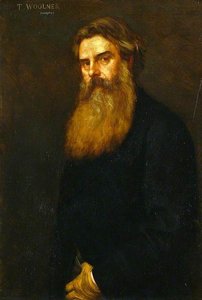
11Interior with an Organist and a Procession (1865) tekijä Alphonse LegrosInterior with an Organist and a Procession1865 · The Ashmolean Museum of Art And Archaeology 12William Cosens Way (1833–1905) (1862) tekijä Alphonse LegrosWilliam Cosens Way (1833–1905)1862 13Rehearsing the Service (1870) tekijä Alphonse LegrosRehearsing the Service1870 · Tate Gallery 14The Pilgrimage (1871) tekijä Alphonse LegrosThe Pilgrimage1871 15Sir Edward Burne Jones (1833–1898), ARA (1869) tekijä Alphonse LegrosSir Edward Burne Jones (1833–1898), ARA1869 16The Communion (1865) tekijä Alphonse LegrosThe Communion1865 17The Sermon (1871) tekijä Alphonse LegrosThe Sermon1871 · Scottish National Gallery 18Centaur Woman (1911) tekijä Alphonse LegrosCentaur Woman1911 19Death and the Woodcutter (1877) tekijä Alphonse LegrosDeath and the Woodcutter1877 · National Gallery of Canada 20Portrait of a Woman (1875) tekijä Alphonse LegrosPortrait of a Woman1875 · National Gallery of Art 21The Tinker (1874) tekijä Alphonse LegrosThe Tinker1874 22Tired Wanderer (1878) tekijä Alphonse LegrosTired Wanderer1878 23Blessing the Sea (1872) tekijä Alphonse LegrosBlessing the Sea1872 24Portrait of Léon Gambetta (1875) tekijä Alphonse LegrosPortrait of Léon Gambetta1875 25Head of a Man Looking Upwards and Sideways (1877) tekijä Alphonse LegrosHead of a Man Looking Upwards and Sideways1877 26Thomas Carlyle (1795–1881), Historian and Essayist (1877) tekijä Alphonse LegrosThomas Carlyle (1795–1881), Historian and Essayist1877 · Scottish National Portrait Gallery 27Study of a Head (1878) tekijä Alphonse LegrosStudy of a Head1878 · Walker Art Gallery 28Saint Jerome (1881) tekijä Alphonse LegrosSaint Jerome1881 · Manchesterin taidegalleria 29John Gray (1883) tekijä Alphonse LegrosJohn Gray1883 30Alexander Walker, LLD (1880) tekijä Alphonse LegrosAlexander Walker, LLD1880 31Head of an Old Man (1881) tekijä Alphonse LegrosHead of an Old Man1881 · Manchesterin taidegalleria 32J. Dove Wilson (1833–1908), LLD (1882) tekijä Alphonse LegrosJ. Dove Wilson (1833–1908), LLD1882 33Sir Edward Coley Burne Jones (1833–1898) (1879) tekijä Alphonse LegrosSir Edward Coley Burne Jones (1833–1898)1879 34Portrait of a Lady (1879) tekijä Alphonse LegrosPortrait of a Lady1879 · Sunderland Museum - Winter Gardens 35Robert Browning (1812–1889) (1879) tekijä Alphonse LegrosRobert Browning (1812–1889)1879 36Thomas Dixon (1831–1880) (1879) tekijä Alphonse LegrosThomas Dixon (1831–1880)1879 · Sunderland Museum - Winter Gardens 37Professor John Marshall (1818–1891), FRS, Surgeon (1879) tekijä Alphonse LegrosProfessor John Marshall (1818–1891), FRS, Surgeon1879 38Thomas Huxley (1825–1895), FRS (1880) tekijä Alphonse LegrosThomas Huxley (1825–1895), FRS1880 39George Wallis (1811–1891), FSA, Keeper of the Art Collections in the South Kensington Museum (1863–1891) (1891) tekijä Alphonse LegrosGeorge Wallis (1811–1891), FSA, Keeper of the Art Collections in the South Kensington Museum (1863–1891)1891 40An Approaching Storm (1897) tekijä Alphonse LegrosAn Approaching Storm1897 41Head of a Man with Upturned Eyes tekijä Alphonse LegrosHead of a Man with Upturned EyesNational Gallery of Art 42The Confession tekijä Alphonse LegrosThe Confession 43Thomas Woolner tekijä Alphonse LegrosThomas Woolner 44Le Calvaire tekijä Alphonse LegrosLe CalvaireMusée d'Orsay 45Le Christ mort tekijä Alphonse LegrosLe Christ mort 46Study of a Head tekijä Alphonse LegrosStudy of a Head 47Léon Gambetta tekijä Alphonse LegrosLéon GambettaMusée d'Orsay 48UNE AMENDE HONORABLE tekijä Alphonse LegrosUNE AMENDE HONORABLEMusée d'Orsay 49Charles G. Milnes Gaskell, Chairman of the County Council of the West Riding of Yorkshire (1893–1910) tekijä Alphonse LegrosCharles G. Milnes Gaskell, Chairman of the County Council of the West Riding of Yorkshire (1893–1910)Wakefield County Hall 50Landscape with a Stream and Hills (1882) tekijä Alphonse LegrosLandscape with a Stream and Hills1882 · Victoria and Albert Museum 51Landscape with a Road over a Hill (1885) tekijä Alphonse LegrosLandscape with a Road over a Hill1885 · Victoria and Albert Museum 52Interior of a Church with kneeling Figures (1865) tekijä Alphonse LegrosInterior of a Church with kneeling Figures1865 · Ashmolean Museum 53Interior with an Organist and a Procession (1865) tekijä Alphonse LegrosInterior with an Organist and a Procession1865 · Ashmolean Museum 54A May Service for Young Women (1868) tekijä Alphonse LegrosA May Service for Young Women1868 · Victoria and Albert Museum 55Hilly Landscape (1876) tekijä Alphonse LegrosHilly Landscape1876 · Victoria and Albert Museum 56Portrait of an Old Man tekijä Alphonse LegrosPortrait of an Old ManNational Gallery of Art 57Memory Copy of Holbein's Erasmus tekijä Alphonse LegrosMemory Copy of Holbein's ErasmusNational Gallery of Art 58Landscape tekijä Alphonse LegrosLandscape 59John Bolton, Kendal Town Clerk tekijä Alphonse LegrosJohn Bolton, Kendal Town Clerk 60Thomas Woolner tekijä Alphonse LegrosThomas Woolner 61Portrait of a Gentleman tekijä Alphonse LegrosPortrait of a Gentleman 62John Polson, Esq tekijä Alphonse LegrosJohn Polson, EsqPaisley Art Institute Collection 63Portrait of a Gentleman tekijä Alphonse LegrosPortrait of a Gentleman 64John Bolton, Kendal Town Clerk (1832–1874) tekijä Alphonse LegrosJohn Bolton, Kendal Town Clerk (1832–1874)Kendal Town Hall 65Interior with an Organist and three Figures tekijä Alphonse LegrosInterior with an Organist and three FiguresThe Ashmolean Museum of Art And Archaeology 66The Tinker tekijä Alphonse LegrosThe Tinker

Alphonse Legrosn kuuluisat maalaukset aikakausittain

Aiheet, jotka vangitsivat Alphonse Legrosin katseen

Nämä neljä aihetta toistuvat näissä alkuperäisteoksissa useimmin, jokaisesta löytyy hienoin esimerkki.

Museot, joissa Alphonse Legros'n alkuperäisteokset sijaitsevat

Tämän sivun teoksista eniten sisältävät 8 museota.

Museo Kaupunki Alphonse Legros teokset Tämän listan maalaukset
National Gallery of Art, WashingtonNational Gallery of Art Washington 4 Portrait of a Woman, Head of a Man with Upturned Eyes, Portrait of an Old Man
Victoria and Albert Museum, LontooVictoria and Albert Museum Lontoo 4 Landscape with a Stream and Hills, Landscape with a Road over a Hill, A May Service for Young Women
Tate Gallery, LontooTate Gallery Lontoo 3 Women in Prayer, Cupid and Psyche, Rehearsing the Service
Petit Palais, PariisiPetit Palais Pariisi 3 Portrait of Edouard Manet, The Lectern, Portrait of a Woman
Musée d'Orsay, PariisiMusée d'Orsay Pariisi 3 Le Calvaire, Léon Gambetta, UNE AMENDE HONORABLE
The Ashmolean Museum of Art And Archaeology, OxfordThe Ashmolean Museum of Art And Archaeology Oxford 2 Interior with an Organist and a Procession, Interior with an Organist and three Figures
Manchesterin taidegalleria, ManchesterManchesterin taidegalleria Manchester 2 Saint Jerome, Head of an Old Man
Sunderland Museum - Winter Gardens, SunderlandSunderland Museum - Winter Gardens Sunderland 2 Portrait of a Lady, Thomas Dixon (1831–1880)

Alphonse Legros, yksi tunnusomainen maalaus vuosikymmeneltä

Teokset vuosikymmenittäin

Valitse vuosikymmen nähdäksesi sen määrittäneen alkuperäisteoksen.

Alphonse Legrosn maalaukset: gallerian vastaukset

Mikä Alphonse Legros -taideteos on kaikkien kuuluisin?Paljasta vastaus

Women in Prayer (1888), Tate Gallery, Lontoo. Seuraavina ovat Portrait of Edouard Manet (1863) ja L'Angelus (1859).

Kuinka vanha Alphonse Legros oli valmistuessaan teos Women in Prayer?Paljasta vastaus

51 vuotta vanha: Women in Prayer on peräisin vuodelta 1888, ja Alphonse Legros on syntynyt vuonna 1837.

Mitkä ovat Alphonse Legros'n 10 parasta maalausta?Paljasta vastaus

Women in Prayer, Portrait of Edouard Manet, L'Angelus, The Lectern, The Baptism, Le Repas des Pauvres, The Geography Lesson, Portrait of a Woman, The Reverend Robert Burn ja Cupid and Psyche. Yllä oleva sijoitus kertoo kunkin teoksen vuosiluvun ja museon.

Kuinka monta teosta Alphonse Legros loi?Paljasta vastaus

Katalogissamme on 73 teosta taiteilijalta Alphonse Legros, aikaväliltä 1859–1911.

Missä Alphonse Legros'n kuuluisimmat alkuperäisteokset sijaitsevat?Paljasta vastaus

Pääasiassa National Gallery of Art (Washington), Victoria and Albert Museum (Lontoo) ja Tate Gallery (Lontoo). Yllä oleva museotaulukko listaa ne kaikki.

Milloin Alphonse Legros maalasi kuuluisimmat teoksensa?Paljasta vastaus

Aikakaudella 1870s: 20 sivun 66 teoksista on tehty silloin, joista Le Repas des Pauvres.

Mitkä ovat Alphonse Legros'n varhaisimmat ja viimeisimmät kuuluisat teokset?Paljasta vastaus

Tällä sivulla vanhin on L'Angelus (1859) ja uusin Centaur Woman (1911).

Mihin aiheisiin Alphonse Legros palasi useimmin?Paljasta vastaus

Landscape (5), Portrait (4) ja Church interior (4), yhteensä 66 teosta tällä sivulla.

Mitä tekniikkaa Alphonse Legros käytti eniten?Paljasta vastaus

Oil On Canvas, 12 teoksesta sivun 66 teoksesta.

Mihin taidesuuntaukseen Alphonse Legros kuuluu?Paljasta vastaus

Contemporary realism, tämän sivun alkuperäisteosten perusteella.

Mitä Alphonse Legros -taiteilijan alkuperäisteoksia National Gallery of Art -museossa on?Paljasta vastaus

Portrait of a Woman, Head of a Man with Upturned Eyes ja Portrait of an Old Man: National Gallery of Art, Washington -ssä on 4 tämän sivun teoksista.

Alphonse Legros: taiteilija

Kansojen välinen silta: Alphonse Legrosin taiteellinen matka

Alphonse Legros, joka syntyi Dijonissa, Ranskassa vuonna 1837, oli taiteilija, jonka elämä ja työ ilmensivät taidesuuntausten ja kansallisten identiteettien kiehtovaa risteyskohtaa. Hänen polkunsa ei ollut välitöntä mainetta, vaan pikemminkin lahjakkuuden asteittaista avautumista, jota ruokki omistautunut opiskelu ja halu syleillä kehittyviä esteettisiä ihanteita. Nuori Alphonse löysi varhaisen inspiraationsa Véronnesin maaseutumaisemista, perheensä ympäröimistä näkymistä, jotka myöhemmin läpäisivät suuren osan hänen taiteellista tuotantoaan. Hänen alkutaipaleensa alkoi Dijonin taidekoulussa, jossa hän työskenteli sisustusmaalariapina, kokemus, joka antoi hänelle käytännön ymmärrystä materiaaleista ja muodosta. Tätä seurasi aika matkakuvauksena seinämaalari Lyonissa, hioen taitojaan osallistumalla suurempiin koristeluhankkeisiin. Nämä muovaavat vuodet eivät liittyneet ainoastaan tekniseen taituruuteen; ne olivat maailman ympärillään tapahtuvien asioiden imemistä itseensä – maaseutuelämän tekstuureja, valon leikkiä kivellä ja jokapäiväisen työn arvokkuutta – elementtejä, joista tuli hänen kypsän tyylinsä tavaramerkkejä.

Realismista etsausrenessanssiin: Taiteellinen kehitys ja vaikutteet

Legrosin saapuminen Pariisiin vuonna 1851 merkitsi käännekohtaa. Hän uppoutui eläväiseen taiteelliseen ilmapiiriin opiskellen lavastaja Charles-Antoine Cambonin johdolla ja osallistuen arvostettuun Lecoq de Boisbaudranin piirustuskouluun, jossa hän kohtasi kollegoita kuten Auguste Rodin ja Jules Dalou. Tänä aikana hän teki ensimmäiset pyrkimyksensä Salon-järjestelmään ja saavutti tunnustusta muotokuvista, jotka kiinnittivät vaikutusvaltaisten hahmojen, kuten Gustave Courbetin johtamaa realistista liikettä puolustaneen Champfleuryn huomion. Legrosin varhaiset teokset, kuten L'Angelus (1ää59), osoittivat omistautumista arkipäivän kohtauksien kuvaamiselle rehellisyydellä ja emotionaalisella syvyydellä. Kuitenkin juuri etsaus-tekniikan tutkiminen erotti hänet todella muista. Hän käytännössä opetti itselleen tämän tekniikan, lumoutuneena sen kyvystä vangita sävyjen ja tekstuurien hienovaraisia vivahteita. Tämä omistautuminen johti lopulta siihen, että hänestä tuli keskeinen hahmo brittiläisessä etsausrenessanssissa. Vuonna 1863 James McNeill Whistlerin kannustamana Legros muutti Englantiin, päätöksellä, joka muokkasi hänen uraansa syvästi. Hän vakiinnutti nopeasti asemansa vaikutusvaltaisena opettajana, ensin South Kensington School of Artissa ja myöhemmin Slade Professorina University College Londonissa, vaalien etsausperinnettä useiden taiteilijasukupolvien ajan. Mestarillinen monipuolisuus: Maalaus, kuvanveisto ja mitalitaide Vaikka Legrosia juhlitaan usein hänen etsauksistaan, hänet määriteltäisiin pelkästään tämän välineen kautta vääryydeksi hänen monipuolista lahjakkuuttaan kohtaan. Hän oli yhtä taitava sekä maalarina että kuvanveistäjänä, ja hän loi myös merkittäviä mitaleja. Hänen maalauksensa esittivät usein uskonnollista hartauden harjoittamista – kirkon sisätiloja polvistuvien hahmojen kera, vangiten uskon hiljaisen intensiteetin – sekä muotokuvia, jotka paljastivat terävän psykologisen oivalluksen kohteistaan. Näitä teoksia leimaa hillitty väripaletti, huolellinen yksityiskohtaisuus ja juhlallisuuden tuntu. Hän ei ollut kiinnostunut suurista kertomuksista tai prameilevasta esillepanosta; sen sijaan hän keskittyi inhimillisen kokemuksen intiimeihin hetkiin. Hänen kuvanveistotaiteensa, vaikka ei yhtä runsasta kuin maalaus ja etsaus, osoitti samanlaista sitoutumista realismiin ja emotionaaliseen syvyyteen. Lisäksi Legrosin taito ulottui mitalitaiteeseen, tuottaen teoksia, joita arvostettiin niiden käsityötaidon ja taiteellisen arvon vuoksi. Hän lähestyi jokaista välinettä teknisen mestaruuden tavoittelulla ja halulla välittää syvää merkitystä.

Perintö ja historiallinen merkitys

Alphonse Legros kuoli Watfordissa vuonna 1911 jättäen jälkeensä rikkaan perinnön sekä taiteilijana että kasvattajana. Hänen vaikutuksensa brittiläiseen taidemaailmaan oli huomattava, erityisesti Slade School of Artin opettajana, jossa hän opetti lukemattomille opiskelijoille kurinalaisen lähestymistavan piirtämiseen ja etsaukseen. Hän puolusti perinteisiä taiteellisia arvoja – piirustustaidon, huolellisen havainnon ja teknisen osaamisen tärkeyttä – samalla kun hän syleili uusia ideoita ja tekniikoita. Legrosin työ seisoo todistuksena hiljaisen pohdiskelun voimasta ja realistisen estetiikan kestävästä vetovoimasta. Hänen maalauksiaan ja etsauksiaan löytyy merkittävistä museoista, kuten Ashmolean Museumista Oxfordissa ja Tate Gallerysta Lontoossa, mikä varmistaa, että hänen taiteellinen visionsa jatkaa inspiroimista ja lumoamista yleisöä vielä tänäkin päivänä. Hän edustaa siltaa ranskalaisten ja brittiläisten taideperinteiden välillä, ilmentäen sitoutumista sekä tekniseen erinomaisuuteen että emotionaaliseen rehellisyyteen – ominaisuuksia, jotka resonoivat katsojissa ja taiteilijoissa yhä. Hänen omistautumisensa taiteellisen lahjakkuuden tukemiselle vakiinnutti hänen paikkansa modernin brittiläisen taiteen kehityksen keskeisenä hahmona.