
 Esikatselu
 Jaa
Jaa Jaa
Jaa
 Tarkemmat tiedot

 Lataa
Lataa
 Samanlaisia
 Röntgenkuva
 Diaesitys
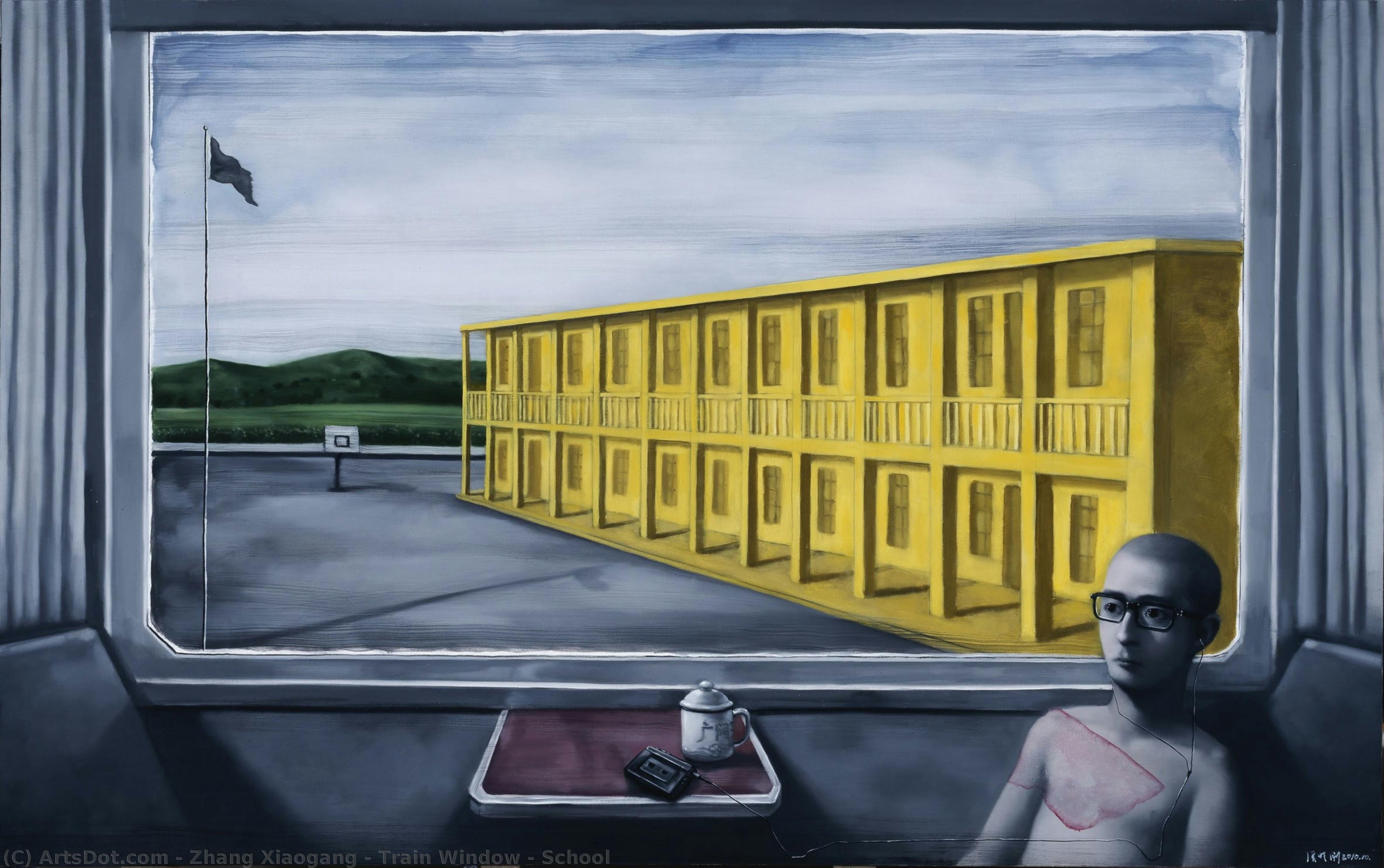
Train Window - School
 220.0 x 140.0 cm
 Today Art Museum
 Näytä lisää
Giclée-printit ja taideprintit
Museolaatuisia giclée- tai kankaitaulun tulosteita nopealla tuotannolla ja joustavilla viimeistelyvaihtoehdoilla. ( Vaihda käsinmaalattuun versioon Vaihda kuvaksi)




































Valitse valmiista mitoistamme sellaiset, jotka vastaavat teoksen alkuperäisiä mittasuhteita.

Voit syöttää omat mitat sopiaksesi tiettyyn kehykseen tai tilaan. Jos valittu koko ei vastaa alkuperäisen kuvan mittasuhteita, rajaamme teosta tai laajennamme kuvaa peilatulla tai yhtenäisellä reunalla. Digitaalinen mallikuva lähetetään hyväksyttäväksi ennen tuotannon aloittamista.
Huomaathan, että näytöllä näkyvä esikatselu ei vastaa lopullista rajausta tai laajennusta. Vain mallikuva näyttää lopullisen sommittelun tarkasti.
Vaikka räätälöityjä kokoja on saatavilla, suosittelemme valitsemaan mitat valmiista listasta alkuperäisten mittasuhteiden säilyttämiseksi.
Toimitus maailmanlaajuisesti () kahdessa viikossa tavallisen 4–5 viikon sijaan. (11 elokuu)

Ilmainen pikatoimitus ympäri maailman

Korkealaatuinen pellavakangas

Kattava kuljetusvakuutus

Tulliveron palautustakuu

Täydellinen värien vastaavuustakuu

60 päivän palautusoikeus (vain valmistusvirheet)

100% rahat takaisin -takuu

Määräalennus tarjous
 Lasivaihtoehto on saatavilla vain alle 110 cm kokoisina teoksina

Train Window - School
Giclée-printit ja taideprintit
Replikaatin koko
-


Kokonaishinta
$ 80
Taiteilijan elämäkerta
Zhang Xiaogang: A Surrealist Echo of Chinese History
Zhang Xiaogang (born 1958) stands as one of China’s most prominent contemporary artists, renowned for his distinctive blend of surrealism and symbolism—particularly within the framework of exploring familial history and grappling with the legacy of the Cultural Revolution. His artistic journey began in Kunming, Yunnan Province, where he was born to Qi Ailan and Zhang Jing, both government officials who instilled in him a deep appreciation for art from a young age – a formative influence that would shape his lifelong dedication to creative expression. As recounted by his mother, “From early on, my parents worried that I would go out and get into trouble. They gave us paper and crayons so we could draw at home. . . . I gained more and more interest in art. I had a lot of time, because I didn’t have to go to school. My interest increased.” The Cultural Revolution profoundly impacted Xiaogang's formative years, shaping his worldview and subtly informing the thematic concerns that permeate his oeuvre. Sent to work on a farm as part of the “down to the countryside movement” in 1976—a period marked by significant social upheaval—he encountered Lin Ling, who mentored him in watercolor techniques, emphasizing formal composition and sketching skills. This early training solidified Xiaogang’s commitment to visual art and fueled his ambition to pursue it as a vocation. “When I was 17, I told myself I wanted to be an artist. . . I felt that art was like a drug. Once you are addicted, you can't get rid of it.” Xiaogang’s artistic style is instantly recognizable: predominantly monochromatic portraits—often featuring large, dark-pupiled eyes—executed in oil paint with meticulous attention to detail and textural impasto. His signature series, “Bloodline,” centers around stylized depictions of Chinese individuals, deliberately referencing family photographs from the 1950s and 60s – a poignant commentary on collective memory and familial bonds. The unsettling gaze of these figures embodies both vulnerability and resilience, mirroring the anxieties and uncertainties experienced during China’s turbulent past. Beyond painting, Xiaogang has ventured into sculpture, translating his visual vocabulary into three dimensions. He skillfully reimagines characters from his “Bloodline” series as sculptures, capturing their essence in a new medium—a testament to his artistic versatility and unwavering exploration of thematic depth. These sculptures have garnered critical acclaim and appeared in numerous exhibitions, cementing Xiaogang’s position as a leading figure in contemporary Chinese art. His work has been described as "surrealist" due to its unsettling juxtaposition of familiar imagery with dreamlike distortions—a technique that allows him to delve beneath surface appearances and confront profound questions about identity, history, and the human condition. Zhang Xiaogang’s contribution to modern Chinese art lies in his ability to synthesize personal experience with historical context, resulting in artworks that resonate powerfully with audiences worldwide. He continues to push boundaries and redefine artistic expression, securing his place as an enduring icon of China's creative landscape.
Zhang Xiaogang
1958 -
Pikatiedot
- Artistic Movement Or Style: Surrealism; Symbolist painting
- Artists Who Influenced This Artist: Lin Ling
- Date Of Birth: 1958
- Full Name: Zhang Xiaogang
- Nationality: Chinese
- Notable Artworks:
- Untitled
- Bloodline: Big Family
- Place Of Birth: Kunming, Yunnan Province

