
 Esikatselu
 Jaa teos
 Jaa
Jaa
 Tiedot
 Opas
Opas

 Lataa kuva
 Samanlaisia kohteita
 Röntgenkuvaus
 Diaesitys
 Q&A
Q&A Tilastot
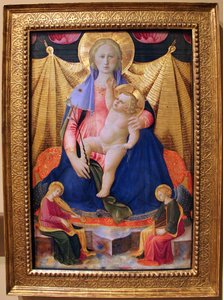
Madonna and Child with Angels

- 138.0 x 127.0 cm


 Lue lisää
Giclée- ja taideprintit
Museolaatuisia giclée- tai kankaitaulun tulosteita nopealla tuotannolla ja joustavilla viimeistelyvaihtoehdoilla. ( Osta käsinmaalattu taideteos Siirry digitaaliseen kuvaan)




P118B €10

P118H €10

P118W €10

P438Z €10

P508JH €12

P508YH €12

P805H €10

P805Z €10

P919BZ €10

P919G €10

P919XJ €10

P959ZH €10

P968JZ €12

W106C €8

W218G €10

W218JH €8

W218Y €10

W307PJ €10

W316G €10

W316PJ €8

W316Y €10

W398PJ €8

W4111J €10

W500HY €15

W500JH €15

W692G €12

W849H €8

W940BG €15

W953PJ €8




Valitse valmiista mitoistamme sellaiset, jotka vastaavat teoksen alkuperäisiä mittasuhteita.

Syötä tarvitsemasi leveys ja korkeus, jotta tuloste sopii kehyksiisi tai seinällesi. Tulostetta voidaan vain leikata, sitä ei voida koskaan suurentaa alkuperäistä kuvaa suuremmaksi, joten eri muotoinen koko aiheuttaa osan kuvasta katoamisen. Lähetämme sinulle digitaalisen mallikuvan hyväksyttäväksi ennen kuin aloitamme tulostuksen. Tällä sivulla näkyvä kuva ei näytä lopullista rajausta — vain mallikuva näyttää sen.
Maailmanlaajuinen toimitus () 2 viikossa tavallisen 4–5 viikon sijaan. (2 marraskuu)

Ilmainen pikatoimitus ympäri maailman

Korkealaatuinen pellavakangas

Kattava kuljetusvakuutus

Tulliveron palautustakuu

Takuu täydellisestä värien vastaavuudesta

100 päivän palautusoikeus (vain valmistusvirheet)

100% rahat takaisin -takuu

Määräalennus tarjolla
 Lasivaihtoehto on saatavilla vain alle 110 cm kokoisille teoksille

Madonna and Child with Angels
Giclée- ja taideprintit
Replikaatin koko
-


Kokonaishinta
€ 71
A Vision of Divine Grace: Zanobi Strozzi's Madonna and Child with Angels
To gaze upon this masterpiece by Zanobi Strozzi is to step directly into the luminous heart of the Early Renaissance. The scene unfolds with an almost palpable sense of sacred tranquility, centering on the Virgin Mary cradling the divine presence of the Christ Child. It is more than a mere portrait; it is a profound meditation on motherhood, divinity, and eternal love. Strozzi masterfully captures that delicate balance between earthly tenderness and heavenly majesty. The composition draws the eye immediately to the intimate connection between mother and child, while the surrounding angels act as celestial witnesses, their presence elevating the moment from a private embrace to a universal testament of faith.
Technique and Luminous Detail
Strozzi’s handling of paint speaks volumes about his technical brilliance. The rich, vibrant palette employed throughout the work bathes the figures in an ethereal glow, suggesting both the warmth of human connection and the cool luminescence of divine light. One can observe the meticulous detail in the drapery folds, which fall with a naturalistic weight, contrasting beautifully against the brilliant, golden background. This use of gold is not merely decorative; it functions symbolically, separating the sacred space from the mundane world and suggesting an eternal realm beyond time. The close-up view allows us to appreciate the subtle gradations of color—the soft blush on Mary’s cheek, the gentle curve of Jesus' hand—all rendered with a painterly finesse characteristic of Florentine masters navigating the transition into High Renaissance ideals.
Symbolism and Spiritual Resonance
The symbolism woven into this canvas is deeply rich for the art connoisseur. The prominent cross positioned above the figures serves as an unmistakable anchor to Christian doctrine, reminding the viewer that within this moment of serene beauty lies the promise of sacrifice and resurrection. The angels surrounding the central figures are not just decorative elements; they embody divine protection and guidance, acting as intermediaries between humanity and the heavenly court. For the collector or decorator, owning a reproduction of this piece means acquiring more than just art; it is acquiring a focal point for contemplation—a visual prayer that imbues any room with an atmosphere of profound spirituality and enduring grace.
Historical Context and Enduring Appeal
Painted in 1434, this work places Strozzi at the zenith of his artistic career during Florence's burgeoning Renaissance spirit. While the era was marked by intense humanism and intellectual rebirth, religious devotion remained the bedrock of life. Strozzi’s ability to fuse the emerging naturalism—the believable weight of flesh and fabric—with deeply ingrained spiritual iconography makes this piece timeless. It speaks to a period where art served as both high craft and sacred narrative. For modern admirers, it offers an unparalleled connection to the genius of the Quattrocento masters, providing a breathtaking focal point that whispers tales of faith across the centuries.
Kysymykset ja vastaukset
Miten teoksen "Madonna and Child with Angels" aihe liittyy Zanobi Strozzi'n tavallisiin teemoihin?
"Madonna and Child with Angels" esittää aiheita madonna and child, angels, religious art, christianity, renaissance, cross, virgin mary, kun taas Zanobi Strozzi tunnetaan teemoistaan florentine renaissance style influences, christian devotion and divinity themes, early devotional panel painting work. Näiden kahden vertaaminen osoittaa, miten teos liittyy taiteilijan tavallisiin aiheisiin.
Kuinka paljon valoa "Madonna and Child with Angels" värit näyttävät heijastavan?
Teoksen "Madonna and Child with Angels" värit heijastavat Soft Shadow luminanssia.
Mikä väri hallitsee teoksen Zanobi Strozzi:n "Madonna and Child with Angels" sommittelua?
Teoksen Zanobi Strozzi:n "Madonna and Child with Angels" hallitseva väri on Phthalo Green (#0f171d).
Taiteilijan elämäkerta
Firenzelainen visionääri: Zanobi Strozzin elämä ja perintö
Firenzen renessanssin kultakaudella, jolloin valo ja varjo alkoivat tanssia uudella humanistisella syvyydellä, nimi Zanobi Strozzi nousi esiin kaupungin taiteellisen kudoksen elintärkeänä säimenä. Vuonna 1412 kuuluisaan Strozzi-sukuun syntynyt Zanobin varhaisvuosia muovasivat Firenzen syvät poliittiset murrokset. Vaikka hänen sukutaustansa yhdisti hänet aatelistoon, isän ennenaikainen kuolema, kun Zanobi oli vasta viisitoista vuotta vanha, heitti hänet kohti täysin erilaista kohtaloa. Tämä henkilökohtainen menetys johdatti hänet Battista di Biagio Sangugnin oppipoikaan, opettajansuhteen, joka lopulta hioi hänen kättään ja antoi hänelle teknisen tarkkuuden, jota vaadittiin käsikirjoitusten kuvittamisen ja paneelimaalauksen herkkien taiteiden hallitsemiseen.
Strozzin taiteellinen kehitys oli syvästi kietoutunut aikansa hengellisiin ja esteettisiin virtoihin. Hänen merkittävin yhteytensä oli kuitenkin suhde arvostettuun Fra Angelicoon. Oppilaana tässä vaikutusvaltaisessa piirissä Strozzi ei ainoastaan jäljitellyt mestaria; hän imi itseensä syvän hartauden tunteen ja valoisan värikäsityksen, josta tuli hänen oman tyylinsä tavaramerkki. Tämä suhde mahdollisti kauniin tyylillisen kohtaamisen, jossa Fra Angelicon ominainen eteerinen, jumalallinen valo kohtasi Strozzin huolellisen yksityiskohtien tarkastelun. Hänen työnsä rakensi usein siltaa käsikirjoitusten intiimien, miniatyyrimäisten maailmojen ja uskonnollisten alttaritaulujen suuren, tunteikkaan läsnäolon välille.
Yksityiskohtien mestaruus ja hartauden kauneus
Strozzin lahjakkuuden laajuus näkyy parhaiten hänen kyvyssään hallita erilaisia tekniikoita yhtä arvokkaasti. Hän oli tempera-paneelimaalauksen mestari, tekniikka, joka vaati valtavaa kärsivällisyyttä ja vakaata kättä saavuttaakseen hänen uskonnollisissa teoksissaan näkyvät eloisat, jalokivimäiset sävyt. Hänen tuotantoonsa kuului useita merkittäviä alttaritauluja sekä koskettavia kuvauksia Neitsyt ja lapsi -aiheesta, teoksia, joiden tarkoituksena oli herättää katsojassa syvää hengellistä pohdiskelua. Näissä teoksissa Strozzi käytti firenzeläistä varhaisrenessanssin tyyliä kutomaan uskon kertomuksia, käyttäen pehmeitä siirtymiä ja monimutkaisia kuvioita tuodakseen pyhät hahmot eloon.
Suurempia paneeleita laajemmalle Strozzi saavutti legendaarisen aseman panoksellaan käsikirjoitusten kuvittamiseen. Kyky hallita pieniä tiloja antoi hänelle mahdollisuuden luoda hengästyttävän monimutkaisia miniatyyri maailmoja. Hänen merkittävimpiin taiteellisiin saavutuksiinsa kuuluvat:
- Pyhät Kosmas ja Damianos pelastuminen hukkumiselta: Vuoden 1435 mestariteos, joka vangitsee koskettavan hetken jumalallisesta väliintulosta, näyttäen hänen kykynsä kuvata yhteisöllistä uskoa ja dramaattista liikettä.
- Pyhä Agnes: Vuonna 1448 luotu teos ilmentää hänen kykyään luoda seesteisiä profiilimuotokuvia, jotka on asetettu pyörteisiin, koristeellisiin kuvioihin korostaen aikakauden eleganssia.
- Romiin käytettävä rukouskirja: Todistus hänen taidokkuudestaan kuvittajana, jossa jokainen lehti toimii ikkunana firenzeläisen skriptorion huolelliseen käsityötaitoon.
Pysyvä jälki renessanssissa
Zanobi Strozzin historiallinen merkitys piilee hänen roolissaan siltana keskiaikaisen koristekuvittamisen perinteen ja nousevan renessanssin inhimillisen tunteen ja naturalismin välillä. Vaikka suuri osa hänen työstään oli tarkoitettu yksityiseen hartauteen Firenzen loisteliaisiin asuintaloihin, hänen vaikutuksensa heijastui kaupungin työpajoihin. Hän auttoi levittämään tiettyä firenzeläistä kauneutta – sellaista, joka oli sekä älyllisesti vaativaa että emotionaalisesti saavutettavaa. Hänen kätensä kautta pyhät tarinat pyhimyksistä ja Neitsyt Mariasta esitettiin selkeydellä ja eloisuudella, joka tavoitti Quattrocento-hengen ytimen.
Vaikka hän kuoli vuonna 1468 jättäen jälkeensä kultalehtien ja temperan sävyttämän perinnön, Strozzi pysyy taiteilijan symbolina kyvystä löytää syvällinen merkitys pienimmistäkin asioista. Hänen elämänsä, joka oli siirtymä aatelisesta orvosta juhlituksi mestariksi, heijastaa itse Firenzen muodonmuutosta: matkaa menneisyyden rakenteellisista perinteistä kohti renessanssin valoisaa, ihmiskeskeistä loistoa.
Zanobi Strozzi
1412 - 1468 , Italia
Pähkinänkuoressa
- Artistic Movement Or Style: Varhaisrenessanssi
- Artists Or Movements Influenced By This Artist: ['Bysanttilainen']
- Artists Who Influenced This Artist: ['Fra Angelico']
- Date Of Birth: 17. marraskuuta 1412
- Date Of Death: 6. joulukuuta 1468
- Full Name: Zanobi di Benedetto di Caroccio degli Strozzi
- Nationality: Italian Renaissance
- Notable Artworks:
- Pyhä Agnes
- Book of Hours for the Use of Rome
- Marian ilmestys
- Place Of Birth: Firenze, Italia
Aiheeseen liittyvät artikkelit

Sandro Botticellin 25 mestariteosta: Renessanssin kauneutta kotiisi – OriginalUniqueArt.com
Tutustu Sandro Botticellin 25 upeimpaan mestariteokseen! Uppoudu renessanssin kauneuteen, mystisiin tarinoihin ja taiteilijan ainutlaatuiseen tyyliin. Taideprintit ja korkealaatuiset kopiot kotiisi OriginalUniqueArt.com:ssa. Tutustu kokoelma!
Divine Love: A Curated Guide to the Most Iconic Madonna and Child Masterpieces in Art History
Embark on a sophisticated journey through art history with our curated guide to the most iconic Madonna and Child masterpieces. Discover the profound beauty, theological depth, and enduring legacy of these sacred Renaissance treasures.
Sacred Narratives Embodied: A Comprehensive Exploration of Religious Iconography in Art History
Explore the rich history of religious iconography in art! Discover symbolism, movements & masterpieces from Byzantine to Renaissance periods. Expert insights for collectors and enthusiasts at OriginalUniqueArt.
Sacred Narratives on Canvas: Exploring Religious Painting Through History
Explore the rich history of religious painting with OriginalUniqueArt.com! Discover iconic artworks, symbolism & techniques from antiquity to the Renaissance. Enhance your art appreciation today.

Rafaelin 25 mestariteosta: Taidetta kotiisi OriginalUniqueArtilta
Tutustu Rafaelin 25 upeimpaan mestariteokseen! Uppoudu renessanssitaiteen maailmaan, opi maalauksien tarinat ja löydä inspiraatiota kotiisi. Laadukkaat taideprintit OriginalUniqueArtilta – tutki kokoelma verkossa!