
 Esikatselu
 Jaa teos
 Jaa
Jaa
 Tiedot
 Opas
Opas

 Lataa kuva
 Samanlaisia kohteita
 Röntgenkuvaus
 Diaesitys
 Kysymykset ja vastaukset
 Tilastot
Work

- 105.0 x 105.0 cm


 Lue lisää
Tällä sivulla esitettyä taideteosta suojaa tekijänoikeuslaki, mikä tarkoittaa, ettemme voi laillisesti luoda tai myydä täsmälleen samanlaista jäljennöstä. Tämä suoja toteutetaan kansainvälisten sopimusten, kuten esimerkiksi Berne-konventio ja kansallisilla laeilla, mukaan lukien niillä määritellyt Yhdysvaltain tekijänoikeuslaki – Luku 17. Kaikki oikeudet pidätetään. Luvaton kopiointi tai jäljittely on kielletty.
Tämä menetelmä noudattaa täysin tekijänoikeussäännöksiä, sillä se ei sisällä suojatun taideteoksen kopioimista tai jäljentämistä. Sen sijaan kyseessä on luova uudelleentulkinta – uusi maalaus, joka ammentaa vaikutteita alkuperäisestä, mutta ei ole sen identtinen kopio.
Giclée- ja taideprintit
Museolaatuisia giclée- tai kankaitaulun tulosteita nopealla tuotannolla ja joustavilla viimeistelyvaihtoehdoilla. ( Osta käsinmaalattu taideteos Siirry digitaaliseen kuvaan)




































Valitse valmiista mitoistamme sellaiset, jotka vastaavat teoksen alkuperäisiä mittasuhteita.

Syötä tarvitsemasi leveys ja korkeus, jotta tuloste sopii kehyksiisi tai seinällesi. Tulostetta voidaan vain leikata, sitä ei voida koskaan suurentaa alkuperäistä kuvaa suuremmaksi, joten eri muotoinen koko aiheuttaa osan kuvasta katoamisen. Lähetämme sinulle digitaalisen mallikuvan hyväksyttäväksi ennen kuin aloitamme tulostuksen. Tällä sivulla näkyvä kuva ei näytä lopullista rajausta — vain mallikuva näyttää sen.
Maailmanlaajuinen toimitus () 2 viikossa tavallisen 4–5 viikon sijaan. (9 marraskuu)

Ilmainen pikatoimitus ympäri maailman

Korkealaatuinen pellavakangas

Kattava kuljetusvakuutus

Tulliveron palautustakuu

Takuu täydellisestä värien vastaavuudesta

100 päivän palautusoikeus (vain valmistusvirheet)

100% rahat takaisin -takuu

Määräalennus tarjolla
 Lasivaihtoehto on saatavilla vain alle 110 cm kokoisille teoksille

Work
Giclée- ja taideprintit
Replikaatin koko
-


Kokonaishinta
€ 72
A Symphony of Geometry and Warmth
In the realm of Korean abstraction, few works command the room with such visceral energy as this striking composition by the master Yoo Youngkuk. At first glance, the viewer is enveloped by a radiant palette of fiery reds and glowing oranges, a chromatic warmth that seems to pulse from within the canvas itself. The painting is a masterful study in geometric equilibrium, where three distinct triangular forms navigate the space with purposeful intent. A sharp triangle anchors the upper left corner, while another occupies the middle-left expanse, creating a rhythmic tension that is balanced by a third shape descending toward the lower right. This deliberate arrangement of polygons creates a sense of dynamic movement, as if the shapes are caught in a slow, eternal dance across a sun-drenched landscape.
Beyond the primary triangles, the artist introduces subtle rectangular accents—one nestled in the top right and another tucked into the bottom left corner. These smaller elements act as structural anchors, preventing the composition from feeling adrift and instead grounding the viewer in a meticulously balanced universe. The technique reflects Yoo’s profound ability to distill the complexity of the natural world into pure, unadulterated form. There is no attempt at literal representation here; rather, the artist uses the language of geometry to evoke the essence of light, heat, and topographical structure. For the discerning collector or interior designer, this piece offers a sophisticated focal point that marries the boldness of modernism with an inviting, atmospheric glow.
The Legacy of Korean Abstraction
To understand the emotional weight of this work, one must look to the historical soul of its creator. Yoo Youngkuk was not merely a painter of shapes; he was a pioneer who sought to forge a new visual identity for a nation in transition. Born in the coastal beauty of Uljin, his early encounters with the majestic Korean mountains deeply informed his artistic DNA. While his style evolved into a rigorous, geometric abstraction, the spirit of those landscapes remains embedded in every line and color choice. This painting serves as a bridge between the organic world and the intellectual precision of abstract art, capturing the raw vitality of nature through a lens of modern sophistication.
The emotional impact of the piece is both stimulating and meditative. The intense warmth of the red and orange tones can energize a contemporary living space, making it an ideal selection for those looking to introduce a sense of passion and vitality into their decor. Yet, because the composition relies on such disciplined structure, it also provides a sense of order and calm. It is a work that invites long periods of contemplation, rewarding the observer with new layers of depth each time they encounter its vibrant surfaces. For anyone seeking to curate a collection that celebrates the intersection of historical significance and timeless aesthetic beauty, this reproduction stands as a testament to the enduring power of Korean modernism.
Kysymykset ja vastaukset
Miten teoksen "Work" aihe liittyy Yoo Youngkuk'n tavallisiin teemoihin?
"Work" esittää aiheita abstract, geometric, triangles, red and orange, korean abstraction, minimalism, kun taas Yoo Youngkuk tunnetaan teemoistaan korean landscape essence, geometric abstraction, pure form and color, pioneer of korean abstraction, nature distilled into shapes. Näiden kahden vertaaminen osoittaa, miten teos liittyy taiteilijan tavallisiin aiheisiin.
Kuka on luonut teoksen "Work"?
Teoksen "Work" taiteilija on Yoo Youngkuk. Teos on luetteloitu Yoo Youngkuk nimellä.
Mihin käyttöön Yoo Youngkuk:n "Work" on suositeltu?
Yoo Youngkuk:n "Work"-teoksen reproduktio on suositeltava Focal. Tämä suositus perustuu teoksen aiheeseen, tunnelmaan ja väreihin.
Taiteilijan elämäkerta
Korean abstraktionin pioneeri: Yoo Youngkukin elämä ja taide
Yoo Youngkuk, nimi joka on synonyymi korealaisen abstraktin taiteen syntymälle, nousi keskeiseksi hahmoksi valtavien sosiaalisten ja poliittisten mullistusten aikana. Vuonna 1916 Etelä-Korean rannikkokaupungissa Uljin syntyneen taiteilijan matka oli jatkuvaa tutkimusmatkaa ja järkähtämätöntä omistautumista uuden visuaalisen kielen luomiselle kansakunnalle, joka kamppaili identiteettinsä ja moderniteettinsa kanssa. Hänen varhaiset vuotensa, jotka olivat uppoutuneet Korean maiseman luonnonkauneuteen – erityisesti majesteettisiin vuoriin, joista tulisi toistuva motiivi hänen koko urallaan – istuttivat häneen syvän yhteyden luontoon. Tämä tunne läpäisi hienovaraisesti jopa hänen geometrisimmat ja tiukimmat kompositiotensa. Tämä muovaava kokemus loi pohjan taiteelliselle visiolle, joka ei pyrkinyt ainoastaan esittämään ulkoista maailmaa, vaan tislaamaan sen olemuksen puhtaaseen muotoon ja väriin. Yookin polku kohti abstraktiota alkoi virallisella koulutuksella Tokion Bunka Gakuin -yliopistossa, josta hän valmistui öljymaalauksen osastolta vuonna 1938. Juuri täällä hän kohtasi länsimaiset abstraktit suuntaukset ja sai vaikutteita edelläkävijäjapanilaisilta taiteilijoilta, kuten Murai Masanarilta ja Hasegawa Saburolta, joiden työt vaikuttivat syvästi hänen varhaisiin kokeiluihinsa ja vahvistivat hänen sitoutumistaan ei-esittäviin taidemuotoihin.Uuden polun raivaaminen: Sinsasil-pa ja varhaiset kokeilut
Palatessaan Koreaan vuonna 1943 toisen maailmansodan myllerryksen keskellä Yoo kohtasi merkittäviä haasteita taiteellisen visionsa toteuttamisessa. Sota-vuosia leimasivat vaikeudet ja häiriöt, mikä pakotti hänet turvaamaan elantonsa monin keinoin samalla, kun hän säilytti järkähtämättömän uskollisuutensa taiteelleen. Kuitenkin Korean vapautumisen ja myöhemmin Korean tasavallan perustamisen myötä kansakunnan taideyhteisölle koitti uusi aikakausi. Vuonna 1948 Yoo Youngkuk liittyi yhteen Kim Whankin ja Lee Kyusangin kanssa muodostaakseen Sinsasil-pa (Uuden realismin ryhmä) -kollektiivin, mikä oli vedenjakaja Korean taidehistoriassa. Tämä avantgarde-ryhmä edusti ensimmäistä järjestäytynyttä yritystä irtautua perinteisistä esittävistä tyyleistä ja omaksua moderni abstrakti ilmaisu. Ryhmän manifesti vaati taidetta, joka heijastaisi sodanjälkeisen Korean todellisuutta, mutta tulkittuna abstraktion linssin läpi – rohkea siirto, joka haastoi vallitsevat taiteelliset normit ja sytytti väittelyn Korean taidemaailmassa. Tämän ajanjakson Yookin varhaiset teokset osoittavat dynaamista vuorovaikutusta värikenttien ja nousevien geometristen muotojen välillä, vihjaten suuntaan, johon hänen tyylinsä myöhempinä vuosina kehittyisi. Hän toimi myös lyhyesti kaksi vuotta professorina Soul National Universityssa, kasvattaen seuraavaa sukupolvea taiteilijoita.Kestävä perintö: Tunnustus ja pysyvä vaikutus
Yoo Youngkukin panos korealaiselle modernille taiteelle sai laajaa tunnustusta hänen elinaikanaan, huipentuen Monthly Art -lehden tekemään katsaukseen, jossa hänet julistettiin merkittävimmäksi taiteilijaksi yli sadan aikansa vertaisensa joukossa. Hänen teoksiaan on esillä laajasti sekä kotimaassa että kansainvälisesti, mikä on vakiinnuttanut hänen asemansa johtavana hahmona globaalissa abstraktin taiteen kentässä. Hänen perintönsä ulottuu pidemmälle kuin pelkät maalaukset; hän raivasi tietä seuraaville sukupolville korealaisille taiteilijoille tutkia abstraktiota ja kokeilla uusia ilmaisumuotoja. Yookin järkähtämätön sitoutuminen taiteelliseen innovaatioon, yhdistettynä syvään yhteyteen korealaisen kulttuurin ja maiseman kanssa, jatkaa inspiroimista vielä tänäkin päivänä. Hänen kykynsä kääntää luonnon emotionaaliset ja henkiset laadut puhtaasti abstraktiksi visuaaliseksi kieleksi on todistus hänen syvästä taiteellisuudestaan ja pysyvästä vaikutuksestaan. Yoo Youngkukin mestariteosten, kuten ”Vuori” tai ”Työ”, tutkiminen tarjoaa välähdyksen todellisen pioneerin mieleen – taiteilijan, joka uskalsi rikkoa perinteet ja luoda uuden polun korealaiselle taiteelle. Hänen työnsä seisoo voimakkaana muistutuksena abstraktion muuntautumisesta ja sen kyvystä vangita sekä ulkoisen maailman että sisäisen minän olemus.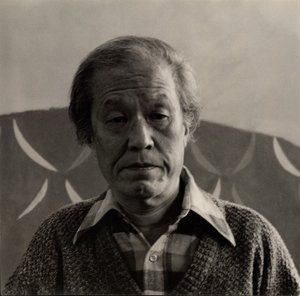
Yoo Youngkuk
1916 - 2002 , Etelä-Korea
Pähkinänkuoressa
- Artistic Movement Or Style: Abstrakti taide
- Artists Or Movements Influenced By This Artist:
- Konstruktivismi
- Suprematism
- Artists Who Influenced This Artist:
- Murai Masanari
- Hasegawa Saburo
- Date Of Birth: 1916
- Date Of Death: 2002
- Full Name: Yoo Youngkuk
- Nationality: Korean
- Notable Artworks:
- Vuori
- Työ
- Place Of Birth: Uljin, Etelä-Korea
Aiheeseen liittyvät artikkelit

Geometrisen abstraktion mestariteokset: Taidetta kotiin OriginalUniqueArtilta
Tutustu geometrisen abstraktion 10 mestariteokseen! Piet Mondrian, Kandinsky ja muut taiteilijat muovasivat modernin taiteen historiaa. Löydä inspiraatiota kotiisi OriginalUniqueArtilta – laadukkaat taideprintit ja sisustusehdotukset odottavat. Tutki kokoelma verkossa!

Abstraktin ekspressionismin mestariteokset: Taidetta ja inspiraatiota kotiisi
Tutustu abstraktin ekspressionismin 10 mestariteokseen! Jackson Pollock, Mark Rothko ja muut taiteilijat inspiroivat tunteellisuudellaan. Löydä upeita taidemaalauksia kotiisi OriginalUniqueArt.comista – museolaatuista laatua ja sisustusehdotuksia.

Wassily Kandinskin 25 mestariteosta: Värien ja muodon syvä maailma | OriginalUniqueArt
Tutustu Wassily Kandinskin 25 vaikuttavinta teosta! Uppoudu abstraktin taiteen maailmaan, värien symboliikkaan ja modernin ekspressionismin historiaan. Löydä inspiraatiota kodin sisustukseen OriginalUniqueArt.com:ista – laadukkaat taideprintit ja reproduktiot.

Neo-Abstract Art: The High-Impact Evolution of Modern Visual Energy and Geometric Sophistication
Discover the power of Neo-Abstract art. Explore how bold geometric forms and high-impact visual energy are redefining modern design. Learn to curate sophisticated, high-energy spaces with the latest trends in contemporary abstraction and structural color.

Beyond Form & Color: Geometric Abstraction's Evolution in 20th/21st Century Art
Explore the evolution of geometric abstraction from Cubism to contemporary art. Discover key artists like Malevich & Mondrian, investment insights, and expert collecting advice at OriginalUniqueArt.