Katso seinällä
 Lähetä
 Jaa
Jaa
 Tarkemmat tiedot
 Opas
Opas

 Lataa kuva
 Samanlaisia kohteita
 Röntgenkuvaus
 Diaesitys
 Tilastot
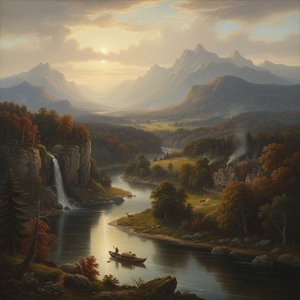
Village by the River
 Acrylic
- WallArt
- Hudson River School
 65.0cm x 99.0cm
 Lue lisää
Käsinmaalattu öljyvärinen jäljennös
Käsinmaalattu öljyväri kankaalle haluamassasi koossa ja kehyksissä, taiteilijoidemme valmistamana tilauksesta. ( Vaihda tulosteeseen Siirry digitaaliseen kuvaan)




P118B $10

P118H $10

P118W $10

P438Z $10

P508JH $12

P508YH $12

P805H $10

P805Z $10

P919BZ $10

P919G $10

P919XJ $10

P959ZH $10

P968JZ $12

W106C $8

W218G $10

W218JH $8

W218Y $10

W307PJ $10

W316G $10

W316PJ $8

W316Y $10

W398PJ $8

W4111J $10

W500HY $15

W500JH $15

W692G $12

W849H $8

W940BG $15

W953PJ $8




Valitse valmiista mitoistamme sellaiset, jotka vastaavat teoksen alkuperäisiä mittasuhteita.

Voit syöttää omat mitat sopimaan tiettyyn kehykseen tai tilaan. Jos valitsemasi koko ei vastaa alkuperäisen kuvan mittasuhteita, rajaamme taideteoksen tai jatkamme maalausta käsin maalatuilla elementeillä. Digitaalinen esikatselu lähetetään hyväksyttäväksi ennen tuotannon aloittamista.
Huomioithan, että näytöllä oleva esikatselu ei vastaa todellista rajausta tai jatkamista. Vain digitaalinen mallikuva näyttää lopullisen sommittelun tarkasti.
Vaikka mittatilaustyöt ovat mahdollisia, suosittelemme valitsemaan mitan ennalta määritetystä listasta alkuperäisten mittasuhteiden säilyttämiseksi.
Tilauksen jälkeen OriginalUniqueArt.com -tiimi lähettää asiakkaalle sähköpostitse ohjeet ja esikatselukuvan.
Maailmanlaajuinen toimitus () 3–4 viikossa tavallisen 5 viikon sijaan. (25 syyskuu). Laadusta ei tingitä.

Ilmainen pikatoimitus ympäri maailman

Korkealaatuinen pellavakangas

Kattava kuljetusvakuutus

Tulliveron palautustakuu

Takuu täydellisestä värien vastaavuudesta

100 päivän palautusoikeus valmistusvirhetapauksissa

100% rahat takaisin -takuu

Määräalennus saatavilla
 Lasivaihtoehto on saatavilla vain alle 110 cm kokoisille teoksille

Village by the River
Reproduktiotapa
Replikaatin koko
-


Kokonaishinta
$ 300
A Window into American Pastoral: Winslow Homer’s “Village by the River”
Winslow Homer's "Village by the River," painted sometime around 1894, isn’t merely a picturesque depiction of rural life; it’s a cornerstone of the Hudson River School movement and embodies its core tenets – an unwavering commitment to realism combined with a profound appreciation for the grandeur and tranquility of the American landscape. Homer's formative years weren’t spent in formal art academies but rather honed his observational skills through commercial illustration, specifically for Harper’s Weekly, where he meticulously captured scenes of everyday life with remarkable accuracy. This early experience instilled within him an unparalleled ability to translate visual impressions onto canvas, a skill that would define his artistic legacy.- Subject Matter: The painting transports viewers to a tranquil riverside village, populated by boats laden with goods and figures engaged in simple activities – fishermen hauling nets, children playing near the water’s edge, and families enjoying the afternoon sun. Homer eschews grand narratives or mythological allegories, focusing instead on capturing the palpable atmosphere of a commonplace place.
- Style & Technique: Executed primarily in watercolor, “Village by the River” exemplifies the Hudson River School's signature style. Homer employed loose brushstrokes and subtle gradations of color to achieve an ethereal quality, mimicking the diffused light characteristic of riverside environments. The artist’s masterful blending technique creates a luminous surface that captures the shimmering reflections on the water and imbues the scene with a sense of serenity.
Historical Context & Artistic Influences
The Hudson River School flourished in the latter half of the 19th century, responding to the burgeoning industrial revolution and seeking solace in the unspoiled beauty of America’s wilderness. Artists like Homer drew inspiration from Romantic ideals – a fascination with sublime landscapes and an emphasis on emotion—but tempered them with scientific observation. Homer's meticulous attention to detail reflects this intellectual curiosity, mirroring the broader movement’s desire to represent nature accurately while simultaneously conveying its spiritual significance. The painting speaks to a time when artists wrestled with questions of identity and purpose amidst rapid societal change, reaffirming the importance of connection to the natural world.Symbolism & Emotional Resonance
Beyond its visual splendor, “Village by the River” resonates deeply with themes of community, resilience, and harmony with nature. The boats symbolize prosperity and trade, yet they are dwarfed by the expansive river—a powerful emblem of both physical boundaries and spiritual aspiration. Homer’s depiction of ordinary people embodies the Hudson River School's belief in the dignity of rural life and its capacity to inspire contemplation. The painting evokes a feeling of peaceful contentment, inviting viewers to pause and appreciate the simple joys of existence – a sentiment that continues to captivate audiences today.Bringing Homer’s Vision Home
A high-quality reproduction of “Village by the River” offers an exceptional opportunity to infuse your interior space with the spirit of American landscape painting. OriginalUniqueArt.com presents meticulously crafted reproductions that faithfully capture Homer's luminous watercolor technique and evocative composition, allowing you to experience the beauty and tranquility of this iconic masterpiece wherever you reside. Explore similar artworks like “Indian Village, Adirondacks” and “An Adirondack Lake” for further inspiration!Taiteilijan elämäkerta
A Brush with the American Spirit: The Life and Art of Winslow Homer
Winslow Homer, born in Boston in 1836, wasn’t sculpted by the traditional European art academies that shaped so many of his contemporaries. Instead, he emerged from a distinctly American experience, one rooted in practicality and observation. His journey began not with grand historical canvases, but as a commercial illustrator at the tender age of twelve for Harper's Weekly. This early apprenticeship was formative, honing an exceptional ability to capture scenes with clarity and detail – skills that would become hallmarks of his mature work. He wasn’t learning perspective in Paris; he was learning to *see* America, its people, and its unfolding story. The bustling streets of Boston, the quiet dignity of rural New England life, these were his first subjects, rendered with a precision born of necessity for the demands of print media. This foundation allowed him to transition into painting, initially in watercolor, before fully embracing the expressive potential of oil paints.From Pastoral Scenes to the Raw Power of Nature
Homer’s early paintings often depicted idyllic scenes – children playing, farmers tending their fields, quiet moments of domesticity. These works, while charming, hinted at a deeper artistic sensibility waiting to be unleashed. The catalyst for this transformation was undoubtedly the Civil War. As a war correspondent for Harper's Weekly, Homer witnessed firsthand the brutal realities of conflict. He didn’t focus on heroic battles or grand strategies; instead, he documented the everyday lives of soldiers and civilians, the quiet moments of grief and resilience amidst chaos. This experience profoundly altered his artistic vision. The pastoral scenes gave way to more challenging subjects: veterans grappling with trauma, freed slaves navigating a new world, and the stark beauty of landscapes touched by hardship. He began to explore themes of struggle, isolation, and humanity’s precar He wasn't interested in imitating European styles; he wanted to create an art that was uniquely American, reflecting its landscapes, its people, and its challenges. His style also evolved, becoming bolder and more direct, reflecting the raw emotional impact of what he had witnessed. Breezing Up (A Fair Wind), painted in 1876, exemplifies this skill – a quintessential depiction of American maritime life, brimming with energy and movement. The Gulf Stream, created decades later, is perhaps his most iconic work, a powerful and symbolic portrayal of a lone man battling the forces of nature, a metaphor for human struggle against overwhelming odds. He possessed an extraordinary ability to capture light, whether it was the dazzling glare of the sun on the ocean or the soft glow of twilight over a rural landscape. This mastery extended to his watercolors, where he achieved remarkable atmospheric effects through vibrant colors and delicate washes. Innocence, a poignant portrayal of childhood set against the backdrop of nature, and **Man of Science** are testaments to this commitment. His influence can be seen in the work of later American painters who sought to depict their own country with similar directness and emotional depth.Mastering Light, Texture, and the American Landscape
Winslow Homer's artistic technique is immediately recognizable for its solidity and texture. He wasn’t interested in fleeting impressions; he wanted to build up a sense of tangible reality on the canvas. His oil paintings are characterized by a direct painting approach – layers of paint applied with confidence, creating depth and luminosity. He wasn’t simply painting what he saw; he was conveying a feeling, an emotional truth about the human condition. His unwavering dedication to capturing the essence of American life—from the serene beauty of coastal vistas to the harrowing realities of wartime—established him as one of the foremost painters of 19th-century America and cemented his legacy as a pioneer of American Realism.A Lasting Impression: Homer’s Historical Significance
Winslow Homer's art offers a profound window into 19th-century America, providing invaluable insights into the social, political, and cultural landscape of his time. His paintings are not merely beautiful representations; they are powerful statements about human resilience, the beauty and power of nature, and the complexities of the American experience. He died in 1910, leaving behind a prolific body of work that continues to resonate with audiences today. His ability to capture the essence of a nation undergoing rapid change – from the aftermath of civil war to the dawn of a new century – ensures his place as one of America’s most important and enduring artists. He wasn't just painting pictures; he was documenting a moment in time, preserving it for generations to come.- His work continues to inspire contemporary artists.
- Homer remains a pivotal figure in the development of American Realism.
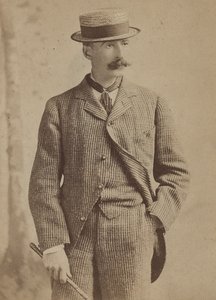
Winslow Homer
1836 - 1910 , Yhdysvallat
Tietoa taiteilijasta
- Artistic Movement Or Style: Amerikkalainen Realismi
- Artists Or Movements Influenced By This Artist: ['Amerikkalaiset maalarit']
- Artists Who Influenced This Artist:
- Barbizon koulun taideilijat
- Courbet
- Millet
- Date Of Birth: 24. helmikuuta 1836
- Date Of Death: 29. syyskuuta 1910
- Full Name: Winslow Homer
- Nationality: Amerikkalainen
- Notable Artworks:
- Breezing Up
- The Gulf Stream
- Innocence
- Place Of Birth: Boston, USA
Aiheeseen liittyvät artikkelit
Robert Spencer: Luminism, Narrative & the American Landscape Tradition
Explore the captivating world of Luminism & the Hudson River School with our expert analysis. Discover the history, artists, and enduring beauty of 19th-century American landscape painting. Find museum-quality reproductions at OriginalUniqueArt.

The Sublime Landscape: Exploring the Hudson River School Movement
Explore the captivating world of the Hudson River School! Discover the history, artists, and defining characteristics of this iconic American art movement. Learn about Romanticism's influence & find inspiration for your collection.
Capturing the American Spirit: A Journey Through Iconic Landscapes and the Legacy of the Hudson River School
Explore the profound beauty of American art history. From the Hudson River School to iconic landscapes, discover a curated journey through the masterpieces that defined a nation's spirit and the enduring legacy of American Romanticism.

10 Vesivärimaalausta, Jotka Muuttivat Taiteen – Inspiroi Sisustuksesi OriginalUniqueArtilla
Tutustu 10 legendaariseen vesivärimaalaukseen, jotka muuttivat taiteen historiaa! Inspiroiva tarina Turnerista Monetiin. Löydä upeita akvarelleja ja sisustusideoita OriginalUniqueArtilla. Tutki kokoelma verkossa!

Hudson River School - 10 mestariteosta, jotka määrittelivät amerikkalaisen maisemamaalauksen
Tutustu Hudson River School -liikkeen 10 mestariteokseen! Thomas Cole, Frederic Church ja Albert Bierstadt loivat upeita maisemamaalauksia. Löydä amerikkalaisen taiteen historiaa ja inspiroi sisustusta museolaatuisilla reproduktioilla OriginalUniqueArt.comista.