Tekstin koko

() ·

Sinulle käsin tehty maalaus

Dressing for the Carnival

Käsinmaalattu öljyvärinen jäljennös

Käsinmaalattu öljyväri kankaalle haluamassasi koossa ja kehyksissä, taiteilijoidemme valmistamana tilauksesta. ( Vaihda tulosteeseen Siirry digitaaliseen kuvaan)

Keräilykohteen kuvaus

Winslow Homer's "Dressing for the Carnival" captures a poignant scene of African American preparation for a Fourth of July celebration, blending cultural traditions and reflecting post-Reconstruction America.

Taiteilijan elämäkerta

Winslow Homerin upea "Auringonlasku tulessa" -maalaus vangitsee meren ja taivaan värikkään loistavuuden. Tutustu realistiseen tyyliin ja Homerin tunnetun teoksen kauneuteen!

alkaen ·

Luku 1

Kuinka suuren sen tulisi olla?

Vedä liukusäädintä vaihtaaksesi kokoa; vasemmalla oleva kuva näyttää kehyksen todellisen leveyden. Alkuperäiset mittasuhteet säilyvät.

Vakiokoko
räätälöity
CM
INCH

Valitse valmiista mitoistamme sellaiset, jotka vastaavat teoksen alkuperäisiä mittasuhteita.

leveys
korkeus

Kirjoita tarvitsemasi leveys ja korkeus, jotta teos sopii kehyksiisi tai seinällesi. Koska kyseessä on käsinmaalattu teos, taiteilija voi maalata hieman enemmän kuvan ympärille tai rajata sitä hieman, jos haluat eri muotoisen koon — valinta on sinun. Lähetämme sinulle digitaalisen mallikuvan hyväksyttäväksi ennen kuin maalaus alkaa. Tällä sivulla näkyvä kuva ei vastaa lopullista tulosta — vain mallikuva näyttää sen.

Luku 2

Miten teoksen tulisi saapua?

Valitse kangaspinnan reunat

Valitse kehys

Corner sample of the WhiteWrap canvas edge finish, stretched on massiivipuu bars
Valkoinen reuna €1
Corner sample of the BlurSideWrap canvas edge finish, stretched on massiivipuu bars
pehmennetty reuna €1
Corner sample of the ExtendedWrap canvas edge finish, stretched on massiivipuu bars
Jatkuva reuna €1
Corner sample of the P118B picture frame: valettu polystyreeni, 5 cm wide and 3 cm thick
P118B €10
Corner sample of the P118H picture frame: valettu polystyreeni, 5 cm wide and 3 cm thick
P118H €10
Corner sample of the P118W picture frame: valettu polystyreeni, 5 cm wide and 3 cm thick
P118W €10
Corner sample of the P438Z picture frame: valettu polystyreeni, 5.5 cm wide and 3.5 cm thick
P438Z €10
Corner sample of the P508JH picture frame: valettu polystyreeni, 7 cm wide and 3.5 cm thick
P508JH €12
Corner sample of the P508YH picture frame: valettu polystyreeni, 7 cm wide and 3.5 cm thick
P508YH €12
Corner sample of the P805H picture frame: valettu polystyreeni, 5 cm wide and 3.5 cm thick
P805H €10
Corner sample of the P805Z picture frame: valettu polystyreeni, 5 cm wide and 3.5 cm thick
P805Z €10
Corner sample of the P919BZ picture frame: valettu polystyreeni, 7 cm wide and 3.5 cm thick
P919BZ €10
Corner sample of the P919G picture frame: valettu polystyreeni, 7 cm wide and 3.5 cm thick
P919G €10
Corner sample of the P919XJ picture frame: valettu polystyreeni, 7 cm wide and 3.5 cm thick
P919XJ €10
Corner sample of the P959ZH picture frame: valettu polystyreeni, 5 cm wide and 3 cm thick
P959ZH €10
Corner sample of the P968JZ picture frame: valettu polystyreeni, 6 cm wide and 4 cm thick
P968JZ €12
Corner sample of the W106C picture frame: massiivipuu, 5 cm wide and 3 cm thick
W106C €8
Corner sample of the W218G picture frame: massiivipuu, 5 cm wide and 3 cm thick
W218G €10
Corner sample of the W218JH picture frame: massiivipuu, 5 cm wide and 3 cm thick
W218JH €8
Corner sample of the W218Y picture frame: massiivipuu, 5 cm wide and 3 cm thick
W218Y €10
Corner sample of the W307PJ picture frame: massiivipuu, 6 cm wide and 3 cm thick
W307PJ €10
Corner sample of the W316G picture frame: massiivipuu, 6 cm wide and 3 cm thick
W316G €10
Corner sample of the W316PJ picture frame: massiivipuu, 6 cm wide and 3 cm thick
W316PJ €8
Corner sample of the W316Y picture frame: massiivipuu, 6 cm wide and 3 cm thick
W316Y €10
Corner sample of the W398PJ picture frame: massiivipuu, 5 cm wide and 3 cm thick
W398PJ €8
Corner sample of the W4111J picture frame: massiivipuu, 6.5 cm wide and 3.5 cm thick
W4111J €10
Corner sample of the W500HY picture frame: massiivipuu, 7 cm wide and 5 cm thick
W500HY €15
Corner sample of the W500JH picture frame: massiivipuu, 7 cm wide and 5 cm thick
W500JH €15
Corner sample of the W692G picture frame: massiivipuu, 8 cm wide and 4 cm thick
W692G €12
Corner sample of the W849H picture frame: massiivipuu, 5 cm wide and 3 cm thick
W849H €8
Corner sample of the W940BG picture frame: massiivipuu, 7.5 cm wide and 4.5 cm thick
W940BG €15
Corner sample of the W953PJ picture frame: massiivipuu, 6 cm wide and 3.5 cm thick
W953PJ €8
Corner sample of the H24-GOLD picture frame: kaiverrettua puuta ja gessoa, 10 cm wide and 6 cm thick
H24-GOLD €30
Corner sample of the H24-SILVER picture frame: kaiverrettua puuta ja gessoa, 10 cm wide and 6 cm thick
H24-SILVER €30
Corner sample of the H36-GOLD picture frame: kaiverrettua puuta ja gessoa, 15 cm wide and 6.5 cm thick
H36-GOLD €45
Corner sample of the H36-SILVER picture frame: kaiverrettua puuta ja gessoa, 15 cm wide and 6.5 cm thick
H36-SILVER €45
Kehyksen esikatselu
Kehystetty

Kehystys: . Kokonaismitat kehyksen kanssa: .

Luku 3

Kuka sen maalaa, ja pitäisikö mitään muuttaa?

Esimerkkejä muutettavista asioista: Vaihda kasvot asiakkaan valokuvaan; Lisää lemmikki (esim. vaihda kissa koiraksi); Lisää piilotettu viesti taustalle; Vaihda taustan maisemaa tai elementtejä.

Tilauksen jälkeen OriginalUniqueArt.com -tiimi lähettää asiakkaalle sähköpostia ohjeita varten ja toimittaa luonnoksen esikatselun

Maailmanlaajuinen toimitus () 3–4 viikossa tavallisen 5 viikon sijaan. (8 marraskuu). Laadusta ei tingitä.

Luku 4

Viimeiset silaukset

Nimikyltti, kuten museossa?

Kaiverretun pronssilaatan tiedot

This elegant plaque features the artist's name and the title of the artwork, finely engraved for a timeless presentation.

It is made from bronze with a refined, elegant finish. The text is precisely laser-engraved for a sharp and permanent result. Measuring 9x2 cm, the plaque is compact yet easy to read. It's built to be durable and scratch-resistant, offering a professional, museum-quality look. Mounting is simple thanks to the included adhesive backing.

Läpinäkyvän akryylilaatan tiedot

The plaque includes essential engraved details such as the artist's name, the title of the artwork, the date it was created, the type of media used-like oil on canvas or watercolor-a brief description of the piece, and a QR code that links to the complete artwork information.

It is crafted from clear acrylic, offering a sleek, modern appearance. The text is UV-engraved in black to ensure strong visual contrast. With a size of 10x15 cm, it ensures optimal readability. It comes equipped with two metal hooks for secure wall mounting. The plaque is designed to be weather-resistant, making it suitable for various environments, and it includes interactive features that work seamlessly with smartphone scanning.

Mustan akryylilaatan tiedot

This elegant plaque includes engraved information such as the artist's name, the title of the artwork, the date it was created, the type of media used (like oil on canvas or watercolor), a short description of the artwork, and a QR code for quick access to more information.

The plaque itself is made from refined black acrylic with a premium finish. The text is laser-engraved in white for high contrast and readability. Its size is 10x15 cm, designed to be easy to read. It comes with two metal hooks for professional mounting. The design is sleek and fits any interior style. It is also weather-resistant and durable, with built-in digital integration for mobile compatibility.

Suojaava lakka?

Milloin tarvitset sen?

Luku 5

Maalauksesi juuri niin kuin tilasit

Dressing for the Carnival

Reproduktiotekniikka

Replikaatin koko

-

Kokenut huipputaiteilija

Lisää yksityiskohtia, hienostuneisuutta ja enemmän aikaa tuotantoon

-

Reproduktion kehystysvaihtoehdot

-

-

Teoksille tai reproduktioille, joiden mikä tahansa sivu on suurempi kuin 105 cm (noin 41 tuumaa), kehys toimitetaan osina purettuna sarjana. Tämä menetelmä varmistaa turvallisen toimituksen ja ehkäisee vaurioita kuljetuksen aikana.

Vaatii ammattimaista kokoamista – kyseessä ei ole tee-se-itse-tuote.
Sarja on koottava ja kangas kiristettävä kokeneen kehystysammattilaisen toimesta käyttäen puuliimaa (ei sisälly pakkaukseen), kangaspinnetteitä ja puristimia, jotta kehyksen kulmat pysyvät suorina liiman kuivuessa. Virheellinen kokoaminen tai epätasainen kankaan kiristys voi vaurioittaa teosta pysyvästi, eikä tällaiset vauriot ala takuun piiriin.

  • Kaikki massiivipuupalat sisältyvät, tarkasti mittojen mukaan leikattuina.

  • Kootaan mukana tulevilla ruuveilla sekä kulmaliitoksia varten tarvittavalla puuliimalla, jota ei toimiteta, joten se on hankittava kehystäjältä.

  • Vaatii ammattilaisvälineitä, jotka eivät sisälly pakkaukseen: kankaan venytyspihdit (kiristin) ja puristimet, joilla pidetään kehyksen puut suorassa liiman kuivuessa.

Tärkeää:
Kulmaliitoksissa tarvitaan puuliimaa, kehyksien osat on pidettävä puristimilla, kunnes liima on täysin kuivunut, ja koottuun kehykseen jännitettävän kankaan kiristämiseen tarvitaan kangaspenssipihti. Mikään näistä ei sisälly pakkaukseen. Suosittelemme varmistamaan kokeneen kehystäjän saatavuuden ennen tämän kokoisen kehyksen tilaamista.

Nimilaatta

-

-

Suojalakkaus

Kiiltävä lakka (syventää värejä, suojaa valolta ja kosteudelta)

-

Mukauta taideteokseni

Esimerkkejä muokattavista asioista: Vaihda kasvot asiakkaan omaan valokuvaan; Lisää lemmikki (esim. vaihda kissa koiraan); Lisää taustalle piilotettu viesti; Muuta taustan maisemaa tai elementtejä.

-

Pikatoimitus

Maailmanlaajuinen toimitus () 3–4 viikossa tavallisen 5 viikon sijaan. (8 marraskuu). Laadusta ei tingitä.

-

Pikatoimitus

Maailmanlaajuinen toimitus () 5 viikon kuluessa. (15 marraskuu).

Sisältyy hintaan

Kokonaishinta

€ 268

Kokonaishinta € 268

Lasivaihtoehto on saatavilla vain alle 110 cm kokoisille teoksille

Sisältyy jokaiseen tilaukseen

  • Ilmainen pikatoimitus ympäri maailman
  • Korkealaatuinen pellavakangas
  • Kattava kuljetusvakuutus
  • Tulliveron palautustakuu
  • Takuu täydellisestä värien vastaavuudesta
  • 100 päivän palautusoikeus (vain valmistusvirheet)
  • 100% rahat takaisin -takuu
  • Määräalennus tarjolla

A Moment of Transition: Winslow Homer’s “Dressing for the Carnival”

Winslow Homer's "Dressing for the Carnival," painted in 1877, isn’t merely a depiction of a festive gathering; it’s a poignant meditation on cultural displacement and the evolving spirit of America. This oil painting, measuring just over a foot square, immediately draws the viewer into a scene brimming with quiet anticipation – a snapshot frozen in time as a group prepares to celebrate the Fourth of July. Homer masterfully captures not the boisterous revelry often associated with such events, but rather a moment of focused preparation, imbued with a subtle undercurrent of melancholy and transformation.

The painting’s central figure is a man being adorned in elaborate costume – a Harlequin-like character reminiscent of European comic theater. Notice the deliberate layering of fabrics: strips of vibrant yellow, red, and blue are meticulously sewn onto his attire, drawing directly from African ceremonial dress and the traditions of Jonkonnu, a Caribbean festival celebrated by enslaved people in Virginia and North Carolina. This blending of influences is crucial to understanding Homer’s intent; he isn't simply portraying a party; he’s illustrating how elements of African culture were being integrated – sometimes awkwardly, sometimes with a sense of loss – into the burgeoning American identity following emancipation.

Realism in Detail: Technique and Composition

Homer’s signature Realist style is powerfully evident here. He eschews romanticized depictions, opting instead for an almost photographic level of detail. The textures of the fabrics—the rough weave of burlap, the delicate folds of silk—are rendered with astonishing accuracy. The artist's use of light and shadow creates a sense of depth and immediacy, pulling us into the scene as if we are witnesses to this intimate ritual. Observe how he subtly emphasizes the faces of the women involved in the dressing process – their expressions conveying both concentration and a quiet awareness of the historical context.

The composition itself is carefully orchestrated. The arrangement of figures—some clustered closely, others positioned further back—creates a dynamic sense of movement and interaction. A horse stands patiently in the background, adding to the lively atmosphere without dominating the scene. Homer’s strategic use of space directs our eye towards the central figure, reinforcing his importance within the narrative. The limited palette – dominated by earthy tones punctuated by bursts of color – further enhances the painting's visual impact.

Historical Context and Symbolic Weight

“Dressing for the Carnival” was originally titled “Sketch–4th of July in Virginia,” reflecting its origins during Homer’s time as an artist-correspondent documenting life in the South following the Civil War. This period was marked by profound social upheaval and a complex negotiation between Reconstruction ideals and the realities of racial inequality. The painting's creation coincided with a brief period of legal rights for African Americans, but also with widespread discrimination and violence. The inclusion of elements from Jonkonnu—a tradition rooted in African cultural heritage—highlights the displacement experienced by formerly enslaved people as they sought to maintain their traditions within a rapidly changing society.

Consider the symbolism of the Liberty Cap adorning the Harlequin figure’s head – a potent emblem of freedom and revolution. Yet, juxtaposed with the preparation for a celebratory event, it subtly suggests the ongoing struggle for true liberation. The painting isn't simply celebrating a holiday; it’s quietly acknowledging the complexities and contradictions inherent in America’s journey towards equality.

A Legacy of Observation: Relevance Today

“Dressing for the Carnival” remains remarkably relevant today, serving as a powerful reminder of the importance of cultural exchange and the enduring impact of historical events. Homer's ability to capture the essence of everyday life—and to imbue it with profound social commentary—continues to resonate with contemporary artists. The painting’s exploration of identity, displacement, and the blending of traditions offers valuable insights into our own increasingly diverse and interconnected world. It is a testament to Homer’s genius that this seemingly simple scene holds such depth and significance.

Kysymykset ja vastaukset

Mitä tunnetta American Realism-tyylisuunnan teos "Dressing for the Carnival" välittää?

"Dressing for the Carnival" teoksen Melancholic tunnelma kulkee käsi kädessä sen American Realism tyylin kanssa.

Mihin tarkoitukseen ja mihin tilaan "Dressing for the Carnival" suositellaan?

"Dressing for the Carnival" sopii erinomaisesti Statement-käyttöön, ja suositeltu tila teokselle on Living Room.

Onko teoksesta "Dressing for the Carnival" saatavilla korkearesoluutioinen lataus?

"Dressing for the Carnival" on saatavilla muodossa korkearesoluutioinen digitaalinen kuvalataus, ja sen voi ostaa suoraan sivulta Digitaalinen teos.

Lisää tästä teoksesta

Esikatselu Esikatsele AR-tilassa Vaihda tulosteeseen Siirry digitaaliseen kuvaan Jaa teos
Tiedot Opas Lisää suosikkeihin Lataa kuva Samanlaisia kohteita Röntgenkuvaus Diaesitys Kysymykset ja vastaukset Tilastot

Lukuina

  • 1877teosvuosi
  • 29valittavissa olevat kehykset
  • standardikoot, omissa mittasuhteissaan
  • 5viikkoja maalaamiseen ja toimitukseen
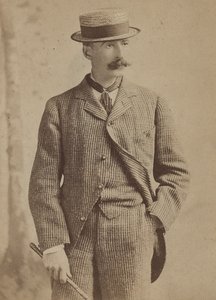
Winslow Homer

Winslow Homer

1836 - 1910, Yhdysvallat

Pikaaakkaukset taiteilijasta Winslow Homer

  • Artistic Movement Or Style: Amerikkalainen Realismi
  • Artists Or Movements Influenced By This Artist: ['Amerikkalaiset maalarit']
  • Artists Who Influenced This Artist:
    • Barbizon koulun taideilijat
    • Courbet
    • Millet
  • Date Of Birth: 24. helmikuuta 1836
  • Date Of Death: 29. syyskuuta 1910
  • Full Name: Winslow Homer
  • Nationality: Amerikkalainen
  • Notable Artworks:
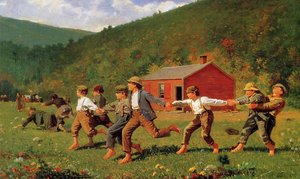
    • Breezing Up
    • The Gulf Stream
    • Innocence
  • Place Of Birth: Boston, USA

Taiteilijan elämäkerta

A Brush with the American Spirit: The Life and Art of Winslow Homer

Winslow Homer, born in Boston in 1836, wasn’t sculpted by the traditional European art academies that shaped so many of his contemporaries. Instead, he emerged from a distinctly American experience, one rooted in practicality and observation. His journey began not with grand historical canvases, but as a commercial illustrator at the tender age of twelve for Harper's Weekly. This early apprenticeship was formative, honing an exceptional ability to capture scenes with clarity and detail – skills that would become hallmarks of his mature work. He wasn’t learning perspective in Paris; he was learning to *see* America, its people, and its unfolding story. The bustling streets of Boston, the quiet dignity of rural New England life, these were his first subjects, rendered with a precision born of necessity for the demands of print media. This foundation allowed him to transition into painting, initially in watercolor, before fully embracing the expressive potential of oil paints.

From Pastoral Scenes to the Raw Power of Nature

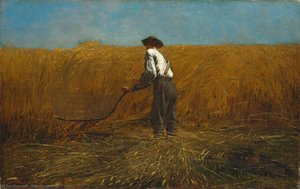
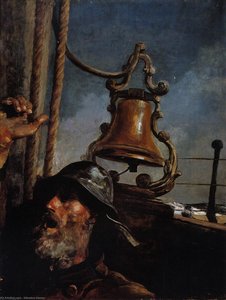
Homer’s early paintings often depicted idyllic scenes – children playing, farmers tending their fields, quiet moments of domesticity. These works, while charming, hinted at a deeper artistic sensibility waiting to be unleashed. The catalyst for this transformation was undoubtedly the Civil War. As a war correspondent for Harper's Weekly, Homer witnessed firsthand the brutal realities of conflict. He didn’t focus on heroic battles or grand strategies; instead, he documented the everyday lives of soldiers and civilians, the quiet moments of grief and resilience amidst chaos. This experience profoundly altered his artistic vision. The pastoral scenes gave way to more challenging subjects: veterans grappling with trauma, freed slaves navigating a new world, and the stark beauty of landscapes touched by hardship. He began to explore themes of struggle, isolation, and humanity’s precar He wasn't interested in imitating European styles; he wanted to create an art that was uniquely American, reflecting its landscapes, its people, and its challenges. His style also evolved, becoming bolder and more direct, reflecting the raw emotional impact of what he had witnessed. Breezing Up (A Fair Wind), painted in 1876, exemplifies this skill – a quintessential depiction of American maritime life, brimming with energy and movement. The Gulf Stream, created decades later, is perhaps his most iconic work, a powerful and symbolic portrayal of a lone man battling the forces of nature, a metaphor for human struggle against overwhelming odds. He possessed an extraordinary ability to capture light, whether it was the dazzling glare of the sun on the ocean or the soft glow of twilight over a rural landscape. This mastery extended to his watercolors, where he achieved remarkable atmospheric effects through vibrant colors and delicate washes. Innocence, a poignant portrayal of childhood set against the backdrop of nature, and **Man of Science** are testaments to this commitment. His influence can be seen in the work of later American painters who sought to depict their own country with similar directness and emotional depth.

Mastering Light, Texture, and the American Landscape

Winslow Homer's artistic technique is immediately recognizable for its solidity and texture. He wasn’t interested in fleeting impressions; he wanted to build up a sense of tangible reality on the canvas. His oil paintings are characterized by a direct painting approach – layers of paint applied with confidence, creating depth and luminosity. He wasn’t simply painting what he saw; he was conveying a feeling, an emotional truth about the human condition. His unwavering dedication to capturing the essence of American life—from the serene beauty of coastal vistas to the harrowing realities of wartime—established him as one of the foremost painters of 19th-century America and cemented his legacy as a pioneer of American Realism.

A Lasting Impression: Homer’s Historical Significance

Winslow Homer's art offers a profound window into 19th-century America, providing invaluable insights into the social, political, and cultural landscape of his time. His paintings are not merely beautiful representations; they are powerful statements about human resilience, the beauty and power of nature, and the complexities of the American experience. He died in 1910, leaving behind a prolific body of work that continues to resonate with audiences today. His ability to capture the essence of a nation undergoing rapid change – from the aftermath of civil war to the dawn of a new century – ensures his place as one of America’s most important and enduring artists. He wasn't just painting pictures; he was documenting a moment in time, preserving it for generations to come.
  • His work continues to inspire contemporary artists.
  • Homer remains a pivotal figure in the development of American Realism.

Pikaista tietoa

  • Year: 1877
  • Artistic style: Realism
  • Artist: Winslow Homer
  • Title: Dressing for the Carnival
  • Subject or theme: Celebration, culture

Taidevisat

Jokaisessa kysymyksessä on vain yksi oikea vastaus.

Kysymys 1:
What is the primary subject depicted in Winslow Homer’s ‘Dressing for the Carnival’?
Kysymys 2:
The painting ‘Dressing for the Carnival’ was created during which historical period?
Kysymys 3:
What cultural influence is most evident in the clothing and accessories being sewn onto the figure in ‘Dressing for the Carnival’?
Kysymys 4:
According to the description, what is the overall atmosphere suggested by the composition of ‘Dressing for the Carnival’?
Kysymys 5:
What does the presence of a horse in the background of ‘Dressing for the Carnival’ contribute to the painting's overall mood?