
 Lähetä
 Jaa
Jaa
 Tarkemmat tiedot
 Opas
Opas

 Lataa kuva
 Samanlaisia kohteita
 Diaesitys
 Tilastot
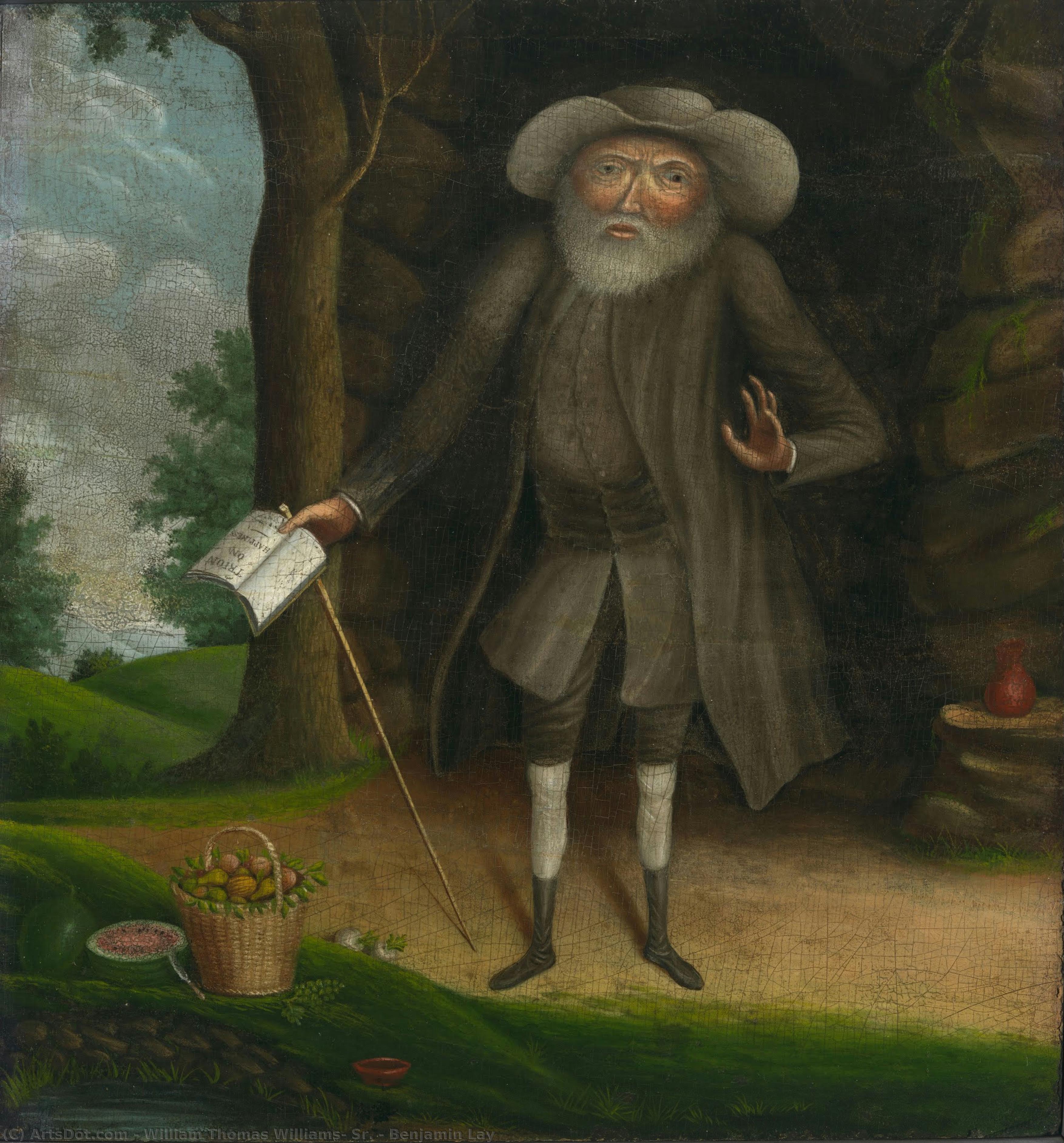
Benjamin Lay


 Lue lisää
Osta korkearesoluutioinen, parannettu digitaalikuva, joka on laadultaan huomattavasti parempi kuin verkkosivuston esikatselu.
Jokainen tiedosto valmistellaan huolellisesti omien asiantuntijoidemme toimesta käyttäen edistyneitä työkaluja ja ammattitaitoista manuaalista retusointia. Varmistamme, että jokaisessa kuvassa on poikkeuksellinen selkeys, tarkka värintoisto ja hienovaraiset yksityiskohdat.
Lopputiedosto toimitetaan sähköpostitse 72 tunnin kuluessa, ja se on optimoitu välittömään käyttöön ammattimaisissa, toimituksellisissa ja painoympäristöissä. Laatu on sama, johon huipputason suunnittelustudiot, kustantajat ja galleriat luottavat.
Digitaalinen kuva
Lataa korkearesoluutioinen tiedosto henkilökohtaiseen näyttelyyn, tulostamiseen ja luoviin projekteihin. ( Vaihda tulosteeseen Tilaa käsinmaalattu jäljennös)
Sisältyy jokaiseen digitaalisen kuvan tilaukseen
Asiantunteva digitaalinen toimitus, laatu taattu
Kun valitset OriginalUniqueArt.com-palvelun, et saa vain kuvaa – saat ammattimaisesti viimeistellyn digitaalisen taideteoksen, joka on luotu tarkkuudella ja jonka takaa tulee tyytyväisyystakuu. Tässä on kaikki, mitä tilauksesi sisältää, automaattisesti:

Nopea sähköpostitoimitus
Saat korkearesoluutioisen digitaalisen kuvatiedostosi sähköpostiisi 72 tunnin kuluessa tilauksesta – valmiina käytettäväksi välittömästi.

Tekoälyllä optimoitu digitaalinen tiedosto
Teoksesi on optimoitu ammattimaisesti edistyneiden tekoälytyökalujen ja manuaalisen jälkikäsittelyn avulla, mikä takaa maksimaalisen yksityiskohtaisuuden, selkeyden ja väritarkkuuden.

Ilmainen elinikäinen uudelleenlähetys
Oletko vahingossa poistanut tai kadottanut tiedostosi? Ei hätää – lähetämme sen sinulle uudelleen milloin tahansa täysin maksutta.

Ei tuontimaksuja – koskaan
Nauti taiteestasi välittömästi ilman tullimaksuja, veroja tai toimituskuluja – digitaaliset lataukset ovat aina verovapaita.

Värintoiston tarkkuustakuu
Varmistamme, että digitaalinen kuvasi vastaa alkuperäisiä värejä mahdollisimman tarkasti käyttämällä ammattilaistason työkaluja ja värinhallintaa.

100 päivän tyytyväisyystakuu
Jos et ole tyytyväinen digitaaliseen kuvaasi, muokkaamme sitä tai palautamme 100% hinnan 100 päivän kuluessa – kysymystä ei esitetä.

100% Rahat takaisin -takuu
Et ole tyytyväinen? Saat täyden hyvityksen 100 päivän kuluessa digitaalisen tiedostosi vastaanottamisesta – kysymystä ei esitetä.

Suurtilaaja-alennukset
Osta 3 kuvaa, säästä 10% - Osta 5, säästä 15% - Osta 10+, säästä 20%. Erinomainen valinta luoviin projekteihin, gallerioille ja toimistoille.
William Thomas Williams Sr.’s ‘Benjamin Lay’ – A Testament to Quaker Conviction
William Thomas Williams Sr.’s “Benjamin Lay” (1758) is more than just a portrait; it's a meticulously crafted visual narrative of moral conviction and quiet resistance. Painted during a turbulent period in American history, when the burgeoning antislavery movement wrestled with deeply ingrained societal norms, this work offers a poignant glimpse into the life of Benjamin Lay, a pivotal Quaker reformer who dedicated his existence to challenging the horrors of slavery. The painting’s power resides not just in its subject matter – Lay's unwavering commitment to abolition – but also in Williams’s masterful execution and the rich symbolism interwoven within the scene.
- Subject & Context: The portrait depicts Benjamin Lay, a man whose life was defined by his opposition to slavery. His story is inextricably linked to the Religious Society of Friends (Quakers), who at this time were grappling with the internal contradiction of their faith and participation in the slave trade. The inclusion of Thomas Tryon’s treatise on happiness underscores Lay's intellectual pursuits and his belief in a higher moral order, while Franklin’s publishing of Lay’s tract highlights the complex relationship between figures involved in both abolitionist and exploitative endeavors.
- Technical Skill: Williams, trained in Bristol, England, demonstrates a remarkable understanding of light and shadow, creating a sense of depth and realism within the relatively small canvas. The use of oil paint allows for rich textures and subtle gradations of color, particularly evident in Lay’s clothing and the weathered texture of his home.
A Composition Steeped in Symbolism
The scene itself is a carefully constructed tableau brimming with symbolic resonance. Lay stands before what appears to be a cave-like dwelling – a deliberate reference to his own humble existence, representing simplicity and spiritual retreat. The presence of the two bowls near the base of the painting could symbolize nourishment, both physical and spiritual, while the vase adds an element of decorative elegance, perhaps reflecting the Quaker emphasis on beauty and order. Most significantly, the apple in the lower-left corner is a potent symbol – a direct reference to the biblical story of Adam and Eve, suggesting that Lay’s struggle against slavery was a battle for humanity's redemption from original sin.
- The Newspaper/Book: The inclusion of a newspaper or book (likely Tryon’s treatise) speaks to Lay’s intellectual engagement with the issues of his time and his commitment to disseminating knowledge as a means of social change.
- The Tree: The tree in the background is a traditional symbol of strength, resilience, and connection to nature – qualities that align with Lay's Quaker beliefs.
Williams’s Artistic Legacy & Reproduction Value
William Thomas Williams Sr.’s “Benjamin Lay” stands as a significant work within the context of 18th-century American portraiture and, crucially, as a powerful statement on social justice. Born in Bristol in 1727, Williams's seafaring past undoubtedly informed his artistic vision, lending a sense of ruggedness and authenticity to his subjects. His association with Benjamin West and his role in establishing Philadelphia’s early theater scene further solidify his place within the city’s vibrant cultural landscape. A hand-painted reproduction of “Benjamin Lay” offers an unparalleled opportunity to own a piece of this compelling history, capturing not only Williams's technical skill but also the profound moral message embedded within the artwork. The detail and fidelity of a OriginalUniqueArt.com reproduction ensures that you experience the full emotional impact and symbolic richness of this remarkable portrait.
Kysymykset ja vastaukset
Mikä sijoittelu sopii teoksen William Thomas Williams, Sr.:n "Benjamin Lay" formaattiin?
Muoto (Square) ja suositeltu tila (Living Room) ovat kaksi teokselle William Thomas Williams, Sr.:n "Benjamin Lay" kirjattua sijoittelutietoa.
Mistä voin hankkia painoksen teoksesta William Thomas Williams, Sr.:n "Benjamin Lay"?
Voit tilata teoksen William Thomas Williams, Sr.:n "Benjamin Lay" painoksena suoraan sen Taidevedos -sivulta: taideteosvedos puuvillakangas- tai arkistoluokan kankaalle painettuna.
Miten voin hankkia teoksen William Thomas Williams, Sr.:n "Benjamin Lay" digitaalisen tiedoston?
Teoksen William Thomas Williams, Sr.:n "Benjamin Lay" digitaalisen kuvan voi ostaa sen Digitaalinen kuva -sivulta: korkearesoluutioinen digitaalinen kuvalataus.
Taiteilijan elämäkerta
early life and seafaring days
william thomas williams, sr., a prominent english-american painter and writer, was born in 1727 in bristol, england. his formative years were spent in caerphilly, wales, where he developed a profound connection with the sea. it is believed that williams was a seafarer during his early life, which significantly influenced his later artistic pursuits.artistic career and notable works
williams's artistic career is marked by his unique blend of maritime experiences and literary inclinations. he penned the journal of llewellin penrose, seaman, often regarded as the first american novel. although the book was not published until 1815, its original text wasn't released until 1969.philadelphia and artistic legacy
in 1747, williams settled in philadelphia, where he played a pivotal role in establishing america's first theater. his art studio, the sign of hogarth's head, became a hub for artistic innovation, with notable students including a young benjamin west.artistic style and influences
williams's work is characterized by its eclectic mix of english and american influences, reflecting his seafaring background and literary inclinations. his style, though not widely documented, is believed to have been shaped by the then-prevailing artistic vogue for true travel tales.legacy and remembrance
williams passed away in philadelphia in 1791, leaving behind a legacy that, although not immediately recognized, has contributed significantly to american art history. his story serves as a testament to the transatlantic influences that have shaped the art world.- explore william thomas williams, sr.'s artworks on OriginalUniqueArt
- discover the english school of painting on wikipedia
- visit the museum university of bristol theatre collection to delve into the world of theatre and performance, which williams was a part of.
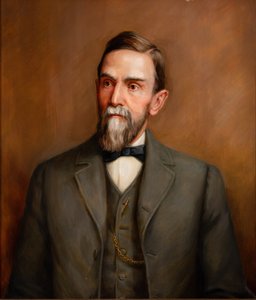
William Thomas Williams, Sr.
1727 - 1791 , United Kingdom
Pähkinänkuoressa
- Full Name: Thomas Gainsborough
- Nationality: British
- Date Of Birth: 1727
- Date Of Death: 1791
- Place Of Birth: Bristol, United Kingdom
- Notable Artworks:
- Mr and Mrs Andrews
- The Blue Boy
- Morning Walk
- Artistic Movement Or Style: Picturesque, Landscape
- Artists Who Influenced This Artist: ['Hubert Gravelot']
- Artists Or Movements Influenced By This Artist: ['Watteau']