
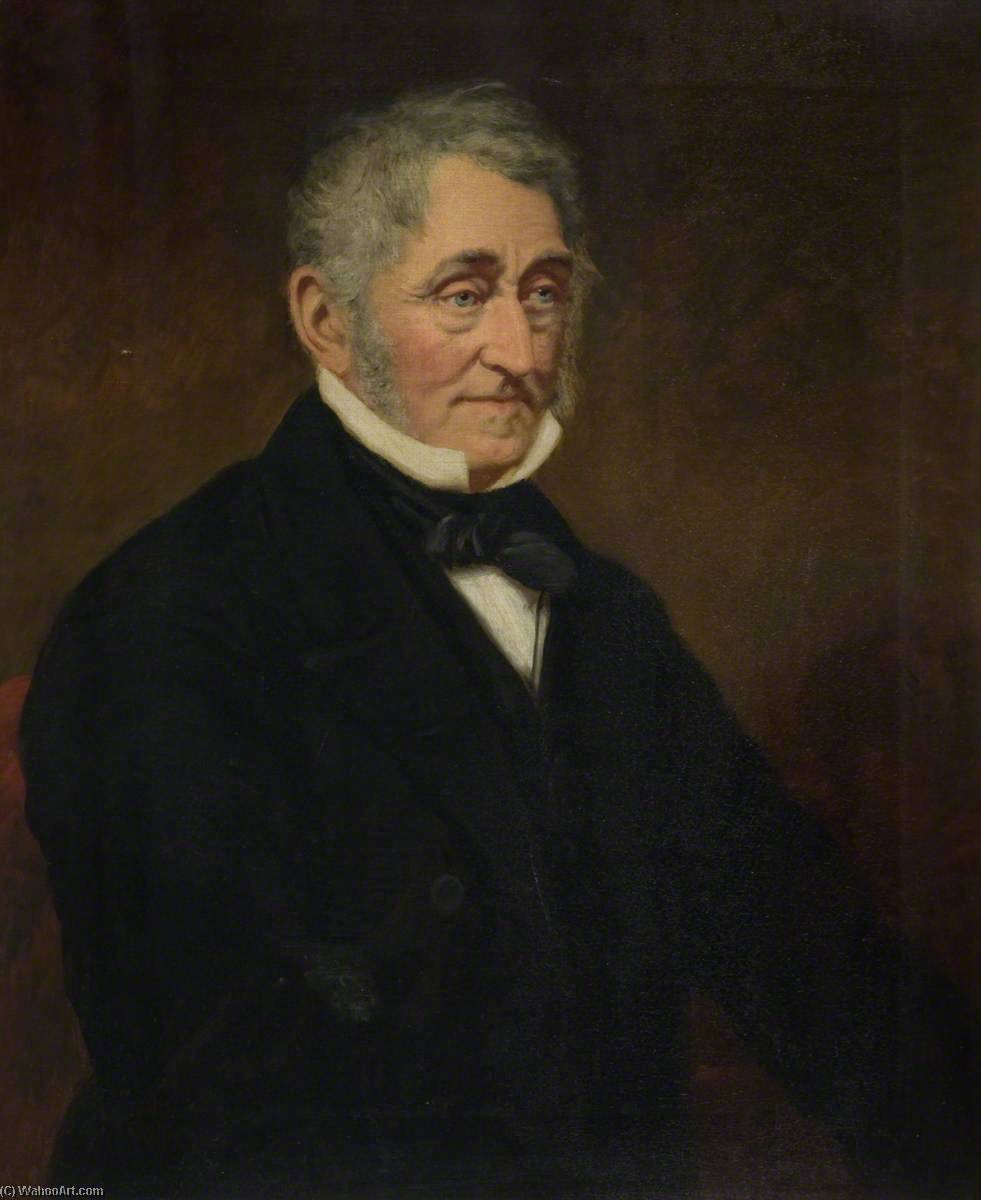
 Esikatselu
 Jaa
Jaa Jaa
Jaa
 Tarkemmat tiedot

 Lataa
Lataa
 Samanlaisia
 Röntgenkuva
 Diaesitys
George Vertue
 Contemporary Realism
 75.0 x 62.0 cm
 Nhs Lothian
 Näytä lisää
Osta korkearesoluutioinen, parannettu digitaalikuva, joka on laadultaan huomattavasti parempi kuin verkkosivuston esikatselu.
Jokainen tiedosto valmistellaan huolellisesti omien asiantuntijoidemme toimesta käyttäen edistyneitä työkaluja ja ammattitaitoista manuaalista retusointia. Varmistamme, että jokaisessa kuvassa on poikkeuksellinen selkeys, tarkka värintoisto ja hienovaraiset yksityiskohdat.
Lopputiedosto toimitetaan sähköpostitse 72 tunnin kuluessa, ja se on optimoitu välittömään käyttöön ammattimaisissa, toimituksellisissa ja painoympäristöissä. Laatu on sama, johon huipputason suunnittelustudiot, kustantajat ja galleriat luottavat.
Digitaalinen kuva
Lataa korkearesoluutioinen tiedosto henkilökohtaiseen näyttelyyn, tulostamiseen ja luoviin projekteihin. ( Osta printti Osta käsintehty maalaus)
Sisältyy jokaiseen digitaalisen kuvan tilaukseen
Asiantunteva digitaalinen toimitus, taattuun laatuun
Kun valitset OriginalUniqueArt.com-palvelun, et saa vain kuvaa – saat ammattimaisesti parannetun digitaalisen taideteoksen, joka on luotu tarkkuudella ja jonka takaa tulee tyytyväisyystakuu. Tässä on kaikki, mitä tilauksesi sisältää, automaattisesti:

Nopea digitaalinen toimitus
Korkearesoluutioinen digitaalinen kuvatiedostosi lähetetään sähköpostiisi 72 tunnin kuluessa tilauksesta – valmiina käytettäväksi välittömästi.

Tekoälyllä parannettu digitaalinen tiedosto
Taiteilijasi teos on optimoitu ammattimaisesti edistyneiden tekoälytyökalujen ja manuaalisen muokkauksen avulla, mikä takaa maksimaalisen yksityiskohtaisuuden, selkeyden ja väritarkkuuden.

Ilmainen elinikäinen uudelleenlähetyspalvelu
Oletko vahingossa poistanut tai kadottanut tiedostosi? Ei hätää – lähetämme sen sinulle uudelleen milloin tahansa täysin maksutta.

Ei tuontimaksuja – koskaan
Nauti taiteestasi välittömästi ilman tulleja, veroja tai toimitusmaksuja – digitaaliset lataukset ovat aina verovapaita.

Värintoiston tarkkuustakuu
Varmistamme, että digitaalinen kuvasi vastaa alkuperäisiä värejä mahdollisimman tarkasti käyttämällä ammattilaistason työkaluja ja värinhallintaa.

60 päivän tyytyväisyystakuu
Jos et ole tyytyväinen digitaaliseen kuvaasi, muokkaamme sitä tai palautamme 100% takaisin 60 päivän kuluessa – ilman kysymyksiä.

100% Rahat takaisin -takuu
Etkö ole tyytyväinen? Saat täyden hyvityksen 60 päivän kuluessa digitaalisen tiedostosi vastaanottamisesta – ilman kyselyitä.

Suurtilaaja-alennukset
Osta 3 kuvaa, säästä 10% - Osta 5, säästä 15% - Osta 10+, säästä 20%. Erinomainen valinta luoviin projekteihin, gallerioille ja toimistoille.
Taiteilijan elämäkerta
William Smellie Watson: A Portraitist of Victorian Dignity
William Smellie Watson (1796-1874) stands as a quietly significant figure in 19th-century Scottish art, a master portraitist whose meticulous technique and discerning eye captured the essence of his subjects – from royalty to prominent figures of Edinburgh society. While he may not command the immediate recognition afforded to some of his contemporaries, Watson’s work reveals a profound understanding of human character and a dedication to realism that elevates his portraits beyond mere likenesses, offering instead glimpses into the lives and personalities of those depicted.
Born in 1796, Watson's artistic journey began under the tutelage of George Watson, a respected portrait painter in Edinburgh. This early training instilled within him a commitment to capturing the nuances of expression and the subtle details that defined an individual’s presence. Watson’s formative years coincided with a period of significant social and political change in Britain – the rise of industrialization, the expansion of the British Empire, and the burgeoning influence of the Royal Academy in London. These shifts undoubtedly shaped his artistic sensibilities, encouraging him to observe keenly and to translate his observations onto canvas.
Watson’s career unfolded primarily within the context of Edinburgh's artistic community. He established a strong connection with the Royal Scottish Academy, exhibiting regularly and contributing to its development as a platform for showcasing local talent. His style evolved over time, moving from more traditional approaches towards a greater emphasis on capturing psychological depth and emotional resonance. He was particularly adept at portraying subjects in moments of quiet contemplation or dignified bearing – qualities that resonated deeply with the Victorian ethos of propriety and self-control.
A Master of Detail: Technique and Style
Watson’s technical skill is immediately apparent in his portraits, characterized by a remarkable level of detail and precision. He employed a meticulous approach to rendering textures—the drape of clothing, the sheen of polished surfaces, the delicate contours of faces—creating an illusion of tangible reality. His use of light and shadow was particularly masterful, subtly shaping forms and drawing attention to key features while maintaining a sense of atmospheric depth. He favored oil paints, allowing him to build up layers of color gradually, achieving rich tonal values and subtle gradations.
Crucially, Watson’s portraits weren't simply technical exercises; they were infused with an understanding of anatomy and perspective. He studied the human form intently, meticulously observing proportions and gestures. This anatomical knowledge informed his ability to create figures that appeared both lifelike and imbued with inner life. His self-portrait, a remarkably introspective work, offers a direct window into this process – a study in observation and self-awareness.
Notable Portraits: A Gallery of Victorian Dignity
Among Watson’s most celebrated works are his portraits of Prince William (later King William IV), a testament to his ability to capture the regal bearing and quiet dignity of royalty. His depiction of George Vertue, the musicologist and publisher, showcases his talent for portraying intellectual figures with both intelligence and warmth. The portrait reveals a keen understanding of Vertue’s character—his thoughtful gaze and slightly furrowed brow conveying a sense of scholarly intensity.
Furthermore, Watson's work includes several notable commissions from Edinburgh society, including members of the merchant class and prominent academics. These portraits offer valuable insights into the social fabric of Victorian Scotland – reflecting the values, aspirations, and anxieties of a rapidly changing nation. The portrait of William Walker, a leading surgeon, exemplifies his ability to capture the gravitas and authority associated with professional figures.
Legacy and Influence
William Smellie Watson’s legacy extends beyond the individual portraits he created. He played a significant role in fostering the development of portrait painting within Scotland, contributing to the Royal Scottish Academy and mentoring younger artists. His meticulous technique and commitment to realism influenced subsequent generations of Scottish painters, shaping the artistic landscape of the late 19th century.
While his name may not be as widely recognized as some of his contemporaries, William Smellie Watson’s portraits remain valuable windows into the Victorian era – offering a nuanced and compelling glimpse into the lives and personalities of those who shaped Scotland's history. His dedication to capturing human dignity and psychological depth ensures that his work continues to resonate with viewers today.

william smellie watson
1796 - 1874
Lyhyesti esiteltynä
- Artistic Movement Or Style: Portrait Painting
- Artists Or Movements Influenced By This Artist: ['Royal Scottish Academy']
- Artists Who Influenced This Artist: ['George Watson (painter)']
- Date Of Birth: 1796
- Date Of Death: 1874
- Full Name: William Smellie Watson
- Nationality: Scottish
- Notable Artworks:
- Self Portrait
- George Vertue
- Place Of Birth: WahooArt

