Katso seinällä
 Lähetä
 Jaa
Jaa
 Tarkemmat tiedot
 Opas
Opas

 Lataa kuva
 Samanlaisia kohteita
 Röntgenkuvaus
 Diaesitys
 Tilastot
Katharina


 Lue lisää
Giclée- ja taideprintit
Museolaatuisia giclée- tai kankaitaulun tulosteita nopealla tuotannolla ja joustavilla viimeistelyvaihtoehdoilla. ( Tilaa käsinmaalattu jäljennös Siirry digitaaliseen kuvaan)




P118B €10

P118H €10

P118W €10

P438Z €10

P508JH €12

P508YH €12

P805H €10

P805Z €10

P919BZ €10

P919G €10

P919XJ €10

P959ZH €10

P968JZ €12

W106C €8

W218G €10

W218JH €8

W218Y €10

W307PJ €10

W316G €10

W316PJ €8

W316Y €10

W398PJ €8

W4111J €10

W500HY €15

W500JH €15

W692G €12

W849H €8

W940BG €15

W953PJ €8




Valitse valmiista mitoistamme sellaiset, jotka vastaavat teoksen alkuperäisiä mittasuhteita.

Kirjoita tarvitsemasi leveys ja korkeus, jotta tuloste sopii kehyskokoon tai seinällesi. Tulostetta voidaan vain leikata, sitä ei voi koskaan tehdä suuremmaksi kuin alkuperäinen kuva, joten eri muotoinen koko aiheuttaa osan kuvasta katoamisen. Lähetämme sinulle digitaalisen mallikuvan hyväksyttäväksi ennen kuin aloitamme tulostuksen. Tällä sivulla näkyvä kuva ei näytä lopullista leikkausta — vain mallikuva näyttää sen.
Maailmanlaajuinen toimitus () 2 viikossa tavallisen 4–5 viikon sijaan. (21 lokakuu)

Ilmainen pikatoimitus ympäri maailman

Korkealaatuinen pellavakangas

Kattava kuljetusvakuutus

Tulliveron palautustakuu

Takuu täydellisestä värien vastaavuudesta

100 päivän palautusoikeus valmistusvirhetapauksissa

100% rahat takaisin -takuu

Määräalennus saatavilla
 Lasivaihtoehto on saatavilla vain alle 110 cm kokoisille teoksille

Katharina
Giclée- ja taideprintit
Replikaatin koko
-


Kokonaishinta
€ 70
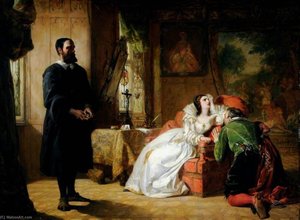
A Portrait of Melancholy: William Powell Frith’s “Katharina”
William Powell Frith's "Katharina," painted circa 1851, is more than just a portrait; it’s a carefully constructed tableau of Victorian theatricality and subtle emotional depth. This captivating work, housed within the collections of the University of Cambridge, offers a glimpse into the social fabric of mid-19th century London through the eyes of one enigmatic figure. Frith, a master of genre painting and panoramic narrative scenes, meticulously crafted this image to capture not just likeness but also atmosphere and implied story.
The subject herself is shrouded in an air of quiet contemplation. Dressed in a lavish, yet somewhat faded, theatrical costume—a rich crimson gown adorned with intricate lace and a delicate veil—Katharina appears poised on the cusp of performance or perhaps, simply lost in her own thoughts. Her gaze, directed slightly downward, suggests introspection rather than outward engagement. The lighting, soft and diffused, is crucial to the painting’s effect; it avoids harsh contrasts, instead creating subtle shadows that define the contours of her face and clothing, lending a sense of both vulnerability and dignity.
The Romantic Palette and Precise Technique
Frith's masterful command of oil paint is immediately apparent. He employs a rich, layered technique, building up color gradually to achieve remarkable textural detail. The fabric of the gown appears almost tactile—one can practically feel the weight of the velvet and the delicate rustle of the lace. The artist’s use of line is equally deliberate; precise outlines define the figure's features and drapery, creating a sense of solidity and volume that anchors the composition. Notice how he uses short, broken brushstrokes to capture the shimmer of light on the fabric and the intricate details of the veil.
The background, deliberately blurred and indistinct, serves not as a distraction but as an integral part of the painting’s narrative. It hints at an outdoor setting—perhaps a stage or garden—but ultimately emphasizes the central figure. The atmospheric perspective – the subtle fading of colors in the distance – adds depth without overwhelming the viewer's attention.
A Victorian Stage and Symbolic Resonance
"Katharina" is deeply rooted in the conventions of Victorian theatricality, reflecting Frith’s fascination with public life and social rituals. The costume itself is laden with symbolic meaning; it speaks to the world of performance, role-playing, and the constructed identities that were prevalent within Victorian society. The melancholic expression on Katharina's face suggests a deeper emotional complexity beneath the surface – perhaps a longing for something unattainable or a recognition of the transient nature of beauty and fame.
Considering Frith’s broader artistic output, “Katharina” aligns with his penchant for depicting scenes of social interaction and moral commentary. His meticulous attention to detail and his ability to capture both the outward appearance and the underlying emotions of his subjects make this painting a compelling example of Victorian genre art. It invites us to contemplate not only the beauty of the portrait but also the broader cultural context in which it was created.
Further Exploration & Legacy
For those seeking deeper insights into Frith’s work and “Katharina,” resources such as the Art UK website (
Kysymykset ja vastaukset
Onko teos "Katharina" yleisvaikutelmaltaan enemmän vaalea vai tumma?
Teoksen William Powell Frith:n "Katharina" mitatut arvot ovat: kirkkaus shadow, luminanssi Dark.
Onko William Powell Frith:n "Katharina" tekijänoikeusvapaa?
William Powell Frith:n "Katharina" on tekijänoikeusvapaa – sen tekijänoikeussuoja on päättynyt. Tämä tila määrittää, miten teoksen kuvaa saa käyttää uudelleen.
Mihin tilaan William Powell Frith:n "Katharina" suositellaan?
Suositeltu tila teokselle William Powell Frith:n "Katharina" on Living Room. Suositusta voidaan tietysti mukauttaa sisustukseesi sopivaksi.
Taiteilijan elämäkerta
Early Life and Artistic Beginnings
William Powell Frithin elämä alkoi Aldfieldissä, pienessä kylässä Pohjois-Yorkshiressa, vuonna 1819. Hänen isänsä oli majatalonpitäjä, ja perheeseen kuului viisi lasta. Jo nuorena poikana huomattiin Frithin lahjakkuus taiteessa – hänen isänsä tunnisti nopeasti pojan intohimon ja antoi hänelle mahdollisuuden kehittää taitojaan. Aluksi Frith ei nähnyt itsessään auktoriteettia, vaan halusi olla myyntimies, mutta hänen isänsä vakuutti hänet siitä, että hänellä on lahjakkuus taiteeseen. Frithin koulutus alkoi Sass Drawing Schoolissa Lontoossa, jossa hän oppi perusteet maalaustekniikasta ja anatomian tuntemuksesta. Myöhemmin hän jatkoi opiskelujaan Royal Academyyn, missä hän sai syvemmän käsityksen taiteen historiasta ja eri tyylisuunnista.
Frithin varhainen ura keskittyi muotokuvien maalaamiseen, mutta hän löysi nopeasti intohimonsa kuvaamaan arkielämää. Hänen inspiraationsa oli Sir David Wilkie, jonka realistiset ja eloisat maalaukset kuvasivat brittiläistä elämää 1800-luvun alussa. Frithin tyyliin vaikutti myös Charles Dickensin kirjallisuus, joka tarjosi hänelle uusia ideoita ja aiheita kuvattavaksi.
The Clique ja Victorianin Yhteiskunta
Frith ei ollut yksinäinen taiteilija; hän oli osa tunnettua ryhmää, jota kutsuttiin "The Cliqueksi". Tähän ryhmään kuului muita merkittäviä taidemaalareita, kuten Richard Dadd ja Augustus Egg. The Cliquen jäsenet olivat kriittisiä aikansa akateemiselle taiteelle ja halusivat luoda uudenlaisen taidesuunnan, joka perustuisi yleisön mieltymyksiin eikä pelkästään korkeisiin akateemisiin ihanteisiin. Ryhmä pyrki kuvaamaan elämää sellaisena kuin se todella oli, ilman idealisoituja kuvauksia.
Frithin maalaukset heijastavat Victorianin ajan yhteiskuntaa ja sen monimutkaisia sosiaalisia rakenteita. Hän kuvasi ihmisiä eri luokissa – rikkaita ja köyhiä, aatelisia ja tavallisia kansalaisia – ja tarkasteli heidän suhteitaan ja vuorovaikutustaan julkisilla paikoilla. Hänen maalauksensa tarjoavat ainutlaatuisen näkökulman 1800-luvun Lontoon elämään, sen rikkauksiin, haasteisiin ja sosiaaliseen dynamiikkaan.
Merkittävät Maalaukset ja Tyylilliset Ominaisuudet
Frithin tuotannossa on useita tunnettuja maalauksia, jotka ovat saaneet laajaa huomiota ja arvostusta. Ramsgate Sands (1854) kuvaa vilkasta rantakulttuuria Ramsagten rannalla, kun taas The Derby Day (1858) vangitsee Epsom Downsin kilpa-ajojen tunnelman ja ihmisten joukon. Myös The Railway Station (1862), joka esittää Paddingtonin rautatieasemaa, on merkittävä esimerkki Frithin tarkasta havaintokyvystä ja yksityiskohtien huolellisuudesta.
Frithin tyyliin kuului useita keskeisiä piirteitä. Hän oli erittäin tarkka havainnoissaan ja pyrki kuvaamaan ihmisiä ja ympäristöjä mahdollisimman realistisesti. Hänen maalauksissaan näkyy suuri määrä hahmoja, jotka ovat usein tiiviisti ryhmittyneinä. Frithin työskentelyssä käytettiin myös valokuvia apuna, erityisesti The Derby Dayn tapauksessa, jotta hän voisi saavuttaa uskomattoman tarkkuuden ja yksityiskohtaisuuden. Hänen maalauksensa ovat tunnettuja niiden eloisuudesta, realismista ja sosiaalisen kommentaarista.
Myöhäinen Elämä ja Perintö
William Powell Frith eli pitkän ja menestyvän uran taiteilijana. Hän oli tunnettu myös perheellisestä elämästään, sillä hänellä oli 12 lasta vaimonsa kanssa. Frithin työ jatkoi vaikutusta brittiläiseen taiteeseen ja kulttuuriin koko hänen elinaikansa ajan. Hänen maalauksensa ovat edelleen esillä museoissa ympäri maailmaa ja ne tarjoavat arvokkaan näkökulman Victorian aikakauden elämään ja yhteiskuntaan.
Frithin perintö on monipuolinen. Hän oli merkittävä hahmo brittiläisessä taiteessa, ja hänen maalauksensa ovat edelleen suosittuja ja arvostettuja. Hänen työnsä tarjoaa myös ainutlaatuisen näkökulman Victorianin aikakauden elämään, sen sosiaalisiin rakenteisiin ja ihmisten arvoihin.

William Powell Frith
1819 - 1909 , Iso-Britannia
Tietoa taiteilijasta
- Artistic Movement Or Style: Genremaalaus, laaja kuvaus
- Artists Or Movements Influenced By This Artist: ['The Clique']
- Artists Who Influenced This Artist: ['David Wilkie']
- Date Of Birth: 9 tammikuuta 1819
- Date Of Death: 2 lokakuuta 1909
- Full Name: William Powell Frith
- Nationality: Englanti
- Notable Artworks:
- Ramsgate Sands
- Derbynpäivä
- Junatasorata
- Place Of Birth: Aldfield, Iso-Britannia
Aiheeseen liittyvät artikkelit

1800-luvun Taidemestarinäytteet: 10 Teosta, Jotka Määrittelevät Aikakauden
Uppoudu 1800-luvun taiteen maailmaan! Tutustu 10 ikoniseen maalaukseen – impressionismista realismiin. Taiteilijoiden tarinat, tekniikat ja ajattomat mestariteokset odottavat. Löydä inspiraatiota sisustukseesi OriginalUniqueArt.com:ssa.
R.A. Benjamin Williams: Victorian Genre Painting & Social Commentary
Explore the captivating world of Benjamin Williams Leader's Victorian genre paintings. Discover his mastery of naturalism, social commentary & lasting influence on British art. Expert insights at OriginalUniqueArt.

William Powell Frith: Narratives of Victorian Society & the Rise of Realist Painting
Explore the life & works of William Powell Frith, the 'greatest British painter of social scenes.' Discover his iconic Victorian genre paintings and learn about his lasting impact on realist art. Hand-painted reproductions available.

Romantic Realism's Finest: 10 Masterpieces for Your Home | OriginalUniqueArt
Explore 10 defining masterpieces of Romantic Realism! Discover Courbet, Millet & Daumier's powerful paintings—capturing emotion and social realities. Find museum-quality reproductions for your home at OriginalUniqueArt.com.
William Salter: A Life Immersed in Colour – Victorian Botanical Art & Social Vision
Explore the life & art of William Salter (1804-1875), a Victorian master renowned for his botanical illustrations and striking portraits. Discover his social vision & legacy at OriginalUniqueArt.