Esikatselu
 Jaa teos
 Jaa
Jaa
 Tiedot
 Opas
Opas

 Lataa kuva
 Samanlaisia kohteita
 Röntgenkuvaus
 Diaesitys
 Kysymykset ja vastaukset
 Tilastot
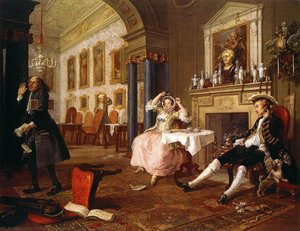
A Harlot's Progress, plate 6


 Lue lisää
Giclée- ja taideprintit
Museolaatuisia giclée- tai kankaitaulun tulosteita nopealla tuotannolla ja joustavilla viimeistelyvaihtoehdoilla. ( Osta käsinmaalattu taideteos Siirry digitaaliseen kuvaan)




P118B €10

P118H €10

P118W €10

P438Z €10

P508JH €12

P508YH €12

P805H €10

P805Z €10

P919BZ €10

P919G €10

P919XJ €10

P959ZH €10

P968JZ €12

W106C €8

W218G €10

W218JH €8

W218Y €10

W307PJ €10

W316G €10

W316PJ €8

W316Y €10

W398PJ €8

W4111J €10

W500HY €15

W500JH €15

W692G €12

W849H €8

W940BG €15

W953PJ €8




Valitse valmiista mitoistamme sellaiset, jotka vastaavat teoksen alkuperäisiä mittasuhteita.

Syötä tarvitsemasi leveys ja korkeus, jotta tuloste sopii kehyksiisi tai seinällesi. Tulostetta voidaan vain leikata, sitä ei voida koskaan suurentaa alkuperäistä kuvaa suuremmaksi, joten eri muotoinen koko aiheuttaa osan kuvasta katoamisen. Lähetämme sinulle digitaalisen mallikuvan hyväksyttäväksi ennen kuin aloitamme tulostuksen. Tällä sivulla näkyvä kuva ei näytä lopullista rajausta — vain mallikuva näyttää sen.
Maailmanlaajuinen toimitus () 2 viikossa tavallisen 4–5 viikon sijaan. (9 marraskuu)

Ilmainen pikatoimitus ympäri maailman

Korkealaatuinen pellavakangas

Kattava kuljetusvakuutus

Tulliveron palautustakuu

Takuu täydellisestä värien vastaavuudesta

100 päivän palautusoikeus (vain valmistusvirheet)

100% rahat takaisin -takuu

Määräalennus tarjolla
 Lasivaihtoehto on saatavilla vain alle 110 cm kokoisille teoksille

A Harlot's Progress, plate 6
Giclée- ja taideprintit
Replikaatin koko
-


Kokonaishinta
€ 72
A Final Tableau of Moral Decay
In the somber conclusion to William Hogarth’s monumental six-part narrative, A Harlot's Progress, plate 6 emerges as a chillingly visceral study in societal neglect and the tragic end of a life consumed by vice. This final installment of the 1732 series presents us with the grim reality of Moll Flaunders’ demise, moving beyond mere storytelling to offer a searing indictment of 1-8th century London life. The scene is set within a dimly lit, crowded interior that serves as a makeshift wake, where the boundaries between mourning and merriment are disturbingly blurred. As we gaze upon this tableau, we witness not just a funeral procession, but a profound moment of social critique, where the weight of a life lost to syphilis and poverty is met with a chillingly indifferent or even celebratory gathering of acquaintances.
The composition is masterfully dense, utilizing a crowded arrangement of figures that creates an almost claustrophobic atmosphere of chaos. A large, central table dominates the space, cluttered with the remnants of drink and food, around which individuals are positioned in various states of eating, drinking, and socializing. This juxtaposition—the presence of a coffin amidst the revelry of a tavern-like setting—is where Hogarth’s genius truly shines. Through this deliberate contrast, he highlights the hypocrisy of a society that continues its hedonistic pursuits even in the shadow of death, suggesting that the decay of the individual is inextricably linked to the moral rot of the collective.
The Mastery of Line and Monochrome
Technically, this artwork is a triumph of 18th-century printmaking, showcasing Hogarth’s unparalleled skill in etching and engraving on copper. Because the work is entirely monochromatic, it relies heavily on the sophisticated use of light and shadow to convey depth and emotion. The artist employs intricate linework, characterized by dense hatching and cross-hatching, to sculpt the forms of the figures and imbue the scene with a remarkable sense of texture. One can almost feel the heavy drape of coarse fabrics, the rough grain of wooden surfaces, and the weathered skin of the mourners through the precise control of these tonal variations.
The lighting within the piece is diffused and uneven, suggesting an interior space illuminated by flickering candles or oil lamps. This creates stark highlights and deep, swallowing shadows that add to the dramatic, theatrical intensity of the Rococo tradition. These shadows do more than just provide volume; they shroud the scene in a sense of mystery and gloom, reinforcing the theme of a life extinguished. For the collector or interior designer, this print offers a profound visual depth; its monochromatic palette allows it to serve as a sophisticated focal point that brings a sense of historical gravity and intellectual intrigue to any curated space.
A Legacy of Satire and Social Truth
Beyond its technical brilliance, A Harlot's Progress, plate 6 carries an immense emotional and symbolic weight. It is a work that demands reflection on the consequences of choice and the systemic failures of a society that allows such tragedies to unfold. The symbols scattered throughout the scene—the empty vessels, the disarrayed food, and the indifferent faces—all contribute to a narrative of loss and abandonment. Hogarth does not merely depict a death; he captures the echoes of a life lived on the fringes of respectability.
For those drawn to art that tells a story, this plate offers an unparalleled opportunity to own a piece of English art history. It is a work of profound narrative power, blending the meticulous observation of the Enlightenment with a biting, satirical edge that remains as relevant today as it was in 1732. To display such a reproduction is to invite a conversation about morality, history, and the enduring human condition into one's home.
Kysymykset ja vastaukset
Miten teoksen William Hogarth:n "A Harlot's Progress, plate 6" väripaletti on kuvattu?
William Hogarth:n "A Harlot's Progress, plate 6"-teoksessa käytetään Neutrals-väripalettia. Paletti tiivistää teoksen yleisen värikarakterin.
Mistä löydän oppaan teokseen "A Harlot's Progress, plate 6"?
Opas teokseen "A Harlot's Progress, plate 6" on teoksen Opas -sivu – tulostettava tietolomake, joka sisältää teoksen kuvatekstin, tekijätiedot ja tunnistetaulukon (taiteilija, päivämäärät, tekniikka, alkuperäinen koko, kokoelma).
Mitkä värit hallitsevat teosta William Hogarth:n "A Harlot's Progress, plate 6"?
William Hogarth:n "A Harlot's Progress, plate 6"-teoksen väri-identiteetti: Neutrals paletti, jota hallitsee Rosy Brown (#aeaeae).
Taiteilijan elämäkerta
William Hogarth: A London Life in Ink and Paint
William Hogarth, syntyvä Lontoon vilkkaaseen sydämeen vuonna 1697, oli paljon enemmän kuin pelkkä taiteilija; hän oli visuaalinen historioitsija, tarkkanäköinen ihmisluonnon havaintoja tekevä ja satiirinen kommentaattori oman aikansa yhteiskunnallisista nyansseista. Hänen elämänsä on tiiviisti sidottu Englannin kudokseen aikana, jolloin maa koki merkittävää muutoskurssia – sen kohoavia kunnianhimuja, piileviä huolenaiheita ja läpäisevää epärehellisyyttä, jotka kaikki ilmensivät voimakkaasti hänen huomattavan yksityiskohtaisen ja usein terävän huumorin teoksissaan. Hänen lapsuutensa, jonka hän vietti köyhyysolossa latinankoulun opettajan poikana, sisälsi jo varhain sekä intohimoa oppimista kohtaan että terävää tietoisuutta sosiaalisista epätasa-arvoista – pohjan, joka osoittautui ratkaisevaksi hänen taiteellisen näkökulmansa muotoilussa. Aluksi harjoittelijana kaivertajassa hän osoitti nopeasti lahjakkuutta, joka ulottui paljon pelkän teknisen taitavuuden yli; hänellä oli luontainen kyky havainnoida ihmisten käyttäytymisen hienovaraisuuksia ja kääntää ne vakuuttaviksi visuaalisiin tarinoihin. Kuitenkin hän vastusti perinteisen kaivertamisen rajoituksia, etsien ilmaisuvoittoisampaa kanavaa omiin kasvaviin luovuuteensa. Tämä johti opiskeluun St Martin’s Lane Academiassa ja Sir James Thornhillin johdolla, jossa hän hioja taitojaan maalauksessa ja kompositiossa, imiessään vaikutteita, jotka myöhemmin muovasivat hänen ainutlaatuisen tyylinsä.Modernin Moraalisen Taiteen Synty
Hogarthin todellinen innovaatio ei ollut *mitä* hän maalasi, vaan *kuinka*. Hän loi ja popularisoi käsitteen ”modernit moraaliset aiheet” – kuvakokonaisuuksia, jotka on suunniteltu kertomaan tarina, usein täynnä vahvaa satiirista sävyä. Nämä eivät olleet erillisiä muotokuvia tai maisemia; ne olivat visuaalisia romaaneja, jotka avattiin katsojan silmille, tarjoten tarkkoja kommentteja nyky-yhteiskunnasta. A Harlot’s Progress, luotu vuonna 1742, on yksi hänen kuuluisimmista teoksistaan. Tämä kuuden maalauksen sarja seuraa huolellisesti Maryn, nuoren naisen, joka saapuu Lontooseen täynnä toivoa, mutta nopeasti succumbs kaupungin houkutuksiin ja vaaroihin. Jokainen kohtaus on maalattu huolellisuudella, täynnä symbolisia elementtejä, jotka paljastavat hänen ympäröivän moraalin rappeutumisen. Samoin A Rake’s Progress, aloitettu vuonna 1733, kartoittaa Tom Rakewellen, rikkaamman miehen, huonojen valintojen ja hulluuden laskua. Nämä eivät olleet pelkästään varoittavia tarinoita; ne olivat armottomia kuvauksia yhteiskunnasta, joka kamppaili luokkayhtälöiden, moraalin ja sosiaalisen liikkuvuuden kanssa. Hogarthin lahjakkuus piirtyi kyvyssä nostaa arkipäiväiset näkymät – Lontoon vilkkaat kadut, rikkauksien loisteliaat sisätilat, köyhien elämän synkkyys – taiteelliseksi ilmentymäksi, joka resonoi syvästi hänen yleisönsä kanssa. Hän ei vältellyt kuvaamasta yhteiskunnan karuja todellisuuksia, esittäen ne yhdistelmänä huumoria ja myötätuntoa, pakottaen katsojat kohtaamaan epämiellyttäviä totuuksia itsestään ja yhteiskunnastaan.Tekniikka ja Vaikutukset: Monipuolisten Tyylien Synteesi
Hogarthin taiteellinen tyyli oli ainutlaatuinen yhdistelmä erilaisia vaikutteita. Hän arvosti suuresti hollantilaisen genremaalauksen realismia ja tarinankerrontaa, kuten Pieter de Hoochin töissä havaittavaa tarkkuutta arkielämän kuvaamisessa. Myös Ranskan tuottamat satiiriset painokuvat vaikuttivat hänen lähestymistapansa sosiaaliseen kommentaariin. Hogarth ei kuitenkaan ollut vain kopioimassa näitä lähteitä; hän synteesoi ne johonkin täysin uuteen ja selvästi omiin tyyliinsä. Hänen tekniikkansa oli tunnettu mestarillisesta käytöstään viivasta ja varjoista, mikä on erityisesti havaittavissa kaiverruksissaan. Hän käytti omaperäistä ristikuviointitekniikkaa, joka loi syvyyttä ja tekstuuria, tuoden näkymät eloon huomattavan selkeästi. Hänellä oli myös poikkeuksellinen silmä komposiitioon, järjestäen hahmot ja esineet kehyksen sisälle luomaan dynaamisia ja kiinnostavia tarinoita. Ulkopuolella taiteesta Hogarth oli vaikuttunut erityisesti kirjallisuudesta, erityisesti Jonathan Swiftin ja Henry Fieldingin teoksista, joiden satiirinen huumori vaikutti hänen omaan sosiaaliseen tarkkailuunsa. Hän uskoi taiteen ei tulisi olla pelkästään kaunista, vaan myös palvella moraalista tarkoitusta, haastaen katsojat pohtimaan maailmaa ympärillään ja paikkaansa siinä.Perintö ja Kestävää Vaikutusta
Hogarthin vaikutus ulottuu taiteen 1800-luvun taiteellisen identiteetin ylittämiseen. Hänen teoksiaan tuotti massatuotanto painokuvina, mikä teki hänen satiirista kommentaaristaan saavutettavissa suuremmalle yleisölle kuin koskaan ennen. Hänet pidetään laajalti modernin poliittisen sarjakuvan edeltäjänä ja sarjakuvien edeltäjänä, luoden visuaalista tarinankerrontaa populaarikulttuuriin. Taiteilijoita kuten James Gillray ja George Cruikshank vaikuttivat suoraan hänen tyylinsä kautta. Jopa Charles Lamb, kuuluisa esseisti, tunnusti Hogarthin kuvien tarinallisen voiman, huomauttaen, että ne olivat "kirjoja, joita luetaan eikä pelkästään tarkastella".- Hogarth perusti selvästi brittiläisen taiteellisen identiteetin.
- Hänen teoksensa tarjoaa arvokkaita näkemyksiä 1700-luvun Englannista.
- Hän vaikutti useiden taiteilijoiden ja satiirikkojen sukupolviin.

William Hogarth
1697 - 1764 , Iso-Britannia
Pähkinänkuoressa
- Artistic Movement Or Style: Satiri, Realismi
- Artists Or Movements Influenced By This Artist:
- James Gillray
- Satyyriluontokuvat
- Artists Who Influenced This Artist:
- Pieter de Hooch
- Jonathan Swift
- Date Of Birth: 1697
- Date Of Death: 1764
- Full Name: William Hogarth
- Nationality: Brittiläinen
- Notable Artworks:
- A Harlot's Progress
- A Rake's Progress
- Place Of Birth: Lontoo, Iso-Britannia
Aiheeseen liittyvät artikkelit

Etching: A Historical Survey of Technique, Aesthetic Qualities & Enduring Artistic Significance
Explore the rich history of etching, from its origins to Rembrandt's masterful innovations. Discover the technique, aesthetic qualities & enduring legacy of this captivating art form. Expert insights for collectors and enthusiasts.

The Intricate World of Etching: A Historical Survey of Technique, Aesthetic Evolution, and Enduring Artistic Impact
Explore the rich history of etching, from its origins to modern practice. Discover techniques, key artists like Rembrandt, and insights for collectors. A comprehensive guide by OriginalUniqueArt.
10 legendaarista etsausta: Taidehistrian mullistajat – OriginalUniqueArt.com
Tutustu 10 legendaariseen etsaukseen – Rembrandtin, Goyan ja Picasson mestariteoksiin! Taidehistorian mullistajat inspiroivat sisustusta. Laadukkaat taidekopiot OriginalUniqueArt.com:ssa. Löydä kokoelma verkossa!

10 Iconic Etchings That Redefined the World of Art
Journey through history with 10 legendary etchings that redefined art. From Rembrandt to Goya, explore the stories behind these timeless masterpieces and find museum-quality reproductions for your space. Discover all masterpieces on OriginalUniqueArt.com.

10 Iconic Rococo Masterpieces That Defined an Era of Elegance
Step into the elegance of the 18th century. Explore 10 iconic Rococo masterpieces, from Fragonard to Watteau, through their stories and pastel beauty. Find museum-quality art reproductions and decor inspiration at OriginalUniqueArt.com. Discover all masterpieces on OriginalUniqueArt.com