
 Esikatselu
 Jaa
Jaa Jaa
Jaa
 Tarkemmat tiedot

 Lataa
Lataa
 Samanlaisia
 Röntgenkuva
 Diaesitys
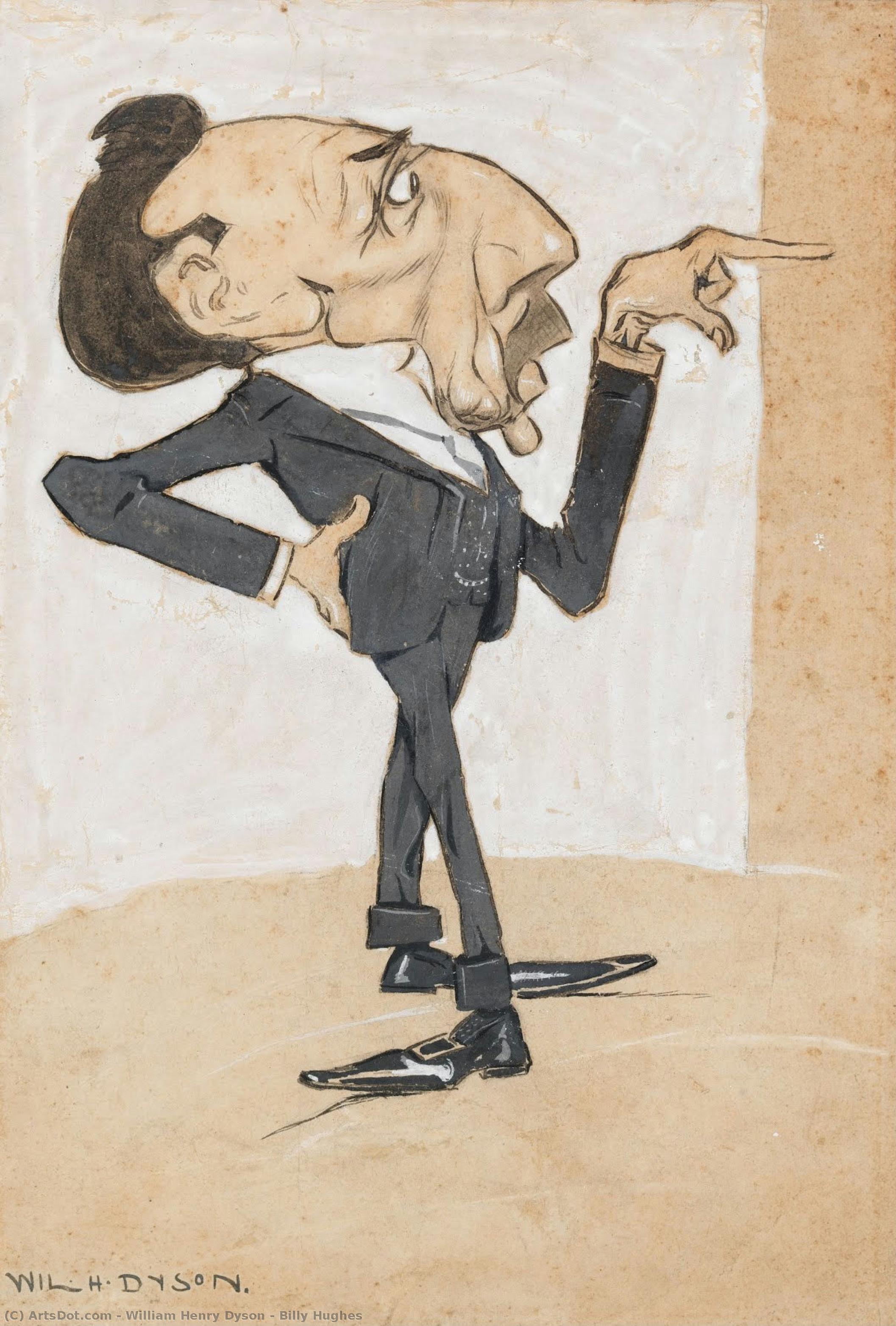
Billy Hughes
 26.0 x 19.0 cm
 National Portrait Gallery
 Näytä lisää
Osta korkearesoluutioinen, parannettu digitaalikuva, joka on laadultaan huomattavasti parempi kuin verkkosivuston esikatselu.
Jokainen tiedosto valmistellaan huolellisesti omien asiantuntijoidemme toimesta käyttäen edistyneitä työkaluja ja ammattitaitoista manuaalista retusointia. Varmistamme, että jokaisessa kuvassa on poikkeuksellinen selkeys, tarkka värintoisto ja hienovaraiset yksityiskohdat.
Lopputiedosto toimitetaan sähköpostitse 72 tunnin kuluessa, ja se on optimoitu välittömään käyttöön ammattimaisissa, toimituksellisissa ja painoympäristöissä. Laatu on sama, johon huipputason suunnittelustudiot, kustantajat ja galleriat luottavat.
Digitaalinen kuva
Lataa korkearesoluutioinen tiedosto henkilökohtaiseen näyttelyyn, tulostamiseen ja luoviin projekteihin. ( Osta printti Osta käsintehty maalaus)
Sisältyy jokaiseen digitaalisen kuvan tilaukseen
Asiantunteva digitaalinen toimitus, taattuun laatuun
Kun valitset OriginalUniqueArt.com-palvelun, et saa vain kuvaa – saat ammattimaisesti parannetun digitaalisen taideteoksen, joka on luotu tarkkuudella ja jonka takaa tulee tyytyväisyystakuu. Tässä on kaikki, mitä tilauksesi sisältää, automaattisesti:

Nopea digitaalinen toimitus
Korkearesoluutioinen digitaalinen kuvatiedostosi lähetetään sähköpostiisi 72 tunnin kuluessa tilauksesta – valmiina käytettäväksi välittömästi.

Tekoälyllä parannettu digitaalinen tiedosto
Taiteilijasi teos on optimoitu ammattimaisesti edistyneiden tekoälytyökalujen ja manuaalisen muokkauksen avulla, mikä takaa maksimaalisen yksityiskohtaisuuden, selkeyden ja väritarkkuuden.

Ilmainen elinikäinen uudelleenlähetyspalvelu
Oletko vahingossa poistanut tai kadottanut tiedostosi? Ei hätää – lähetämme sen sinulle uudelleen milloin tahansa täysin maksutta.

Ei tuontimaksuja – koskaan
Nauti taiteestasi välittömästi ilman tulleja, veroja tai toimitusmaksuja – digitaaliset lataukset ovat aina verovapaita.

Värintoiston tarkkuustakuu
Varmistamme, että digitaalinen kuvasi vastaa alkuperäisiä värejä mahdollisimman tarkasti käyttämällä ammattilaistason työkaluja ja värinhallintaa.

60 päivän tyytyväisyystakuu
Jos et ole tyytyväinen digitaaliseen kuvaasi, muokkaamme sitä tai palautamme 100% takaisin 60 päivän kuluessa – ilman kysymyksiä.

100% Rahat takaisin -takuu
Etkö ole tyytyväinen? Saat täyden hyvityksen 60 päivän kuluessa digitaalisen tiedostosi vastaanottamisesta – ilman kyselyitä.

Suurtilaaja-alennukset
Osta 3 kuvaa, säästä 10% - Osta 5, säästä 15% - Osta 10+, säästä 20%. Erinomainen valinta luoviin projekteihin, gallerioille ja toimistoille.
Keräilykohteen kuvaus
Taiteilijan elämäkerta
A Life Etched in Ink: The World of William Henry Dyson
William Henry ‘Will’ Dyson, a name perhaps less instantly recognizable than some of his contemporaries, nevertheless occupies a pivotal position in the history of Australian art and political commentary. Born in 1880 near Ballarat, Victoria, into a large family grappling with the realities of working-class life, Dyson's artistic journey was deeply interwoven with social consciousness and a fierce commitment to justice. His father’s initial struggles as a miner, transitioning to a dry-goods hawker, and the strong labor movement activism within his family instilled in young Will a sensitivity to inequality that would become the defining characteristic of his work. From an early age, nurtured by siblings who recognized his talent for both drawing and writing, Dyson began to hone skills that would eventually allow him to give voice to the voiceless through the potent medium of political cartooning. His formal education at Albert Park State School was cut short in 1892, but his true schooling had already begun – a rigorous apprenticeship in observation, empathy, and the art of visual storytelling.From Australian Roots to London’s Political Stage
Dyson's career blossomed quickly after submitting illustrations to The Bulletin at just seventeen years old, initially under the pseudonym ‘Asa Dane’. This early success provided a crucial foothold in the competitive world of Australian journalism and illustration. A period working for The Critic in Adelaide further refined his skills as a caricaturist, but it was his encounter with Norman Lindsay that proved particularly formative. The two artists forged a lasting friendship and artistic camaraderie, pushing each other to explore new techniques and perspectives. This relationship deepened when Dyson married Ruby Lindsay, Norman’s sister, in 1909. Shortly thereafter, the couple made the momentous decision to relocate to London – a move that would dramatically alter the course of Dyson's career. London offered a broader audience and a more pressing need for social commentary, allowing him to engage with issues on a global scale. He quickly secured a position as a cartoonist for The Daily Herald, where his biting wit and unflinching critique of societal problems soon gained widespread recognition.A Voice for the Disenfranchised: Dyson’s Artistic Style & Themes
Dyson's artistic style was immediately recognizable – bold lines, expressive figures, and a masterful use of satire combined to create images that were both visually striking and intellectually provocative. He drew inspiration from artists like Honoré Daumier, whose socially conscious caricatures served as a powerful model for his own work. However, Dyson’s style was uniquely his own, infused with the energy and directness of Australian artistic sensibilities. His cartoons fearlessly addressed themes such as poverty, inequality, and the injustices of war, often focusing on the plight of working-class individuals and challenging the established power structures. He didn't shy away from controversy, using his art to expose hypocrisy and demand social reform. His progressive views aligned with a growing movement for change in Britain, and his cartoons became potent tools for raising awareness and sparking debate. Dyson’s work wasn’t merely about depicting problems; it was about igniting a fire within the viewer, compelling them to question the status quo and advocate for a more just world.Bearing Witness: Dyson as Australia's First Official War Artist
The outbreak of World War I ignited a new artistic fervor in Dyson. He directed his scathing artwork towards German militarism and the horrors of war, but he felt compelled to do more than simply comment from afar. In 1916, driven by a desire to document the realities faced by soldiers on the Western Front, he applied to join the Australian forces as an artist. Appointed an honorary lieutenant in January 1917, he joined Anzac troops in France and was officially recognized as Australia’s first official war artist that May. His wartime depictions were starkly realistic, capturing not just the physical devastation of conflict but also the profound emotional toll it took on those who fought. He eschewed romanticized portrayals of heroism, instead focusing on the grim realities of trench warfare – the mud, the fear, the loss, and the sheer futility of it all. One of the Old Platoon, for example, is a haunting depiction of exhausted soldiers, stripped of their glory and reduced to mere shadows of their former selves. His work served as a powerful counterpoint to the patriotic propaganda that often dominated wartime narratives.A Lasting Legacy: Dyson’s Enduring Impact
The death of his wife, Ruby Lindsay, in 1919 deeply affected Dyson, leading to a period of artistic stagnation and personal grief. He returned to Australia in 1924 but found it difficult to reconnect with the local art scene, eventually returning to England in 1930. He died in London in 1938 at the age of 57, leaving behind a body of work that continues to resonate today. Dyson’s legacy lies not only in his technical skill and artistic innovation but also in his unwavering commitment to social justice. He demonstrated the power of art as a vehicle for political commentary, using satire and caricature to challenge authority and advocate for change. His unflinching depictions of war and inequality remain relevant in the 21st century, serving as a reminder of the enduring importance of critical thinking and compassionate engagement with the world around us. He was a master storyteller, an astute observer of human nature, and a fearless champion of the underdog – qualities that ensure his place among the most important political cartoonists of the early 20th century.
William Henry Dyson
1880 - 1938

