Esikatselu
 Jaa teos
 Jaa
Jaa
 Tiedot
 Opas
Opas

 Lataa kuva
 Samanlaisia kohteita
 Röntgenkuvaus
 Diaesitys
 Q&A
Q&A Tilastot
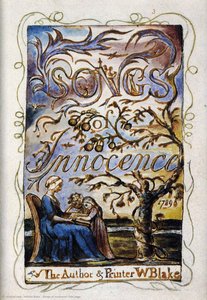
Neitsyden laulut (otsikkosivu)

- 152.0 x 140.0 cm


 Lue lisää
Giclée- ja taideprintit
Museolaatuisia giclée- tai kankaitaulun tulosteita nopealla tuotannolla ja joustavilla viimeistelyvaihtoehdoilla. ( Osta käsinmaalattu taideteos Siirry digitaaliseen kuvaan)




P118B €10

P118H €10

P118W €10

P438Z €10

P508JH €12

P508YH €12

P805H €10

P805Z €10

P919BZ €10

P919G €10

P919XJ €10

P959ZH €10

P968JZ €12

W106C €8

W218G €10

W218JH €8

W218Y €10

W307PJ €10

W316G €10

W316PJ €8

W316Y €10

W398PJ €8

W4111J €10

W500HY €15

W500JH €15

W692G €12

W849H €8

W940BG €15

W953PJ €8




Valitse valmiista mitoistamme sellaiset, jotka vastaavat teoksen alkuperäisiä mittasuhteita.

Syötä tarvitsemasi leveys ja korkeus, jotta tuloste sopii kehyksiisi tai seinällesi. Tulostetta voidaan vain leikata, sitä ei voida koskaan suurentaa alkuperäistä kuvaa suuremmaksi, joten eri muotoinen koko aiheuttaa osan kuvasta katoamisen. Lähetämme sinulle digitaalisen mallikuvan hyväksyttäväksi ennen kuin aloitamme tulostuksen. Tällä sivulla näkyvä kuva ei näytä lopullista rajausta — vain mallikuva näyttää sen.
Maailmanlaajuinen toimitus () 2 viikossa tavallisen 4–5 viikon sijaan. (1 marraskuu)

Ilmainen pikatoimitus ympäri maailman

Korkealaatuinen pellavakangas

Kattava kuljetusvakuutus

Tulliveron palautustakuu

Takuu täydellisestä värien vastaavuudesta

100 päivän palautusoikeus (vain valmistusvirheet)

100% rahat takaisin -takuu

Määräalennus tarjolla
 Lasivaihtoehto on saatavilla vain alle 110 cm kokoisille teoksille

Neitsyden laulut (otsikkosivu)
Giclée- ja taideprintit
Replikaatin koko
-


Kokonaishinta
€ 71
Sielun laulut (Otsikkosivu) – Visionäärinen kaiku ajassa
William Blaken ”Songs of Innocence” (Sielun laulut), julkaistu vuonna 1789, seisoo romantiikan taiteen ja kirjallisuuden kivijalkana – todiste taiteilijan ainutlaatuisesta kyvystä sulattaa runollinen kuvittelu huolellisella taiteellisella toteutuksella. Tämä upea otsikkosivun kuva vangitsee Blaken esteettisen filosofian ytimen: tinkimätöntä uskoa unelmien ja visioiden muuttavaan voimaan, peilaten hänen vakaumustaan siitä, että ”ihmännäisyys itsessään” ruumiillistaa Jumalan luovan henken.
Kompositio ja tekniikka – Blaken vallankumouksellinen painotekniikka
Blake ei vain esittänyt kohtauksen; hän orkestroi sen. Teos esittelee kaksi naista, jotka istuvat kukkailevan puun alla – tarkoituksellinen valinta, joka heijastaa romantiikan kiinnostusta pastoraalisesta rauhasta ja idealisoidusta kauneudesta. Heidän ympärillään on lintuja, jotka on kuvattu huolellisesti akvarellilla ja musteella, symboloiden vapautta ja henkistä pyrkimystä. Blaken uraauurtava tekniikka sisälsi kuparilehtien kaiverruksen käsin ennen eloisien akvarellivärjäyspigmenttien levittämistä, mikä johti vertaansa vailla olevaan yksityiskohtaisuuteen ja valoisuuteen – menetelmä, joka haastoi konventiot ja teki hänestä valaistun painatuksen pioneerin.
Symboliikka ja narratiivinen syvyys – Lasten viattomuuden tutkiminen
”Songs of Innocence” on enemmän kuin vain esteettisesti miellyttävä; se sukeltaa syviin filosofisiin teemoihin. Keskeiset hahmot ilmentävät viattomuutta ja pohdiskelua, kun taas puu edustaa hoivaavaa kasvua ja henkistä valaistumista. Blaken mestarillinen tarottelu käyttää visuaalisia vihjeitä välittämään moraalisia opetuksia – hienovaraisen kritiikin yhteiskunnallisista epäoikeudenmukaisuuksista, jota katsotaan lapsuuden haavoittuvuuden linssin läpi. Harkitse miehen sisällyttämistä taustalle; hän ilmentää auktoriteettia ja ehkä edustaa rajoituksia, jotka on asetettu kuvitellulle luovuudelle vakiintuneiden instituutioiden toimesta.
Historiallinen konteksti – Romantiikan ihailu kuvituksesta
Blaken työ syntyi romantiikan aikakauden intohimoisen kuumuuden aikana, ajanjaksona, jota leimahti kapina valaistuksen rationaalisuutta vastaan ja intohimoinen omistautuminen tunteille ja intuitiolle. Vaikutettuna ajattelijoista kuten Rousseau ja Coleridge, Blake pyrki vapauttamaan taiteen akateemisilta rajoituksilta, asettaen subjektiivisen kokemuksen objektiivisen esityksen edelle. Tämä taiteellinen impulssi resonoi syvästi yleisöjen kanssa, jotka kamppailivat yhteiskunnallisesta mullistumisesta – teollisuuden nopeasta tahdista ja uskonnollisen dogman kyseenalaistamisesta – luoden ”Songs of Innocence” ikonisena ilmentymänä romantiikan idealismille.
Emotionaalinen kaikupotku – Ajaton veto
"Songs of Innocence" jatkaa lumoamista katsojia tänä päivänä sen kestävän emotionaalisen voiman vuoksi. Naisten rauhallinen kuvaus puun alla herättää tunteita rauhasta ja pohdinnasta, kun taas lintujen lento symboloi pyrkimystä ja ylittäytymistä. Blaken mestarillinen värien ja tekstuurien käyttö kutsuu meidät maailmaan, jossa kuvittelu hallitsee – muistutuksena siitä, että todellinen kauneus ei johdu pelkästään visuaalisesta loistosta, vaan myös älyllisestä syvyydestä ja henkisestä kaikupotkusta. Tämän taideteoksen jäljentämiset tarjoavat mahdollisuuden tuoda tämän ikonisen kuvan kotiin, edistäen pohdintaa ja juhlistaen William Blaken visionäärisen lahjakkuuden kestävää perintöä.
Kysymykset ja vastaukset
Mikä on William Blake:n "Neitsyden laulut (otsikkosivu)"-teoksen muoto ja mitkä ovat sen mitat?
William Blake:n "Neitsyden laulut (otsikkosivu)" on Pystyasento-tyyppinen teos, jonka alkuperäiset mitat ovat 152 x 140 cm.
Mihin tarkoitukseen ja mihin tilaan "Neitsyden laulut (otsikkosivu)" suositellaan?
Teokselle William Blake:n "Neitsyden laulut (otsikkosivu)" on annettu kaksi suositusta: käyttötapa (Aksentti) ja tila (Olohuone).
Minkä tunnelman ja tunteen "Neitsyden laulut (otsikkosivu)" yhdistää?
Teoksessa "Neitsyden laulut (otsikkosivu)" Romanttinen-tunnelma kohtaa Salaperäinen-tunteen.
Taiteilijan elämäkerta
William Blake – Visionary’s Journey: The Life and Art of William Blake
William Blake, born in London on November 28, 1757, was a figure perpetually out of step with his time, yet destined to become one of the most celebrated artists and poets of the Romantic Age. His life unfolded against the backdrop of a rapidly changing England—a world grappling with industrialization, political upheaval, and shifting spiritual beliefs. From humble beginnings as the son of a hosier, Blake’s early years were marked by an intensely vivid imagination and a propensity for visionary experiences that would profoundly shape his artistic trajectory. Though largely self-taught in formal academics, he received drawing instruction at a young age, quickly revealing a talent that hinted at the extraordinary path ahead. His apprenticeship with engraver James Basire proved pivotal, providing him not only with technical mastery but also an understanding of printmaking techniques he would later revolutionize. These early influences—the Gothic grandeur of Westminster Abbey, the classical forms of Raphael and Michelangelo—served as foundational elements in his developing aesthetic, though Blake was never one to remain bound by convention.Early Life and Artistic Training
Blake’s formative years instilled within him a deep fascination with mythology and folklore, alongside an acute sensitivity to visual beauty. Despite lacking formal artistic education, he possessed an innate ability to capture the essence of observed subjects—a gift that would prove invaluable in his subsequent endeavors. His apprenticeship under James Basire honed his engraving skills, equipping him with precision and technical proficiency while simultaneously exposing him to the intricacies of printmaking processes. This experience fostered a critical awareness of prevailing artistic trends—particularly the idealized depictions favored by Neoclassical painters—which Blake deliberately rejected as sterile and lacking in spiritual depth. He sought inspiration from sources beyond the mainstream, immersing himself in the writings of philosophers like Erasmus Darwin and Milton, whose imaginative visions mirrored his own inner landscape.Illuminated Printing: A Revolutionary Technique
Blake’s artistic innovation wasn't merely about subject matter; it resided fundamentally in *how* he created. Dissatisfied with conventional engraving methods—which he considered reductive and incapable of conveying the subtleties of emotion—he developed a unique process known as “illuminated printing.” This involved etching both text and illustrations onto copper plates, then painstakingly hand-coloring the resulting prints—a laborious but deeply personal approach that allowed for complete artistic control. This wasn’t simply illustration accompanying poetry; it was an integrated art form where image and verse were inextricably linked, each enhancing the meaning of the other. He achieved this remarkable feat by combining etching with watercolor pigments, creating images imbued with luminous color and textural richness—a technique that stood apart from prevailing artistic practices of his era. This revolutionary method enabled Blake to express his visionary ideas in a way that transcended the limitations of traditional printmaking, forging a path toward a new aesthetic dimension.Major Works and Artistic Style
Blake’s oeuvre encompasses poetry, engravings, watercolors, and illuminated books—each reflecting his distinctive artistic vision. Among his most celebrated works are *Songs of Innocence & Experience* (1789), a dual collection exploring themes of childhood innocence and adult corruption; *The Marriage of Heaven & Hell* (1793), a provocative prose poem challenging moral conventions; and *Jerusalem*, an ambitious epic poem celebrating the spiritual redemption of Albion—the ancient name for Britain. His engravings, particularly those inspired by Dante’s *Divine Comedy*, demonstrate his mastery of printmaking techniques and his ability to translate complex narratives into powerful visual imagery. Blake's artistic style is characterized by a deliberate rejection of linear perspective in favor of flattened planes and symbolic representations—a stylistic choice that prioritized emotional impact over realistic depiction. He favored tempera paints for certain canvases, reflecting his admiration for the Renaissance aesthetic, and employed watercolor pigments with exceptional skill to achieve luminous effects and capture fleeting impressions.Legacy and Influence
William Blake’s artistic legacy extends far beyond his own lifetime, profoundly influencing subsequent generations of artists and writers. The Pre-Raphaelites embraced him as a kindred spirit—a champion of imaginative vision and symbolic expression—drawing inspiration from his groundbreaking technique and thematic concerns. Later movements—Symbolism and Modernism—recognized in Blake's work an affirmation of subjectivity and spiritual exploration—values that resonated deeply with the anxieties and aspirations of their time. Today, William Blake is revered as a pivotal figure in Romantic art and literature—an artist whose uncompromising commitment to creative freedom continues to inspire artists and thinkers worldwide. His enduring influence testifies to the transformative power of imagination and the importance of questioning conventional dogma—a testament to Blake’s timeless relevance as a visionary voice within the history of art.
William Blake
1757 - 1827 , Englanti
Pähkinänkuoressa
- Artistic Movement Or Style: Romantiikka
- Artists Who Influenced This Artist:
- Raphael
- Michelangelo
- Date Of Birth: 1757
- Full Name: William Blake
- Nationality: Englanti
- Notable Artworks:
- Songs of Innocence & Exp.
- The Tyger
- Jerusalem
- Place Of Death: Londoo
Aiheeseen liittyvät artikkelit

Echoes of Time: Exploring the Enduring Appeal & Historical Context of Vintage Art Prints
Explore the captivating world of vintage art prints! Discover their history, collecting tips & enduring appeal. Expert insights on chromolithography and building a legacy collection with OriginalUniqueArt.

The Enduring Legacy of Fine Art Prints: Technique, History & Aesthetic Impact
Explore the rich history & techniques of fine art prints. Discover investment potential, assess authenticity, and learn how to preserve your collection with expert guidance. Trusted insights for discerning collectors.

Romantic Realism's Finest: 10 Masterpieces for Your Home | OriginalUniqueArt
Explore 10 defining masterpieces of Romantic Realism! Discover Courbet, Millet & Daumier's powerful paintings—capturing emotion and social realities. Find museum-quality reproductions for your home at OriginalUniqueArt.com.

Giclée Prints: Archival Quality & Aesthetic Nuances for the Discerning Collector
Explore the world of giclée prints with OriginalUniqueArt. Learn about archival quality, aesthetic nuances & investment potential. Expert guidance for discerning art collectors seeking museum-quality reproductions and lasting value.
William Blake: Romantic Visionary & Mystical Genius of the Imagination
Explore the mystical art & poetic genius of William Blake (1757-1827). Discover his revolutionary illuminated printing, rich symbolism, and lasting influence on Romanticism. Find handmade reproductions at OriginalUniqueArt.