Text size

() ·

A painting made for you, by hand

Male figure reclining

Käsinmaalattu öljyvärinen jäljennös

Käsinmaalattu öljyväri kankaalle haluamassasi koossa ja kehyksissä, taiteilijoidemme valmistamana tilauksesta. ( Vaihda tulosteeseen Siirry digitaaliseen kuvaan)

Keräilykohteen kuvaus

William Blake’s contemplative black and white artwork depicts a reclining male figure amidst a serene mountainous landscape, capturing the visionary spirit of the Romantic era – explore this unique hand-painted reproduction.

Taiteilijan elämäkerta

William Blake’n mystinen Hekate-kuva: kolmifacesinen jumalatar, joka symboloi muodonmuutosta ja salattua tietoa. Romantiikan aikaisen taideteoksen syvälliset symbolit herättävät ajatuksia.

from ·

Chapter 1

How large should it be?

Slide to change the size; the picture on the left shows the frame at its real width. The proportions of the original are kept.

Vakiokoko
räätälöity
CM
INCH

Valitse valmiista mitoistamme sellaiset, jotka vastaavat teoksen alkuperäisiä mittasuhteita.

leveys
korkeus

Kirjoita tarvitsemasi leveys ja korkeus, jotta teos sopii kehyksiisi tai seinällesi. Koska kyseessä on käsinmaalattu teos, taiteilija voi maalata hieman enemmän kuvan ympärille tai rajata sitä hieman, jos haluat eri muotoisen koon — valinta on sinun. Lähetämme sinulle digitaalisen mallikuvan hyväksyttäväksi ennen kuin maalaus alkaa. Tällä sivulla näkyvä kuva ei vastaa lopullista tulosta — vain mallikuva näyttää sen.

Chapter 2

How should it arrive?

Choose the edges of the stretched canvas

Choose your frame

Corner sample of the WhiteWrap canvas edge finish, stretched on massiivipuu bars
White €1
Corner sample of the BlurSideWrap canvas edge finish, stretched on massiivipuu bars
Blurside €1
Corner sample of the ExtendedWrap canvas edge finish, stretched on massiivipuu bars
Extended €1
Corner sample of the P118B picture frame: valettu polystyreeni, 5 cm wide and 3 cm thick
P118B €10
Corner sample of the P118H picture frame: valettu polystyreeni, 5 cm wide and 3 cm thick
P118H €10
Corner sample of the P118W picture frame: valettu polystyreeni, 5 cm wide and 3 cm thick
P118W €10
Corner sample of the P438Z picture frame: valettu polystyreeni, 5.5 cm wide and 3.5 cm thick
P438Z €10
Corner sample of the P508JH picture frame: valettu polystyreeni, 7 cm wide and 3.5 cm thick
P508JH €12
Corner sample of the P508YH picture frame: valettu polystyreeni, 7 cm wide and 3.5 cm thick
P508YH €12
Corner sample of the P805H picture frame: valettu polystyreeni, 5 cm wide and 3.5 cm thick
P805H €10
Corner sample of the P805Z picture frame: valettu polystyreeni, 5 cm wide and 3.5 cm thick
P805Z €10
Corner sample of the P919BZ picture frame: valettu polystyreeni, 7 cm wide and 3.5 cm thick
P919BZ €10
Corner sample of the P919G picture frame: valettu polystyreeni, 7 cm wide and 3.5 cm thick
P919G €10
Corner sample of the P919XJ picture frame: valettu polystyreeni, 7 cm wide and 3.5 cm thick
P919XJ €10
Corner sample of the P959ZH picture frame: valettu polystyreeni, 5 cm wide and 3 cm thick
P959ZH €10
Corner sample of the P968JZ picture frame: valettu polystyreeni, 6 cm wide and 4 cm thick
P968JZ €12
Corner sample of the W106C picture frame: massiivipuu, 5 cm wide and 3 cm thick
W106C €8
Corner sample of the W218G picture frame: massiivipuu, 5 cm wide and 3 cm thick
W218G €10
Corner sample of the W218JH picture frame: massiivipuu, 5 cm wide and 3 cm thick
W218JH €8
Corner sample of the W218Y picture frame: massiivipuu, 5 cm wide and 3 cm thick
W218Y €10
Corner sample of the W307PJ picture frame: massiivipuu, 6 cm wide and 3 cm thick
W307PJ €10
Corner sample of the W316G picture frame: massiivipuu, 6 cm wide and 3 cm thick
W316G €10
Corner sample of the W316PJ picture frame: massiivipuu, 6 cm wide and 3 cm thick
W316PJ €8
Corner sample of the W316Y picture frame: massiivipuu, 6 cm wide and 3 cm thick
W316Y €10
Corner sample of the W398PJ picture frame: massiivipuu, 5 cm wide and 3 cm thick
W398PJ €8
Corner sample of the W4111J picture frame: massiivipuu, 6.5 cm wide and 3.5 cm thick
W4111J €10
Corner sample of the W500HY picture frame: massiivipuu, 7 cm wide and 5 cm thick
W500HY €15
Corner sample of the W500JH picture frame: massiivipuu, 7 cm wide and 5 cm thick
W500JH €15
Corner sample of the W692G picture frame: massiivipuu, 8 cm wide and 4 cm thick
W692G €12
Corner sample of the W849H picture frame: massiivipuu, 5 cm wide and 3 cm thick
W849H €8
Corner sample of the W940BG picture frame: massiivipuu, 7.5 cm wide and 4.5 cm thick
W940BG €15
Corner sample of the W953PJ picture frame: massiivipuu, 6 cm wide and 3.5 cm thick
W953PJ €8
Corner sample of the H24-GOLD picture frame: kaiverrettua puuta ja gessoa, 10 cm wide and 6 cm thick
H24-GOLD €30
Corner sample of the H24-SILVER picture frame: kaiverrettua puuta ja gessoa, 10 cm wide and 6 cm thick
H24-SILVER €30
Corner sample of the H36-GOLD picture frame: kaiverrettua puuta ja gessoa, 15 cm wide and 6.5 cm thick
H36-GOLD €45
Corner sample of the H36-SILVER picture frame: kaiverrettua puuta ja gessoa, 15 cm wide and 6.5 cm thick
H36-SILVER €45
Kehyksen esikatselu
Kehystetty

Moulding: . Overall size with the frame: .

Chapter 3

Who paints it, and should anything change?

Examples of what can be changed: Replace face with customer photo; Add pet (e.g., replace cat with dog); Include hidden message in background; Change background landscape or elements.
After order, OriginalUniqueArt.com team will email client for instructions and provide a mockup preview

Maailmanlaajuinen toimitus () 3–4 viikossa tavallisen 5 viikon sijaan. (1 marraskuu). Laadusta ei tingitä.

Chapter 4

The finishing touches

A nameplate, as in a museum?

Kaiverretun pronssilaatan tiedot

This elegant plaque features the artist's name and the title of the artwork, finely engraved for a timeless presentation.

It is made from bronze with a refined, elegant finish. The text is precisely laser-engraved for a sharp and permanent result. Measuring 9x2 cm, the plaque is compact yet easy to read. It's built to be durable and scratch-resistant, offering a professional, museum-quality look. Mounting is simple thanks to the included adhesive backing.

Läpinäkyvän akryylilaatan tiedot

The plaque includes essential engraved details such as the artist's name, the title of the artwork, the date it was created, the type of media used-like oil on canvas or watercolor-a brief description of the piece, and a QR code that links to the complete artwork information.

It is crafted from clear acrylic, offering a sleek, modern appearance. The text is UV-engraved in black to ensure strong visual contrast. With a size of 10x15 cm, it ensures optimal readability. It comes equipped with two metal hooks for secure wall mounting. The plaque is designed to be weather-resistant, making it suitable for various environments, and it includes interactive features that work seamlessly with smartphone scanning.

Mustan akryylilaatan tiedot

This elegant plaque includes engraved information such as the artist's name, the title of the artwork, the date it was created, the type of media used (like oil on canvas or watercolor), a short description of the artwork, and a QR code for quick access to more information.

The plaque itself is made from refined black acrylic with a premium finish. The text is laser-engraved in white for high contrast and readability. Its size is 10x15 cm, designed to be easy to read. It comes with two metal hooks for professional mounting. The design is sleek and fits any interior style. It is also weather-resistant and durable, with built-in digital integration for mobile compatibility.

A protective varnish?

When do you need it?

Chapter 5

Your painting, as you ordered it

Male figure reclining

Reproduktiotekniikka

Replikaatin koko

-

Kokenut huipputaiteilija

Lisää yksityiskohtia, hienostuneisuutta ja enemmän aikaa tuotantoon

-

Reproduktion kehystysvaihtoehdot

-

-

Teoksille tai reproduktioille, joiden mikä tahansa sivu on suurempi kuin 105 cm (noin 41 tuumaa), kehys toimitetaan osina purettuna sarjana. Tämä menetelmä varmistaa turvallisen toimituksen ja ehkäisee vaurioita kuljetuksen aikana.

Vaatii ammattimaista kokoamista – kyseessä ei ole tee-se-itse-tuote.
Sarja on koottava ja kangas kiristettävä kokeneen kehystysammattilaisen toimesta käyttäen puuliimaa (ei sisälly pakkaukseen), kangaspinnetteitä ja puristimia, jotta kehyksen kulmat pysyvät suorina liiman kuivuessa. Virheellinen kokoaminen tai epätasainen kankaan kiristys voi vaurioittaa teosta pysyvästi, eikä tällaiset vauriot ala takuun piiriin.

  • Kaikki massiivipuupalat sisältyvät, tarkasti mittojen mukaan leikattuina.

  • Kootaan mukana tulevilla ruuveilla sekä kulmaliitoksia varten tarvittavalla puuliimalla, jota ei toimiteta, joten se on hankittava kehystäjältä.

  • Vaatii ammattilaisvälineitä, jotka eivät sisälly pakkaukseen: kankaan venytyspihdit (kiristin) ja puristimet, joilla pidetään kehyksen puut suorassa liiman kuivuessa.

Tärkeää:
Kulmaliitoksissa tarvitaan puuliimaa, kehyksien osat on pidettävä puristimilla, kunnes liima on täysin kuivunut, ja koottuun kehykseen jännitettävän kankaan kiristämiseen tarvitaan kangaspenssipihti. Mikään näistä ei sisälly pakkaukseen. Suosittelemme varmistamaan kokeneen kehystäjän saatavuuden ennen tämän kokoisen kehyksen tilaamista.

Nimilaatta

-

-

Suojalakkaus

Kiiltävä lakka (syventää värejä, suojaa valolta ja kosteudelta)

-

Mukauta taideteokseni

Esimerkkejä muokattavista asioista: Vaihda kasvot asiakkaan omaan valokuvaan; Lisää lemmikki (esim. vaihda kissa koiraan); Lisää taustalle piilotettu viesti; Muuta taustan maisemaa tai elementtejä.

-

Pikatoimitus

Maailmanlaajuinen toimitus () 3–4 viikossa tavallisen 5 viikon sijaan. (1 marraskuu). Laadusta ei tingitä.

-

Pikatoimitus

Maailmanlaajuinen toimitus () 5 viikon kuluessa. (8 marraskuu).

Sisältyy hintaan

Kokonaishinta

€ 267

Kokonaishinta € 267

Lasivaihtoehto on saatavilla vain alle 110 cm kokoisille teoksille

Included with every order

  • Ilmainen pikatoimitus ympäri maailman
  • Korkealaatuinen pellavakangas
  • Kattava kuljetusvakuutus
  • Tulliveron palautustakuu
  • Takuu täydellisestä värien vastaavuudesta
  • 100 päivän palautusoikeus (vain valmistusvirheet)
  • 100% rahat takaisin -takuu
  • Määräalennus tarjolla

William Blake’s ‘Male Figure Reclining’: A Meditation on Vision and Landscape

William Blake's 'Male Figure Reclining' is more than just a depiction of a man resting against a rock; it’s a profound exploration of the human condition, rendered with the intensely personal and visionary style that defined this pivotal Romantic artist. The image, characterized by its stark black and white palette, immediately draws the viewer into a world of quiet contemplation, mirroring the subject's own apparent serenity. The composition – a solitary figure amidst a rugged mountainous landscape – speaks to themes of isolation, introspection, and the search for spiritual truth, central concerns within Blake’s oeuvre.

  • Subject Matter: The primary focus is undeniably the reclining male form, presented with an almost unnerving stillness. His posture suggests both vulnerability and a deliberate acceptance of his surroundings.
  • Setting: The backdrop of towering mountains isn't merely a scenic element; it’s integral to the artwork’s symbolic weight. Mountains have long represented challenges, spiritual ascent, and the sublime – concepts deeply resonant with Blake’s beliefs.
  • Atmosphere: The overall mood is one of profound peace and detachment, achieved through the careful manipulation of light and shadow, a hallmark of Blake's technique.

Technique and Style: Blake’s Revolutionary Printmaking

Blake was a revolutionary figure in printmaking, pushing beyond the traditional role of engraving as mere illustration. He saw it as a means to express his own unique spiritual and imaginative visions. ‘Male Figure Reclining’ exemplifies this approach. Executed with meticulous detail, the artwork showcases Blake's mastery of mezzotint – a technique that allowed for incredibly rich tonal gradations and a velvety surface quality. The deep blacks and subtle whites create an almost sculptural effect, emphasizing the contours of the figure and the textures of the rock and mountains. Blake’s use of cross-hatching and burnishing further enhances this three-dimensional illusion, creating a sense of palpable presence.

  • Mezzotint: This technique is crucial to understanding Blake's style; it allowed for incredibly detailed tonal variations.
  • Cross-Hatching & Burnishing: These techniques were skillfully employed to create depth and texture, adding to the artwork’s dramatic impact.

Symbolism and Context within Blake’s World

To fully appreciate ‘Male Figure Reclining,’ it's essential to consider William Blake’s broader artistic and philosophical context. Born in London in 1757, Blake was a deeply spiritual individual who rejected the rationalism of the Enlightenment. He believed in angels, demons, and the existence of a hidden world accessible through visionary experience. The figure in the painting can be interpreted as an archetype – a solitary soul seeking communion with nature and the divine. The scene echoes themes found throughout Blake’s work, including the importance of imagination, the dangers of materialism, and the need for spiritual renewal. This piece aligns with his broader exploration of human vulnerability and resilience within the face of overwhelming natural forces.

Emotional Impact and Reproduction Possibilities

'Male Figure Reclining' possesses a timeless quality that continues to resonate with viewers today. Its quiet intensity invites contemplation, prompting questions about our place in the world and our relationship with nature. A hand-painted reproduction of this artwork offers an unparalleled opportunity to bring this powerful image into your home or office. OriginalUniqueArt’s meticulous reproductions capture not only the visual details but also the emotional depth and spiritual resonance of Blake's original masterpiece, ensuring a faithful representation for discerning collectors and interior designers alike.

Kysymykset ja vastaukset

Millaista tunnelmaa William Blake:n "Male figure reclining" välittää Romanticism-suuntauksessa?

Romanticism-suuntauksen sisällä teos "Male figure reclining" on tallennettu Reflective sävyllä.

Mihin käyttöön William Blake:n "Male figure reclining" on suositeltu?

Teoksen "Male figure reclining" painosteelle suositeltu käyttötapa on Reflective.

Millä muilla nimillä William Blake tunnetaan?

William Blake tunnetaan myös nimillä Ei muita tunnettuja nimiä.

More about this painting

Esikatselu Esikatsele AR-tilassa Vaihda tulosteeseen Siirry digitaaliseen kuvaan Jaa teos
Tiedot Opas Lisää suosikkeihin Lataa kuva Samanlaisia kohteita Röntgenkuvaus Diaesitys Q&A Tilastot

In numbers

  • 29frames to choose from
  • standard sizes, in its own proportions
  • 5weeks to paint and deliver it
William Blake

William Blake

1757 - 1827, Englanti

Quick facts about William Blake

  • Artistic Movement Or Style: Romantiikka
  • Artists Who Influenced This Artist:
    • Raphael
    • Michelangelo
  • Date Of Birth: 1757
  • Full Name: William Blake
  • Nationality: Englanti
  • Notable Artworks:
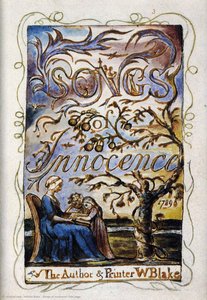
    • Songs of Innocence & Exp.
    • The Tyger
    • Jerusalem
  • Place Of Death: Londoo

Taiteilijan elämäkerta

William Blake – Visionary’s Journey: The Life and Art of William Blake

William Blake, born in London on November 28, 1757, was a figure perpetually out of step with his time, yet destined to become one of the most celebrated artists and poets of the Romantic Age. His life unfolded against the backdrop of a rapidly changing England—a world grappling with industrialization, political upheaval, and shifting spiritual beliefs. From humble beginnings as the son of a hosier, Blake’s early years were marked by an intensely vivid imagination and a propensity for visionary experiences that would profoundly shape his artistic trajectory. Though largely self-taught in formal academics, he received drawing instruction at a young age, quickly revealing a talent that hinted at the extraordinary path ahead. His apprenticeship with engraver James Basire proved pivotal, providing him not only with technical mastery but also an understanding of printmaking techniques he would later revolutionize. These early influences—the Gothic grandeur of Westminster Abbey, the classical forms of Raphael and Michelangelo—served as foundational elements in his developing aesthetic, though Blake was never one to remain bound by convention.

Early Life and Artistic Training

Blake’s formative years instilled within him a deep fascination with mythology and folklore, alongside an acute sensitivity to visual beauty. Despite lacking formal artistic education, he possessed an innate ability to capture the essence of observed subjects—a gift that would prove invaluable in his subsequent endeavors. His apprenticeship under James Basire honed his engraving skills, equipping him with precision and technical proficiency while simultaneously exposing him to the intricacies of printmaking processes. This experience fostered a critical awareness of prevailing artistic trends—particularly the idealized depictions favored by Neoclassical painters—which Blake deliberately rejected as sterile and lacking in spiritual depth. He sought inspiration from sources beyond the mainstream, immersing himself in the writings of philosophers like Erasmus Darwin and Milton, whose imaginative visions mirrored his own inner landscape.

Illuminated Printing: A Revolutionary Technique

Blake’s artistic innovation wasn't merely about subject matter; it resided fundamentally in *how* he created. Dissatisfied with conventional engraving methods—which he considered reductive and incapable of conveying the subtleties of emotion—he developed a unique process known as “illuminated printing.” This involved etching both text and illustrations onto copper plates, then painstakingly hand-coloring the resulting prints—a laborious but deeply personal approach that allowed for complete artistic control. This wasn’t simply illustration accompanying poetry; it was an integrated art form where image and verse were inextricably linked, each enhancing the meaning of the other. He achieved this remarkable feat by combining etching with watercolor pigments, creating images imbued with luminous color and textural richness—a technique that stood apart from prevailing artistic practices of his era. This revolutionary method enabled Blake to express his visionary ideas in a way that transcended the limitations of traditional printmaking, forging a path toward a new aesthetic dimension.

Major Works and Artistic Style

Blake’s oeuvre encompasses poetry, engravings, watercolors, and illuminated books—each reflecting his distinctive artistic vision. Among his most celebrated works are *Songs of Innocence & Experience* (1789), a dual collection exploring themes of childhood innocence and adult corruption; *The Marriage of Heaven & Hell* (1793), a provocative prose poem challenging moral conventions; and *Jerusalem*, an ambitious epic poem celebrating the spiritual redemption of Albion—the ancient name for Britain. His engravings, particularly those inspired by Dante’s *Divine Comedy*, demonstrate his mastery of printmaking techniques and his ability to translate complex narratives into powerful visual imagery. Blake's artistic style is characterized by a deliberate rejection of linear perspective in favor of flattened planes and symbolic representations—a stylistic choice that prioritized emotional impact over realistic depiction. He favored tempera paints for certain canvases, reflecting his admiration for the Renaissance aesthetic, and employed watercolor pigments with exceptional skill to achieve luminous effects and capture fleeting impressions.

Legacy and Influence

William Blake’s artistic legacy extends far beyond his own lifetime, profoundly influencing subsequent generations of artists and writers. The Pre-Raphaelites embraced him as a kindred spirit—a champion of imaginative vision and symbolic expression—drawing inspiration from his groundbreaking technique and thematic concerns. Later movements—Symbolism and Modernism—recognized in Blake's work an affirmation of subjectivity and spiritual exploration—values that resonated deeply with the anxieties and aspirations of their time. Today, William Blake is revered as a pivotal figure in Romantic art and literature—an artist whose uncompromising commitment to creative freedom continues to inspire artists and thinkers worldwide. His enduring influence testifies to the transformative power of imagination and the importance of questioning conventional dogma—a testament to Blake’s timeless relevance as a visionary voice within the history of art.

Pikaista tietoa

  • Subject or theme: Contemplation, Nature
  • Artistic style: Visionary, Engraving
  • Artist: William Blake
  • Movement: Romanticism