Katso seinällä
 Lähetä
 Jaa
Jaa
 Tarkemmat tiedot
 Opas
Opas

 Lataa kuva
 Samanlaisia kohteita
 Röntgenkuvaus
 Diaesitys
 Tilastot
Beatriz päällä kärryssä Matilde ja Dante

 Lue lisää
Giclée- ja taideprintit
Museolaatuisia giclée- tai kankaitaulun tulosteita nopealla tuotannolla ja joustavilla viimeistelyvaihtoehdoilla. ( Tilaa käsinmaalattu jäljennös Siirry digitaaliseen kuvaan)




P118B €10

P118H €10

P118W €10

P438Z €10

P508JH €12

P508YH €12

P805H €10

P805Z €10

P919BZ €10

P919G €10

P919XJ €10

P959ZH €10

P968JZ €12

W106C €8

W218G €10

W218JH €8

W218Y €10

W307PJ €10

W316G €10

W316PJ €8

W316Y €10

W398PJ €8

W4111J €10

W500HY €15

W500JH €15

W692G €12

W849H €8

W940BG €15

W953PJ €8




Valitse valmiista mitoistamme sellaiset, jotka vastaavat teoksen alkuperäisiä mittasuhteita.

Kirjoita tarvitsemasi leveys ja korkeus, jotta tuloste sopii kehyskokoon tai seinällesi. Tulostetta voidaan vain leikata, sitä ei voi koskaan tehdä suuremmaksi kuin alkuperäinen kuva, joten eri muotoinen koko aiheuttaa osan kuvasta katoamisen. Lähetämme sinulle digitaalisen mallikuvan hyväksyttäväksi ennen kuin aloitamme tulostuksen. Tällä sivulla näkyvä kuva ei näytä lopullista leikkausta — vain mallikuva näyttää sen.
Maailmanlaajuinen toimitus () 2 viikossa tavallisen 4–5 viikon sijaan. (26 lokakuu)

Ilmainen pikatoimitus ympäri maailman

Korkealaatuinen pellavakangas

Kattava kuljetusvakuutus

Tulliveron palautustakuu

Takuu täydellisestä värien vastaavuudesta

100 päivän palautusoikeus valmistusvirhetapauksissa

100% rahat takaisin -takuu

Määräalennus saatavilla
 Lasivaihtoehto on saatavilla vain alle 110 cm kokoisille teoksille

Beatriz päällä kärryssä Matilde ja Dante
Giclée- ja taideprintit
Replikaatin koko
-


Kokonaishinta
€ 70
Beatriz en el carro, Matilde y Dante: Un Encuentro Celestial Inspirado por Dante
William Blake, un artista cuya visión trascendental desafió las convenciones de su época, produjo obras que siguen fascinando al público moderno. Esta representación magistral del episodio del canto XXIX del Purgatorio de la Divina Comedia ofrece una ventana a la profunda sensibilidad artística y espiritual del Romanticismo inglés. Pintada alrededor de 1824-7, Beatriz en el carro captura la esencia misma de la poesía de Dante, donde el amor puro y la virtud representan un camino hacia la salvación divina. La obra presenta una composición equilibrada que centra su atención en el vehículo conducido por caballos donde Beatriz está acompañada por Matilde y Dante. Este grupo central está rodeado de árboles exuberantes y agua tranquila, creando una atmósfera de serenidad y esperanza que refleja los ideales filosóficos del artista. Blake utilizó técnicas mixtas caracterizadas por acuarelas suaves y líneas negras fuertes para crear profundidad y textura en la pintura. La precisión detallada con la que representa las figuras humanas y el entorno natural demuestra su dominio técnico y su capacidad para transmitir emociones complejas. Más allá de la belleza estética, Beatriz en el carro posee un significado simbólico profundo. El vehículo representa el viaje espiritual hacia el Paraíso, mientras que los caballos simbolizan fuerza y movimiento hacia adelante. La corona de reina que lleva Beatriz refuerza la idea de dignidad y virtud, cualidades esenciales para alcanzar la iluminación divina según la filosofía cristiana del artista. Blake buscó expresar estos conceptos complejos mediante imágenes poderosas y evocadoras, utilizando colores ricos y armoniosos para crear una sensación de trascendencia espiritual. La obra fue creada en un período marcado por cambios sociales y culturales significativos, como el ascenso de la industrialización y el cuestionamiento de las creencias religiosas tradicionales. Blake se inspiró en figuras clave del pensamiento occidental, como Platón y Aristóteles, buscando soluciones filosóficas a los problemas morales y religiosos de su tiempo. Esta influencia se manifiesta en la representación simbólica del viaje espiritual hacia el Paraíso, donde el amor puro y la virtud son considerados caminos esenciales para alcanzar la salvación eterna. La pintura fue adquirida por el Museo Tate Britain en Londres, donde actualmente puede admirarse por visitantes interesados en conocer la obra de este artista excepcional. Beatriz en el carro sigue siendo una fuente de inspiración para artistas y críticos contemporáneos, quienes reconocen en ella la fuerza expresiva y la profundidad simbólica características del Romanticismo inglés. Una reproducción de alta calidad permite apreciar los detalles minuciosos de esta obra maestra artística que celebra la belleza y la sabiduría humana.- Artista: William Blake
- Año: Circa 1824-7
- Técnica: Acuarela y grabado en papel
- Colección: Tate Britain
Kysymykset ja vastaukset
Voinko katsoa teosta "Beatriz päällä kärryssä Matilde ja Dante" koko näytön diashow'na?
Teoksen "Beatriz päällä kärryssä Matilde ja Dante" diaporama on katsottavissa teoksen Diaesitys -sivulla.
Missä asennossa William Blake:n "Beatriz päällä kärryssä Matilde ja Dante" on?
Teoksella William Blake:n "Beatriz päällä kärryssä Matilde ja Dante" on Vaakaorientaatio -muoto. Muoto kuvaa sommittelun mittasuhteita.
Mihin käyttöön William Blake:n "Beatriz päällä kärryssä Matilde ja Dante" on suositeltu?
William Blake:n "Beatriz päällä kärryssä Matilde ja Dante"-teoksen reproduktio on suositeltava Korostusväri. Tämä suositus perustuu teoksen aiheeseen, tunnelmaan ja väreihin.
Taiteilijan elämäkerta
William Blake – Visionary’s Journey: The Life and Art of William Blake
William Blake, born in London on November 28, 1757, was a figure perpetually out of step with his time, yet destined to become one of the most celebrated artists and poets of the Romantic Age. His life unfolded against the backdrop of a rapidly changing England—a world grappling with industrialization, political upheaval, and shifting spiritual beliefs. From humble beginnings as the son of a hosier, Blake’s early years were marked by an intensely vivid imagination and a propensity for visionary experiences that would profoundly shape his artistic trajectory. Though largely self-taught in formal academics, he received drawing instruction at a young age, quickly revealing a talent that hinted at the extraordinary path ahead. His apprenticeship with engraver James Basire proved pivotal, providing him not only with technical mastery but also an understanding of printmaking techniques he would later revolutionize. These early influences—the Gothic grandeur of Westminster Abbey, the classical forms of Raphael and Michelangelo—served as foundational elements in his developing aesthetic, though Blake was never one to remain bound by convention.Early Life and Artistic Training
Blake’s formative years instilled within him a deep fascination with mythology and folklore, alongside an acute sensitivity to visual beauty. Despite lacking formal artistic education, he possessed an innate ability to capture the essence of observed subjects—a gift that would prove invaluable in his subsequent endeavors. His apprenticeship under James Basire honed his engraving skills, equipping him with precision and technical proficiency while simultaneously exposing him to the intricacies of printmaking processes. This experience fostered a critical awareness of prevailing artistic trends—particularly the idealized depictions favored by Neoclassical painters—which Blake deliberately rejected as sterile and lacking in spiritual depth. He sought inspiration from sources beyond the mainstream, immersing himself in the writings of philosophers like Erasmus Darwin and Milton, whose imaginative visions mirrored his own inner landscape.Illuminated Printing: A Revolutionary Technique
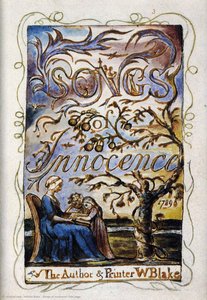
Blake’s artistic innovation wasn't merely about subject matter; it resided fundamentally in *how* he created. Dissatisfied with conventional engraving methods—which he considered reductive and incapable of conveying the subtleties of emotion—he developed a unique process known as “illuminated printing.” This involved etching both text and illustrations onto copper plates, then painstakingly hand-coloring the resulting prints—a laborious but deeply personal approach that allowed for complete artistic control. This wasn’t simply illustration accompanying poetry; it was an integrated art form where image and verse were inextricably linked, each enhancing the meaning of the other. He achieved this remarkable feat by combining etching with watercolor pigments, creating images imbued with luminous color and textural richness—a technique that stood apart from prevailing artistic practices of his era. This revolutionary method enabled Blake to express his visionary ideas in a way that transcended the limitations of traditional printmaking, forging a path toward a new aesthetic dimension.Major Works and Artistic Style
Blake’s oeuvre encompasses poetry, engravings, watercolors, and illuminated books—each reflecting his distinctive artistic vision. Among his most celebrated works are *Songs of Innocence & Experience* (1789), a dual collection exploring themes of childhood innocence and adult corruption; *The Marriage of Heaven & Hell* (1793), a provocative prose poem challenging moral conventions; and *Jerusalem*, an ambitious epic poem celebrating the spiritual redemption of Albion—the ancient name for Britain. His engravings, particularly those inspired by Dante’s *Divine Comedy*, demonstrate his mastery of printmaking techniques and his ability to translate complex narratives into powerful visual imagery. Blake's artistic style is characterized by a deliberate rejection of linear perspective in favor of flattened planes and symbolic representations—a stylistic choice that prioritized emotional impact over realistic depiction. He favored tempera paints for certain canvases, reflecting his admiration for the Renaissance aesthetic, and employed watercolor pigments with exceptional skill to achieve luminous effects and capture fleeting impressions.Legacy and Influence
William Blake’s artistic legacy extends far beyond his own lifetime, profoundly influencing subsequent generations of artists and writers. The Pre-Raphaelites embraced him as a kindred spirit—a champion of imaginative vision and symbolic expression—drawing inspiration from his groundbreaking technique and thematic concerns. Later movements—Symbolism and Modernism—recognized in Blake's work an affirmation of subjectivity and spiritual exploration—values that resonated deeply with the anxieties and aspirations of their time. Today, William Blake is revered as a pivotal figure in Romantic art and literature—an artist whose uncompromising commitment to creative freedom continues to inspire artists and thinkers worldwide. His enduring influence testifies to the transformative power of imagination and the importance of questioning conventional dogma—a testament to Blake’s timeless relevance as a visionary voice within the history of art.
William Blake
1757 - 1827 , Englanti
Tietoa taiteilijasta
- Artistic Movement Or Style: Romantiikka
- Artists Who Influenced This Artist:
- Raphael
- Michelangelo
- Date Of Birth: 1757
- Full Name: William Blake
- Nationality: Englanti
- Notable Artworks:
- Songs of Innocence & Exp.
- The Tyger
- Jerusalem
- Place Of Death: Londoo
Aiheeseen liittyvät artikkelit

Romantic Realism's Finest: 10 Masterpieces for Your Home | OriginalUniqueArt
Explore 10 defining masterpieces of Romantic Realism! Discover Courbet, Millet & Daumier's powerful paintings—capturing emotion and social realities. Find museum-quality reproductions for your home at OriginalUniqueArt.com.

Dante Gabriel Rossettin 25 mestariteosta: Taidetta ja inspiraatiota kotiisi | OriginalUniqueArt
Tutustu Dante Gabriel Rossettin 25 lumoavinta mestariteosta! Uppoudu viktoriaanisen ajan symbolismiin ja Pre-Raphaelite taiteen maailmaan. Löydä inspiraatiota sisustukseesi ja hanki korkealaatuisia taideprinttejä OriginalUniqueArt.comista. Tutki kokoelma verkossa!

William Blake: Romantic Visionary & Mystical Genius of the Imagination
Explore the mystical art & poetic genius of William Blake (1757-1827). Discover his revolutionary illuminated printing, rich symbolism, and lasting influence on Romanticism. Find handmade reproductions at OriginalUniqueArt.

Sir William Blake Richmond: A Visionary of Aestheticism & Symbolism
Explore the life & art of Sir William Blake Richmond, a pivotal figure bridging Pre-Raphaelitism and Aestheticism. Discover his stunning portraits, mosaics at St Paul's Cathedral, and lasting influence on Victorian art.
John Varley I: Intimate Observation & the British Romantic Landscape
Explore the serene landscapes of John Varley I, a key figure in British Romanticism. Discover his unique watercolour style, collaboration with William Blake & lasting artistic legacy. Learn about collecting Varley's work.