Esikatselu
 Jaa teos
 Jaa
Jaa
 Tiedot
 Opas
Opas

 Lataa kuva
 Samanlaisia kohteita
 Röntgenkuvaus
 Diaesitys
 Kysymykset ja vastaukset
 Tilastot
In The Forest

- 26.0 x 19.0 cm


 Lue lisää
Giclée- ja taideprintit
Museolaatuisia giclée- tai kankaitaulun tulosteita nopealla tuotannolla ja joustavilla viimeistelyvaihtoehdoilla. ( Osta käsinmaalattu taideteos Siirry digitaaliseen kuvaan)




P118B €10

P118H €10

P118W €10

P438Z €10

P508JH €12

P508YH €12

P805H €10

P805Z €10

P919BZ €10

P919G €10

P919XJ €10

P959ZH €10

P968JZ €12

W106C €8

W218G €10

W218JH €8

W218Y €10

W307PJ €10

W316G €10

W316PJ €8

W316Y €10

W398PJ €8

W4111J €10

W500HY €15

W500JH €15

W692G €12

W849H €8

W940BG €15

W953PJ €8




Valitse valmiista mitoistamme sellaiset, jotka vastaavat teoksen alkuperäisiä mittasuhteita.

Syötä tarvitsemasi leveys ja korkeus, jotta tuloste sopii kehyksiisi tai seinällesi. Tulostetta voidaan vain leikata, sitä ei voida koskaan suurentaa alkuperäistä kuvaa suuremmaksi, joten eri muotoinen koko aiheuttaa osan kuvasta katoamisen. Lähetämme sinulle digitaalisen mallikuvan hyväksyttäväksi ennen kuin aloitamme tulostuksen. Tällä sivulla näkyvä kuva ei näytä lopullista rajausta — vain mallikuva näyttää sen.
Maailmanlaajuinen toimitus () 2 viikossa tavallisen 4–5 viikon sijaan. (6 marraskuu)

Ilmainen pikatoimitus ympäri maailman

Korkealaatuinen pellavakangas

Kattava kuljetusvakuutus

Tulliveron palautustakuu

Takuu täydellisestä värien vastaavuudesta

100 päivän palautusoikeus (vain valmistusvirheet)

100% rahat takaisin -takuu

Määräalennus tarjolla
 Lasivaihtoehto on saatavilla vain alle 110 cm kokoisille teoksille

In The Forest
Giclée- ja taideprintit
Replikaatin koko
-


Kokonaishinta
€ 72
A Journey Into Color and Emotion: Wassily Kandinsky’s “In The Forest”
Wassily Kandinsky's "In The Forest," painted in 1904, isn’t merely a depiction of a woodland scene; it’s an immersive experience—a vibrant portal into the artist’s burgeoning world of abstract expression. Born in Moscow and initially pursuing a career in law, Kandinsky’s artistic awakening arrived later in life, fueled by a profound encounter with Monet's "Haystacks." This pivotal moment ignited a lifelong quest to translate inner emotions onto canvas, a journey culminating in works like “In The Forest,” which stands as a crucial stepping stone toward his groundbreaking abstract style. The painting, measuring a modest 26 x 19 cm, belies the monumental impact it would have on the course of modern art.
At first glance, the composition presents a familiar landscape: a man and horse traversing a mountainous terrain beneath a cloudy sky. However, Kandinsky deliberately strips away representational accuracy, prioritizing instead the raw power of color and form. The figures are rendered with simplified shapes—the man’s hat a distinct geometric element, the horse’s body a blocky structure—while the mountains dissolve into swirling masses of blues, greens, and browns. This deliberate ambiguity invites the viewer to engage not just with what *is* depicted, but with what *feels* depicted – a sense of movement, energy, and perhaps even a hint of unease.
The Language of Form and Color
Kandinsky’s technique in “In The Forest” is characterized by bold, expressive brushstrokes and an almost obsessive attention to color relationships. He employed a technique he termed ‘psychological coloring,’ believing that colors possessed inherent emotional qualities. Deep blues evoke feelings of melancholy and introspection, while vibrant greens suggest vitality and growth. The use of contrasting hues creates visual tension, mirroring the internal struggles and aspirations represented within the painting. Kandinsky’s layering of pigments—often applied in thick impasto—adds a tactile dimension to the work, inviting closer inspection and encouraging the viewer to lose themselves in its textured surface.
Influenced by movements like Expressionism and Fauvism, which prioritized emotional impact over strict realism, Kandinsky sought to create paintings that communicated directly with the subconscious. He famously wrote about his artistic philosophy, stating that “the artist must not depict what he sees, but what he feels.” This sentiment is powerfully realized in "In The Forest," where recognizable forms are subsumed by a swirling vortex of color and shape—a visual embodiment of inner experience.
Symbolism and the Journey Within
The central image – the man on horseback – carries significant symbolic weight. It represents an individual embarking on a journey, confronting challenges and navigating uncertain terrain. The horse itself symbolizes strength, power, and perhaps even a primal instinct. The mountainous landscape serves as a metaphor for obstacles and difficulties, while the cloudy sky hints at both hope and apprehension. Kandinsky wasn’t simply painting a forest; he was exploring the complexities of human existence—the interplay between ambition, vulnerability, and the search for meaning.
Interestingly, Kandinsky's work during this period reflects his own personal journey – a transition from a structured academic life to one dedicated entirely to art. The painting can be interpreted as an allegory for this transformation, a visual representation of shedding old identities and embracing new possibilities. The influence of figures like Pablo Picasso, particularly in his exploration of form and perspective, is subtly present, yet Kandinsky ultimately forged his own unique path toward abstraction.
A Legacy of Innovation
"In The Forest" stands as a pivotal work in the development of abstract art, demonstrating Kandinsky’s pioneering approach to non-representational painting. Its influence can be seen in countless artists who followed, shaping the trajectory of 20th-century art and beyond. As documented by Wikipedia and other historical sources, Kandinsky's exploration of color and form continues to resonate with audiences today, reminding us of the power of art to evoke emotion, stimulate imagination, and transcend the boundaries of conventional representation. OriginalUniqueArt.com offers meticulously crafted oil painting reproductions of “In The Forest,” allowing you to bring this iconic masterpiece into your own space and experience its captivating beauty firsthand.
OriginalUniqueArt.com is your premier destination for high-quality, handmade oil painting reproductions. Explore our collection today and discover the beauty of art in its finest form. In The Forest by Wassily Kandinsky (1904) | Improvisation XIV by Wassily Kandinsky | Seated man (Self-portrait) by Pablo Picasso
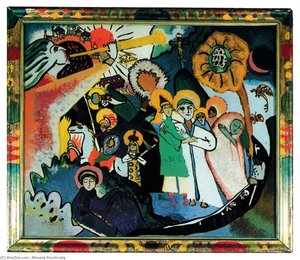
In The Forest by Wassily Kandinsky (1904)
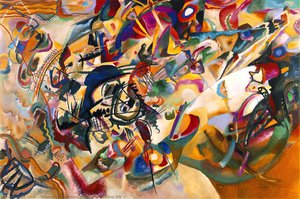
Improvisation XIV by Wassily Kandinsky
Seated man (Self-portrait) by Pablo Picasso
- In The Forest by Wassily Kandinsky (1904)
- Improvisation XIV by Wassily Kandinsky
- Seated man (Self-portrait) by Pablo Picasso
Kysymykset ja vastaukset
Kenen teokseksi "In The Forest" on merkitty?
Teos "In The Forest" on yhdistetty Wassily Wassilyevich Kandinsky.
Mikä tulostusasetus on suositeltava teokselle Wassily Wassilyevich Kandinsky:n "In The Forest"?
Koko Medium, Portrait-suuntaus: tämä on teokselle Wassily Wassilyevich Kandinsky:n "In The Forest" suositeltu tulostusasetus.
Ovatko teoksen Wassily Wassilyevich Kandinsky:n "In The Forest" värit kylläisiä vai hillittyjä?
Teoksen Wassily Wassilyevich Kandinsky:n "In The Forest" värien kylläisyys on Balanced Soft. Kylläisyys kuvaa sitä, kuinka voimakkaita tai himmeitä värit ovat.
Taiteilijan elämäkerta
A Life Immersed in Color and Spirit
Wassily Wassilyevich Kandinsky, syntyvä Moskovassa vuonna 1866, oli vallankumouksellinen taiteilija, joka mullisti täysin modernin taiteen kulkua. Hänen matkansa ei ollut välittömästi taiteelliseen kutsumukseen; hän oli alun perin määrätty lakimies- ja taloustieteen uralle Moskovan yliopistossa, mutta syvä kohtaaminen Impressionismin kanssa – erityisesti Claude Monetin “Peltolätkä” - ja koskettava kokemus Richard Wagnerin oopperasta "Lohengrin" sytyttivät hänessä sammuneen taiteellisen halun. Tämä keskeinen hetki, joka tapahtui noin kolmenkympin ikää myötä, ei merkinnyt pelkästään uran muutosta vaan täydellistä näkemyskentän muuttumista, asettaen hänet polulle, jolla hän pioneerili jo abstraktia taidetta. Hän muutti pian Müncheniin ja hakeutui arvostettuun Taideakatemian opiskelijaksi Franz von Stuckin valvonnassa, vaikka koulutuksen puitteissa Kandinsky’n henki kaipasi tutkimusta perinteisten rajojen ulkopuolelle. Varhaiset vaikutteet sisälsivät venäläistä kansantaidetta, jonka hän hankki etnografisella retkellä Vologdan alueelle vuonna 1889, mikä herätti hänen kiinnostuksensa eloisien väripalettien ja symbolisen kuvaston suhteen. Tämä pohja osoittautui ratkaisevaksi, kun hän alkoi kehittää ainutlaatuista taiteellista kieltään. Nämä varhaiset tutkimukset eivät olleet pelkästään esteettisiä mieltymyksiä; ne juonsivat juurensa syvään kulttuuriseen yhteyteen ja ymmärrykseen siitä, miten taide voisi kommunikoida ulkopuolella kirjaimellista.The Dawn of Abstraction: From Expressionism to Inner Necessity
Varhaisissa teoksissaan Kandinsky’n tyyli oli vahvasti ekspressionistinen, tunnusomaista olivat rohkeat värit ja tunteiden voima – esimerkiksi vuodelta 1902 oleva "Papeln (Poplars)" on esimerkki tästä ajanjaksosta. Hän ei kuitenkaan ollut tyytyväinen pelkästään ulkoisen maailman esittämiseen; hän etsi sisäisten todellisuuksien, hengellisiä totuuksia, jotka ylittivät pelkän visuaalisen esityksen. Tämä tavoite johti häntä vähitellen pois representaatiotaidetta ja kohti vallankumouksellista tutkimusta värien, muotojen ja niiden tunteellisen resonanssin suhteen. Hän alkoi uskoa, että värit omaavat omat sisäänrakennetut psykologiset vaikutukset, jotka pystyvät herättämään tiettyjä tunteita ja aistimuksia katsojassa. Tämä vakaumus oli tiiviisti sidoksissa hänen kasvavaan kiinnostukseensa Teosofiaa kohtaan, henkistä liikettä, joka korosti esoteerista tietoa ja universalia veljeilyä. Syventyessään näihin ideoihin Kandinsky’n maalaukset muuttuivat yhä vähemmän representaatiivisiksi, jättäen tunnistetut muodot taakseen ja keskittyen abstraktien komposiittien tutkimiseen, jotka perustuivat sisäiseen tarpeeseen. Tämä ei ollut pelkästään esityksen hylkäämistä; se oli uuden visuaalisen kielen löytämistä, joka pystyi ilmaisemaan aineettomia tunteita ja hengellisiä totuuksia. Hän pyrki luomaan visuaalisen vastineen musiikille, jossa värit ja muodot harmonisoituvat herättämään syviä tunteita.Geometric Harmony and Spiritual Resonance
Kandinsky’n taide kehittyi merkittävästi hänen osallistuessaan vaikutusvaltaiseen taiteilijaryhmään Der Blaue Reiter (Sininen ratsastaja), jonka hän perusti Münchenissä vuonna 1911. Vaikka aiemmissa teoksissa näkyi usein virtaavia, orgaanisia muotoja, hän alkoi tutkia geometrista abstraktiota keskittyen ympyröiden, kolmioiden ja neliöiden vuorovaikutukseen. "Several Circles" (140 x 140 cm) on esimerkki tästä vaiheesta – dynaaminen komposiitio, jossa värit ja muodot vuorovaikuttavat harmonisesti mutta energisesti. Tämä ei ollut kylmää tai tyhjää geometriaa; se oli kyllä sydän syvästi symbolinen. Kandinsky uskoi, että geometriset muodot omaavat omat sisäänrakennetut symboliset merkityksensä ja niiden järjestely taiteilijan maalauksessa voivat herättää tiettyjä tunteita. Hänen teoreettiset teoksensa, erityisesti "Concerning the Spiritual in Art" (1911), artikuloivat nämä uskomukset asettaen pohjan uudelle ymmärrykselle abstraktista taiteesta välineenä syvien hengellisten totuuksien ilmaisemiseen. Hän argumentoi, että taide ei tulisi pyrkiä jäljittelemään luontoa vaan paljastamaan taiteilijan sisämaailman ja yhdistämään katsojan syvemmälle, intuitiivisemmalle tasolle.Bauhaus Influence and Lasting Legacy
Ensimmäisen maailmansodan purkautuminen pakotti Kandinsky’n palaamaan Venäjälle vuonna 1914, mutta vallankumouksen jälkeen hän löysi itsensä yhä enemmän ristiriidassa vallitsevan taiteellisen ilmapiirin kanssa. Vuonna 1920 hän hyväksyi opettajan viran Bauhaus-taidekoulussa Saksassa, jossa hän vaikutti voimakkaasti useiden taiteilijoiden ajatteluun värien, muotojen ja abstraktion suhteen. Bauhaus tarjosi Kandinsky’lle ihanteellisen ympäristön kehittää ideoitaan ja tutkia uusia luovia polkuja. Hän jatkoi geometristen muotojen ja eloisien värien kokeilua usein sisällyttäen kerroksittaisia impasto-tekniikoita, jotka lisäsivät pintaan syvyyttä ja monimutkaisuutta. "An Intimate Party" (1942) on esimerkki tästä. Kandinsky’n vaikutus moderniin taiteeseen on mittaamaton; hän tunnetaan laajalti abstraktin ekspressionismin pioneerina ja keskeisenä hahmona ei-representatiivisen maalaustyylin kehityksessä. Teoksiaan säilytetään suurissa museoissa ympäri maailmaa, mukaan lukien Tretyakov Gallery Moskovassa, joka omistaa hänen monumentaalisen "Composition VII":n, testamenttinsa taiteelliseen visioon ja kestävään perintöön.
Wassily Wassilyevich Kandinsky
1866 - 1944 , Venäjä
Pähkinänkuoressa
- Artistic Movement Or Style: Abstrakti taide, Ekspressionismi
- Artists Or Movements Influenced By This Artist: ['Abstrakti ekspressionismi']
- Artists Who Influenced This Artist:
- Claude Monet
- Richard Wagner
- Date Of Birth: 1866-12-04
- Date Of Death: 1944-12-13
- Full Name: Wassily Wassilyevich Kandinsky
- Nationality: Venäläinen, Ranskalainen
- Notable Artworks:
- Temppelikampanja
- Useita ympyröitä
- Intimate Party
- Place Of Birth: Moskova, Venäjä
Aiheeseen liittyvät artikkelit

Abstraktin ekspressionismin mestariteokset: Taidetta ja inspiraatiota kotiisi
Tutustu abstraktin ekspressionismin 10 mestariteokseen! Jackson Pollock, Mark Rothko ja muut taiteilijat inspiroivat tunteellisuudellaan. Löydä upeita taidemaalauksia kotiisi OriginalUniqueArt.comista – museolaatuista laatua ja sisustusehdotuksia.
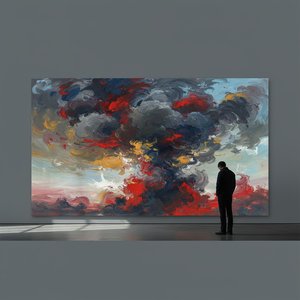
Beyond Representation: Exploring the Emotional Landscape of Abstract Expressionism
Explore the profound emotional world of Abstract Expressionism with OriginalUniqueArt. Discover key artists like Pollock & Rothko, learn about collecting, and find museum-quality reproductions to inspire your space.
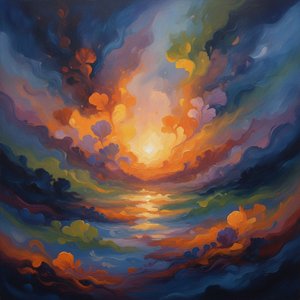
The Soul of Color: A Journey into the Emotional Resonance of Lyrical Abstraction
Embark on a cultural journey through Lyrical Abstraction. Explore how masters like Kandinsky used color and motion to translate emotion into visual poetry. Discover the profound beauty of abstract expressionism and learn to curate emotional resonance in your own art collection.

Geometrisen abstraktion mestariteokset: Taidetta kotiin OriginalUniqueArtilta
Tutustu geometrisen abstraktion 10 mestariteokseen! Piet Mondrian, Kandinsky ja muut taiteilijat muovasivat modernin taiteen historiaa. Löydä inspiraatiota kotiisi OriginalUniqueArtilta – laadukkaat taideprintit ja sisustusehdotukset odottavat. Tutki kokoelma verkossa!

Wassily Kandinskin 25 mestariteosta: Värien ja muodon syvä maailma | OriginalUniqueArt
Tutustu Wassily Kandinskin 25 vaikuttavinta teosta! Uppoudu abstraktin taiteen maailmaan, värien symboliikkaan ja modernin ekspressionismin historiaan. Löydä inspiraatiota kodin sisustukseen OriginalUniqueArt.com:ista – laadukkaat taideprintit ja reproduktiot.