
 Esikatselu
 Jaa
Jaa Jaa
Jaa
 Tarkemmat tiedot

 Lataa
Lataa
 Samanlaisia
 Röntgenkuva
 Diaesitys
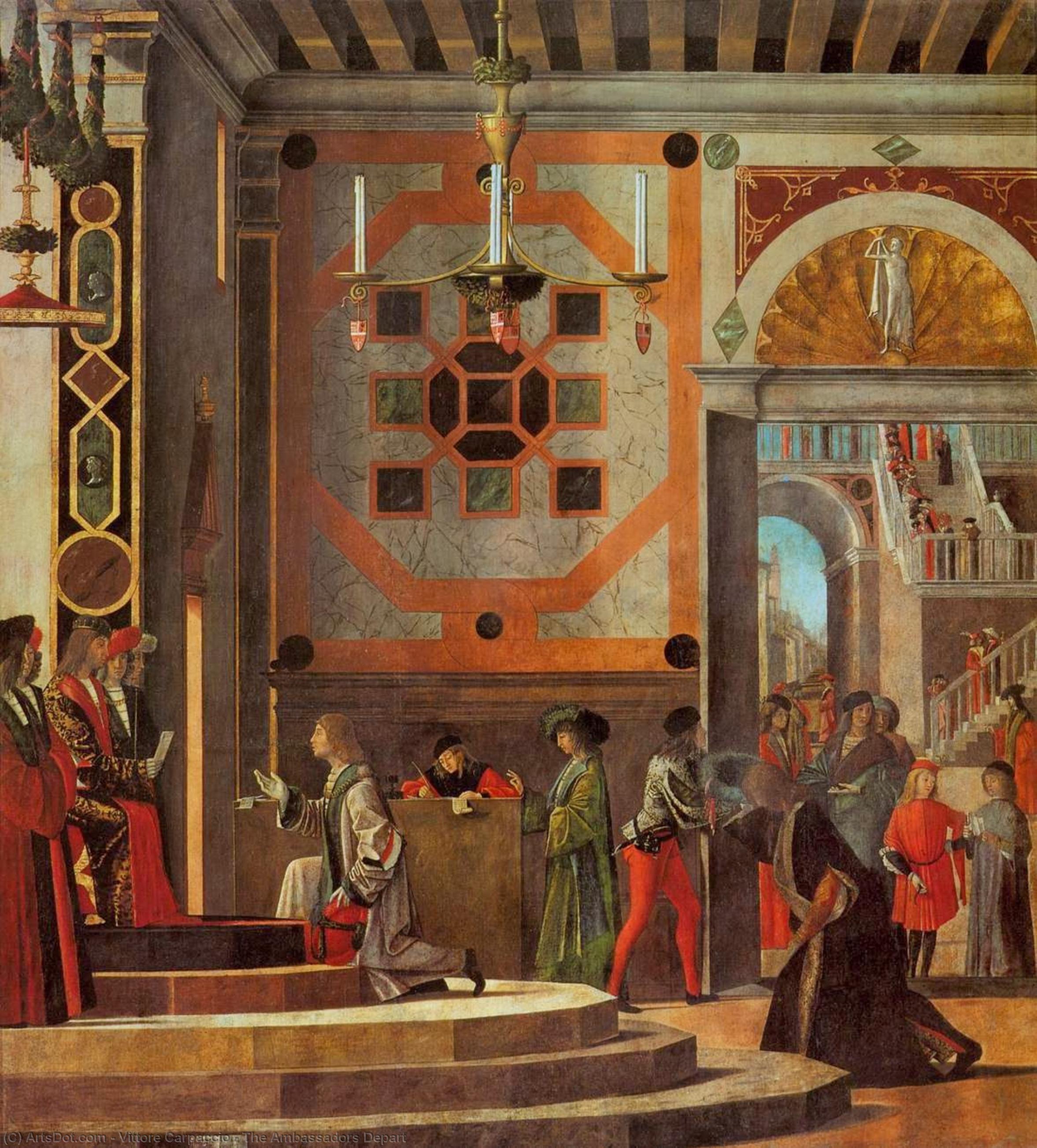
The Ambassadors Depart
 Oil On Canvas
- WallArt
- Renaissance
 1495
1495 280.0 x 253.0 cm
 Gallerie dell’Accademia
 Näytä lisää
Giclée-printit ja taideprintit
Museolaatuisia giclée- tai kankaitaulun tulosteita nopealla tuotannolla ja joustavilla viimeistelyvaihtoehdoilla. ( Osta käsintehty maalaus Osta kuva)




P118B $10

P118H $10

P118W $10

P438Z $10

P508JH $12

P508YH $12

P805H $10

P805Z $10

P919BZ $10

P919G $10

P919XJ $10

P959ZH $10

P968JZ $12

W106C $8

W218G $10

W218JH $8

W218Y $10

W307PJ $10

W316G $10

W316PJ $8

W316Y $10

W398PJ $8

W4111J $10

W500HY $15

W500JH $15

W692G $12

W849H $8

W940BG $15

W953PJ $8




Valitse valmiista mitoistamme sellaiset, jotka vastaavat teoksen alkuperäisiä mittasuhteita.

Voit syöttää omat mitat sopiaksesi tiettyyn kehykseen tai tilaan. Jos valittu koko ei vastaa alkuperäisen kuvan mittasuhteita, rajaamme teosta tai laajennamme kuvaa peilatulla tai yhtenäisellä reunalla. Digitaalinen mallikuva lähetetään hyväksyttäväksi ennen tuotannon aloittamista.
Huomaathan, että näytöllä näkyvä esikatselu ei vastaa lopullista rajausta tai laajennusta. Vain mallikuva näyttää lopullisen sommittelun tarkasti.
Vaikka räätälöityjä kokoja on saatavilla, suosittelemme valitsemaan mitat valmiista listasta alkuperäisten mittasuhteiden säilyttämiseksi.
Toimitus maailmanlaajuisesti () kahdessa viikossa tavallisen 4–5 viikon sijaan. (27 elokuu)

Ilmainen pikatoimitus ympäri maailman

Korkealaatuinen pellavakangas

Kattava kuljetusvakuutus

Tulliveron palautustakuu

Täydellinen värien vastaavuustakuu

60 päivän palautusoikeus (vain valmistusvirheet)

100% rahat takaisin -takuu

Määräalennus tarjous
 Lasivaihtoehto on saatavilla vain alle 110 cm kokoisina teoksina

The Ambassadors Depart
Giclée-printit ja taideprintit
Replikaatin koko
-


Kokonaishinta
$ 80
Teoksen kuvaus
The Ambassadors Depart by Vittore Carpaccio
“The Ambassadors Depart,” painted in 1495 by Venetian artist Vittore Carpaccio, stands as a testament to the artistic fervor of the Renaissance and embodies the grandeur of Venetian aristocratic life. This monumental canvas—part of a larger cycle depicting Saint Ursula’s Legend—captures a pivotal moment within the narrative, portraying two figures emerging from a richly ornamented hall into an expansive outdoor vista.
Subject Matter & Narrative
The artwork centers around a nobleman receiving documents bearing seals of authority, symbolizing legal proceedings and conveying power. Alongside him stands another man, likely representing diplomacy or scholarship, engaged in contemplation—a deliberate juxtaposition reflecting the intellectual pursuits valued during this era. The figures are positioned within a grand hall adorned with columns, arches, and intricate decorative panels, meticulously crafted to convey status and prestige.
Style & Technique: Venetian Renaissance Realism
Carpaccio’s style aligns closely with the Venetian Renaissance tradition, prioritizing meticulous detail and realistic representation over idealized forms. Influenced by Antonello da Messina's pioneering use of oil paint—a technique that allowed for unprecedented luminosity and textural depth—Carpaccio skillfully employs layering of paint to achieve remarkable realism. Brushwork is deliberate and controlled, capturing subtle nuances of light and shadow, particularly evident in the drapery folds and architectural surfaces. The artist’s masterful handling of color contributes to the overall atmosphere of solemnity and formality.
Historical Context & Symbolism
Painted during a period marked by humanist scholarship and artistic innovation, “The Ambassadors Depart” reflects the Venetian Republic's dominance in trade and diplomacy. Carpaccio’s depiction of legal documents underscores the importance of law and governance within Renaissance society. The expansive vista beyond the hall symbolizes openness to new ideas and horizons—a visual metaphor for intellectual curiosity and exploration. Furthermore, the clothing and gestures of the figures communicate social hierarchy and convey messages of solemn duty.
Emotional Impact & Artistic Legacy
The artwork evokes a sense of contemplative grandeur, inviting viewers to contemplate themes of authority, justice, and enlightenment. Carpaccio’s unwavering commitment to realism—combined with his masterful use of color and texture—solidifies “The Ambassadors Depart” as an enduring masterpiece of Venetian Renaissance painting. Its influence can be seen in subsequent artistic endeavors, demonstrating its lasting significance within the broader canon of European art history.
Taiteilijan elämäkerta
Early Life and Training
Vittore Carpaccio, a prominent Italian painter of the Venetian school, was born in Venice around 1465. He studied under the tutelage of Gentile Bellini, a renowned artist of the venetian school. This apprenticeship laid the foundation for carpaccio's future success. Little is known about his early life beyond this formative period; details regarding his family and upbringing remain elusive to historians. However, Carpaccio’s artistic inclinations were evident from a young age, propelling him toward formal training within Bellini’s workshop—a crucible of Venetian artistic innovation during the Renaissance.Artistic Style and Influences
Carpaccio's style was characterized by its conservative nature, demonstrating minimal influence from the humanist trends that transformed italian renaissance painting during his lifetime. Unlike many of his contemporaries who embraced intellectual discourse and experimentation, Carpaccio adhered to a more traditional aesthetic approach. His work was profoundly shaped by Antonello da Messina’s stylistic brilliance—particularly his masterful use of light and color—and early Netherlandish art, notably Jan van Eyck's meticulous detail and realism. This unique confluence of influences resulted in a distinctive Venetian painting style that prioritized narrative clarity and emotional resonance over abstract conceptualization.Notable Works
Carpaccio’s artistic output spanned from 1490 to 1519, securing his position as one of the early masters of the venetian renaissance. His most celebrated achievement is undoubtedly “The Legend of Saint Ursula,” a monumental cycle of nine paintings housed in the Gallerie dell'Accademia. This ambitious undertaking exemplifies Carpaccio’s unparalleled skill in conveying biblical narratives with dramatic intensity and visual splendor—a hallmark of Venetian art at the time. Equally impressive is “Glory of St. Ursula Altarpiece” (1491), which showcases Carpaccio’s ability to capture ethereal light and imbue his figures with palpable emotion, mirroring Bellini's stylistic sensibilities. Furthermore, "Miracle of the Relic of the Cross at the Ponte di Rialto" (1494) demonstrates Carpaccio’s masterful compositional balance—a technique honed through observation of Flemish masters—effectively communicating a complex theological theme.Career Highlights and Legacy
Carpaccio’s principal works were executed during his prolific artistic career, cementing his reputation as a leading figure in Venetian art history. His exploration of orientalist motifs—evident in “St. George Baptizing the Selenites”—reflects the broader Renaissance fascination with distant lands and cultures. Despite being somewhat overshadowed by luminaries like Bellini and Giorgione, Carpaccio’s enduring legacy resides in his contribution to the Venetian school's artistic canon—a testament to his unwavering dedication to craftsmanship and narrative storytelling. His meticulous attention to detail and expressive use of color continue to inspire admiration among art historians and collectors alike.References and Further Reading
Discover more about Vittore Carpaccio and the Venetian School on OriginalUniqueArt.
Vittore Carpaccio
1465 - 1526 , Italia
Pikatiedot
- Artistic Movement Or Style: Varhainen venetsialainen renessanssi
- Artists Who Influenced This Artist:
- Gentile Bellini
- Antonello da Messina
- Date Of Birth: Venetsia, Italia (c. 1465)
- Date Of Death: 1526
- Full Name: Vittore Carpaccio
- Nationality: Italian
- Notable Artworks:
- Pyhä Ursulan legenda
- Pyhimyksen kunnia
- Kristuksen ristin ihme Ponte di Rialtonissa
- Place Of Birth: Venetsia
Liittyvät artikkelit
Vittore Carpaccio: Venetian Renaissance Narrative & the Poetics of Detail
Explore the captivating world of Vittore Carpaccio, a master storyteller of the Venetian Renaissance. Discover his intricate details, narrative cycles like 'The Legend of St. Ursula,' and unique artistic style.

The Enduring Legacy of Oil on Canvas: Technique, History & Aesthetic Impact
Explore the rich history & techniques of oil painting – from Renaissance masters to Impressionism. Discover pigments, layering methods, and why this timeless medium endures. Expert insights for artists & art enthusiasts.

Oil on Canvas: A Historical & Technical Exploration of a Timeless Artistic Medium
Explore the rich history & enduring techniques of oil painting on canvas. Discover the science behind its longevity, conservation practices, and contemporary relevance. Expert insights for art enthusiasts.

The Enduring Power of Painting: A Historical & Contemporary Exploration of Form and Emotion
Explore the rich history & enduring techniques of oil painting with OriginalUniqueArt. Discover masterpieces, learn about art collecting, and find authentic handmade reproductions crafted by skilled artists.

The Golden Light of Innovation: Exploring the Venetian Renaissance Art Movement (1430–1580)
Explore the Golden Age of Venetian art (1430–1580). Discover Giorgione, Titian & Tintoretto's techniques, the 'colorito' revolution, and lasting influence. Expert insights for collectors & enthusiasts.



