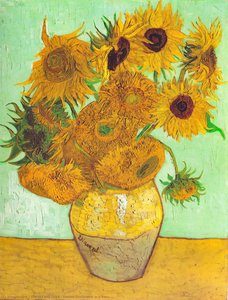
Katso seinällä
 Lähetä
 Jaa
Jaa
 Tarkemmat tiedot
 Opas
Opas

 Lataa kuva
 Samanlaisia kohteita
 Röntgenkuvaus
 Diaesitys
 Tilastot
Roses


 Lue lisää
Giclée- ja taideprintit
Museolaatuisia giclée- tai kankaitaulun tulosteita nopealla tuotannolla ja joustavilla viimeistelyvaihtoehdoilla. ( Tilaa käsinmaalattu jäljennös Siirry digitaaliseen kuvaan)




P118B €10

P118H €10

P118W €10

P438Z €10

P508JH €12

P508YH €12

P805H €10

P805Z €10

P919BZ €10

P919G €10

P919XJ €10

P959ZH €10

P968JZ €12

W106C €8

W218G €10

W218JH €8

W218Y €10

W307PJ €10

W316G €10

W316PJ €8

W316Y €10

W398PJ €8

W4111J €10

W500HY €15

W500JH €15

W692G €12

W849H €8

W940BG €15

W953PJ €8




Valitse valmiista mitoistamme sellaiset, jotka vastaavat teoksen alkuperäisiä mittasuhteita.

Kirjoita tarvitsemasi leveys ja korkeus, jotta tuloste sopii kehyskokoon tai seinällesi. Tulostetta voidaan vain leikata, sitä ei voi koskaan tehdä suuremmaksi kuin alkuperäinen kuva, joten eri muotoinen koko aiheuttaa osan kuvasta katoamisen. Lähetämme sinulle digitaalisen mallikuvan hyväksyttäväksi ennen kuin aloitamme tulostuksen. Tällä sivulla näkyvä kuva ei näytä lopullista leikkausta — vain mallikuva näyttää sen.
Maailmanlaajuinen toimitus () 2 viikossa tavallisen 4–5 viikon sijaan. (22 lokakuu)

Ilmainen pikatoimitus ympäri maailman

Korkealaatuinen pellavakangas

Kattava kuljetusvakuutus

Tulliveron palautustakuu

Takuu täydellisestä värien vastaavuudesta

100 päivän palautusoikeus valmistusvirhetapauksissa

100% rahat takaisin -takuu

Määräalennus saatavilla
 Lasivaihtoehto on saatavilla vain alle 110 cm kokoisille teoksille

Roses
Giclée- ja taideprintit
Replikaatin koko
-


Kokonaishinta
€ 70
A Symphony in Pink and Green: Unveiling Van Gogh’s ‘Roses’
Vincent van Gogh's “Roses,” painted in 1890 during his time at the Saint-Rémy asylum, isn’t merely a depiction of flowers; it’s a profound exploration of color, emotion, and the artist’s own turbulent inner world. This intimate still life, now residing within the hallowed halls of the National Gallery of Art in Washington D.C., offers a poignant glimpse into Van Gogh's evolving artistic language and his relentless pursuit of capturing the essence of nature – not through photographic realism, but through intensely felt observation. The painting immediately draws the eye with its vibrant palette: a riot of pinks and whites from the roses themselves, contrasted against the calming backdrop of a simple green wall. Yet, it’s more than just a pleasing arrangement; it's a carefully constructed visual dialogue, brimming with subtle complexities that invite repeated viewing and contemplation.Van Gogh’s technique in “Roses” is instantly recognizable – bold, impasto brushstrokes layered upon one another to create texture and movement. He doesn’t shy away from applying thick swathes of paint, allowing the physicality of the medium itself to contribute to the artwork's expressive power. The roses aren’t rendered with delicate precision; instead, they are suggested through energetic dabs and dashes, conveying a sense of vitality and fleeting beauty. Notice how he uses short, choppy strokes to define the petals, while longer, flowing lines capture the movement of the stems. This deliberate roughness is a hallmark of his style – a rejection of academic restraint in favor of an intensely personal and immediate approach to painting.
The Context of a Troubled Genius
To fully appreciate “Roses,” it’s crucial to understand the context within which it was created. 1890 marked a pivotal year for Van Gogh, one defined by both artistic breakthroughs and profound psychological distress. Following his infamous episode in Arles, where he mutilated his ear, he voluntarily entered the Saint-Rémy asylum – a place that simultaneously offered him refuge and exacerbated his mental instability. Despite this challenging environment, Van Gogh continued to paint with an almost obsessive fervor, producing some of his most iconic works during his time there. “Roses” is believed to have been painted shortly before his departure from the asylum, reflecting a newfound sense of optimism and a desire to connect with the natural world as a source of solace and inspiration. The choice of roses themselves holds symbolic weight; often associated with love, beauty, and remembrance, they represent a hopeful counterpoint to Van Gogh’s personal struggles.Interestingly, the painting's color palette has subtly shifted over time due to the degradation of the paint pigments. Originally, the roses were likely a more vivid pink, creating a striking contrast against the green background. This fading serves as a poignant reminder of the ephemeral nature of beauty and the passage of time – themes that resonate deeply within Van Gogh’s oeuvre.
Beyond Representation: A Window into the Soul
“Roses” transcends its simple subject matter to become a powerful meditation on perception, emotion, and the artist's relationship with his surroundings. Van Gogh wasn’t simply painting flowers; he was attempting to capture their *feeling*, their essence. The vibrant colors aren’t merely descriptive; they are expressive – conveying joy, energy, and perhaps even a hint of melancholy. The inclusion of the insect, meticulously rendered with surprising detail amidst the swirling blooms, adds another layer of intrigue, suggesting an awareness of life's delicate balance and the interconnectedness of all things.Van Gogh’s legacy extends far beyond his artistic innovations; he remains one of the most beloved and influential figures in art history. His work continues to inspire artists and captivate audiences worldwide, offering a profound glimpse into the soul of a brilliant but troubled genius. A high-quality reproduction of “Roses” allows you to bring this extraordinary piece of art into your own space, inviting contemplation and sparking conversation for years to come.
A Legacy Preserved – And Recreated
OriginalUniqueArt offers meticulously crafted hand-painted reproductions of Van Gogh’s “Roses,” capturing the artist's unique style and emotional intensity with unparalleled accuracy. Each reproduction is created by skilled artisans who painstakingly replicate every brushstroke, color nuance, and textural detail of the original painting. Whether you are an art enthusiast, a collector seeking to expand your collection, or simply someone drawn to Van Gogh’s evocative imagery, our reproductions provide a beautiful and authentic way to experience this masterpiece firsthand. Explore the full details and order your own reproduction at OriginalUniqueArt today.Kysymykset ja vastaukset
Kuinka kylläinen "Roses"-teoksen väripaletti on?
Teoksen Vincent Van Gogh:n "Roses" värikylläisyys on Clear Color Presence.
Mikä sijoittelu sopii teoksen Vincent Van Gogh:n "Roses" formaattiin?
Landscape-muotoisena "Roses"-teoksen reproduktio sopii erinomaisesti Living Room-tilaan.
Kuinka voimakas kontrasti teoksessa Vincent Van Gogh:n "Roses" on?
Teoksessa Vincent Van Gogh:n "Roses" on Balanced kontrasti vaaleiden ja tummien alueiden välillä.
Taiteilijan elämäkerta
Intimolla maalatun elämä: Vincent van Gogh
Vincent Willem van Gogh, nimi joka on synonyymi eloisille väreille ja raa'alle tunteelle, pysyy yhtenä taidehistorian tunnistettavimmista ja rakastetuimmista hahmoista. Hän syntyi 30. maaliskuuta 1853 Zundertissa, Alankomaissa, ja hänen matkansa tarkoitusta etsivästä levottomasta nuoresta miehestä taiteelliseksi visionääriksi on koskettava kertomus omistautumisesta, kamppailusta ja lopulta kestävästä perinnöstä. Vaikka hän saavutti elinaikaan hyvin vähän kaupallista menestystä – myydessään vain yhden maalauksen, Punainen viinitupa, ennen kuolemaansa – Van Goghin vaikutus moderniin taiteeseen on mittaamaton, raivaten tietä ekspressionismille ja vaikuttaen lukemattomiin häntä seuranneisiin taiteilijoihin. Hänen tarinansa ei ole vain siveltimenvedosta ja kankaista; se on todistus inhimillisen ilmaisun voimasta vastoinkäymisten edessä.
Nuoruusvuodet ja taiteellinen herääminen
Van Goghin varhaisvuosia leimasivat toteutumattomat pyrkimykset. Hän kokeili useita eri ammatteja – taidekauppiaana, opettajana ja jopa lähetyssaarnaajana – ennen kuin lopulta omistautui maalaamiselle suhteellisen myöhään, 27 vuoden iässä. Nämä aikaisemmat kokemukset muovasivat syvästi hänen maailmankuvaansa ja löysivät tiensä hänen taiteeseensa. Hänen ensimmäiset teoksensa, jotka kuvasivat maaseudun elämää Belgian maaseudulla, heijastivat syvää empatiaa työväenluokkaa kohtaan ja käyttivät tummaa palettia kuvaamaan heidän vaikeuksiaan. Jean-François Milletin kaltaisten taiteilijoiden vaikutuksesta Van Gogh pyrki vangitsemaan näiden ihmisten arvokkuuden ja kestävyyden karun realismin kautta. Kuitenkin hänen muuttoonsa Pariisiin vuonna 1886 oli se, mikä osoittautui mullistavaksi. Siellä hän kohtasi impressionismin ja postimpressionismin, omaksuen mestareiden, kuten Monet, Renoir ja Pissarro, tekniikat. Tämä altistuminen laajensi hänen taiteellisia horisonttejaan, johtaen hänet kokeilemaan kirkkaampia värejä ja rennompia siveltimenvetoja, säilyttäen kuitenkin erottuvan emotionaalisen intensiteetin, jota monilta hänen aikalaistensa teoksista puuttui. Hänen veljensä Theo, taidekauppias, pelasi ratkaisevaa roolia tänä aikana tarjoten taloudellista tukea ja toimi elintärkeänä linkkinä pariisilaisen taidemaailman ja Vincentin välillä. Heidän laaja kirjeenvaihtonsa tarjoaa korvaamatonta tietoa Van Goghin taiteellisesta kehityksestä ja henkilökohtaisista kamppailuista.
Etelän valo ja räjähdysmäinen luovuus
Etsiessään eloisampaa maisemaa ja uudistumisen tunnetta, Van Gogh muutti Arlesiin Etelä-Ranskaan vuonna 1888. Tämä muutto merkitsi intensiivisen luovan tuotannon aikaa, jota leimasivat värien räjähdysmäinen käyttö ja omintakeinen impasto-tekniikka – maalin levittäminen paksusti kankaalle, mikä loi tekstuuria ja pintaa, joka tuntuu sykkivän energiaa. Juuri täällä hän loi joitakin ikonisimpia teoksitaan: Auringonkukat, Yökerho ja Täysisku. Provençen voimakas auringonvalo tuntui sytyttävän hänen mielikuvituksensa, johtaen hänet kuvaamaan maisemia ja asetelmia ennennäkemättömällä eloisuudella. Hänen halunsa taiteelliseen yhteistyöhön sai hänet kutsumaan Paul Gauguinin Arlesiin, toivoen perustavansa utopian taiteilijakolon. Heidän suhteensa osoittautui kuitenkin myrskyisäksi ja huipentui dramaattiseen yhteenottoon, joka johti Van Goghin omaan korvan leikkaamiseen. Tämä tapahtuma korosti hänen mielentilansa haurautta ja merkitsi alkua ajalle, jolloin hän joutui hoitoon ja kärsi kasvavasta psyykkisestä tuska.
Myöhemmät vuodet ja kestävä perintö
Murtumisen jälkeen Van Gogh hakeutui vapaaehtoisesti Saint-Rémyyn mielisairaalaan, jossa hän jatkoi runsasta maalaamista vangiten ympäröivät maisemat sekä kauneudella että levottomuudella. Teokset, kuten Täysisku, jotka maalattiin tänä aikana, ovat täynnä kosmista ihmetystä ja syvää emotionaalista ulottuvuutta. Hän muutti myöhemmin Auvers-sur-Oiseen tohtori Paul Gachetın hoidettavaksi, mutta hänen kamppailunsa jatkuivat. 29. heinäkuuta 1890, 37 vuoden iässä, Van Gogh kuoli traagisesti itse aiheutettuun ampumahaavaan. Vaikka hän saavutti elinaikaan vähän tunnustusta, hänen työnsä alkoi saada jälkikäteen suurta arvostusta pitkälti hänen anoppinsa, Johanna van Gogh-Bongerin, uupumattomien ponnistelujen ansiosta, joka peri hänen omaisuutensa ja omistautui hänen taiteensa edistämiselle. Nykyään Van Goghin maalauksia juhlitaan ympäri maailmaa niiden emotionaalisen voiman, innovatiivisten tekniikoiden ja kestävän kauneuden vuoksi. Hänen perintönsä ulottuu paljon kauemmas kuin kankaan reunat; hänestä on tullut taiteellisen intohimon, vastoinkäymisten sietämisen ja taiteen kyvyn ilmaista syvimpiä inhimillisiä tunteita symboli.
Keskeiset vaikutteet ja taiteellinen kehitys
- Varhainen realismi: Jean-François Milletin esitykset talonpoikaiselämästä vaikuttivat Van Goghin varhaisiin teoksiin.
- Impressionismi ja postimpressionismi: Pariisin kohtaaminen Monet, Renoir, Pissarro ja muiden kanssa laajensi hänen väripalettiaan ja tekniikkaansa.
- Japanilaiset puupiirrokset: Van Gogh oli syvästi vaikutunut japanilaisista puupiirroksista, joita hän keräsi intohimoisesti. Niiden rohkeat sommittelut ja tasaiset väripinnat vaikuttivat hänen omaan tyyliinsä.
- Emotionaalinen ilmaisu: Ennen kaikkea Van Gogh pyrki välittämään tunteita taiteensa kautta, asettaen subjektiivisen kokemuksen objektiivisen esityksen edelle. Tämä keskittyminen emotionaaliseen intensiteettiinista tuli hänen työnsä määritteleväksi piirteeksi ja raivasi tietä ekspressionismille.
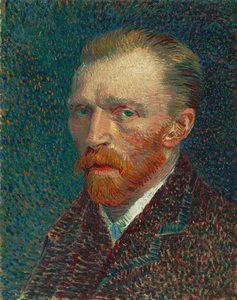
Vincent Van Gogh
1853 - 1890 , Alankomaat
Tietoa taiteilijasta
- Artistic Movement Or Style: Postimpressionismi
- Artists Or Movements Influenced By This Artist:
- Expressionismi
- Fauvismi
- Artists Who Influenced This Artist:
- Rembrandt van Rijn
- Jean-François Millet
- Date Of Birth: 30. maaliskuuta 1853
- Date Of Death: 29. heinäkuuta 1890
- Full Name: Vincent Willem van Gogh
- Nationality: Alankomainen
- Notable Artworks:
- Pottutöitä
- Auringonkeltuaisia
- Yötaivas
- Yöllinen kahvila
- Place Of Birth: Zundert, Alankomaat
Aiheeseen liittyvät artikkelit

Beyond the Brush: A Visual Journey Through the Emotional Brilliance of Post-Impressionism
Embark on a visual journey through Post-Impressionism. Discover the emotional depth of Van Gogh and Cézanne, explore the tactile beauty of impasto, and learn how to bring these vibrant, soulful masterpieces into your home with expert art curation and custom hand-painted reproductions.
Beyond the Light: Discovering the Soul and Emotional Depth of Post-Impressionism
Embark on a cultural journey through Post-Impressionism. Discover the profound emotional depth of masters like Van Gogh and Cézanne, exploring how they moved beyond light to capture the very soul of human experience through vibrant color and symbolic form.
Beyond Impressionism: The Emotional Depth and Vibrant Evolution of Post-Impressionist Landscapes
Explore the profound evolution of Post-Impressionist landscapes. From Van Gogh's emotional brushwork to Cézanne's structural mastery, discover how these visionaries redefined art history through color and form in this expert guide for fine art enthusiasts.

Postimpressionismin mestariteokset: Taidetta, joka muutti maailmaa – OriginalUniqueArt.com
Tutustu postimpressionismin 10 mestariteokseen! Van Gogh, Monet, Cézanne ja muut taiteen ikonit. Inspiroivia tarinoita, tekniikoita ja värejä. Löydä upeita taideprinttejä kotiisi OriginalUniqueArt.comista – museo-laatuista seinätaidetta.
Decoding Van Gogh's Turmoil: OriginalUniqueArt’s Masterful Reproductions of Emotional Depth
Discover exquisite Van Gogh reproductions from OriginalUniqueArt – expert art specialists offering museum-quality prints & custom paintings. Trust our authentic process and elevate your collection today.