Vaihda tulosteeseen
 Lue lisää







































 Teoksille tai reproduktioille, joiden mikä tahansa sivu on suurempi kuin 105 cm (noin 41 tuumaa), kehys toimitetaan osina purettuna sarjana. Tämä menetelmä varmistaa turvallisen toimituksen ja ehkäisee vaurioita kuljetuksen aikana.


A Moment Frozen in Motion: Exploring Vincent van Gogh’s “Dog”
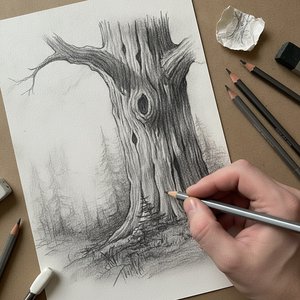
- Subject Matter & Narrative The artwork depicts a dynamic scene of animals—specifically, a dog in motion amidst other dogs and birds. More than just a depiction of creatures inhabiting a landscape, it encapsulates a feeling of unrestrained energy and spontaneity. Van Gogh’s intention wasn't merely to record what he saw; rather, he sought to convey an emotional response to the subject matter – a palpable sense of movement and vitality that transcends literal representation.
- Style & Technique: Impressionistic Echoes While firmly rooted in representational art, “Dog” possesses stylistic qualities reminiscent of Impressionism. This is achieved through Van Gogh’s masterful use of loose brushstrokes and an emphasis on capturing the fleeting effects of light and atmosphere. Unlike academic painting traditions prioritizing meticulous detail, Van Gogh deliberately eschewed precision, favoring instead a technique characterized by direct pencil application with minimal erasing—a bold decision that prioritized expressive gesture over photographic accuracy.
- Composition & Visual Language The diagonal placement of the central dog immediately draws the viewer’s eye and establishes a dominant visual rhythm. Supporting this dynamic element are secondary figures – other dogs and birds – rendered with less detail, serving to heighten depth perception and reinforce the overall impression of movement. Careful consideration is given to perspective; size variations between the foreground dog and background animals contribute to creating an illusion of space.
- Color Palette & Material Considerations The artwork’s monochromatic palette—primarily shades of gray—is a deliberate choice that amplifies the impact of line work and tonal variation. Graphite pencils were employed as the medium, allowing for nuanced shading and textural rendering. This selection underscores Van Gogh's commitment to conveying emotion through form and surface qualities rather than relying on color to stimulate visual sensation.
- Symbolism & Emotional Resonance Beyond its depiction of animals, “Dog” speaks to broader themes of freedom, vitality, and perhaps even vulnerability. The dog’s energetic posture embodies a spirit of unrestrained movement—a defiance against confinement—reflecting Van Gogh's own personal struggles and aspirations during his turbulent life. It invites contemplation on the beauty found in imperfection and the transformative power of artistic expression.
Kysymykset ja vastaukset
Mistä löydän oppaan teokseen "Dog"?
Vincent Van Gogh:n "Dog" -teoksen Opas -sivu tarjoaa tulostettavan kahden sivun tietolomakkeen: teoksen ja sen tunnistetiedot, aikajanan, joka sijoittaa teoksen taiteilijan elinaikaan, muita taiteilijan teoksia, mitatun väripaletin sekä neljällä eri tyylillä valmiiksi muotoillut lähdeviitteet.
Ovatko teoksen "Dog" värit voimakkaita vai hillittyjä?
Teoksessa Vincent Van Gogh:n "Dog" on Muted kylläisyys ja Monochromatic voimakkuus.
Onko "Dog" tyypillinen esimerkki siitä, mitä Vincent Van Gogh yleensä loi?
"Dog" esittää aiheita animal sketch, motion capture, monochrome drawing, landscape detail, dynamic composition, pencil technique, wildlife scene, kun taas Vincent Van Gogh tunnetaan teemoistaan impressionist impressionism, dutch landscape tradition, emotional expression style, movement exploration, artist vision legacy. Näiden kahden vertaaminen osoittaa, miten teos liittyy taiteilijan tavallisiin aiheisiin.
 Esikatselu
 Jaa teos
 Jaa
Jaa
 Tiedot
 Opas
Opas

 Lataa kuva
 Samanlaisia kohteita
 Röntgenkuvaus
 Diaesitys
 Q&A
Q&A Tilastot