Text size

() ·

A painting made for you, by hand

The Sixth Month (Right)

Käsinmaalattu öljyvärinen jäljennös

Käsinmaalattu öljyväri kankaalle haluamassasi koossa ja kehyksissä, taiteilijoidemme valmistamana tilauksesta. ( Vaihda tulosteeseen Siirry digitaaliseen kuvaan)

Keräilykohteen kuvaus

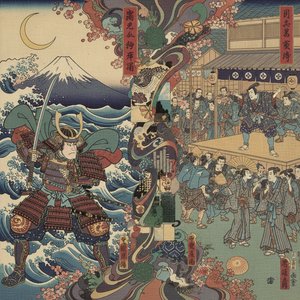
Utagawa Kuniyoshi's "The Sixth Month (Right)" is a stunning woodblock print capturing a serene autumn scene with elegant figures and lantern light. Explore this masterpiece of Japanese art!

Taiteilijan elämäkerta

Utagawa Kuniyoshi (1798-1861) oli uveen taiteilija, tunnettu eläväisistä soturitöissä ja innovatiivisista tekniikoista. Hänen ikoninen Suikoden -sarjansa on mestariteos! Tutustu hänen maailmaansa.

from ·

Chapter 1

How large should it be?

Slide to change the size; the picture on the left shows the frame at its real width. The proportions of the original are kept.

Vakiokoko
räätälöity
CM
INCH

Valitse valmiista mitoistamme sellaiset, jotka vastaavat teoksen alkuperäisiä mittasuhteita.

leveys
korkeus

Kirjoita tarvitsemasi leveys ja korkeus, jotta teos sopii kehyksiisi tai seinällesi. Koska kyseessä on käsinmaalattu teos, taiteilija voi maalata hieman enemmän kuvan ympärille tai rajata sitä hieman, jos haluat eri muotoisen koon — valinta on sinun. Lähetämme sinulle digitaalisen mallikuvan hyväksyttäväksi ennen kuin maalaus alkaa. Tällä sivulla näkyvä kuva ei vastaa lopullista tulosta — vain mallikuva näyttää sen.

Chapter 2

How should it arrive?

Choose the edges of the stretched canvas

Choose your frame

Corner sample of the WhiteWrap canvas edge finish, stretched on massiivipuu bars
White €1
Corner sample of the BlurSideWrap canvas edge finish, stretched on massiivipuu bars
Blurside €1
Corner sample of the ExtendedWrap canvas edge finish, stretched on massiivipuu bars
Extended €1
Corner sample of the P118B picture frame: valettu polystyreeni, 5 cm wide and 3 cm thick
P118B €10
Corner sample of the P118H picture frame: valettu polystyreeni, 5 cm wide and 3 cm thick
P118H €10
Corner sample of the P118W picture frame: valettu polystyreeni, 5 cm wide and 3 cm thick
P118W €10
Corner sample of the P438Z picture frame: valettu polystyreeni, 5.5 cm wide and 3.5 cm thick
P438Z €10
Corner sample of the P508JH picture frame: valettu polystyreeni, 7 cm wide and 3.5 cm thick
P508JH €12
Corner sample of the P508YH picture frame: valettu polystyreeni, 7 cm wide and 3.5 cm thick
P508YH €12
Corner sample of the P805H picture frame: valettu polystyreeni, 5 cm wide and 3.5 cm thick
P805H €10
Corner sample of the P805Z picture frame: valettu polystyreeni, 5 cm wide and 3.5 cm thick
P805Z €10
Corner sample of the P919BZ picture frame: valettu polystyreeni, 7 cm wide and 3.5 cm thick
P919BZ €10
Corner sample of the P919G picture frame: valettu polystyreeni, 7 cm wide and 3.5 cm thick
P919G €10
Corner sample of the P919XJ picture frame: valettu polystyreeni, 7 cm wide and 3.5 cm thick
P919XJ €10
Corner sample of the P959ZH picture frame: valettu polystyreeni, 5 cm wide and 3 cm thick
P959ZH €10
Corner sample of the P968JZ picture frame: valettu polystyreeni, 6 cm wide and 4 cm thick
P968JZ €12
Corner sample of the W106C picture frame: massiivipuu, 5 cm wide and 3 cm thick
W106C €8
Corner sample of the W218G picture frame: massiivipuu, 5 cm wide and 3 cm thick
W218G €10
Corner sample of the W218JH picture frame: massiivipuu, 5 cm wide and 3 cm thick
W218JH €8
Corner sample of the W218Y picture frame: massiivipuu, 5 cm wide and 3 cm thick
W218Y €10
Corner sample of the W307PJ picture frame: massiivipuu, 6 cm wide and 3 cm thick
W307PJ €10
Corner sample of the W316G picture frame: massiivipuu, 6 cm wide and 3 cm thick
W316G €10
Corner sample of the W316PJ picture frame: massiivipuu, 6 cm wide and 3 cm thick
W316PJ €8
Corner sample of the W316Y picture frame: massiivipuu, 6 cm wide and 3 cm thick
W316Y €10
Corner sample of the W398PJ picture frame: massiivipuu, 5 cm wide and 3 cm thick
W398PJ €8
Corner sample of the W4111J picture frame: massiivipuu, 6.5 cm wide and 3.5 cm thick
W4111J €10
Corner sample of the W500HY picture frame: massiivipuu, 7 cm wide and 5 cm thick
W500HY €15
Corner sample of the W500JH picture frame: massiivipuu, 7 cm wide and 5 cm thick
W500JH €15
Corner sample of the W692G picture frame: massiivipuu, 8 cm wide and 4 cm thick
W692G €12
Corner sample of the W849H picture frame: massiivipuu, 5 cm wide and 3 cm thick
W849H €8
Corner sample of the W940BG picture frame: massiivipuu, 7.5 cm wide and 4.5 cm thick
W940BG €15
Corner sample of the W953PJ picture frame: massiivipuu, 6 cm wide and 3.5 cm thick
W953PJ €8
Corner sample of the H24-GOLD picture frame: kaiverrettua puuta ja gessoa, 10 cm wide and 6 cm thick
H24-GOLD €30
Corner sample of the H24-SILVER picture frame: kaiverrettua puuta ja gessoa, 10 cm wide and 6 cm thick
H24-SILVER €30
Corner sample of the H36-GOLD picture frame: kaiverrettua puuta ja gessoa, 15 cm wide and 6.5 cm thick
H36-GOLD €45
Corner sample of the H36-SILVER picture frame: kaiverrettua puuta ja gessoa, 15 cm wide and 6.5 cm thick
H36-SILVER €45
Kehyksen esikatselu
Kehystetty

Moulding: . Overall size with the frame: .

Chapter 3

Who paints it, and should anything change?

Examples of what can be changed: Replace face with customer photo; Add pet (e.g., replace cat with dog); Include hidden message in background; Change background landscape or elements.
After order, OriginalUniqueArt.com team will email client for instructions and provide a mockup preview

Maailmanlaajuinen toimitus () 3–4 viikossa tavallisen 5 viikon sijaan. (2 marraskuu). Laadusta ei tingitä.

Chapter 4

The finishing touches

A nameplate, as in a museum?

Kaiverretun pronssilaatan tiedot

This elegant plaque features the artist's name and the title of the artwork, finely engraved for a timeless presentation.

It is made from bronze with a refined, elegant finish. The text is precisely laser-engraved for a sharp and permanent result. Measuring 9x2 cm, the plaque is compact yet easy to read. It's built to be durable and scratch-resistant, offering a professional, museum-quality look. Mounting is simple thanks to the included adhesive backing.

Läpinäkyvän akryylilaatan tiedot

The plaque includes essential engraved details such as the artist's name, the title of the artwork, the date it was created, the type of media used-like oil on canvas or watercolor-a brief description of the piece, and a QR code that links to the complete artwork information.

It is crafted from clear acrylic, offering a sleek, modern appearance. The text is UV-engraved in black to ensure strong visual contrast. With a size of 10x15 cm, it ensures optimal readability. It comes equipped with two metal hooks for secure wall mounting. The plaque is designed to be weather-resistant, making it suitable for various environments, and it includes interactive features that work seamlessly with smartphone scanning.

Mustan akryylilaatan tiedot

This elegant plaque includes engraved information such as the artist's name, the title of the artwork, the date it was created, the type of media used (like oil on canvas or watercolor), a short description of the artwork, and a QR code for quick access to more information.

The plaque itself is made from refined black acrylic with a premium finish. The text is laser-engraved in white for high contrast and readability. Its size is 10x15 cm, designed to be easy to read. It comes with two metal hooks for professional mounting. The design is sleek and fits any interior style. It is also weather-resistant and durable, with built-in digital integration for mobile compatibility.

A protective varnish?

When do you need it?

Chapter 5

Your painting, as you ordered it

The Sixth Month (Right)

Reproduktiotekniikka

Replikaatin koko

-

Kokenut huipputaiteilija

Lisää yksityiskohtia, hienostuneisuutta ja enemmän aikaa tuotantoon

-

Reproduktion kehystysvaihtoehdot

-

-

Teoksille tai reproduktioille, joiden mikä tahansa sivu on suurempi kuin 105 cm (noin 41 tuumaa), kehys toimitetaan osina purettuna sarjana. Tämä menetelmä varmistaa turvallisen toimituksen ja ehkäisee vaurioita kuljetuksen aikana.

Vaatii ammattimaista kokoamista – kyseessä ei ole tee-se-itse-tuote.
Sarja on koottava ja kangas kiristettävä kokeneen kehystysammattilaisen toimesta käyttäen puuliimaa (ei sisälly pakkaukseen), kangaspinnetteitä ja puristimia, jotta kehyksen kulmat pysyvät suorina liiman kuivuessa. Virheellinen kokoaminen tai epätasainen kankaan kiristys voi vaurioittaa teosta pysyvästi, eikä tällaiset vauriot ala takuun piiriin.

  • Kaikki massiivipuupalat sisältyvät, tarkasti mittojen mukaan leikattuina.

  • Kootaan mukana tulevilla ruuveilla sekä kulmaliitoksia varten tarvittavalla puuliimalla, jota ei toimiteta, joten se on hankittava kehystäjältä.

  • Vaatii ammattilaisvälineitä, jotka eivät sisälly pakkaukseen: kankaan venytyspihdit (kiristin) ja puristimet, joilla pidetään kehyksen puut suorassa liiman kuivuessa.

Tärkeää:
Kulmaliitoksissa tarvitaan puuliimaa, kehyksien osat on pidettävä puristimilla, kunnes liima on täysin kuivunut, ja koottuun kehykseen jännitettävän kankaan kiristämiseen tarvitaan kangaspenssipihti. Mikään näistä ei sisälly pakkaukseen. Suosittelemme varmistamaan kokeneen kehystäjän saatavuuden ennen tämän kokoisen kehyksen tilaamista.

Nimilaatta

-

-

Suojalakkaus

Kiiltävä lakka (syventää värejä, suojaa valolta ja kosteudelta)

-

Mukauta taideteokseni

Esimerkkejä muokattavista asioista: Vaihda kasvot asiakkaan omaan valokuvaan; Lisää lemmikki (esim. vaihda kissa koiraan); Lisää taustalle piilotettu viesti; Muuta taustan maisemaa tai elementtejä.

-

Pikatoimitus

Maailmanlaajuinen toimitus () 3–4 viikossa tavallisen 5 viikon sijaan. (2 marraskuu). Laadusta ei tingitä.

-

Pikatoimitus

Maailmanlaajuinen toimitus () 5 viikon kuluessa. (9 marraskuu).

Sisältyy hintaan

Kokonaishinta

€ 267

Kokonaishinta € 267

Lasivaihtoehto on saatavilla vain alle 110 cm kokoisille teoksille

Included with every order

  • Ilmainen pikatoimitus ympäri maailman
  • Korkealaatuinen pellavakangas
  • Kattava kuljetusvakuutus
  • Tulliveron palautustakuu
  • Takuu täydellisestä värien vastaavuudesta
  • 100 päivän palautusoikeus (vain valmistusvirheet)
  • 100% rahat takaisin -takuu
  • Määräalennus tarjolla

A Moment Frozen in Autumn’s Embrace: Unpacking “The Sixth Month (Right)”

Utagawa Kuniyoshi's "The Sixth Month (Right)" isn’t merely a depiction of a scene; it’s a carefully constructed tableau brimming with seasonal symbolism, narrative suggestion, and the quiet elegance characteristic of the ukiyo-e style. Completed in 1849 during the late Edo period, this woodblock print transcends a simple representation of autumn to become a poignant meditation on impermanence, beauty, and the fleeting nature of time itself. The image immediately draws the eye to a woman, dressed in rich silks and adorned with an elaborate fan, positioned centrally within a meticulously rendered landscape. Her posture exudes grace and composure, yet there’s a subtle melancholy that hints at a deeper story – perhaps a farewell, or a quiet contemplation.

  • The Setting: The backdrop is a quintessential Japanese autumn scene—lanterns casting a warm glow on a meticulously detailed garden, framed by the silhouettes of trees ablaze with autumnal hues. This isn’t a dramatic, tempestuous landscape; rather, it's a serene and controlled environment, reflecting an underlying sense of harmony and balance.
  • The Figures: The central woman is flanked by two attendants, one kneeling in respectful attendance, presenting a ceremonial offering – likely a seasonal fruit or flower. A second figure stands behind her, partially obscured, adding to the air of mystery and suggesting a narrative unfolding beyond what’s immediately visible.
  • Symbolism: The “Sixth Month” itself holds significance in Japanese culture, traditionally associated with harvest festivals and the contemplation of mortality. The presence of lanterns symbolizes illumination and guidance, while the autumnal colors evoke themes of transience and beauty intertwined with sadness.

The Artistry of Utagawa Kuniyoshi: A Master of Narrative Detail

Kuniyoshi was a pivotal figure in ukiyo-e, renowned for his ability to seamlessly blend traditional Japanese motifs with Western artistic influences – particularly the use of perspective and light. His training under Toyokuni I instilled in him a rigorous understanding of composition and technique, but Kuniyoshi quickly developed a distinctive style characterized by dynamic movement, dramatic lighting effects, and an almost theatrical quality. “The Sixth Month (Right)” exemplifies this perfectly; observe how he uses subtle gradations of color to create depth and volume, and the careful attention paid to detail in rendering the textures of silk, wood, and foliage.

Technique: As a woodblock print, the image was created through a complex process involving multiple blocks carved with different colors. Kuniyoshi’s masterful control over these blocks allowed him to achieve an astonishing level of detail and richness in his palette – from the deep reds and browns of the autumn leaves to the delicate blues and greens of the woman's attire. The layering of colors, achieved through careful registration during printing, is a testament to the artist’s skill and precision.

A Window into Edo-Period Life and Culture

“The Sixth Month (Right)” offers a fascinating glimpse into the social customs and aesthetic sensibilities of Edo-period Japan. The scene depicts a refined domestic setting, reflecting the wealth and status of its inhabitants. The woman’s attire, the elaborate lanterns, and the ceremonial offering all speak to a culture that valued beauty, ritual, and harmony with nature. Furthermore, Kuniyoshi's incorporation of Western artistic elements – particularly his use of atmospheric perspective – demonstrates a growing awareness of global trends during this period.

Historical Context: Ukiyo-e prints were immensely popular during the Edo period (1603-1868), providing affordable art for a broad audience. They captured scenes from everyday life, historical events, theatrical performances, and mythological tales. Kuniyoshi’s work reflects this diverse range of subject matter, showcasing his versatility as an artist.

Bringing “The Sixth Month (Right)” into Your Space

Reproductions of "The Sixth Month (Right)" offer a beautiful way to bring the artistry and spirit of Utagawa Kuniyoshi into your home or office. Whether you choose a large-scale canvas print or a smaller, framed version, this captivating artwork will undoubtedly serve as a conversation starter and a source of inspiration. Its evocative imagery and subtle symbolism resonate with viewers on an emotional level, creating a sense of tranquility and contemplation. Consider pairing it with complementary colors and textures to create a harmonious and visually stunning display.

Kysymykset ja vastaukset

Miten teoksen "The Sixth Month (Right)" tyyli suhteutuu sen tekijän aikakauteen?

Utagawa Kuniyoshi:n "The Sixth Month (Right)" kuuluu Ukiyo-e-suuntaukseen ja sijoittuu tekijänsä luku aikakaudelle.

Mistä maasta Ukiyo-e-tyylinen teos "The Sixth Month (Right)" on peräisin?

"The Sixth Month (Right)" yhdistää Ukiyo-e-suuntauksen Japani-maahan teoksen luojan syntymämaan kautta.

Onko "The Sixth Month (Right)" tyypillinen esimerkki siitä, mitä Utagawa Kuniyoshi yleensä loi?

Utagawa Kuniyoshi:n tunnettujen teemojen – ukiyo-e traditions, japanese aesthetics, warrior tales, heroic narratives, edo period society, customs, kuniyoshi's signature style”, “experimentation with western techniques” – joukossa "The Sixth Month (Right)" tuo oman painopisteensä aiheeseen japanese woman, fall season, pumpkin, lantern, traditional clothing, utagawa kuniyoshi, edo period.

More about this painting

Esikatselu Esikatsele AR-tilassa Vaihda tulosteeseen Siirry digitaaliseen kuvaan Jaa teos
Tiedot Opas Lisää suosikkeihin Lataa kuva Samanlaisia kohteita Röntgenkuvaus Diaesitys Q&A Tilastot

In numbers

  • 1849the year it was painted
  • 29frames to choose from
  • standard sizes, in its own proportions
  • 5weeks to paint and deliver it
Utagawa Kuniyoshi

Utagawa Kuniyoshi

1797 - 1861, Japani

Quick facts about Utagawa Kuniyoshi

  • Artistic Movement Or Style: Ukiyo-e
  • Artists Or Movements Influenced By This Artist: ['Shigemasa']
  • Artists Who Influenced This Artist: ['Toyokuni I']
  • Date Of Birth: 1. tammikuuta 1798
  • Date Of Death: 14. huhtikuuta 1861
  • Full Name: Utagawa Kuniyoshi
  • Nationality: Japannainen
  • Notable Artworks:
    • 108 soturikissoja
    • Pahanilman haamu
  • Place Of Birth: Tokio, Japani

Taiteilijan elämäkerta

Utagawa Kuniyoshi: A Master of the Floating World

Utagawa Kuniyoshi, syntynyt Yoshisaburo nimellä 1. tammikuuta 1798 Edossa (nykyinen Tokiossa), on merkittävä hahmo *ukiyo-e* -veistokunnan lopussa – elävä ja värikäs kuvaus japanilaisesta elämästä Edo-kaudella. Hänen matkansa alkoi ei taiteellisten piirien, vaan hänen isänsä silkkiä värjäävän liiketoiminnan käytännöllisessä maailmassa. Tämä varhainen altistuminen väreille ja kuvioille vaikutti hienovaraisesti myöhempään työhön, antamalla sille ainutlaatuisen eläväisyyden. Vaikka hän oli jo lapsena, Kuniyoshi oli lumoutunut *ukiyo-e*:n dramaattisesta maailmasta, erityisesti sotureiden ja käsityöläisten eeppisiä kuvia, jotka täyttivät suosittuja painoja. Nämä varhaiset vaikutelmat sytyttivät sisällään intohimon, joka määrittelisi hänen elämän tarkoituksensa. Hän liittyi Utagawa Toyokuni I:n studioon vuonna 1811 ottamalla nimen Kuniyoshi ja aloittaen tiukan harjoittelun, joka hio mukaili taitojaan ja esitteli hänet Utagawan koulun konventioihin.

Varhaiset vuodet ja innovaatioiden synty

Kuniyoshin varhainen ura oli merkitty epävarmuuteen. Vaikka hän oli taitava olemassa olevissa tyyleissä, hän kamppaili löytääkseen oman äänensä Edo-painokunnan ruuhkaisessa maisemassa. Hänen alkuperäiset teoksensa heijastivat pääasiassa opettajansa töitä, tarjoten vähän sitä, mikä erotti hänet muista aikakauden taiteilijoista. Kuitenkin tämä tutkimusjakso osoittautui ratkaisevaksi. Hän kokeili erilaisia genrejä ja tekniikoita kehittäen asteittain tunnusomaisen lähestymistavan, joka oli luonteen omaisia dynaamisia kuvioita, rohkeita värejä ja yhä hienostuneempaa tarinankerrontakykyä. Läpimurto tapahtui vuonna 1827 julkaisun myötä *Yksi sataa ja kahdeksan suosittua soturisankaria Shui-hu ch’uanista*, monumentaalinen sarja, joka perustuu kiinalaisen romaanin *Shui Hu Zhuan*. Tämä työ nosti Kuniyoshin maineeseen, vakiinnuttaen hänen asemansa *musha-e*:n mestarina – soturi-painojen taiteilijana. Sarja ei ollut pelkästään eeppisten sankareiden kuvauksia; se oli Kuniyoshin kasvavan lahjakkuuden näyttämö dramaattisessa kompositiossa ja hahmon kehityksessä. Hän ei vain kuvannut sotureita, vaan toi heidät eloon vakuuttavalla tunteella ja yksityiskohtaisilla yksityiskohdilla.

Perinteiden ja länsimaisen vaikutuksen yhdistelmä

Mitä todella erottaa Kuniyoshin taiteesta on hänen halukkuutensa omaksua innovaatioita säilyttäen samalla syvän juurensa japanilaiseen taiteelliseen perintöön. Edo-kauden päätyessä Japani koki kasvavaa yhteyttä Länsimaan kanssa, ja Kuniyoshi oli yksi ensimmäisistä *ukiyo-e*:n taiteilijoista, jotka sisällyttivät länsimaisten perspektiivien ja varjostuksen elementtejä työhön. Tämä ei ollut pelkkää jäljittelyä; hän integroi nämä tekniikat taitavasti syvyyden, realismin ja dramaattisen vaikutuksen parantamiseksi. Hänen maisemansa osoittavat erityisesti mestarillista hallintaa ilmakehän vaikutuksista ja tilan suhteista usein luoden tunteen mahtavuudesta ja ihailusta. Taiteen ulkopuolella Kuniyoshi laajensi *ukiyo-e*:n aihepiiriä, kokeillen uusia teemoja ja tarinoita. Hänen Tōtō Meisho -sarjansa ( ”Kuuluisia näkymiä Edosta”) vuonna 1839 on erinomainen esimerkki tästä rohkeasta lähestymistavasta, keksiä politiikan kritiikki fantasiaelementtien avulla.

Saavutukset ja perintö

Kuniyoshin vaikutus myöhemmän sukupolven taiteilijoihin on kiistaton. Hän jätti jälkeensä valtavan määrän teoksia – arviolta yli 5 000 suunnittelua – jotka inspiroivat edelleen ihailua ja arvostusta tänä päivänä. Hänen innovatiivinen lähestymistapansa japanilaisten taiteellisten estetiikoiden ja länsimaisten tekniikoiden yhdistämisessä avasi uusia taiteellisia mahdollisuuksia, kun taas hänen rohkeutensa haastaa konventiot laajensi *ukiyo-e*:n toimialaa. Hän koulutti lukuisia opiskelijoita, mukaan lukien Yoshitoshin, joka jatkoi perintöään Meiji-kaudella.

Pääteemat ja merkittäviä teoksia

Kuniyoshin taiteessa on useita keskeisiä teemoja, jotka heijastavat hänen ajassaan vallitsevia kiinnostuksen kohteita ja uskomuksia. Hän kuvasi usein eeppisiä soturitapahtumia, historiallisia kohtauksia ja myyttisiä hahmoja, jotka olivat suosittuja Edo-kauden yleisössä. Hänen tunnetuin teoksensa on *Yksi sataa ja kahdeksan suosittua soturisankaria Shui-hu ch’uanista*, joka perustuu kiinalaisen romaanin *Shui Hu Zhuan* tarinaan. Sarja oli erittäin suosittu ja nosti Kuniyoshin maineeseen mestarina. Hän loi myös useita muita merkittäviä teoksia, kuten *Hōtaki no maturi* ( ”Hōtakin satama”) ja *Kōshō-ki* ( ”Kōshōn paluu”). Kuniyoshin taiteessa on usein vahva narratiivinen elementti, joka kertoo tarinoita ja herättää tunteita. Hänen teoksensa ovat täynnä yksityiskohtia ja dramaattisia elementtejä, jotka luovat elävän kuvan tapahtumista ja hahmoista. Kuniyoshin taide on enemmän kuin vain kaunista kuvitusta; se on ikkuna kiehtovaan aikaan, testamentti taiteellisen innovaation voimasta ja japanilaisen hengen juhla. Hän on edelleen merkittävä hahmo japanin taiteen historiassa, jonka teokset resonoivat edelleen yleisön kanssa ympäri maailmaa. Hän kuoli 14. huhtikuuta 1861 ja jätti jälkeensä perinnön, joka vakiinnutti hänen asemansa yhdeksi viimeisistä suurista mestareista *ukiyo-e*:ssa.

Pikaista tietoa

  • Artistic style: Japanese art
  • Medium: Woodblock print
  • Movement: Ukiyo-e
  • Influences: Traditional
  • Notable elements: Lantern, figures
  • Title: The Sixth Month (Right)

Taidevisat

Jokaisessa kysymyksessä on vain yksi oikea vastaus.

Kysymys 1:
What is the primary subject depicted in Utagawa Kuniyoshi’s ‘The Sixth Month (Right)’?
Kysymys 2:
In what year was Utagawa Kuniyoshi’s ‘The Sixth Month (Right)’ created?
Kysymys 3:
Which art movement is ‘The Sixth Month (Right)’ primarily associated with?
Kysymys 4:
What is the size of ‘The Sixth Month (Right)’?
Kysymys 5:
The painting includes a clock. What does this element likely symbolize?