
 Esikatselu
 Jaa
Jaa Jaa
Jaa
 Tarkemmat tiedot

 Lataa
Lataa
 Samanlaisia
 Röntgenkuva
 Diaesitys
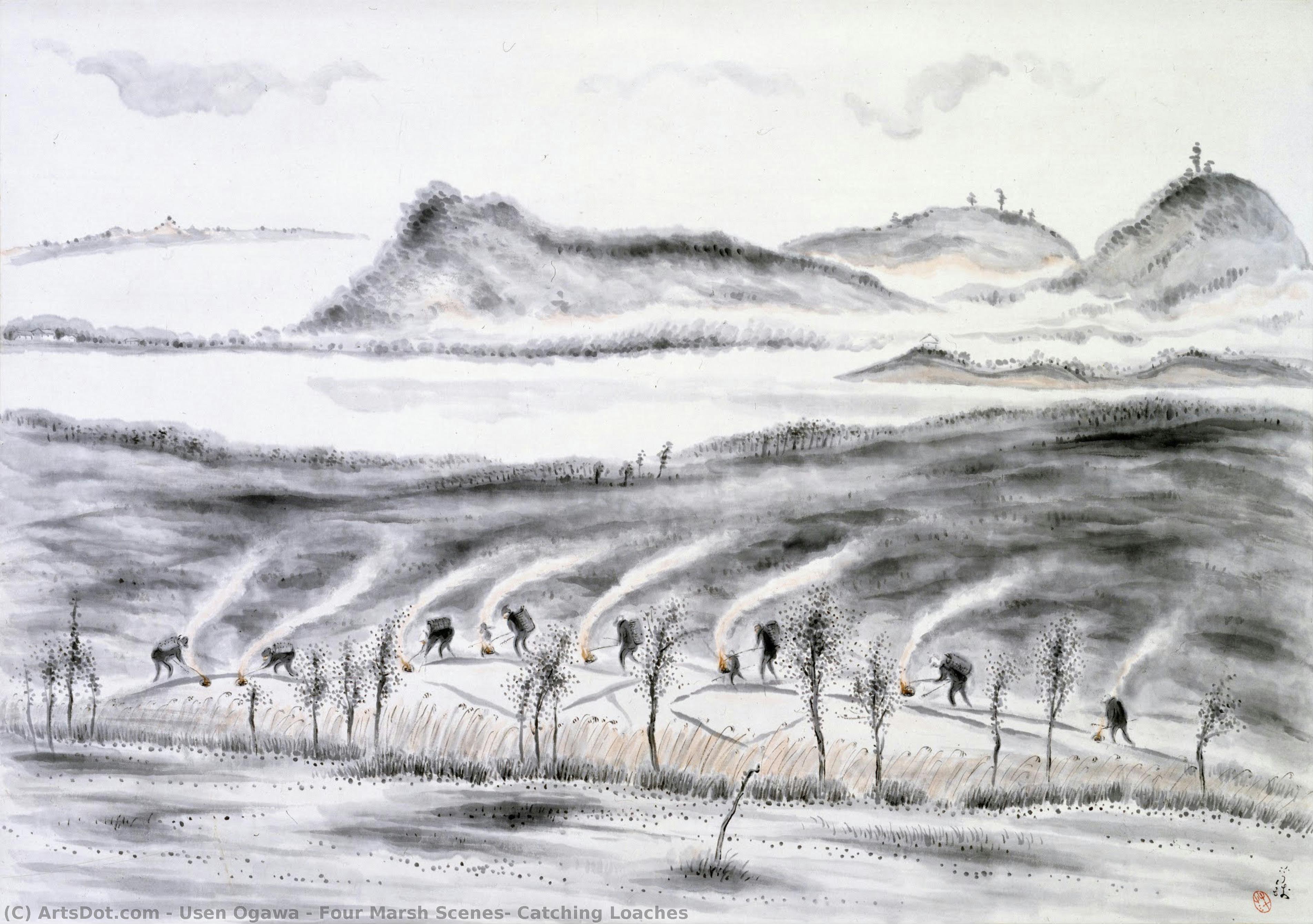
Four Marsh Scenes: Catching Loaches
 1922
1922 92.0 x 65.0 cm
 Aichi Prefectural Museum of Art
 Näytä lisää
Osta korkearesoluutioinen, parannettu digitaalikuva, joka on laadultaan huomattavasti parempi kuin verkkosivuston esikatselu.
Jokainen tiedosto valmistellaan huolellisesti omien asiantuntijoidemme toimesta käyttäen edistyneitä työkaluja ja ammattitaitoista manuaalista retusointia. Varmistamme, että jokaisessa kuvassa on poikkeuksellinen selkeys, tarkka värintoisto ja hienovaraiset yksityiskohdat.
Lopputiedosto toimitetaan sähköpostitse 72 tunnin kuluessa, ja se on optimoitu välittömään käyttöön ammattimaisissa, toimituksellisissa ja painoympäristöissä. Laatu on sama, johon huipputason suunnittelustudiot, kustantajat ja galleriat luottavat.
Digitaalinen kuva
Lataa korkearesoluutioinen tiedosto henkilökohtaiseen näyttelyyn, tulostamiseen ja luoviin projekteihin. ( Osta printti Osta käsintehty maalaus)
Sisältyy jokaiseen digitaalisen kuvan tilaukseen
Asiantunteva digitaalinen toimitus, taattuun laatuun
Kun valitset OriginalUniqueArt.com-palvelun, et saa vain kuvaa – saat ammattimaisesti parannetun digitaalisen taideteoksen, joka on luotu tarkkuudella ja jonka takaa tulee tyytyväisyystakuu. Tässä on kaikki, mitä tilauksesi sisältää, automaattisesti:

Nopea digitaalinen toimitus
Korkearesoluutioinen digitaalinen kuvatiedostosi lähetetään sähköpostiisi 72 tunnin kuluessa tilauksesta – valmiina käytettäväksi välittömästi.

Tekoälyllä parannettu digitaalinen tiedosto
Taiteilijasi teos on optimoitu ammattimaisesti edistyneiden tekoälytyökalujen ja manuaalisen muokkauksen avulla, mikä takaa maksimaalisen yksityiskohtaisuuden, selkeyden ja väritarkkuuden.

Ilmainen elinikäinen uudelleenlähetyspalvelu
Oletko vahingossa poistanut tai kadottanut tiedostosi? Ei hätää – lähetämme sen sinulle uudelleen milloin tahansa täysin maksutta.

Ei tuontimaksuja – koskaan
Nauti taiteestasi välittömästi ilman tulleja, veroja tai toimitusmaksuja – digitaaliset lataukset ovat aina verovapaita.

Värintoiston tarkkuustakuu
Varmistamme, että digitaalinen kuvasi vastaa alkuperäisiä värejä mahdollisimman tarkasti käyttämällä ammattilaistason työkaluja ja värinhallintaa.

60 päivän tyytyväisyystakuu
Jos et ole tyytyväinen digitaaliseen kuvaasi, muokkaamme sitä tai palautamme 100% takaisin 60 päivän kuluessa – ilman kysymyksiä.

100% Rahat takaisin -takuu
Etkö ole tyytyväinen? Saat täyden hyvityksen 60 päivän kuluessa digitaalisen tiedostosi vastaanottamisesta – ilman kyselyitä.

Suurtilaaja-alennukset
Osta 3 kuvaa, säästä 10% - Osta 5, säästä 15% - Osta 10+, säästä 20%. Erinomainen valinta luoviin projekteihin, gallerioille ja toimistoille.
Taiteilijan elämäkerta
The Ethereal Vision of Usen Ogawa: A Symphony of Nature and Folklore
In the delicate intersection where the natural world meets the realm of myth, the artistry of Usen Ogawa resides. Born in the twilight of the Tokugawa Shogunate in Edo—modern-day Tokyo—Ogawa’s life was a profound reflection of Japan’s rapid transition from feudal tradition to modern complexity. Though his name is often synonymous with the revitalized landscape traditions of the early twentieth century, his spirit was deeply rooted in the soil and water of the Ibaraki Prefecture. His journey was not merely one of aesthetic evolution, but a lifelong pursuit of capturing the unseen energies that pulse through the Japanese landscape, from the humble movements of waterfowl to the legendary presence of the kappa.
Ogawa’s early training provided him with a unique dual perspective. Initially studying Western-style painting under the guidance of Honda Kinkichirō, he mastered techniques of light and shadow that would later breathe life into his compositions. Yet, it was his return to the Ushiku swamp in 1896 that truly defined his artistic soul. Living as both a farmer and an artist, he developed an intimate, tactile relationship with his subject matter. This period of seclusion allowed him to observe the subtle shifts in marshland ecology, leading to his celebrated ability to depict botanical precision alongside atmospheric mystery. His work became a bridge between the Nihonga tradition—which sought to preserve Japanese aesthetics—and a more modern, expressive sensibility that embraced the vitality of everyday life.
Mastery of the Shin-hanga Spirit and Natural Detail
As a pivotal figure within the Shin-hanga movement, Ogawa contributed to a renaissance of woodblock printing that sought to marry traditional craftsmanship with contemporary emotional depth. Unlike the more academic approaches of his era, Ogawa’s vision was characterized by an obsession with texture and the ephemeral qualities of light. His mastery is perhaps most evident in his series exploring marshland life, where he utilized vibrant color palettes to evoke the humid, heavy air of a Japanese summer.
His technical achievements can be seen through several defining characteristics of his oeuvre:
- Botanical and Zoological Precision: He possessed an uncanny ability to render the fine details of reeds, water lilies, and the delicate plumage of birds, making his landscapes feel tangibly alive.
- Atmospheric Perspective: Through subtle tonal variations, he captured the misty morning light and the murky depths of ponds, creating a sense of profound tranquility and Zen-like contemplation.
- Integration of Folklore: Beyond mere landscape, Ogawa infused his work with the supernatural, famously depicting kappa (water imps) not as frightening monsters, but as symbols of freedom and the untamed spirit of nature.
Legacy and Historical Significance
The historical significance of Usen Ogawa extends far beyond the borders of Japan. While he was a respected member of the Japan Fine Art Academy and an advisor to the Imperial Art Academy, his true legacy lies in his ability to democratize art. By drawing inspiration from the "everyday doing" of common people—farmers, fishermen, and the natural phenomena of the rural landscape—he challenged the notion that high art must be detached from the struggles and beauties of ordinary existence. His work as a cartoon illustrator for newspapers like the Yomiuri Shinbun further bridged the gap between fine art and popular culture, making his vision accessible to the masses.
Today, Ogawa is remembered as an artist who refused to be confined by the boundaries of East versus West or tradition versus modernity. His paintings remain a testament to a period of immense cultural flux, offering a window into a world where the boundary between the physical landscape and the spiritual imagination remains beautifully blurred. To look upon an Ogawa print is to witness a moment frozen in time—a moment where the light hits the water just so, and for a fleeting second, the mythical and the real become one.

usen ogawa
1885 - 1951 , Japan
Lyhyesti esiteltynä
- Artistic Movement Or Style: Shin-hanga
- Date Of Birth: 1885
- Full Name: usen ogawa
- Nationality: Japanese
- Notable Artworks:
- Four Marsh Scenes: Duck Coop
- Four Marsh Scenes: Hibara
- Four Marsh Scenes: Catching Loaches
- Place Of Birth: Tokyo, Japan

