

 Katso seinällä
 Lähetä
 Jaa
Jaa
 Tarkemmat tiedot
 Opas
Opas

 Lataa kuva
 Samanlaisia kohteita
 Röntgenkuvaus
 Diaesitys
 Tilastot
Figure


 Lue lisää
Giclée- ja taideprintit
Museolaatuisia giclée- tai kankaitaulun tulosteita nopealla tuotannolla ja joustavilla viimeistelyvaihtoehdoilla. ( Tilaa käsinmaalattu jäljennös Siirry digitaaliseen kuvaan)




P118B €10

P118H €10

P118W €10

P438Z €10

P508JH €12

P508YH €12

P805H €10

P805Z €10

P919BZ €10

P919G €10

P919XJ €10

P959ZH €10

P968JZ €12

W106C €8

W218G €10

W218JH €8

W218Y €10

W307PJ €10

W316G €10

W316PJ €8

W316Y €10

W398PJ €8

W4111J €10

W500HY €15

W500JH €15

W692G €12

W849H €8

W940BG €15

W953PJ €8




Valitse valmiista mitoistamme sellaiset, jotka vastaavat teoksen alkuperäisiä mittasuhteita.

Kirjoita tarvitsemasi leveys ja korkeus, jotta tuloste sopii kehyskokoon tai seinällesi. Tulostetta voidaan vain leikata, sitä ei voi koskaan tehdä suuremmaksi kuin alkuperäinen kuva, joten eri muotoinen koko aiheuttaa osan kuvasta katoamisen. Lähetämme sinulle digitaalisen mallikuvan hyväksyttäväksi ennen kuin aloitamme tulostuksen. Tällä sivulla näkyvä kuva ei näytä lopullista leikkausta — vain mallikuva näyttää sen.
Maailmanlaajuinen toimitus () 2 viikossa tavallisen 4–5 viikon sijaan. (23 lokakuu)

Ilmainen pikatoimitus ympäri maailman

Korkealaatuinen pellavakangas

Kattava kuljetusvakuutus

Tulliveron palautustakuu

Takuu täydellisestä värien vastaavuudesta

100 päivän palautusoikeus valmistusvirhetapauksissa

100% rahat takaisin -takuu

Määräalennus saatavilla
 Lasivaihtoehto on saatavilla vain alle 110 cm kokoisille teoksille

Figure
Giclée- ja taideprintit
Replikaatin koko
-


Kokonaishinta
€ 70
A Symphony of Motion: Unveiling Umberto Boccioni’s “Figure”
Umberto Boccioni's "Figure," painted in 1912, isn’t merely a depiction of a human form; it’s an embodiment of the Futurist ethos—a fervent celebration of dynamism, speed, and the fractured beauty of modern life. This artwork, rendered against a striking blue backdrop, immediately commands attention with its bold lines, fragmented composition, and palpable sense of movement. It's a window into the revolutionary artistic spirit that defined early 20th-century Italy, offering a glimpse into the mind of one of its most influential figures.
Boccioni’s approach to painting during this period was radically different from the established traditions of academic art. He rejected static representation in favor of capturing the fleeting essence of experience—the sensation of movement and change. “Figure” exemplifies this perfectly, utilizing a technique that anticipates elements of Cubism while firmly rooted within the tenets of Futurism. The figure itself is not presented as a solid, unified entity but rather as a collection of intersecting planes and angles, suggesting an ongoing process of becoming. This deliberate deconstruction mirrors the Futurist fascination with industrialization and the breakdown of traditional forms in the face of technological advancement.
The Language of Futurism
To truly understand “Figure,” one must appreciate the context of its creation – the explosive rise of Futurism. Spearheaded by Filippo Tommaso Marinetti in 1909, this movement rejected the past as a source of stagnation and embraced the future with unbridled enthusiasm. Futurist artists sought to capture the energy of machines, the speed of automobiles, and the dynamism of urban life. They celebrated violence, war, and all that was new and exciting. Boccioni, deeply involved in the movement, translated these ideals onto canvas, employing techniques designed to convey a sense of velocity and instability.
The use of color is particularly significant. The dominant blue serves not as a neutral background but rather as an active element, contributing to the overall feeling of motion. It’s a cool, almost vibrating hue that seems to push forward, drawing the viewer's eye into the fragmented form of the figure. Notice how the lines themselves are not smooth or continuous; they are broken and angular, mimicking the sharp edges of machinery and the fractured perspectives of modern urban landscapes. This deliberate disruption of traditional perspective was a key element of Futurist aesthetics – a rejection of illusionism in favor of conveying an immediate, visceral experience.
Symbolic Resonance and Emotional Impact
While “Figure” resists easy interpretation, it’s clear that the artist is exploring themes of transformation and dynamism. The elongated tail, reminiscent of a fish or perhaps a bird in flight, suggests movement, fluidity, and an escape from earthly constraints. It could be interpreted as representing the individual's journey through the complexities of modern life—a constant state of flux and change. The figure’s posture is ambiguous; it appears to be caught in a moment of transition, neither fully grounded nor entirely airborne.
Despite its fragmented composition, “Figure” evokes a powerful emotional response. It's not simply a depiction of an object or person but rather a representation of the *feeling* of movement—the exhilaration and disorientation that accompany rapid change. The artwork’s bold lines and vibrant colors create a sense of urgency and excitement, inviting the viewer to participate in this dynamic visual experience. It’s a testament to Boccioni's ability to capture the spirit of his time – a period of unprecedented technological advancement and social upheaval.
A Legacy of Innovation
Umberto Boccioni’s “Figure” stands as a pivotal work in the history of modern art. Its innovative use of line, color, and composition paved the way for subsequent movements such as Cubism and Constructivism. Reproductions of this artwork offer a unique opportunity to experience the energy and dynamism of Futurist aesthetics firsthand. OriginalUniqueArt’s hand-painted reproductions faithfully capture the original's intensity and detail, allowing you to bring this revolutionary masterpiece into your home or office – a vibrant reminder of a time when artists dared to challenge convention and embrace the future.
Kysymykset ja vastaukset
Onko teos "Figure" tekijänoikeusvapaa?
Tekijänoikeustiedot teokselle Umberto Boccioni:n "Figure": teos on tekijänoikeusvapaa – sen tekijänoikeussuoja on päättynyt. Tämä määrittää, voidaanko kuvasta tehdä vapaasti jäljennöksiä.
Mistä voin ostaa käsin maalatun jäljennöksen teoksesta Umberto Boccioni:n "Figure"?
"Figure" on saatavilla muodossa käsinmaalattu öljyvärireproduktio pellavakankaalle. Tilauksen voi tehdä sen Käsinmaalattu jäljennös -sivulla, jossa voit valita haluamasi koon.
Mihin vaiheeseen Umberto Boccioniin uraa teos "Figure" (1912) kuuluu?
"Figure", luotu vuonna 1912, kuuluu Umberto Boccioni'n uran Early Futurism-vaiheeseen."
Taiteilijan elämäkerta
A Life Forged in Motion: The Revolutionary Vision of Umberto Boccioni
Umberto Boccioni, syntynyt Reggio Calabriaan vuonna 1882, oli italaisen futuristisen liikkeen keskeinen hahmo – voima, joka haastoi taiteelliset konventiot ja omaksui modernin maailman dynaamisuuden. Hänen elämänsä, vaikka katkesi ennenaikaisesti kolmenkympin ikää myöten, muistutti tätä intohimoista uskoa edistyksen, nopeuden ja kone-ajan lumoavaan energiaan. Boccionin varhaiset vuodet olivat merkittyjä jatkuviin muutoksiin hänen isänsä virkamiesuraan liittyen, mikä loi hänelle lapsuudesta lähtien vaeltavan sielun. Tämä nomadihenkinen elämä johtikin lopulta Roomaan, jossa hän aluksi opiskeli koriste-taidetta ennen kuin suuntautui maalaustyöhön, omaksuttaen vaikutteita Liberty-tyylin julisteiden taiteilijoilta. Kuitenkin hänen kohtaamisensa futurismilla, sytyttäen liekin Marinetti Tommaso Filipi kirjoituksissa, asetti hänen taiteellisen polkunsa lopullisesti.Embracing the Whirlwind: The Rise of a Futurist
Vuosi 1910 osoittautui ratkaisevaksi Boccionin elämässä. Hän allekirjoitti *Manifesto dei Pittori Futuristi*, vahvistaen sitoutumisensa liikkeeseen, joka juhli teknologiaa, nopeutta ja jopa väkivaltaa moderniteetin symboleina. Tämä ei ollut pelkästään esteettinen valinta; se oli filosofinen kapinallisuus perinteitä vastaan, pyrkimys vangita maailmaa, joka kiihdyttää kohti epävarmaa tulevaisuutta. Boccioni nousi nopeasti futuristisen liikkeen keskeiseksi teoreetikoksi, laajentaen Marinettin alkuperäisiä lausuntoja ja soveltaen niitä visuaaliseen taiteeseen. Hän argumentoi täydellisestä erottelusta esittävästä tarkkuudesta, edistäen sen sijaan maalauksia, jotka välittivät ei vain *mitä* asiat näyttivät, vaan myös *miltä* ne tuntuivat liikkeessä—nopeuden tunne, muodon hajoaminen, kaupunkielämän ylivoimainen energia. Hänen varhaiset teoksensa, vaikka nekin vihjasivat Impressionismin ja Divisionismin vaikutteisiin, alkoivat osoittaa tätä kohoavaa intohimoa dynaamisuuden puolesta. Teokset kuten *The City Rises* (1910-1911) ovat valtavia mittasuhteissa ja kunnianhimoisia, kuvaillen modernin metropolin kaoottista rakennusprosessia—pyörteitä ihmisfiguureita, rakennuksia ja koneita, jotka heijastavat futuristisen ihanteen.Deconstructing Reality: Technique and Themes
Boccionin taiteellinen kehitys oli merkittävää muutoshalua. Hän poikkesi perinteisistä perspektiivistä ja kompositiosta omaksuen fragmentaation keinona välittää liikettä ja energiaa. Esineet purettiin osiin, voimaviivat säteilevät ulospäin ja värit sekoittuivat pyöriviksi kuvioiksi—kaikki luomaan visuaalista värähdystä. Tämä dekonstruktio ei ollut pelkästään tyylillistä; se perustui Boccionin uskomukseen, että todellisuus itsessään oli virkavääristynyt ja jatkuvasti muuttuva. Hän pyrki esittämään ei vain asioiden staattisen ulkonäön, vaan niiden dynaamisen olemuksen. Tämä näkyy vahvasti teoksissa kuten *Dynamism of a Human Body* (1913), jossa hahmo kuvataan ei kiinteänä muodona, vaan fragmentoituneina muotoina, jotka viittaavat liikkeeseen tilassa. Ehkä hänen tunnetuin luomuksensa, *Unique Forms of Continuity in Space* (1913), ylittää maalauksen kokonaan—bronssiveistos, joka ilmentää futuristista ihannetta huumaavasti. Hahmo vaikuttaa olevan keskellä liikettä, sen raajat ja vartalo ovat piteneviä ja vääristyneitä, välittäen pysäyttämätöntä nopeutta.Legacy and Lasting Impact
Boccionin varhainen kuolema vuonna 1916 ensimmäisen maailmansodan aikana vei taiteemaailman todella visionäärin. Kuitenkin hänen ideansa ja teoksensa resonoivat edelleen pitkään hänen kuolemistaan huolimatta. Hän vaikutti syvästi sekä myöhemmän futurististen taiteilijoiden että Constructivismin ja Abstraktio-expressionismin kaltaisten liikkeiden työhön. Hänen liikkeen, dynaamisuuden ja esineiden esittämisen tutkimuksensa tarjosi uusia taiteellisia muotoja, haastaen perinteiset kauneus- ja esitysterminologiat.- Vaikutukset: Giacomo Balla’n divisionististen tekniikoiden vaikutus, Cubismin muodon fragmentointi sekä Marinetti Tommaso Filipi filosofiset kirjoitukset.
- Merkittävät teokset: *Dynamism of a Human Body*, *Unique Forms of Continuity in Space*, *The City Rises*, *Dynamism of a Cyclist*.
- Historiallinen merkitys: Boccioni oli 20-luvun keskeinen taiteellinen hahmo, joka haastoi taiteellisia konventioita ja muotoili modernin taiteen kulkua. Hänen teoriansa liikkeestä ja esineiden esittämisestä inspiroivat edelleen taiteilijoita.
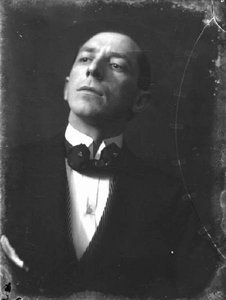
Umberto Boccioni
1882 - 1916 , Italia
Tietoa taiteilijasta
- Artistic Movement Or Style: Futurism
- Artists Or Movements Influenced By This Artist:
- Konstruktivismi
- Abstrakti ekspressionismi
- Artists Who Influenced This Artist:
- Giacomo Balla
- Divisionismi
- Date Of Birth: 1882-10-19
- Date Of Death: 1916-08-17
- Full Name: Umberto Boccioni
- Nationality: Italian
- Notable Artworks:
- Dynamismi Istruzione
- Kaupunki nousee
- Ihmiskeho
- Unikkeet
- Place Of Birth: Reggio Calabria, Italia
Aiheeseen liittyvät artikkelit

Serene Blue Backgrounds: Discover Soulful Art to Transform Your Space with Timeless Elegance
Transform your home with soulful blue art. From serene Monet impressions to modern textured sculptures, discover curated masterpieces designed to inspire calm. Explore expert art consultations and bespoke hand-painted reproductions to create your personal sanctuary.

The Allure of Azure: Exploring the Symbolic & Aesthetic Depths of Blue in Art History
Explore the rich history of blue in art! Discover its symbolism, from ancient pigments to modern masterpieces by Kandinsky & Seurat. Uncover the psychological impact and cultural meanings behind this captivating hue.

Umberto Boccioni: Dynamism, Futurist Ideals & the Evolution of Modern Sculpture
Explore the revolutionary art of Umberto Boccioni, a leading figure of Futurism. Discover his iconic sculptures & paintings, and delve into the movement's impact on modern art history with OriginalUniqueArt.

Speed, Power, and Motion: A Journey Through the Energetic Soul of Futurism
Explore the exhilarating energy of Futurism. From Italian dynamism to Russian Cubo-Futurism, journey through a masterclass in speed, power, and motion in art history with our expert cultural reflections.

Top 10 Taideteosta Liukuvärissä: Sinisen Sävyt Kodin Sisustuksessa
Uppoudu 10 tunnetuimman taideteoksen maailmaan, joita hallitsee liukuväri! Tutustu impressionismin ja postimpressionismin mestareihin sekä sinisen sävyjen merkitykseen. Löydä inspiraatiota kotiisi OriginalUniqueArt.com:ista – laadukkaat taidevedokset ja kuratoidut sisustusratkaisut odottavat! Tutustu kokoelm


