

 Katso seinällä
 Lähetä
 Jaa
Jaa
 Tarkemmat tiedot
 Opas
Opas

 Lataa kuva
 Samanlaisia kohteita
 Röntgenkuvaus
 Diaesitys
 Tilastot
Ferruccio Busoni


 Lue lisää
Giclée- ja taideprintit
Museolaatuisia giclée- tai kankaitaulun tulosteita nopealla tuotannolla ja joustavilla viimeistelyvaihtoehdoilla. ( Tilaa käsinmaalattu jäljennös Siirry digitaaliseen kuvaan)




P118B €10

P118H €10

P118W €10

P438Z €10

P508JH €12

P508YH €12

P805H €10

P805Z €10

P919BZ €10

P919G €10

P919XJ €10

P959ZH €10

P968JZ €12

W106C €8

W218G €10

W218JH €8

W218Y €10

W307PJ €10

W316G €10

W316PJ €8

W316Y €10

W398PJ €8

W4111J €10

W500HY €15

W500JH €15

W692G €12

W849H €8

W940BG €15

W953PJ €8




Valitse valmiista mitoistamme sellaiset, jotka vastaavat teoksen alkuperäisiä mittasuhteita.

Kirjoita tarvitsemasi leveys ja korkeus, jotta tuloste sopii kehyskokoon tai seinällesi. Tulostetta voidaan vain leikata, sitä ei voi koskaan tehdä suuremmaksi kuin alkuperäinen kuva, joten eri muotoinen koko aiheuttaa osan kuvasta katoamisen. Lähetämme sinulle digitaalisen mallikuvan hyväksyttäväksi ennen kuin aloitamme tulostuksen. Tällä sivulla näkyvä kuva ei näytä lopullista leikkausta — vain mallikuva näyttää sen.
Maailmanlaajuinen toimitus () 2 viikossa tavallisen 4–5 viikon sijaan. (23 lokakuu)

Ilmainen pikatoimitus ympäri maailman

Korkealaatuinen pellavakangas

Kattava kuljetusvakuutus

Tulliveron palautustakuu

Takuu täydellisestä värien vastaavuudesta

100 päivän palautusoikeus valmistusvirhetapauksissa

100% rahat takaisin -takuu

Määräalennus saatavilla
 Lasivaihtoehto on saatavilla vain alle 110 cm kokoisille teoksille

Ferruccio Busoni
Giclée- ja taideprintit
Replikaatin koko
-


Kokonaishinta
€ 70
A Window into Modernity: Decoding Boccioni’s “Portrait of Ferruccio Busoni”
Umberto Boccioni's 1916 portrait of the celebrated composer Ferruccio Busoni is more than a likeness captured on canvas; it’s a vibrant distillation of an era, a testament to artistic kinship, and a poignant reflection on the cusp of change. Painted in the final months of Boccioni’s tragically short life, the work embodies the core tenets of Futurism while simultaneously reaching beyond its boundaries, hinting at a deeper exploration of form and emotion. The scene unfolds outdoors, immersing Busoni within a lush environment that feels both grounding and dynamic. He is seated, partially obscured by a hat, creating an intriguing sense of mystery – not hiding, but rather inviting contemplation on the intellectual energy radiating from within.
The Energetic Brushstroke: Technique and Futurist Principles
Boccioni’s masterful technique is immediately apparent in the vigorous impasto—the thick application of oil paint that lends a tactile quality to the surface. This isn't merely about depicting texture; it’s about conveying energy, mirroring the dynamism Busoni himself embodied as a composer constantly pushing boundaries. The brushstrokes aren’t blended or smoothed but remain visible, swirling and flowing like currents of thought. Lines are predominantly organic, echoing the natural forms surrounding Busoni, yet they possess an underlying sense of controlled chaos characteristic of Futurist principles. Boccioni wasn't interested in strict realism; he sought to capture not just *what* Busoni looked like but the very essence of his presence and the intellectual atmosphere that enveloped him. The layering of colors builds depth while deliberately flattening perspective, prioritizing emotional impact over photographic accuracy. This approach allows the painting to vibrate with life, a visual equivalent of Busoni’s complex musical compositions.
A Moment Suspended: Historical Context and Artistic Dialogue
The year 1916 was a pivotal one, shadowed by the immense upheaval of World War I. Italy found itself embroiled in conflict, and even the celebratory fervor that initially defined Futurism began to grapple with the harsh realities of war. This portrait emerges from this tumultuous context as a quiet moment of contemplation amidst chaos. It’s a tribute not just to Busoni as an artist but also to the power of intellectual connection during times of uncertainty. Boccioni and Busoni shared a mutual respect, both innovators in their respective fields who challenged conventional norms. The painting can be seen as a visual dialogue between two forward-thinking minds, a recognition of kindred spirits navigating a rapidly changing world. The warm hues dominating Busoni’s clothing – oranges, reds, and yellows – contrast beautifully with the cooler blues and greens of the foliage, drawing the eye and creating a harmonious tension that reflects this artistic exchange.
Beyond Representation: Emotional Resonance and Interior Appeal
“Portrait of Ferruccio Busoni” transcends mere representation; it’s an evocation of mood and atmosphere. The swirling brushstrokes, vibrant colors, and dynamic composition create a sense of movement and energy that draws the viewer in. The partially obscured face invites projection, fostering a personal connection with the artwork. It's a painting that doesn't simply *show* you Busoni; it allows you to *feel* his presence. For collectors and interior designers, this piece offers a striking focal point for modern or eclectic spaces. Its Italian avant-garde sophistication adds depth and character to any room, particularly living rooms, studies, or music rooms where its energy and intellectual weight can be fully appreciated. It’s an investment not just in a beautiful object but in a powerful statement about artistic vision and the enduring legacy of Futurism.
Kysymykset ja vastaukset
Mikä painokoko on suositeltava teokselle Umberto Boccioni:n "Ferruccio Busoni"?
Teokselle "Ferruccio Busoni" suositeltu tulostuskoko on Large. Muita kokoja on saatavilla samoissa mittasuhteissa.
Kuinka vanha Umberto Boccioni oli, kun "Ferruccio Busoni" luotiin?
Kun "Ferruccio Busoni" luotiin vuonna 1916, Umberto Boccioni (syntynyt 1882) oli 34 vuotias.
Onko teokselle Umberto Boccioni:n "Ferruccio Busoni" opasta?
Teoksesta Umberto Boccioni:n "Ferruccio Busoni" on saatavilla Opas -sivu: tulostettava tietolomake teoksesta, joka on suunniteltu opiskelijoita ja luokkahuonekäyttöä varten.
Taiteilijan elämäkerta
A Life Forged in Motion: The Revolutionary Vision of Umberto Boccioni
Umberto Boccioni, syntynyt Reggio Calabriaan vuonna 1882, oli italaisen futuristisen liikkeen keskeinen hahmo – voima, joka haastoi taiteelliset konventiot ja omaksui modernin maailman dynaamisuuden. Hänen elämänsä, vaikka katkesi ennenaikaisesti kolmenkympin ikää myöten, muistutti tätä intohimoista uskoa edistyksen, nopeuden ja kone-ajan lumoavaan energiaan. Boccionin varhaiset vuodet olivat merkittyjä jatkuviin muutoksiin hänen isänsä virkamiesuraan liittyen, mikä loi hänelle lapsuudesta lähtien vaeltavan sielun. Tämä nomadihenkinen elämä johtikin lopulta Roomaan, jossa hän aluksi opiskeli koriste-taidetta ennen kuin suuntautui maalaustyöhön, omaksuttaen vaikutteita Liberty-tyylin julisteiden taiteilijoilta. Kuitenkin hänen kohtaamisensa futurismilla, sytyttäen liekin Marinetti Tommaso Filipi kirjoituksissa, asetti hänen taiteellisen polkunsa lopullisesti.Embracing the Whirlwind: The Rise of a Futurist
Vuosi 1910 osoittautui ratkaisevaksi Boccionin elämässä. Hän allekirjoitti *Manifesto dei Pittori Futuristi*, vahvistaen sitoutumisensa liikkeeseen, joka juhli teknologiaa, nopeutta ja jopa väkivaltaa moderniteetin symboleina. Tämä ei ollut pelkästään esteettinen valinta; se oli filosofinen kapinallisuus perinteitä vastaan, pyrkimys vangita maailmaa, joka kiihdyttää kohti epävarmaa tulevaisuutta. Boccioni nousi nopeasti futuristisen liikkeen keskeiseksi teoreetikoksi, laajentaen Marinettin alkuperäisiä lausuntoja ja soveltaen niitä visuaaliseen taiteeseen. Hän argumentoi täydellisestä erottelusta esittävästä tarkkuudesta, edistäen sen sijaan maalauksia, jotka välittivät ei vain *mitä* asiat näyttivät, vaan myös *miltä* ne tuntuivat liikkeessä—nopeuden tunne, muodon hajoaminen, kaupunkielämän ylivoimainen energia. Hänen varhaiset teoksensa, vaikka nekin vihjasivat Impressionismin ja Divisionismin vaikutteisiin, alkoivat osoittaa tätä kohoavaa intohimoa dynaamisuuden puolesta. Teokset kuten *The City Rises* (1910-1911) ovat valtavia mittasuhteissa ja kunnianhimoisia, kuvaillen modernin metropolin kaoottista rakennusprosessia—pyörteitä ihmisfiguureita, rakennuksia ja koneita, jotka heijastavat futuristisen ihanteen.Deconstructing Reality: Technique and Themes
Boccionin taiteellinen kehitys oli merkittävää muutoshalua. Hän poikkesi perinteisistä perspektiivistä ja kompositiosta omaksuen fragmentaation keinona välittää liikettä ja energiaa. Esineet purettiin osiin, voimaviivat säteilevät ulospäin ja värit sekoittuivat pyöriviksi kuvioiksi—kaikki luomaan visuaalista värähdystä. Tämä dekonstruktio ei ollut pelkästään tyylillistä; se perustui Boccionin uskomukseen, että todellisuus itsessään oli virkavääristynyt ja jatkuvasti muuttuva. Hän pyrki esittämään ei vain asioiden staattisen ulkonäön, vaan niiden dynaamisen olemuksen. Tämä näkyy vahvasti teoksissa kuten *Dynamism of a Human Body* (1913), jossa hahmo kuvataan ei kiinteänä muodona, vaan fragmentoituneina muotoina, jotka viittaavat liikkeeseen tilassa. Ehkä hänen tunnetuin luomuksensa, *Unique Forms of Continuity in Space* (1913), ylittää maalauksen kokonaan—bronssiveistos, joka ilmentää futuristista ihannetta huumaavasti. Hahmo vaikuttaa olevan keskellä liikettä, sen raajat ja vartalo ovat piteneviä ja vääristyneitä, välittäen pysäyttämätöntä nopeutta.Legacy and Lasting Impact
Boccionin varhainen kuolema vuonna 1916 ensimmäisen maailmansodan aikana vei taiteemaailman todella visionäärin. Kuitenkin hänen ideansa ja teoksensa resonoivat edelleen pitkään hänen kuolemistaan huolimatta. Hän vaikutti syvästi sekä myöhemmän futurististen taiteilijoiden että Constructivismin ja Abstraktio-expressionismin kaltaisten liikkeiden työhön. Hänen liikkeen, dynaamisuuden ja esineiden esittämisen tutkimuksensa tarjosi uusia taiteellisia muotoja, haastaen perinteiset kauneus- ja esitysterminologiat.- Vaikutukset: Giacomo Balla’n divisionististen tekniikoiden vaikutus, Cubismin muodon fragmentointi sekä Marinetti Tommaso Filipi filosofiset kirjoitukset.
- Merkittävät teokset: *Dynamism of a Human Body*, *Unique Forms of Continuity in Space*, *The City Rises*, *Dynamism of a Cyclist*.
- Historiallinen merkitys: Boccioni oli 20-luvun keskeinen taiteellinen hahmo, joka haastoi taiteellisia konventioita ja muotoili modernin taiteen kulkua. Hänen teoriansa liikkeestä ja esineiden esittämisestä inspiroivat edelleen taiteilijoita.
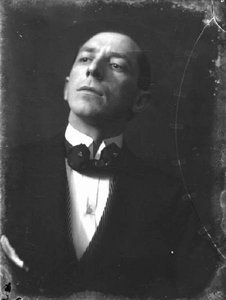
Umberto Boccioni
1882 - 1916 , Italia
Tietoa taiteilijasta
- Artistic Movement Or Style: Futurism
- Artists Or Movements Influenced By This Artist:
- Konstruktivismi
- Abstrakti ekspressionismi
- Artists Who Influenced This Artist:
- Giacomo Balla
- Divisionismi
- Date Of Birth: 1882-10-19
- Date Of Death: 1916-08-17
- Full Name: Umberto Boccioni
- Nationality: Italian
- Notable Artworks:
- Dynamismi Istruzione
- Kaupunki nousee
- Ihmiskeho
- Unikkeet
- Place Of Birth: Reggio Calabria, Italia
Aiheeseen liittyvät artikkelit

Oil on Canvas: A Historical & Technical Exploration of a Timeless Artistic Medium
Explore the rich history & enduring techniques of oil painting on canvas. Discover the science behind its longevity, conservation practices, and contemporary relevance. Expert insights for art enthusiasts.

Umberto Boccioni: Dynamism, Futurist Ideals & the Evolution of Modern Sculpture
Explore the revolutionary art of Umberto Boccioni, a leading figure of Futurism. Discover his iconic sculptures & paintings, and delve into the movement's impact on modern art history with OriginalUniqueArt.

Öljyvärimaalauksen kestävä perintö: tekniikka, historia ja nykyaikainen käytäntö
Tutustu öljyvärimaalauksen rikkaaseen historiaan, tekniikoihin ja merkittäviin mestareihin. Opi säilyttämään ja restauroimaan taidetta sekä löydä uudet innovaatiot tässä ajattomassa taidemuodossa.

The Enduring Legacy of Oil on Canvas: Technique, History & Aesthetic Impact
Explore the rich history & techniques of oil painting – from Renaissance masters to Impressionism. Discover pigments, layering methods, and why this timeless medium endures. Expert insights for artists & art enthusiasts.
Speed, Power, and Motion: A Journey Through the Energetic Soul of Futurism
Explore the exhilarating energy of Futurism. From Italian dynamism to Russian Cubo-Futurism, journey through a masterclass in speed, power, and motion in art history with our expert cultural reflections.


