

 Katso seinällä
 Lähetä
 Jaa
Jaa
 Tarkemmat tiedot
 Opas
Opas

 Lataa kuva
 Samanlaisia kohteita
 Röntgenkuvaus
 Diaesitys
 Tilastot
April Evening


 Lue lisää
Giclée- ja taideprintit
Museolaatuisia giclée- tai kankaitaulun tulosteita nopealla tuotannolla ja joustavilla viimeistelyvaihtoehdoilla. ( Tilaa käsinmaalattu jäljennös Siirry digitaaliseen kuvaan)




P118B €10

P118H €10

P118W €10

P438Z €10

P508JH €12

P508YH €12

P805H €10

P805Z €10

P919BZ €10

P919G €10

P919XJ €10

P959ZH €10

P968JZ €12

W106C €8

W218G €10

W218JH €8

W218Y €10

W307PJ €10

W316G €10

W316PJ €8

W316Y €10

W398PJ €8

W4111J €10

W500HY €15

W500JH €15

W692G €12

W849H €8

W940BG €15

W953PJ €8




Valitse valmiista mitoistamme sellaiset, jotka vastaavat teoksen alkuperäisiä mittasuhteita.

Kirjoita tarvitsemasi leveys ja korkeus, jotta tuloste sopii kehyskokoon tai seinällesi. Tulostetta voidaan vain leikata, sitä ei voi koskaan tehdä suuremmaksi kuin alkuperäinen kuva, joten eri muotoinen koko aiheuttaa osan kuvasta katoamisen. Lähetämme sinulle digitaalisen mallikuvan hyväksyttäväksi ennen kuin aloitamme tulostuksen. Tällä sivulla näkyvä kuva ei näytä lopullista leikkausta — vain mallikuva näyttää sen.
Maailmanlaajuinen toimitus () 2 viikossa tavallisen 4–5 viikon sijaan. (22 lokakuu)

Ilmainen pikatoimitus ympäri maailman

Korkealaatuinen pellavakangas

Kattava kuljetusvakuutus

Tulliveron palautustakuu

Takuu täydellisestä värien vastaavuudesta

100 päivän palautusoikeus valmistusvirhetapauksissa

100% rahat takaisin -takuu

Määräalennus saatavilla
 Lasivaihtoehto on saatavilla vain alle 110 cm kokoisille teoksille

April Evening
Giclée- ja taideprintit
Replikaatin koko
-


Kokonaishinta
€ 70
A Glimpse into a Changing World: Umberto Boccioni’s *April Evening*
Umberto Boccioni's April Evening, painted in 1908, offers a serene yet subtly dynamic vision of the Italian countryside. Before his fervent embrace of Futurism and its radical deconstruction of form, this work reveals a young artist still deeply rooted in the traditions of Divisionism, yet already hinting at the explorations to come. The painting depicts a tranquil scene – a substantial brick building anchors the background, partially obscured by lush trees, while figures populate the landscape, enjoying what appears to be a leisurely moment. It’s a composition that breathes with an understated elegance, capturing not just a place but a feeling—a sense of peaceful contemplation under the soft light of an April dusk.
The Divisionist Palette and Early Influences
Boccioni's technique in April Evening is firmly grounded in Divisionism, also known as Pointillism when practiced by artists like Seurat. Rather than blending colors on the palette, Boccioni meticulously applied small, distinct brushstrokes of pure color, allowing the viewer’s eye to optically mix them and create a vibrant luminosity. This approach wasn't merely about achieving visual effects; it was part of a broader artistic investigation into light, atmosphere, and the perception of reality. The painting showcases his mastery of this technique, creating a shimmering quality in the foliage and sky that evokes the delicate transition from day to night. His earlier studies with Giacomo Balla were instrumental in developing this skill, and we see echoes of Balla’s influence in the way light is fragmented and reassembled on the canvas. It's important to remember that for Boccioni, this wasn’t simply about replicating a scene; it was about capturing the *experience* of seeing it.
A Bridge Between Tradition and Revolution
Painted just two years before Boccioni signed the Manifesto dei Pittori Futuristi, April Evening stands as a fascinating transitional work. While seemingly conventional in its subject matter – a peaceful landscape with figures – it possesses an underlying energy that foreshadows his later, more radical explorations of motion and modernity. The composition isn’t static; there's a subtle sense of movement suggested by the arrangement of trees and figures, hinting at the dynamism that would become central to his artistic vision. This painting represents Boccioni on the cusp of change, absorbing the lessons of the past while simultaneously yearning for a new way to represent the world around him. It’s a testament to his intellectual curiosity and willingness to challenge established norms.
The Allure of Nostalgia and Modernity
For contemporary viewers, April Evening offers more than just aesthetic pleasure; it provides a window into a pivotal moment in art history. It's a reminder that even the most revolutionary artists begin somewhere, building upon existing traditions before forging their own paths. The painting’s serene atmosphere and beautiful rendering of light evoke a sense of nostalgia, while its subtle hints of dynamism suggest the exciting changes on the horizon. A reproduction of April Evening would bring a touch of Italian elegance to any interior, offering a sophisticated blend of classic beauty and modern sensibility. It's a piece that invites contemplation, encouraging viewers to appreciate both the tranquility of the scene and the artistic genius of Umberto Boccioni—a master poised to redefine the boundaries of art itself.
Kysymykset ja vastaukset
Mikä on teoksen Umberto Boccioni:n "April Evening" värimaailma?
Umberto Boccioni:n "April Evening" -teoksen väri-identiteetti: Maanläheinen paletti, jota hallitsee Ftalovihreä (#322216).
Mistä voin ladata teoksen Umberto Boccioni:n "April Evening"?
Teoksen Umberto Boccioni:n "April Evening" kuvan voi ladata teoksen Lataa -sivulta: korkearesoluutioinen digitaalinen kuvalataus.
Mikä on teoksen Umberto Boccioni:n "April Evening" hallitseva sävy?
Okrasta seepiaan sävy hallitsee teosta Umberto Boccioni:n "April Evening".
Taiteilijan elämäkerta
A Life Forged in Motion: The Revolutionary Vision of Umberto Boccioni
Umberto Boccioni, syntynyt Reggio Calabriaan vuonna 1882, oli italaisen futuristisen liikkeen keskeinen hahmo – voima, joka haastoi taiteelliset konventiot ja omaksui modernin maailman dynaamisuuden. Hänen elämänsä, vaikka katkesi ennenaikaisesti kolmenkympin ikää myöten, muistutti tätä intohimoista uskoa edistyksen, nopeuden ja kone-ajan lumoavaan energiaan. Boccionin varhaiset vuodet olivat merkittyjä jatkuviin muutoksiin hänen isänsä virkamiesuraan liittyen, mikä loi hänelle lapsuudesta lähtien vaeltavan sielun. Tämä nomadihenkinen elämä johtikin lopulta Roomaan, jossa hän aluksi opiskeli koriste-taidetta ennen kuin suuntautui maalaustyöhön, omaksuttaen vaikutteita Liberty-tyylin julisteiden taiteilijoilta. Kuitenkin hänen kohtaamisensa futurismilla, sytyttäen liekin Marinetti Tommaso Filipi kirjoituksissa, asetti hänen taiteellisen polkunsa lopullisesti.Embracing the Whirlwind: The Rise of a Futurist
Vuosi 1910 osoittautui ratkaisevaksi Boccionin elämässä. Hän allekirjoitti *Manifesto dei Pittori Futuristi*, vahvistaen sitoutumisensa liikkeeseen, joka juhli teknologiaa, nopeutta ja jopa väkivaltaa moderniteetin symboleina. Tämä ei ollut pelkästään esteettinen valinta; se oli filosofinen kapinallisuus perinteitä vastaan, pyrkimys vangita maailmaa, joka kiihdyttää kohti epävarmaa tulevaisuutta. Boccioni nousi nopeasti futuristisen liikkeen keskeiseksi teoreetikoksi, laajentaen Marinettin alkuperäisiä lausuntoja ja soveltaen niitä visuaaliseen taiteeseen. Hän argumentoi täydellisestä erottelusta esittävästä tarkkuudesta, edistäen sen sijaan maalauksia, jotka välittivät ei vain *mitä* asiat näyttivät, vaan myös *miltä* ne tuntuivat liikkeessä—nopeuden tunne, muodon hajoaminen, kaupunkielämän ylivoimainen energia. Hänen varhaiset teoksensa, vaikka nekin vihjasivat Impressionismin ja Divisionismin vaikutteisiin, alkoivat osoittaa tätä kohoavaa intohimoa dynaamisuuden puolesta. Teokset kuten *The City Rises* (1910-1911) ovat valtavia mittasuhteissa ja kunnianhimoisia, kuvaillen modernin metropolin kaoottista rakennusprosessia—pyörteitä ihmisfiguureita, rakennuksia ja koneita, jotka heijastavat futuristisen ihanteen.Deconstructing Reality: Technique and Themes
Boccionin taiteellinen kehitys oli merkittävää muutoshalua. Hän poikkesi perinteisistä perspektiivistä ja kompositiosta omaksuen fragmentaation keinona välittää liikettä ja energiaa. Esineet purettiin osiin, voimaviivat säteilevät ulospäin ja värit sekoittuivat pyöriviksi kuvioiksi—kaikki luomaan visuaalista värähdystä. Tämä dekonstruktio ei ollut pelkästään tyylillistä; se perustui Boccionin uskomukseen, että todellisuus itsessään oli virkavääristynyt ja jatkuvasti muuttuva. Hän pyrki esittämään ei vain asioiden staattisen ulkonäön, vaan niiden dynaamisen olemuksen. Tämä näkyy vahvasti teoksissa kuten *Dynamism of a Human Body* (1913), jossa hahmo kuvataan ei kiinteänä muodona, vaan fragmentoituneina muotoina, jotka viittaavat liikkeeseen tilassa. Ehkä hänen tunnetuin luomuksensa, *Unique Forms of Continuity in Space* (1913), ylittää maalauksen kokonaan—bronssiveistos, joka ilmentää futuristista ihannetta huumaavasti. Hahmo vaikuttaa olevan keskellä liikettä, sen raajat ja vartalo ovat piteneviä ja vääristyneitä, välittäen pysäyttämätöntä nopeutta.Legacy and Lasting Impact
Boccionin varhainen kuolema vuonna 1916 ensimmäisen maailmansodan aikana vei taiteemaailman todella visionäärin. Kuitenkin hänen ideansa ja teoksensa resonoivat edelleen pitkään hänen kuolemistaan huolimatta. Hän vaikutti syvästi sekä myöhemmän futurististen taiteilijoiden että Constructivismin ja Abstraktio-expressionismin kaltaisten liikkeiden työhön. Hänen liikkeen, dynaamisuuden ja esineiden esittämisen tutkimuksensa tarjosi uusia taiteellisia muotoja, haastaen perinteiset kauneus- ja esitysterminologiat.- Vaikutukset: Giacomo Balla’n divisionististen tekniikoiden vaikutus, Cubismin muodon fragmentointi sekä Marinetti Tommaso Filipi filosofiset kirjoitukset.
- Merkittävät teokset: *Dynamism of a Human Body*, *Unique Forms of Continuity in Space*, *The City Rises*, *Dynamism of a Cyclist*.
- Historiallinen merkitys: Boccioni oli 20-luvun keskeinen taiteellinen hahmo, joka haastoi taiteellisia konventioita ja muotoili modernin taiteen kulkua. Hänen teoriansa liikkeestä ja esineiden esittämisestä inspiroivat edelleen taiteilijoita.
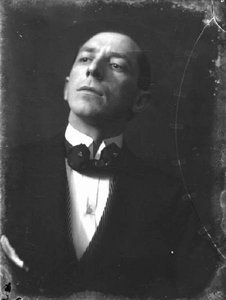
Umberto Boccioni
1882 - 1916 , Italia
Tietoa taiteilijasta
- Artistic Movement Or Style: Futurism
- Artists Or Movements Influenced By This Artist:
- Konstruktivismi
- Abstrakti ekspressionismi
- Artists Who Influenced This Artist:
- Giacomo Balla
- Divisionismi
- Date Of Birth: 1882-10-19
- Date Of Death: 1916-08-17
- Full Name: Umberto Boccioni
- Nationality: Italian
- Notable Artworks:
- Dynamismi Istruzione
- Kaupunki nousee
- Ihmiskeho
- Unikkeet
- Place Of Birth: Reggio Calabria, Italia
Aiheeseen liittyvät artikkelit

Romanttisen maisemamaalauksen mestariteokset: Taidetta ja inspiraatiota kotiin
Uppoudu romanttisen maisemamaalauksen maailmaan! Tutustu Caspar David Friedrichin, Turnerin ja muiden mestareiden ikonisiin teoksiin. Löydä inspiraatiota kotiisi taiteen avulla OriginalUniqueArt.comista – laadukkaat taideprintit ja sisustusideoita.
Speed, Power, and Motion: A Journey Through the Energetic Soul of Futurism
Explore the exhilarating energy of Futurism. From Italian dynamism to Russian Cubo-Futurism, journey through a masterclass in speed, power, and motion in art history with our expert cultural reflections.

John Constablein 25 mestariteosta: Taidetta ja tunnelmaa kotiisi – OriginalUniqueArt.com
Tutustu John Constable'n 25 mestariteokseen – romanttisia maisemamaalauksia, jotka vangitsevat englantilaisen luonnon tunnelman. Taidehistoriaa ja inspiraatiota kotiisi OriginalUniqueArt.com:ssa. Löydä kaikki taideteokset verkossa!

Umberto Boccioni: Dynamism, Futurist Ideals & the Evolution of Modern Sculpture
Explore the revolutionary art of Umberto Boccioni, a leading figure of Futurism. Discover his iconic sculptures & paintings, and delve into the movement's impact on modern art history with OriginalUniqueArt.

Evocations of Place: A Historical Journey Through Landscape Art
Explore the rich history of landscape art with OriginalUniqueArt. Discover renowned artists, movements like Impressionism & Romanticism, and expert guidance for collecting timeless pieces. Find your perfect serene escape today!


