
 Esikatselu
 Jaa teos
 Jaa
Jaa
 Tiedot
 Opas
Opas

 Lataa kuva
 Samanlaisia kohteita
 Röntgenkuvaus
 Diaesitys
 Kysymykset ja vastaukset
 Tilastot
Romans of the Decadence

- 466.0 x 773.0 cm


 Lue lisää
Giclée- ja taideprintit
Museolaatuisia giclée- tai kankaitaulun tulosteita nopealla tuotannolla ja joustavilla viimeistelyvaihtoehdoilla. ( Osta käsinmaalattu taideteos Siirry digitaaliseen kuvaan)




P118B €10

P118H €10

P118W €10

P438Z €10

P508JH €12

P508YH €12

P805H €10

P805Z €10

P919BZ €10

P919G €10

P919XJ €10

P959ZH €10

P968JZ €12

W106C €8

W218G €10

W218JH €8

W218Y €10

W307PJ €10

W316G €10

W316PJ €8

W316Y €10

W398PJ €8

W4111J €10

W500HY €15

W500JH €15

W692G €12

W849H €8

W940BG €15

W953PJ €8




Valitse valmiista mitoistamme sellaiset, jotka vastaavat teoksen alkuperäisiä mittasuhteita.

Syötä tarvitsemasi leveys ja korkeus, jotta tuloste sopii kehyksiisi tai seinällesi. Tulostetta voidaan vain leikata, sitä ei voida koskaan suurentaa alkuperäistä kuvaa suuremmaksi, joten eri muotoinen koko aiheuttaa osan kuvasta katoamisen. Lähetämme sinulle digitaalisen mallikuvan hyväksyttäväksi ennen kuin aloitamme tulostuksen. Tällä sivulla näkyvä kuva ei näytä lopullista rajausta — vain mallikuva näyttää sen.
Maailmanlaajuinen toimitus () 2 viikossa tavallisen 4–5 viikon sijaan. (8 marraskuu)

Ilmainen pikatoimitus ympäri maailman

Korkealaatuinen pellavakangas

Kattava kuljetusvakuutus

Tulliveron palautustakuu

Takuu täydellisestä värien vastaavuudesta

100 päivän palautusoikeus (vain valmistusvirheet)

100% rahat takaisin -takuu

Määräalennus tarjolla
 Lasivaihtoehto on saatavilla vain alle 110 cm kokoisille teoksille

Romans of the Decadence
Giclée- ja taideprintit
Replikaatin koko
-


Kokonaishinta
€ 72
A Monumental Vision of Antiquity
In the hallowed, quiet corridors of the Musée d'Orsay, there exists a window into a world of fading glory, captured through the masterful lens of Thomas Couture. His 1847 masterpiece, Romans in Their Decadence, is far more than a mere historical tableau; it is a visceral exploration of an empire in its twilight. This colossal oil on canvas, measuring an imposing 466 x 773 cm, stands as an arresting testament to the artistic fervor of the mid-nineteenth century—a period grappling with shifting intellectual currents and a profound yearning for a return to classical ideals. The painting presents a lavish gathering of figures within an opulent architectural setting, where the grandeur of ancient Rome meets the inevitable shadow of moral and societal erosion.
The composition pulsates with a restless dynamism, capturing a crowded scene that feels almost like a tableau vivant—a staged event designed to overwhelm the senses. As the viewer’s eye wanders through the dense arrangement of bodies, one encounters a symphony of movement: figures dancing, conversing, reclining, and observing in a state of luxurious excess. At the heart of this chaotic splendor, a statue of Venus stands prominently on a pedestal, framed by majestic Corinthian columns. This central icon serves as a silent witness to the surrounding revelry, embodying the very beauty and passion that the era's decadence sought to consume.
The Intersection of Neoclassicism and Romantic Emotion
Couture’s technical prowess lies in his ability to bridge two seemingly opposing worlds: the disciplined precision of Neoclassicism and the emotive turbulence of Romanticism. The architectural details—the meticulously rendered stone, the geometric stability of the arches, and the idealized forms of the figures—speak to a deep respect for classical tradition. Yet, this structural rigidity is infused with a Romantic soul through dramatic lighting and deeply expressive faces. A strong, theatrical light source illuminates the central area, casting long, heavy shadows that enhance the sense of depth and volume, creating an atmosphere that is simultaneously magnificent and haunting.
<The color palette further reinforces this emotional duality. Dominated by warm, earthy tones—rich browns, deep reds, and shimmering golds—the painting evokes a sense of heat, passion, and material wealth. These are sharply contrasted against cooler blues and whites found in the architectural elements and flowing drapery, providing a visual tension that mirrors the societal tension within the subject matter itself. Through layered brushwork and a sophisticated use of texture, Couture breathes life into fabric, skin, and stone, making the decadence feel tangibly present.
A Legacy for the Discerning Collector
For the art lover, the collector, or the interior designer, Romans in Their Decadence offers more than just historical interest; it provides a profound emotional resonance. It is a piece that commands attention, making it an ideal centerpiece for spaces that celebrate drama, history, and classical elegance. Whether placed in a grand salon or a sophisticated study, a high-quality reproduction of this work brings with it the weight of history and the spirit of rebellion that defined Couture’s career.
Owning a piece inspired by this masterpiece allows one to inhabit the tension between strength and decay, beauty and excess. It serves as a constant reminder of the cyclical nature of empires and the enduring power of art to capture the fleeting moments of human history. For those seeking to infuse their surroundings with a sense of monumental scale and narrative depth, Couture’s vision remains an unparalleled source of inspiration.
Kysymykset ja vastaukset
Mistä kansallisuudesta "Romans of the Decadence"-teoksen Academic Art kumpuaa?
Academic Art-tyylinen teos "Romans of the Decadence" on Ranska:ssa syntyneen taiteilijan käsialaa.
Mitä väripalettia teoksessa Thomas Couture:n "Romans of the Decadence" käytetään?
Teoksen Thomas Couture:n "Romans of the Decadence" väripalettia kuvataan sanoin Earthy. Se on tiivis kuvaus teoksen väreistä.
Miten teos "Romans of the Decadence" sijoittuu osaksi Thomas Couture'n tuotantoa?
"Romans of the Decadence" kuuluu Thomas Couture:n Academic Art-kauden tuotantoon, jonka tunnettuun teemaan kuuluvat raphael's influence, classical ideals, roman decadence critique", 19th-century moral anxieties, romanticism's dramatic flair, couture's historical narratives, teaching & artistic legacy, exploring societal decline"."
Taiteilijan elämäkerta
Kapinallinen ateljeessa: Thomas Couturen elämä ja perintö
Ranskassa, Senlisissä vuonna 1815 syntynyt Thomas Couture nousi keskeiseksi hahmoksi, joka rakensi sillan romantiikan ja realismin välille – maalariksi, joka uskalsi haastaa akateemiset konventiot hallitsemalla samalla niiden tekniikat täydellisesti. Hänen varhaisvuosiinsa kuului muuton Pariisiin perheensä kanssa, missä hän aloitti opintonsa École des Arts et Métiers -koulussa ennen kuin hakeutui arvostettuun École des Beaux-Arts -akatemiaan. Couturen polku ei kuitenkaan ollut suoraviivainen menestys; hän kohtasi toistuvia torjuntoja Prix de Rome -kilpailussa, kunnianosoituksessa, joka olisi varmistanut hänelle halutun residenssin Rooman Académie de Francessa. Sen sijaan, että hän olisi hyväksynyt tappion, nämä vastoinkäymiset ruokkivat hänen vakaumustaan siitä, että itse vakiintunut järjestelmä oli viallinen. Tämä sai hänet raivaamaan oman taiteellisen polkunsa ja lopulta perustamaan itsenäisen ateljeen – turvapaikan niille, jotka etsivät vaihtoehtoa perinteiselle opetukselle.Imperiumien dekadenssi ja uusi taiteellinen visio
Couturen läpimurto saavutettiin teoksella Romans During the Decadence (1847), monumentaalisella työllä, joka herätti Pariisin Salongissa sekä ylistystä että kiivasta keskustelua. Tämä maalaus ei ollut pelkkä historiallinen kuvaus; se oli pureva yhteiskunnallinen kommentti, joka ammentoi inspiraationsa Juvenaluksen satiirisista teksteistä ja kuvasi Rooman yhteiskunnan moraalista rappiota sekä ylellistä yltäkylläisyyttä. Kohtaus sykkii hillittömän nautinnon tunnetta, jossa hahmot on verhottu ylellisiin kankaisiin klassisten raunioiden keskellä – tarkoituksellinen vastakkainasettelu, jonka oli tarkoitus heijastaa toisen tasavallan aikaista ranskalaista yhteiskuntaa. Couturen mestarillinen tapa käyttää sävykontrasteja, hyödyntäen syviä tummia sävyjä, joita korostavat näyttävät valoläiskät, voimisti entisestään teoksen dramaattista vaikutusta ja symbolista painoarvoa. Maalauksen menestys vakiinnutti hänen maineensa johtavana taiteilijana ja teki hänestä merkittävän voiman taidemaailmassa. Se oli enemmän kuin vain teknistä taituruutta; se oli rohkea lausunto itse sivilisaation tilasta.Titanien opettaja: Tulevien sukupolvien muovaaja
Omien taiteellisten saavutustensa lisäksi Couturen vaikutus ulottui syvälle hänen rooliinsa kasvattajana. Hän avasi ateljeensa monipuoliselle joukolle pyrkimysalaisia taiteilijoita, hyläten École des Beaux-arts -akatemian jäykät rajoitteet ja edistäen kokeilun sekä kriittisen ajattelun ilmapiiriä. Hänen tunnetuinten oppilaidensa joukossa oli nimiä, joista tulisi modernin taiteen synonyymejä: Édouard Manet, jonka vallankumouksellinen lähestymistapa maalaamiseen velkasi paljon Couturen painotukselle sävyarvoille ja ilmaisikkaiselle siveltimenvedolle; Henri Fantin-Latour, joka tunnettiin asetelmistaan ja kollegojensa muotokuvista; symbolismin uranuurtaja Pierre Puvis de Chavannes; sekä lasimaalauksen innovaattori John La Farge. Couturen opetusmenetelmät olivat epätavallisia, kannustaen opiskelijoita kehittämään oman äänensä samalla kun he saivat vahvan pohjan piirtämisen ja sommittelun perusteista. Hän puolusti ”nopeaa maalaamista”, ennakoiden tekniikoita, joita impressionistit myöhemmin omaksuivat, ja korosti suoran havainnoinnin merkitystä elävästä maailmasta.Myöhemmät vuodet ja kestävä vaikutus
Vuonna 1860, pettyneenä Pariisin taidemaailmaan, Couture vetäytyi kotikaupunkiinsa Senlisiin, missä hän jatkoi opettamista ja maalaamista. Hän tiivisti taiteellisen filosofiansa teoksessa Méthode et entretiens d'atelier (Menetelmä ja ateljeen keskustelut), joka julkaistiin vuonna 1867 – tutkielma, joka tarjosi radikaalin kritiikin akateemista dogmia kohtaan ja puolusti intuitiivisempaa ja ilmaisullisempaa lähestymistapaa taiteen tekemiseen. Tämä teos, joka käännettiin myöhemmin englanniksi nimellä Conversations on Art Methods, tarjosi arvokasta tietoa hänen pedagogisista periaatteistaan ja taiteellisista uskomuksistaan. Vaikka hän kohtasi uransa aikana kritiikkiä vakiintuneiden normien haastamisesta, Couturen vaikutus modernin taiteen kehitykseen on kiistaton. Hän kasvatti sukupolven taiteilijoita, jotka uskalsivat vapautua konventioista, raivaten tietä niille radikaaleille innovaatioille, jotka määrittivät 1800-luvun loppua ja 1900-luvun alkua. Hänen perintönsä elää paitsi hänen omien vakuuttavien maalaustensa kautta, myös sen pysyvän vaikutuksen kautta, jonka hän jätti taidehistorian merkittävimpiin hahmoihin.
Thomas Couture
1815 - 1879 , Ranska
Pähkinänkuoressa
- Artistic Movement Or Style: Romanttinen & Realistinen
- Artists Or Movements Influenced By This Artist: ['Édouard Manet']
- Artists Who Influenced This Artist:
- Antoine-Jean Gros
- Paul Delaroche
- Date Of Birth: 12. joulukuuta 1815
- Date Of Death: 30. maaliskuuta 1879
- Full Name: Thomas Couture
- Nationality: Ranskalainen
- Notable Artworks:
- Romaaneja imperiumin dekadenssissa
- Taistelun jälkeen naamioiduissa juhlassa
- Place Of Birth: Senlis, Ranska
Aiheeseen liittyvät artikkelit
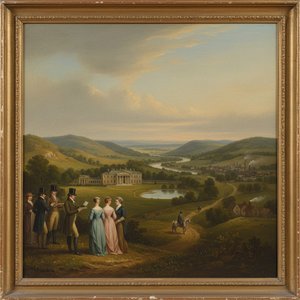
Thomas Barker of Bath: Landscape Painting & Societal Reflection in Early 19th-Century England
Explore the life & work of Thomas Barker of Bath, a key figure in 19th-century English Romanticism. Discover his Parisian success, iconic paintings like 'The Bride of Death', and lasting artistic legacy. Learn more at OriginalUniqueArt.

1800-luvun Taidemestarinäytteet: 10 Teosta, Jotka Määrittelevät Aikakauden
Uppoudu 1800-luvun taiteen maailmaan! Tutustu 10 ikoniseen maalaukseen – impressionismista realismiin. Taiteilijoiden tarinat, tekniikat ja ajattomat mestariteokset odottavat. Löydä inspiraatiota sisustukseesi OriginalUniqueArt.com:ssa.

Academic Art: Tradition, Technique & the Pursuit of Ideal Form in the 19th Century
Explore the world of Academic Art! Discover its history, key artists like Ingres & Bouguereau, defining techniques, and lasting influence on 19th-century painting. Learn about the Salon system and its legacy.
Akateemisen realismin mestariteokset: 10 taideteosta, jotka muuttivat maailmaa | OriginalUniqueArt
Tutustu akateemisen realismin 10 mestariteokseen! Uppoudu 1800-luvun taiteen maailmaan, opi kuuluisien taiteilijoiden tarinoita ja löydä inspiraatiota sisustukseesi. Laadukkaat reproduktiot OriginalUniqueArt.com:ssa.
Academic Art: Tradition, Technique & the Rise of Modernism
Explore the rich history of Academic Art – its techniques, key masters like Bouguereau & Ingres, and influence on 19th-century painting. Discover this enduring tradition.


