

 Katso seinällä
 Lähetä
 Jaa
Jaa
 Tarkemmat tiedot
 Opas
Opas

 Lataa kuva
 Samanlaisia kohteita
 Röntgenkuvaus
 Diaesitys
 Tilastot
Nous jurons de vous défendre


 Lue lisää
Giclée- ja taideprintit
Museolaatuisia giclée- tai kankaitaulun tulosteita nopealla tuotannolla ja joustavilla viimeistelyvaihtoehdoilla. ( Tilaa käsinmaalattu jäljennös Siirry digitaaliseen kuvaan)




P118B €10

P118H €10

P118W €10

P438Z €10

P508JH €12

P508YH €12

P805H €10

P805Z €10

P919BZ €10

P919G €10

P919XJ €10

P959ZH €10

P968JZ €12

W106C €8

W218G €10

W218JH €8

W218Y €10

W307PJ €10

W316G €10

W316PJ €8

W316Y €10

W398PJ €8

W4111J €10

W500HY €15

W500JH €15

W692G €12

W849H €8

W940BG €15

W953PJ €8




Valitse valmiista mitoistamme sellaiset, jotka vastaavat teoksen alkuperäisiä mittasuhteita.

Kirjoita tarvitsemasi leveys ja korkeus, jotta tuloste sopii kehyskokoon tai seinällesi. Tulostetta voidaan vain leikata, sitä ei voi koskaan tehdä suuremmaksi kuin alkuperäinen kuva, joten eri muotoinen koko aiheuttaa osan kuvasta katoamisen. Lähetämme sinulle digitaalisen mallikuvan hyväksyttäväksi ennen kuin aloitamme tulostuksen. Tällä sivulla näkyvä kuva ei näytä lopullista leikkausta — vain mallikuva näyttää sen.
Maailmanlaajuinen toimitus () 2 viikossa tavallisen 4–5 viikon sijaan. (23 lokakuu)

Ilmainen pikatoimitus ympäri maailman

Korkealaatuinen pellavakangas

Kattava kuljetusvakuutus

Tulliveron palautustakuu

Takuu täydellisestä värien vastaavuudesta

100 päivän palautusoikeus valmistusvirhetapauksissa

100% rahat takaisin -takuu

Määräalennus saatavilla
 Lasivaihtoehto on saatavilla vain alle 110 cm kokoisille teoksille

Nous jurons de vous défendre
Giclée- ja taideprintit
Replikaatin koko
-


Kokonaishinta
€ 70
Thomas Couture: Een Rebel in het Atelier – Het Leven en Erfenis van een Pionier
Thomas Couture (1815-1879) staat als een belangrijke brug tussen Romanticisme en Realisme bekend, een kunstenaar die durfde uit te dagen wat academische conventie betekende terwijl hij tegelijkertijd de technieken ervan beheerselde. Zijn jeugd werd gekenmerkt door een terugtrekking naar Parijs met zijn familie waar hij aanvankelijk studie volgde aan École des Arts et Métiers voordat hij zich richtte op het prestigieuze École des Beaux-Arts. Maar Couture’s pad was niet gepaved met directe acceptatie; hij stond herhaaldelijk voor afwijzing in de competitie voor Prix de Rome, een eer die hem zou verzekeren van een gewilde residentie aan Académie de France in Rome. In plaats daarvan voedde deze mislukkingen zijn overtuiging dat het systeem zelf gebrekkig was, waardoor hij zijn eigen kunstpad volgde en uiteindelijk een onafhankelijk atelier vestigde – een schuilplaats voor iedereen die op zoek ging naar een alternatief voor traditionele instructie.
Romans During the Decadence: Een Historische Inspiratiebron
Couture’s meest bekende werken zijn historische schilderijen, waaronder ‘Romans Tijdens de Decadentie,’ een kunstwerk dat een belangrijke rol speelt in het begrijpen van de romantische geest. Deze compositie vangt een moment van geschiedenis en drama op, waarbij Couture’s aandacht voor detail en zijn beheersing van licht en kleur een prachtige reproductie mogelijk maken. De scène wordt gekenmerkt door een groep mannen die zich verzamelden rondom een tafel, een directe verwijzing naar de tijd waarin kunstenaars vaak geïnspireerd werden door historische gebeurtenissen en filosofische ideeën.
Een Nieuwe Aanpak van Techniek en Stijl
Anders dan veel andere kunstenaars van zijn tijd, gebruikte Couture een combinatie van verschillende technieken om zijn kunstwerken tot leven te brengen. Hij experimenteerde met zowel olie als pastel, waardoor hij een rijke textuur en kleurintensiteit kon bereiken die typerend zijn voor het romantische stijl. Zijn gebruik van licht en schaduw creëerde een gevoel van atmosfeer en emotie dat de kijker aanspreekt en hem meeneemt in een reis terug naar het verleden.
De Invloedrijke Leerling van Manet
Couture’s kunst heeft een directe impact gehad op andere belangrijke kunstenaars, waaronder Édouard Manet. Hij werd beschouwd als een mentor en inspiratiebron voor een hele generatie kunstenaars die de romantische stijl wilde omarmen terwijl ze ook nieuwe vormen van expressie verkenden. Couture’s atelier werd een centrum voor innovatie en creativiteit waar kunstenaars vrijelijk konden experimenteren met verschillende technieken en ideeën.
Een Laatwerk Vol Symboliek
Thomas Couture stierf in 1879, maar zijn nalatenschap leeft voort in zijn prachtige kunstwerken die nog steeds worden bewonderd door kunstliefhebbers wereldwijd. Zijn werk staat symbool voor een periode van artistieke transformatie en een zoektocht naar nieuwe vormen van schoonheid en emotie – een zoektocht die eindigt bij een kunstenaar die zowel de traditie als het vernieuwing omarmde.
Kysymykset ja vastaukset
Mikä painokoko on suositeltava teokselle Thomas Couture:n "Nous jurons de vous défendre"?
Suositeltu tulostuskoko teokselle Thomas Couture:n "Nous jurons de vous défendre" on Suuri.
Mikä paletti ja hallitseva väri määrittelevät teoksen "Nous jurons de vous défendre"?
Thomas Couture:n "Nous jurons de vous défendre" -teoksen väri-identiteetti: Maanläheinen paletti, jota hallitsee Kinaakridonimagenta (#6f5949).
Minkälainen teos "Nous jurons de vous défendre" on?
Teos Thomas Couture:n "Nous jurons de vous défendre" on luokiteltu tyypiksi Seinätaide. Luokitus kertoo, minkä tyyppinen alkuperäisteos on kyseessä.
Taiteilijan elämäkerta
Kapinallinen ateljeessa: Thomas Couturen elämä ja perintö
Ranskassa, Senlisissä vuonna 1815 syntynyt Thomas Couture nousi keskeiseksi hahmoksi, joka rakensi sillan romantiikan ja realismin välille – maalariksi, joka uskalsi haastaa akateemiset konventiot hallitsemalla samalla niiden tekniikat täydellisesti. Hänen varhaisvuosiinsa kuului muuton Pariisiin perheensä kanssa, missä hän aloitti opintonsa École des Arts et Métiers -koulussa ennen kuin hakeutui arvostettuun École des Beaux-Arts -akatemiaan. Couturen polku ei kuitenkaan ollut suoraviivainen menestys; hän kohtasi toistuvia torjuntoja Prix de Rome -kilpailussa, kunnianosoituksessa, joka olisi varmistanut hänelle halutun residenssin Rooman Académie de Francessa. Sen sijaan, että hän olisi hyväksynyt tappion, nämä vastoinkäymiset ruokkivat hänen vakaumustaan siitä, että itse vakiintunut järjestelmä oli viallinen. Tämä sai hänet raivaamaan oman taiteellisen polkunsa ja lopulta perustamaan itsenäisen ateljeen – turvapaikan niille, jotka etsivät vaihtoehtoa perinteiselle opetukselle.Imperiumien dekadenssi ja uusi taiteellinen visio
Couturen läpimurto saavutettiin teoksella Romans During the Decadence (1847), monumentaalisella työllä, joka herätti Pariisin Salongissa sekä ylistystä että kiivasta keskustelua. Tämä maalaus ei ollut pelkkä historiallinen kuvaus; se oli pureva yhteiskunnallinen kommentti, joka ammentoi inspiraationsa Juvenaluksen satiirisista teksteistä ja kuvasi Rooman yhteiskunnan moraalista rappiota sekä ylellistä yltäkylläisyyttä. Kohtaus sykkii hillittömän nautinnon tunnetta, jossa hahmot on verhottu ylellisiin kankaisiin klassisten raunioiden keskellä – tarkoituksellinen vastakkainasettelu, jonka oli tarkoitus heijastaa toisen tasavallan aikaista ranskalaista yhteiskuntaa. Couturen mestarillinen tapa käyttää sävykontrasteja, hyödyntäen syviä tummia sävyjä, joita korostavat näyttävät valoläiskät, voimisti entisestään teoksen dramaattista vaikutusta ja symbolista painoarvoa. Maalauksen menestys vakiinnutti hänen maineensa johtavana taiteilijana ja teki hänestä merkittävän voiman taidemaailmassa. Se oli enemmän kuin vain teknistä taituruutta; se oli rohkea lausunto itse sivilisaation tilasta.Titanien opettaja: Tulevien sukupolvien muovaaja
Omien taiteellisten saavutustensa lisäksi Couturen vaikutus ulottui syvälle hänen rooliinsa kasvattajana. Hän avasi ateljeensa monipuoliselle joukolle pyrkimysalaisia taiteilijoita, hyläten École des Beaux-arts -akatemian jäykät rajoitteet ja edistäen kokeilun sekä kriittisen ajattelun ilmapiiriä. Hänen tunnetuinten oppilaidensa joukossa oli nimiä, joista tulisi modernin taiteen synonyymejä: Édouard Manet, jonka vallankumouksellinen lähestymistapa maalaamiseen velkasi paljon Couturen painotukselle sävyarvoille ja ilmaisikkaiselle siveltimenvedolle; Henri Fantin-Latour, joka tunnettiin asetelmistaan ja kollegojensa muotokuvista; symbolismin uranuurtaja Pierre Puvis de Chavannes; sekä lasimaalauksen innovaattori John La Farge. Couturen opetusmenetelmät olivat epätavallisia, kannustaen opiskelijoita kehittämään oman äänensä samalla kun he saivat vahvan pohjan piirtämisen ja sommittelun perusteista. Hän puolusti ”nopeaa maalaamista”, ennakoiden tekniikoita, joita impressionistit myöhemmin omaksuivat, ja korosti suoran havainnoinnin merkitystä elävästä maailmasta.Myöhemmät vuodet ja kestävä vaikutus
Vuonna 1860, pettyneenä Pariisin taidemaailmaan, Couture vetäytyi kotikaupunkiinsa Senlisiin, missä hän jatkoi opettamista ja maalaamista. Hän tiivisti taiteellisen filosofiansa teoksessa Méthode et entretiens d'atelier (Menetelmä ja ateljeen keskustelut), joka julkaistiin vuonna 1867 – tutkielma, joka tarjosi radikaalin kritiikin akateemista dogmia kohtaan ja puolusti intuitiivisempaa ja ilmaisullisempaa lähestymistapaa taiteen tekemiseen. Tämä teos, joka käännettiin myöhemmin englanniksi nimellä Conversations on Art Methods, tarjosi arvokasta tietoa hänen pedagogisista periaatteistaan ja taiteellisista uskomuksistaan. Vaikka hän kohtasi uransa aikana kritiikkiä vakiintuneiden normien haastamisesta, Couturen vaikutus modernin taiteen kehitykseen on kiistaton. Hän kasvatti sukupolven taiteilijoita, jotka uskalsivat vapautua konventioista, raivaten tietä niille radikaaleille innovaatioille, jotka määrittivät 1800-luvun loppua ja 1900-luvun alkua. Hänen perintönsä elää paitsi hänen omien vakuuttavien maalaustensa kautta, myös sen pysyvän vaikutuksen kautta, jonka hän jätti taidehistorian merkittävimpiin hahmoihin.
Thomas Couture
1815 - 1879 , Ranska
Tietoa taiteilijasta
- Artistic Movement Or Style: Romanttinen & Realistinen
- Artists Or Movements Influenced By This Artist: ['Édouard Manet']
- Artists Who Influenced This Artist:
- Antoine-Jean Gros
- Paul Delaroche
- Date Of Birth: 12. joulukuuta 1815
- Date Of Death: 30. maaliskuuta 1879
- Full Name: Thomas Couture
- Nationality: Ranskalainen
- Notable Artworks:
- Romaaneja imperiumin dekadenssissa
- Taistelun jälkeen naamioiduissa juhlassa
- Place Of Birth: Senlis, Ranska
Aiheeseen liittyvät artikkelit

The Equine Muse: A Historical & Artistic Exploration of Horses in Painting
Explore the captivating history of horses in painting! Discover Renaissance masterpieces, Baroque grandeur & expert insights for collecting equestrian art. Learn about symbolism, techniques & lasting value with OriginalUniqueArt.

Romantic Realism's Finest: 10 Masterpieces for Your Home | OriginalUniqueArt
Explore 10 defining masterpieces of Romantic Realism! Discover Courbet, Millet & Daumier's powerful paintings—capturing emotion and social realities. Find museum-quality reproductions for your home at OriginalUniqueArt.com.
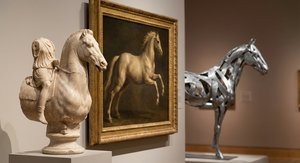
The Noble Steed: A Historical and Artistic Exploration of Horses in Fine Art
Explore the rich history of horses in fine art! From ancient depictions to Renaissance masterpieces & beyond, discover iconic artworks and artists. Learn about symbolism, techniques, and find museum-quality reproductions at OriginalUniqueArt.

Romanttisen maisemamaalauksen mestariteokset: Taidetta ja inspiraatiota kotiin
Uppoudu romanttisen maisemamaalauksen maailmaan! Tutustu Caspar David Friedrichin, Turnerin ja muiden mestareiden ikonisiin teoksiin. Löydä inspiraatiota kotiisi taiteen avulla OriginalUniqueArt.comista – laadukkaat taideprintit ja sisustusideoita.

The Noble Steed on Canvas: A Historical & Artistic Exploration of Horse Painting Across Cultures
Explore the rich history of horse painting! Discover masterpieces from Stubbs to Munnings & learn about symbolism, techniques & artists. Find museum-quality reproductions at OriginalUniqueArt.


