Esikatselu
 Jaa teos
 Jaa
Jaa
 Tiedot
 Opas
Opas

 Lataa kuva
 Samanlaisia kohteita
 Röntgenkuvaus
 Diaesitys
 Kysymykset ja vastaukset
 Tilastot
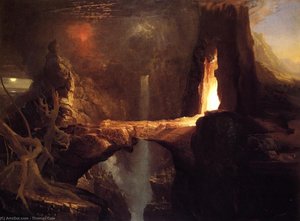
The Architect's Dream (detail)


 Lue lisää
Giclée- ja taideprintit
Museolaatuisia giclée- tai kankaitaulun tulosteita nopealla tuotannolla ja joustavilla viimeistelyvaihtoehdoilla. ( Osta käsinmaalattu taideteos Siirry digitaaliseen kuvaan)




P118B €10

P118H €10

P118W €10

P438Z €10

P508JH €12

P508YH €12

P805H €10

P805Z €10

P919BZ €10

P919G €10

P919XJ €10

P959ZH €10

P968JZ €12

W106C €8

W218G €10

W218JH €8

W218Y €10

W307PJ €10

W316G €10

W316PJ €8

W316Y €10

W398PJ €8

W4111J €10

W500HY €15

W500JH €15

W692G €12

W849H €8

W940BG €15

W953PJ €8




Valitse valmiista mitoistamme sellaiset, jotka vastaavat teoksen alkuperäisiä mittasuhteita.

Syötä tarvitsemasi leveys ja korkeus, jotta tuloste sopii kehyksiisi tai seinällesi. Tulostetta voidaan vain leikata, sitä ei voida koskaan suurentaa alkuperäistä kuvaa suuremmaksi, joten eri muotoinen koko aiheuttaa osan kuvasta katoamisen. Lähetämme sinulle digitaalisen mallikuvan hyväksyttäväksi ennen kuin aloitamme tulostuksen. Tällä sivulla näkyvä kuva ei näytä lopullista rajausta — vain mallikuva näyttää sen.
Maailmanlaajuinen toimitus () 2 viikossa tavallisen 4–5 viikon sijaan. (4 marraskuu)

Ilmainen pikatoimitus ympäri maailman

Korkealaatuinen pellavakangas

Kattava kuljetusvakuutus

Tulliveron palautustakuu

Takuu täydellisestä värien vastaavuudesta

100 päivän palautusoikeus (vain valmistusvirheet)

100% rahat takaisin -takuu

Määräalennus tarjolla
 Lasivaihtoehto on saatavilla vain alle 110 cm kokoisille teoksille

The Architect's Dream (detail)
Giclée- ja taideprintit
Replikaatin koko
-


Kokonaishinta
€ 72
A Vision of Architectural Grandeur
Thomas Cole's “The Architect’s Dream,” painted in 1840, isn’t merely a landscape; it’s an immersive architectural fantasy—a testament to the artist’s profound understanding of Western artistic history and his own creative vision. This monumental oil on canvas, now residing within the Toledo Museum of Art, immediately captivates with its sheer scale and meticulously rendered details, transporting the viewer into a realm where classical temples, Roman arches, and Gothic cathedrals coexist in an improbable yet strangely harmonious tableau.
At first glance, the painting appears to depict a serene vista—a tranquil harbor dotted with boats. However, closer inspection reveals a complex layering of architectural styles spanning millennia. Egyptian pyramids rise majestically alongside Doric Greek temples, Roman aqueducts stretch across the landscape, and Gothic arches frame the scene. This deliberate juxtaposition wasn’t simply an artistic flourish; it reflected the 19th-century fascination with classical antiquity and the revival of interest in ancient building techniques that was sweeping through Europe and America.
The Romantic Spirit and Cole's Artistic Journey
“The Architect’s Dream” is a quintessential example of the Hudson River School, an artistic movement characterized by its romanticized depictions of American landscapes. Unlike earlier European landscape painting, which often focused on historical or mythological subjects, the Hudson River School sought to capture the sublime beauty and spiritual essence of the American wilderness. Cole, deeply influenced by his travels in Europe—particularly Italy—brought this sensibility back to America, infusing it with a uniquely American perspective.
Cole’s artistic journey was marked by a deliberate rejection of academic conventions. He eschewed the polished techniques favored by established artists and instead developed a distinctive style characterized by loose brushwork, vibrant colors, and an emphasis on capturing atmospheric effects. This approach, combined with his deep knowledge of architecture and history, allowed him to create a painting that is both visually stunning and intellectually stimulating.
Symbolism and the Architect’s Dream
The central figure in “The Architect’s Dream”—a young man reclining on a stack of books—represents the architect himself. He embodies not just the profession but also the pursuit of knowledge, imagination, and artistic creation. His pose suggests contemplation and a deep connection to the past, while his hand holding a blueprint symbolizes the act of design and construction. The setting itself is laden with symbolism; the ruins evoke the decline of empires, while the vibrant colors and dynamic composition suggest the potential for renewal and rebirth.
The painting’s title—“The Architect’s Dream”—hints at its underlying theme: the power of imagination to transcend time and create enduring works of art. Cole wasn't simply depicting a collection of buildings; he was exploring the very nature of architectural history, questioning how past styles could inform and inspire future designs. The inclusion of Gothic elements, often associated with spiritual aspiration, subtly contrasts with the more secular grandeur of classical architecture, suggesting a broader vision of human creativity.
A Legacy of Vision
“The Architect’s Dream” remains one of Thomas Cole's most ambitious and captivating works. It is a testament to his artistic skill, intellectual curiosity, and profound understanding of the relationship between art, architecture, and history. More than just a beautiful painting, it offers a glimpse into the mind of an artist who dared to dream beyond the confines of his time—a dream that continues to resonate with viewers today.
Kysymykset ja vastaukset
Kenen teokseksi "The Architect's Dream (detail)" on merkitty?
Teos "The Architect's Dream (detail)" on yhdistetty Thomas Cole.
Kuinka tunnettu on Thomas Colen teos "The Architect's Dream (detail)"?
Teoksen Thomas Cole:n "The Architect's Dream (detail)" suosiotaso on Iconic.
Milloin teos Thomas Cole:n "The Architect's Dream (detail)" on luotu?
Thomas Cole:n "The Architect's Dream (detail)" on luotu vuonna 1840.
Taiteilijan elämäkerta
Thomas Cole: Amerikan taiteen pioneori ja Hudsoninjoen koulukunnan perustaja
Thomas Cole (1801-1848) oli keskeinen hahmo 1900-luvun taidemaailmassa, tunnettu erityisesti Amerikan taiteen varhaisimpana ja merkittävänä kehittäjänä. Hänen elämänsä ja työnsä ovat olleet inspiraation lähde lukemattomille taiteilijoille ja edelleen herättävät kiinnostusta luonnonkauneuden, ihmisen paikan maailmassa ja Amerikan identiteetin pohdintojen kautta. Cole syntyi Bolton-le-Moorsissa Lancashiressa Englannissa vuonna 1801, mutta muutti perheensä kanssa Yhdysvaltoihin vuonna 1818, asettuen lopulta Steubenvilleen Ohioon. Alkujaan hän työskenteli graafikkona ja suunnittelijana, mutta pian löysi intohimonsa maalaustyöhön, erityisesti maisemamaalaukseen. Cole oli kiinnostunut luonnon kauneudesta ja sen vaikutuksesta ihmiseen, mikä näkyi hänen teoksissaan.Hudsoninjoen koulukunta ja romanttisten ihanteiden vaikutus
Cole on laajalti tunnustettu Hudsoninjoen koulukunnan perustajana, taidesuuntauksena, joka erottui selkeästi eurooppalaisista perinteistä. Koulukunta keskittyi Amerikan luonnonmaisemiin ja pyrki kuvaamaan niitä romanttisessa valossa. Cole ei kuitenkaan rajoittunut pelkästään maisemamaalaamiseen; hänen teoksensa olivat syvällisiä filosofisia pohdintoja, jotka tutkivat ihmisen suhdetta luontoon, ajan kulumista ja sivilisaatioiden nousun ja tuhoamisen sykliä. Cole otti vaikutteita eurooppalaisesta romantismista, erityisesti Claude Lorrainin ja J.M.W. Turnerin teoksista, mutta sovelsi niitä Amerikan kontekstiin. Eurooppalaisten romantiikkojen tapa kuvata dramaattisia ja yliluonnollisia maisemia ihmisen sisäisestä ahdistuksesta poikkesi Colen tyylistä, joka usein välitti luonnosta tunnettuja tunteita kuten rauhaa, ihailua ja mysteeriä. Hänen maalauksensa eivät olleet pelkästään maisemien kuvauksia, vaan ne heijastivat syvällisiä uskonnollisia ja filosofisia ajatuksia.”The Course of Empire” – allegorinen mestariteos
Cole tunnetaan erityisesti monumentaalisesta teoksestaan ”The Course of Empire” (1833-1836), joka on yksi Amerikan taiteen merkittävimmistä ja tunnetuimmista maalauksista. Tämä viisiosaisten sarja kuvaa sivilisaation kehitystä, alkaen alkuperäisestä elämäntavasta aina tuhoon asti. Cole ei ainoastaan kuvannut historiallisia tapahtumia, vaan myös välitti niistä eettisiä ja moraalisia opetuksia. Teokset toimivat varoittavana esimerkkinä ihmisen ylenpaljon halusta vallata ja tuhota luontoa. ”The Course of Empire” herätti paljon keskustelua sen julkisuuden ja ajankohtaisuuden vuoksi, sillä se heijasti Amerikan nopeaa teollista kehitystä ja laajentumista. Colen kyky yhdistää maisemamaalaus allegoriseen kertomukseen osoitti hänen taiteellista lahjakkuuttaan ja syvällistä ymmärrystään ihmiskunnan kohtalosta.Luonnon tarkkailu ja vaikutus
Cole oli tunnettu tarkkanäköisyydestään ja huolellisuudestaan luonnon kuvaamisessa. Hän matkusteli laajasti Amerikan luonnossa, tekemässä piirroksia ja tutkien maisemia. Nämä piirrokset toimivat pohjana hänen maalauksilleen, joissa hän pyrki vangitsemaan luonnon kauneuden ja tunnelman mahdollisimman uskottavasti. Colen teoksissa korostui usein ihmisen pienuus verrattuna luontoon, mikä viesti ihmiselle sen suuruudesta ja voimasta. Hänen maalauksensa ovat edelleen inspiraation lähde taiteilijoille, jotka arvostavat luonnon kauneutta ja sen vaikutusta ihmiseen.Perintö ja merkitys
Thomas Cole kuoli vuonna 1848, mutta hänen vaikutuksensa Amerikan taiteeseen on ollut pitkäaikainen. Hän inspiroi monia myöhempiä taiteilijoita, kuten Frederic Edwin Churchia, joka jatkoi Hudsoninjoen koulukunnan perintöä. Colen teokset ovat edelleen esillä museoissa ympäri Yhdysvaltoja ja ne herättävät edelleen kiinnostusta ihmisten mielissä. Hänen työnsä on tärkeä osa Amerikan taiteen historiaa, sillä se osoittaa, kuinka Amerikan luonto ja identiteetti voivat inspiroida taiteilijoita luomaan uusia ja merkittäviä teoksia. Colen perintö elää edelleen hänen maalauksissaan ja niitä tutkitaan ja arvostetaan edelleen.
Thomas Cole
1801 - 1848 , Iso-Britannia
Pähkinänkuoressa
- Artistic Movement Or Style: Hudsonin läväkoulu
- Artists Or Movements Influenced By This Artist: ['Asher B. Durand']
- Date Of Birth: 1. helmikuuta 1801
- Date Of Death: 11. helmikuuta 1848
- Full Name: Thomas Cole
- Nationality: Amerikkalainen
- Notable Artworks:
- The Course of Empire
- The Oxbow
- Place Of Birth: Bolton, Iso-Britannia
Aiheeseen liittyvät artikkelit

John Constablein 25 mestariteosta: Taidetta ja tunnelmaa kotiisi – OriginalUniqueArt.com
Tutustu John Constable'n 25 mestariteokseen – romanttisia maisemamaalauksia, jotka vangitsevat englantilaisen luonnon tunnelman. Taidehistoriaa ja inspiraatiota kotiisi OriginalUniqueArt.com:ssa. Löydä kaikki taideteokset verkossa!

Evocations of Place: A Historical Journey Through Landscape Art
Explore the rich history of landscape art with OriginalUniqueArt. Discover renowned artists, movements like Impressionism & Romanticism, and expert guidance for collecting timeless pieces. Find your perfect serene escape today!

Romanttisen maisemamaalauksen mestariteokset: Taidetta ja inspiraatiota kotiin
Uppoudu romanttisen maisemamaalauksen maailmaan! Tutustu Caspar David Friedrichin, Turnerin ja muiden mestareiden ikonisiin teoksiin. Löydä inspiraatiota kotiisi taiteen avulla OriginalUniqueArt.comista – laadukkaat taideprintit ja sisustusideoita.

The Sublime and the Picturesque: Exploring Emotion & Nature in Romantic Landscape Painting
Explore the emotional power of Romantic landscape painting! Discover the sublime & picturesque traditions, key artists like Friedrich & Cole, and find your perfect artwork at OriginalUniqueArt.
Thomas Barker of Bath: Landscape Painting & Societal Reflection in Early 19th-Century England
Explore the life & work of Thomas Barker of Bath, a key figure in 19th-century English Romanticism. Discover his Parisian success, iconic paintings like 'The Bride of Death', and lasting artistic legacy. Learn more at OriginalUniqueArt.