 Esikatselu
 Jaa teos
 Jaa
Jaa
 Tiedot
 Opas
Opas

 Lataa kuva
 Samanlaisia kohteita
 Röntgenkuvaus
 Diaesitys
 Q&A
Q&A Tilastot
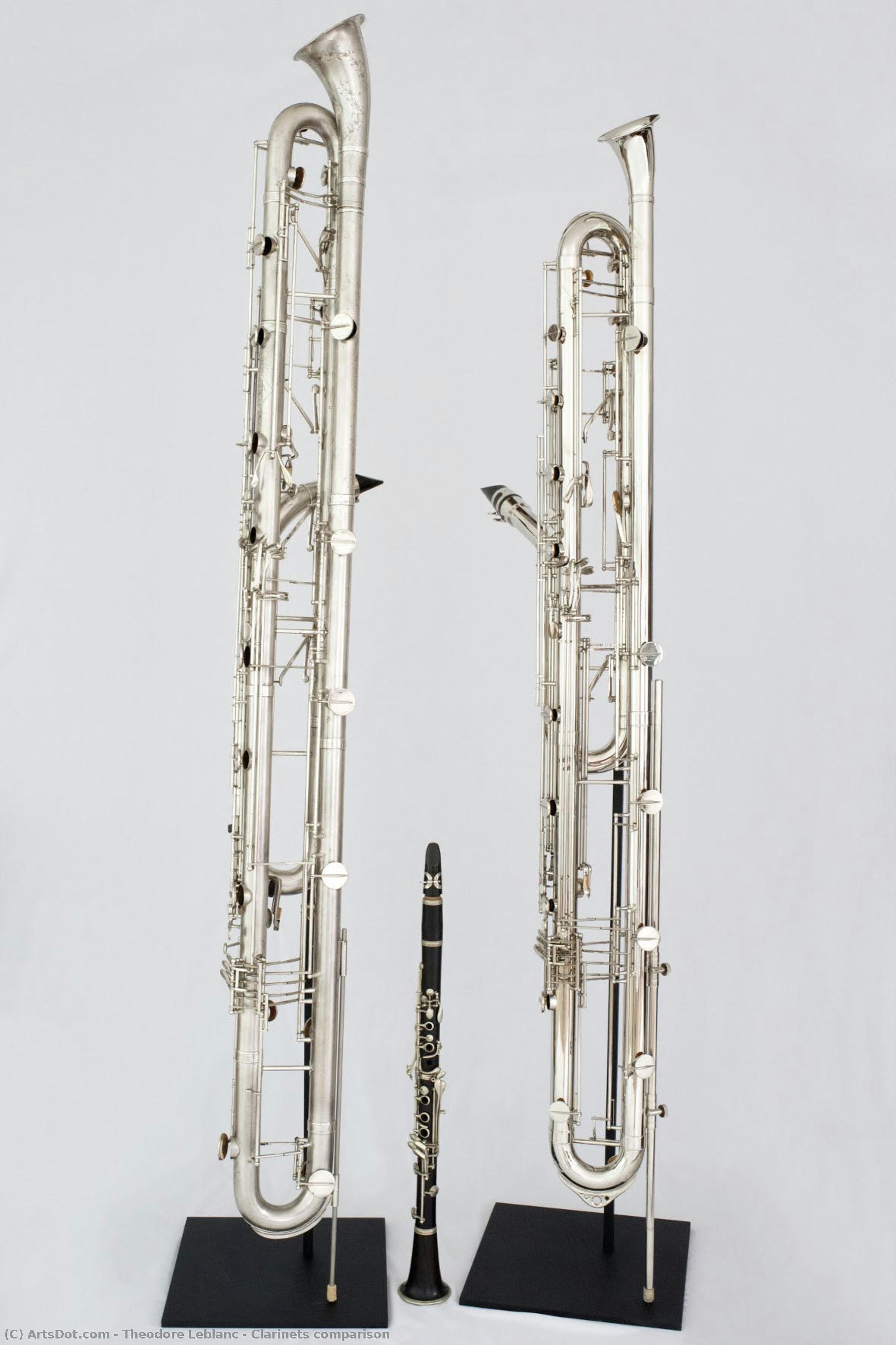
Clarinets comparison


 Lue lisää
Saat tulostusvalmiin tiedoston, jonka laatu ylittää verkkonäkymän huomattavasti. Jokainen myymämme digitaalinen kuva on peräisin arkistomme korkearesoluutioisesta mestariteoksesta — yleensä 5 000–15 000 pikselin levyisenä — joten voit tulostaa suuria kokoja, rajata tiukasti tai toistaa hienovaraiset yksityiskohdat luottavaisin mielin.
Mikään tiedosto ei lähde studiostamme muuttamatta. Digitaalinen asiantuntija vertaa värejä alkuperäiseen maalaukseen ja korjaa niitä tarvittaessa, minkä jälkeen hän parantaa kuvan selkeyttä ja yksityiskohtia ammattimaisilla retusointityökaluilla — säilyttäen aina uskollisena taiteilijan siveltimenjäljen ja tyylin. Lopputuloksena on kuva, joka näyttää maalaukselta, eikä suodatetulta skannaukselta.
Hyväksyt työn ennen valmistumistaan: asiantuntijamme lähettää kuvan tarkistettavaksi sähköpostitse 72 tunnin kuluessa. Etkö ole tyytyväinen? Pyydä parannuksia tai korjauksia, tai pyydä hyvitystä, mikäli laatu ei vastaa odotuksia.
Tämä on laatua, johon kustantamot, design-studiot, galleriat ja painotalot luottavat.
Digitaalinen kuva
Lataa korkearesoluutioinen tiedosto henkilökohtaiseen näyttelyyn, tulostamiseen ja luoviin projekteihin. ( Vaihda tulosteeseen Osta käsinmaalattu taideteos)
Sisältyy jokaiseen digitaalisen kuvan tilaukseen
Asiantunteva digitaalinen toimitus, laatu taattu
Kun valitset OriginalUniqueArt.com-palvelun, et saa vain kuvaa – saat ammattimaisesti viimeistellyn digitaalisen taideteoksen, joka on luotu tarkkuudella ja jonka takaa tulee tyytyväisyystakuu. Tässä on kaikki, mitä tilauksesi sisältää, automaattisesti:

Nopea sähköpostitoimitus
Saat korkearesoluutioisen digitaalisen kuvatiedostosi sähköpostiisi 72 tunnin kuluessa tilauksesta – valmiina käytettäväksi välittömästi.

Tekoälyllä parannettu digitaalinen tiedosto
Teoksesi on optimoitu ammattimaisesti edistyneiden tekoälytyökalujen ja manuaalisen jälkikäsittelyn avulla, mikä takaa maksimaalisen yksityiskohtaisuuden, selkeyden ja väritarkkuuden.

Ilmainen uudelleenlähetys elinikäisesti
Oletko vahingossa poistanut tai kadottanut tiedostosi? Ei hätää – lähetämme sen sinulle uudelleen milloin tahansa täysin maksutta.

Ei tuontimaksuja – koskaan
Nauti taiteestasi välittömästi ilman tullimaksuja, veroja tai toimituskuluja – digitaaliset lataukset ovat aina verovapaita.

Värintoiston tarkkuustakuu
Varmistamme, että digitaalinen kuvasi vastaa alkuperäisiä värejä mahdollisimman tarkasti käyttämällä ammattilaistason työkaluja ja värinhallintaa.

100 päivän tyytyväisyystakuu
Jos et ole tyytyväinen digitaaliseen kuvaasi, muokkaamme sitä tai palautamme 100% hinnan 100 päivän kuluessa – kysymystä ei esitetä.

100% Rahat takaisin -takuu
Et ole tyytyväinen? Saat täyden hyvityksen 100 päivän kuluessa digitaalisen tiedostosi vastaanottamisesta – kysymystä ei esitetä.

Määräalennukset
Osta 3 kuvaa, säästä 10% - Osta 5, säästä 15% - Osta 10+, säästä 20%. Erinomainen valinta luoviin projekteihin, gallerioille ja toimistoille.
Taiteilijan esittely
The Luminous Legacy of Theodore Leblanc
Theodore Leblanc (1800–1837) remains a captivating, if somewhat enigmatic, figure within the vast tapestry of nineteenth-century art. While his name may not resonate with the same immediate recognition as the titans of the Romantic era, his work offers a profound window into a period of intense cultural intersection and spiritual exploration. Born in the serene surroundings of Ottobeuren Abbey, Bavaria, Leblanc’s early life was deeply rooted in the traditions of monastic craftsmanship. This formative environment, steeped in theological contemplation and the meticulous precision of religious iconography, instilled in him a lifelong reverence for detail and a unique ability to infuse natural landscapes with a sense of the divine.
As his artistic journey unfolded, Leblanc moved beyond the confines of his Bavarian origins, eventually establishing himself as a painter whose vision bridged the gap between Western Romanticism and the ancient splendor of the East. His travels through Greece and the Levant—specifically during the years following 1828—provided him with an inexhaust_haustible source of inspiration. Unlike many of his contemporaries who sought only the classical ideals of antiquity, Leblanc was deeply moved by the living history of the Mediterranean. He became a keen observer of the human condition, capturing everything from the rugged intensity of the Greek War of Independence to the vibrant, everyday rhythms of North African marketplaces.
A Synthesis of Byzantine Splendor and Romantic Emotion
What truly distinguishes Leblanc’s oeuvre is his sophisticated integration of Byzantine aesthetic principles into the landscape tradition. He possessed a scholarly fascination with the shimmering mosaics of Constantinople, studying their complex compositional strategies and the way light interacts with vibrant pigments. This intellectual pursuit manifested in a painting style characterized by luminous color palettes and a palpable sense of spiritual depth. His canvases often seem to glow from within, as if the very atmosphere were composed of the fine, glittering tesserae found in Orthodox churches.
This technique allowed him to elevate mere topographical studies into profound emotional experiences. In his celebrated watercolor, “A Tobacconist, Algiers,” one can witness this stylistic convergence at its peak. The painting does not merely document a bustling Algerian marketplace; through the use of subtle tonal gradations and atmospheric perspective, it evokes an ethereal, almost dreamlike quality. He had the rare ability to convey a sense of reverence for the natural world, treating the light hitting a distant minaret or the texture of a merchant's cloth with the same sanctity one might find in a religious icon.
Artistic Versatility and Historical Significance
Leblanc’s technical repertoire was remarkably diverse, ranging from delicate watercolors to commanding sketches and even engravings. His ability to pivot between different mediums allowed him to document a wide array of subjects with varying degrees of intimacy and scale:
- Portraiture and Character Studies: Beyond his landscapes, Leblanc excelled at capturing the essence of individuals, often imbuing his figures with intense emotion or even subtle, caricaturish elements that brought a sense of life and movement to his work.
- Military and Historical Documentation: His time in the Levant allowed him to create poignant snapshots of historical upheaval, including depictions of Ottoman soldiers and members of irregular Greek troops.
- Architectural and Ethnographic Observations: His sketches of Mediterranean architecture and daily life serve as vital historical records of a rapidly changing nineteenth-century world.
Though his life was tragically short, ending in 1837, the impact of Theodore Leblanc’s vision persists. He stands as a pioneer who dared to look backward into the ancient traditions of Byzantium to find new ways of expressing the sublime beauty of the modern landscape. His work remains a testament to the power of cross-cultural influence, proving that the most profound artistic innovations often occur at the intersection of disparate worlds.

Theodore Leblanc
1800 - 1837
Pähkinänkuoressa
- Full Name: Theodore Leblanc
- Nationality: German
- Date Of Birth: 1800
- Date Of Death: 1837
- Place Of Birth: Ottobeuren Abbey
- Notable Artworks: ['Investiture of the Bey of Algiers']
- Artistic Movement Or Style: Romanticism
- Artists Who Influenced This Artist: ['Jean-Auguste Dominique Ingres']
- Artists Or Movements Influenced By This Artist: ['Byzantine Mosaic Art']