

 Katso seinällä
 Lähetä
 Jaa
Jaa
 Tarkemmat tiedot
 Opas
Opas

 Lataa kuva
 Samanlaisia kohteita
 Röntgenkuvaus
 Diaesitys
 Tilastot
John Barrow (1764–1848)
 Oil On Canvas
- WallArt
- Contemporary Realism
 1846
1846- 19th Century
 128.0 x 103.0 cm
 Royal Society
 Lue lisää
Giclée- ja taideprintit
Museolaatuisia giclée- tai kankaitaulun tulosteita nopealla tuotannolla ja joustavilla viimeistelyvaihtoehdoilla. ( Tilaa käsinmaalattu jäljennös Siirry digitaaliseen kuvaan)




P118B €10

P118H €10

P118W €10

P438Z €10

P508JH €12

P508YH €12

P805H €10

P805Z €10

P919BZ €10

P919G €10

P919XJ €10

P959ZH €10

P968JZ €12

W106C €8

W218G €10

W218JH €8

W218Y €10

W307PJ €10

W316G €10

W316PJ €8

W316Y €10

W398PJ €8

W4111J €10

W500HY €15

W500JH €15

W692G €12

W849H €8

W940BG €15

W953PJ €8




Valitse valmiista mitoistamme sellaiset, jotka vastaavat teoksen alkuperäisiä mittasuhteita.

Kirjoita tarvitsemasi leveys ja korkeus, jotta tuloste sopii kehyskokoon tai seinällesi. Tulostetta voidaan vain leikata, sitä ei voi koskaan tehdä suuremmaksi kuin alkuperäinen kuva, joten eri muotoinen koko aiheuttaa osan kuvasta katoamisen. Lähetämme sinulle digitaalisen mallikuvan hyväksyttäväksi ennen kuin aloitamme tulostuksen. Tällä sivulla näkyvä kuva ei näytä lopullista leikkausta — vain mallikuva näyttää sen.
Maailmanlaajuinen toimitus () 2 viikossa tavallisen 4–5 viikon sijaan. (25 lokakuu)

Ilmainen pikatoimitus ympäri maailman

Korkealaatuinen pellavakangas

Kattava kuljetusvakuutus

Tulliveron palautustakuu

Takuu täydellisestä värien vastaavuudesta

100 päivän palautusoikeus valmistusvirhetapauksissa

100% rahat takaisin -takuu

Määräalennus saatavilla
 Lasivaihtoehto on saatavilla vain alle 110 cm kokoisille teoksille

John Barrow (1764–1848)
Giclée- ja taideprintit
Replikaatin koko
-


Kokonaishinta
€ 70
A Legacy in Oil: The Dignified Presence of John Barrow
In the quiet, commanding presence of Stephen Pearce’s 1846 portrait of John Barrow, one finds more than just a likeness of a Victorian gentleman; one encounters the very essence of an era defined by exploration and imperial intellect. As the viewer gazes upon this masterful oil on canvas, they are immediately drawn into the orbit of a man whose life was inextricably linked to the frozen frontiers of the Arctic. The portrait captures Barrow not merely as a seated figure, but as a pillar of British maritime administration, embodying the gravity and authority required to oversee the mapping of empires and the pursuit of scientific truth in the world's most inhospitable climates.
The composition is a masterclass in traditional Victorian portraiture. Centered within a vertical frame, Barrow occupies the space with a settled, monumental stability. The artist utilizes a dark, indistinct background to strip away all worldly distractions, forcing an intimate confrontation between the subject and the observer. This deliberate use of negative space ensures that every detail of the sitter—from the subtle wisdom etched into his features to the heavy, dignified folds of his attire—commands absolute attention. It is a piece designed to inspire respect, making it an ideal centerpiece for a study, a library, or any sophisticated interior where history and character are celebrated.
The Artistry of Light and Texture
Stephen Pearce, a pupil of the renowned Sir Martin Archer Shee, brings a profound technical sophistication to this work. His mastery of chiaroscuro—the dramatic interplay between light and shadow—is palpable here. A single, soft light source emanating from the upper left illuminates Barrow’s face and hands, casting gentle shadows that lend a sculptural three-dimensionality to his form. This technique does more than create depth; it imbues the subject with a psychological presence, suggesting a mind illuminated by thought and experience.
The tactile quality of the painting is nothing short of extraordinary. Pearce employs meticulous layering techniques to render the diverse textures present in the scene: the coarse weight of the upholstery, the smooth, aged skin of the sitter, and the fine, soft strands of hair. His brushwork, while skillfully blended to achieve a seamless realism, retains a vitality that prevents the portrait from feeling static. For the discerning collector, this level of detail offers a sensory richness that is often lost in lesser works, providing a sense of luxury and permanence that elevates any room it inhabits.
Symbolism and the Spirit of Exploration
Beyond the technical brilliance, the painting serves as a symbolic window into the Victorian zeitgeist. The warm, somber palette of deep browns, rich reds, and creamy highlights evokes a sense of established tradition and intellectual warmth. Every element, from the sturdy armchair to the precise rendering of his clothing, speaks to a life of order, duty, and high social standing. Yet, beneath this veneer of stability lies the underlying spirit of adventure that Barrow himself represented.
To possess a reproduction of this work is to invite a piece of maritime history into one's home. It serves as a tribute to the era of the Great Explorers, reminding us of a time when the edges of the map were still being drawn by courage and scientific rigor. Whether used as an inspiration for interior designers seeking to create a "Old World" aesthetic or as a profound historical statement for art lovers, Pearce’s portrait of John Barrow remains a timeless testament to the enduring power of human character and the indelible mark of discovery.
Kysymykset ja vastaukset
Onko Stephen Pearce:n "John Barrow (1764–1848)" valoisa vai tumma teos?
Teoksen Stephen Pearce:n "John Barrow (1764–1848)" koettu kirkkaus on deep_shadow. Sen valoisuuden voi sovittaa tarkoitettuun tilaan.
Mikä tulostusasetus on suositeltava teokselle Stephen Pearce:n "John Barrow (1764–1848)"?
Koko Large, Portrait suuntaus: tämä on teokselle Stephen Pearce:n "John Barrow (1764–1848)" suositeltu tulostusasetus.
Mitä Stephen Pearce:n "John Barrow (1764–1848)" esittää?
Teoksen Stephen Pearce:n "John Barrow (1764–1848)" teemoihin kuuluvat portraiture, victorian era, formal art, elderly gentleman, rich fabrics, single light, authority, historical figure. Yhdessä ne tiivistävät teoksen aiheen.
Taiteilijan elämäkerta
Early Life and Artistic Foundations
Stephen Pearce, born in the heart of London on November 16, 1819, at King’s Mews, Charing Cross, entered a world subtly interwoven with England’s regal fabric. As the sole child of Stephen Pearce, a clerk within the Department of the Master of Horse, and Ann Whittington, his upbringing was steeped in service to the Crown—a connection that would profoundly resonate throughout his artistic journey. This proximity instilled not merely decorum but access to subjects that defined much of his early career: the magnificent horses of the Royal Mews. Formal training commenced at Sass’s Academy in Charlotte Street, a respected institution for aspiring artists, followed by rigorous study at the prestigious Royal Academy Schools beginning in 1840. A pivotal moment arrived in 1841 when he became a pupil of Sir Martin Archer Shee, a prominent portraitist whose influence shaped Pearce's approach to capturing likeness and character. These formative years laid the groundwork for a career balancing meticulous technique with an evolving artistic sensibility.A Versatile Career: Portraiture, Equine Art, and Literary Circles
Pearce’s professional life unfolded across decades, marked by remarkable versatility. From 1842 to 1846, he served as an amanuensis—a secretary—to the celebrated novelist Charles Lever. This period offered unique immersion into literary circles, broadening his understanding of narrative and character development – skills that subtly informed the psychological depth of his portraiture. His initial artistic successes centered on paintings of favored horses within the Royal Mews, exhibited at the Royal Academy in 1839 and again in 1841, establishing him as a skilled animalier. A sojourn to Italy around 1849 proved transformative, refining his aesthetic sensibilities before he resumed regular contributions to Burlington House exhibitions upon his return to England. His style underwent noticeable evolution; early works displayed met meticulous precision with pronounced shadowing, while later paintings embraced greater freedom and fluidity in technique. He wasn’t confined by genre, moving seamlessly between capturing the nobility of a prized stallion and the nuanced personality of a prominent Victorian gentleman.The Arctic Chronicles: A Defining Commission
It was through a unique confluence of artistic talent and historical circumstance that Pearce truly distinguished himself: his involvement in documenting the era’s fervent interest in Arctic exploration. Perhaps most notable is “The Arctic Council discussing a plan of search for Sir John Franklin” (1851), commissioned by Colonel John Barrow. This large-scale painting, depicting leading figures strategizing the rescue mission for the ill-fated explorer Sir John Franklin, captured the public’s imagination and served as a poignant reminder of the perils and heroism inherent in polar expeditions. The work is not merely a historical record but a carefully constructed drama, each figure rendered with individual character and contributing to the overall sense of anxious deliberation. Beyond this monumental work, Pearce became renowned for his equestrian portraits, particularly those of masters of foxhounds, harriers, and prominent horse owners like the Earl of Craven and members of families such as the Dukes of Bedford. “Coursing at Ashdown Park” (1869), a sprawling landscape featuring approximately sixty equestrian figures, stands as a testament to his skill in depicting both human subjects and their noble steeds within a dynamic setting. He also created numerous half-length portraits of Arctic explorers—Sir Robert McClure, Sir Leopold McClintock, Captain Penny—commissioned by Barrow and Lady Franklin, many residing today in the National Portrait Gallery.Legacy and Historical Significance
Pearce’s artistic vision was shaped by 19th-century British art's prevailing currents. His training under Sir Martin Archer Shee firmly placed him within the tradition of formal, academic portraiture that dominated the era. The enduring popularity of equestrian subjects reflected a broader cultural fascination with horses and horsemanship, particularly among the aristocracy and landed gentry. Simultaneously, his Arctic paintings demonstrated engagement with contemporary events—the scientific exploration of the polar regions—and tapped into the public’s intense interest in these daring expeditions. His ability to capture accurate likenesses, combined with sensitivity and precision in portraying human figures and animals, earned him respect within artistic circles. The National Portrait Gallery holds an impressive collection of forty-four portraits by Pearce, including two self-portraits, underscoring his substantial contribution to British portraiture. His meticulous technique—characterized by detailed shading and careful observation—became synonymous with Victorian art’s pursuit of realism and psychological insight. Stephen Pearce's work continues to inspire admiration for its blend of artistic skill and historical significance, cementing his place as a pivotal figure in the annals of British painting.
Stephen Pearce
1819 - 1904 , Iso Britannia
Tietoa taiteilijasta
- Artistic Movement Or Style: Victorian maalaisuus
- Artists Who Influenced This Artist: ['Sir Martin Archer Shee']
- Date Of Birth: 1819-11-16
- Date Of Death: 1904-01-31
- Full Name: Stephen Pearce
- Nationality: Englanti
- Notable Artworks:
- Coursing at Ashdown Park
- Arctic Council
- Place Of Birth: Londra, Iso Britannia
Aiheeseen liittyvät artikkelit

John Singer Sargent's 25 Masterpieces: Portraits & Beyond | OriginalUniqueArt
Explore 25 iconic John Singer Sargent paintings – from dazzling portraits to Impressionist landscapes. Discover the stories behind Madame X, El Jaleo & more! Find museum-quality art reproductions and elevate your home decor with OriginalUniqueArt.com.

John Gilbert: A Comprehensive Exploration of Technique, Context, and Enduring Legacy in Victorian Genre Painting
Explore the life & art of John Gilbert, a prolific Victorian painter renowned for his captivating genre scenes and Venetian-inspired style. Discover his legacy with OriginalUniqueArt.

John Constablein 25 mestariteosta: Taidetta ja tunnelmaa kotiisi – OriginalUniqueArt.com
Tutustu John Constable'n 25 mestariteokseen – romanttisia maisemamaalauksia, jotka vangitsevat englantilaisen luonnon tunnelman. Taidehistoriaa ja inspiraatiota kotiisi OriginalUniqueArt.com:ssa. Löydä kaikki taideteokset verkossa!

The Enduring Legacy of Oil on Canvas: Technique, History & Aesthetic Impact
Explore the rich history & techniques of oil painting – from Renaissance masters to Impressionism. Discover pigments, layering methods, and why this timeless medium endures. Expert insights for artists & art enthusiasts.
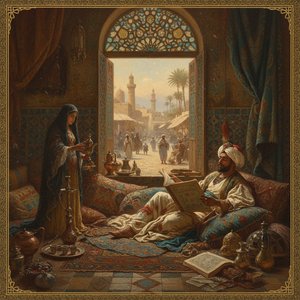
John Frederick Lewis: Orientalism, Detail & Genre Painting in 19th-Century British Art
Explore the captivating Orientalist paintings of John Frederick Lewis! Discover his mastery of detail, genre scenes & influence on 19th-century British art. Learn about his life, techniques & legacy at OriginalUniqueArt.
