

 Katso seinällä
 Lähetä
 Jaa
Jaa
 Tarkemmat tiedot
 Opas
Opas

 Lataa kuva
 Samanlaisia kohteita
 Röntgenkuvaus
 Diaesitys
 Tilastot
The Hundred Jugs
 Acrylic On Canvas
- WallArt
 1916
1916- 19th Century
 123.0 x 154.0 cm
 Walker Art Gallery
 Lue lisää
Käsinmaalattu öljyvärinen jäljennös
Käsinmaalattu öljyväri kankaalle haluamassasi koossa ja kehyksissä, taiteilijoidemme valmistamana tilauksesta. ( Vaihda tulosteeseen Siirry digitaaliseen kuvaan)




P118B €10

P118H €10

P118W €10

P438Z €10

P508JH €12

P508YH €12

P805H €10

P805Z €10

P919BZ €10

P919G €10

P919XJ €10

P959ZH €10

P968JZ €12

W106C €8

W218G €10

W218JH €8

W218Y €10

W307PJ €10

W316G €10

W316PJ €8

W316Y €10

W398PJ €8

W4111J €10

W500HY €15

W500JH €15

W692G €12

W849H €8

W940BG €15

W953PJ €8




Valitse valmiista mitoistamme sellaiset, jotka vastaavat teoksen alkuperäisiä mittasuhteita.

Kirjoita tarvitsemasi leveys ja korkeus, jotta teos sopii kehyskehyksiisi tai seinällesi. Koska kyseessä on käsinmaalattu teos, taiteilija voi maalata hieman enemmän kuvan ympärille tai rajata sitä hieman, jos haluat eri muotoisen koon — valinta on sinun. Lähetämme sinulle digitaalisen mallikuvan hyväksyttäväksi ennen kuin maalaus alkaa. Tällä sivulla näkyvä kuva ei vastaa lopullista tulosta — vain mallikuva näyttää sen.
Tilauksen jälkeen OriginalUniqueArt.com -tiimi lähettää asiakkaalle sähköpostitse ohjeet ja esikatselukuvan.
Maailmanlaajuinen toimitus () 3–4 viikossa tavallisen 5 viikon sijaan. (27 lokakuu). Laadusta ei tingitä.

Ilmainen pikatoimitus ympäri maailman

Korkealaatuinen pellavakangas

Kattava kuljetusvakuutus

Tulliveron palautustakuu

Takuu täydellisestä värien vastaavuudesta

100 päivän palautusoikeus valmistusvirhetapauksissa

100% rahat takaisin -takuu

Määräalennus saatavilla
 Lasivaihtoehto on saatavilla vain alle 110 cm kokoisille teoksille

The Hundred Jugs
Reproduktiotapa
Replikaatin koko
-


Kokonaishinta
€ 263
A Symphony of Ceramics: William Nicholson’s “The Hundred Jugs”
William Nicholson's "The Hundred Jugs," painted in 1916 during the tumultuous years of World War I, is far more than a simple arrangement of pottery. It’s a carefully constructed tableau brimming with quiet observation, subtle tension, and a poignant exploration of domesticity amidst the backdrop of national upheaval. The painting, now residing in the Walker Art Gallery in Liverpool, immediately draws the eye into a densely packed room – not a grand hall, but rather a humble space, hinting at a comfortable, if slightly cluttered, existence. Nicholson masterfully employs a muted palette of browns, ochres, and greys, creating an atmosphere of subdued warmth that contrasts subtly with the inherent chaos of the scene.
The sheer volume of jugs is immediately arresting – a seemingly endless collection of earthenware, stoneware, china, and glass vessels in varying sizes and shapes. They aren’t arranged with any discernible order; instead, they tumble over each other, creating a sense of overflowing abundance. This isn't the idealized still life of earlier periods, where objects were meticulously posed for aesthetic perfection. Here, Nicholson embraces a more spontaneous approach, capturing the everyday reality of a household filled with possessions – a reflection of the era’s burgeoning interest in the ordinary and the vernacular.
The Beggarstaff Legacy and Artistic Innovation
To fully appreciate “The Hundred Jugs,” it's crucial to understand Nicholson’s artistic background. He was a key figure in the Beggarstaff partnership, alongside his brother-in-law James Pryde, renowned for their groundbreaking poster designs and illustrations. The Beggarstaff style – characterized by its bold lines, dynamic compositions, and often satirical or humorous subject matter – represented a significant departure from traditional illustration. Nicholson’s influence on this movement is evident in the painting's energetic arrangement and slightly off-kilter perspective.
However, “The Hundred Jugs” transcends the Beggarstaff aesthetic. While retaining some of their dynamism, it demonstrates a deeper engagement with color and texture. Nicholson’s use of tone—the subtle variations in hue and value—is particularly noteworthy. He eschews bright colors in favor of muted tones that create a sense of depth and atmosphere. This tonal approach, as he himself described, is “quality in common between colours,” prioritizing the overall harmony of the composition over precise representation.
Symbolism and Emotional Resonance
The painting’s symbolism is layered and open to interpretation. The abundance of jugs can be seen as a metaphor for domesticity, prosperity, or even the anxieties associated with wartime shortages. The cat perched atop a stack of jugs, greedily lapping up milk from a spilled vessel, adds a touch of playful irony – a moment of levity amidst a period of profound uncertainty. This small detail hints at the human desire for comfort and pleasure in the face of adversity.
Furthermore, the painting’s creation during World War I imbues it with a poignant emotional resonance. Nicholson's son, Ben, later recalled that his father’s still-life paintings stemmed from “a very simple, direct painterly approach,” rooted in the beauty of everyday objects like these jugs – a grounding force amidst the horrors of war. The painting serves as a testament to the enduring power of art to capture and convey human experience, even in times of great upheaval.
A Timeless Masterpiece for Collectors and Designers
"The Hundred Jugs" remains a captivating work of art, offering a glimpse into the domestic life of early 20th-century Britain. Its masterful composition, evocative use of color, and subtle symbolism make it a timeless masterpiece. Reproductions of this painting are highly sought after by collectors and interior designers alike, who appreciate its ability to add warmth, character, and a touch of understated elegance to any space. It’s a piece that invites contemplation, sparking conversations about art, life, and the enduring beauty found in the ordinary.
Kysymykset ja vastaukset
Mitä käyttöä ja tilaa William Nicholson:n "The Hundred Jugs" suositellaan?
"The Hundred Jugs" on suositeltava Statement-tarkoitukseen, ja suositeltu tila teokselle on Living Room.
Onko "The Hundred Jugs"-teoksen luoja William Nicholson tunnettu myös muilla nimillä?
William Nicholson tunnetaan myös nimellä Sir William Newzam Prior Nicholson.
Mikä on teoksen William Nicholson:n "The Hundred Jugs" tekniikka ja mitat?
"The Hundred Jugs" on valmistettu tekniikalla Acrylic On Canvas, ja sen alkuperäinen koko on 123 x 154 cm.
Taiteilijan elämäkerta
Early Life and Artistic Beginnings
Sir William Newzam Prior Nicholson, syntyi Newark-on-Trentissa, Nottinghamshiressa, vuonna 1872. Hänen taustansa oli yhdistelmä teollisuuden käytännöllisyyttä ja taiteellista herkkyyttä. Hänen isänsä, menestyksekäs insinööri ja konservatiivinen parlamentarikku, opetti hänelle kurinalaisuutta, kun taas hänen äitinsä sukulinjojen kautta Nicholson yhdistyi Oxfordin estetiikkaan. Jo nuorena aikuana Nicholson osoitti lahjakkuutta taiteessa, joka oliidullistettu William Cubleyn, paikallisen maalarin, opetuksella, joka itse perusti juurensa Sir Joshua Reynoldsiin. Tämä varhainen altistuminen asetti pohjan uralle, joka ulottui monipuolisiin mediaihin ja tyyleihin. Lyhyt aika Hubert von Herkomerin taideskolissa osoittautui ratkaisevaksi paitsi taitojensa hienosäätöön myös Mabel Pryden tapaamiseen, jonka hän myöhemmin vaimoksi otti ja joka oli keskeinen osallistuja hänen nousujohteisessa taiteellisessa matkassaan. Mabelin kautta hän tapasi veljensä, taiteilijan James Pryden, kumppanuus, joka pian mullisti graafisen suunnittelun maailmaa.The Beggarstaffs and a Revolution in Poster Art
William Nicholsonin ja James Pryden yhteistyö, tunnettu nimellä “J. & W. Beggarstaff,” merkitsi käännekohtaa brittiläisessä visuaalisessa kulttuurissa. He hylkasivat Victorian aikakauden koristeellisen julistetaiteen vallitsevan estetiikan ja omaksuivat rohkean yksinkertaisuuden, joka oli tunnusomaista näyttävälle siluetille, tasaisille värikerroksille ja perinteisen perspektiivin harkittuun hylkäämiseen. Heidän suunnitelmansa eivät olleet pelkästään mainoksia; ne olivat lausuntoja – voimakkaita, graafisia komposiitioita, jotka vangitsivat yleisön mielikuvituksen. Don Quixoten ja Harper’s Magazine -kuten tuotantoihin suunnitellut julisteet muuttuivat välittömästi tunnistettaviksi, vaikuttivat monien taiteilijoiden ja suunnittelijoiden sukupolveen. Tämä aikakausi ei ollut pelkästään kaupallista taidetta; se oli visuaalisen viestinnän uudelleenmäärittelyä. Beggarstaffin työ haastoi konventiot, avasi tien modernille graafiselle suunnittelulle ja vakiinnutti Nicholsonin maineen innovaattoriksi. Heidän vaikutuksensa ulottui julistetaiteen ulkopuolelle, vaikuttivat myös kuvanveistoon ja taidemaalaukseen sen vahvan muodon ja harkitun komposition ansiosta.From Woodcuts to Portraits: A Developing Style
Beggarstaff-kumppanuuden päätyttyä Nicholson aloitti tyylillisen tutkimusmatkan. Hän kääntyi puupiirustuksen ja puuvaluveiston suuntaan, tekniikoita, jotka mahdollistivat hänen taitojensa hienosäädön linjassa ja muodossa. James McNeill Whistlerin kannustaessa hän omaksui nämä menetelmät, tuottaen monimutkaisia ja herättäviä printtejä, jotka osoittivat hänen kasvavaa taiteellista kypsyyttään. Nämä teokset osoittivat hämmästyttävää taitoa vangita essenssi minimaalisella yksityiskohdalla, ominaisuus, joka tuli tunnusmerkiksi hänen tyylilleen. Samanaikaisesti Nicholson vakiinnutti asemansa muotokuvaajana ja sai komissioita merkittävien aikalaisten harjoituksista. Hänen muotokuvansa eivät olleet pelkästään ulkoisia kuvauksia; ne olivat syvällisiä tutkimuksia hahmojen sisäelämästä hienovaraisten ilmeiden ja asennon kautta. *Lady in Furs, Mme. P.* -teos on esimerkki tästä taidosta, joka vangitsee ei vain fyysisen ulkonäön vaan myös persoonallisuuden ja sosiaalisen aseman.Still Life, Landscape, and Lasting Legacy
Nicholsonin myöhemmässä urassaan hän keskittyi yhä enemmän maisema- ja asetelma-maalaukseen. Hänen asetelmistaan, kuten *The Lowestoft Bowl*, on tunnettu heidän taitonsa vangita valon ja tunnelman hienovaraisuudet, harmoniset väripaletit ja hiljainen intiimius. Hän kohdeli arkipäiväiset esineet runolliseksi symboliksi, nostaen ne yli pelkän edustuksen ja muuttuen kauneuden ja pohdiskelun symboleiksi. Hänen maisemansa, usein kuvaten matkojaan Espanjasta ja Italiasta, vangitsevat paikan essenssin huomattavalla taidolla. Nicholson pysyi monipuolisena taiteilijana koko elämänsä ajan, kokeillen jatkuvasti uusia tekniikoita ja lähestymistapoja. Hän kirjoitti lastenkirjoja, suunnitteli teatteria ja tuotti printtejä myös hänen miehensä Robert Gravesin kanssa, joka tuli myöhemmin tunnetuksi historiallisten romaaniensa ansiosta *I, Claudius* ja *The Golden Fleece*. Sir William Nicholsonin vaikutus ulottuu hänen oman tuotantonsa ulkopuolelle; hän inspiroi monia taiteilijoita sitoutumisellaan käsityöhön, innovatiiviseen ajatteluunsa ja kykyynsä löytää kauneutta arkisesta. Hänen työnsä on todiste taiteen voimasta valaista ihmiskokemusta ja muuttaa maailman ympärillämme havaintoa. *Hän kuoli vuonna 1949*.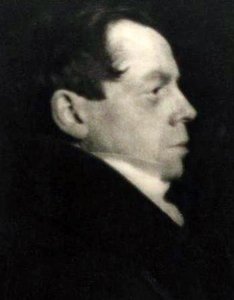
William Nicholson
1872 - 1949 , Iso-Britannia
Tietoa taiteilijasta
- Artistic Movement Or Style: Still life, muotokuvaus
- Artists Or Movements Influenced By This Artist: ['Beggarstaffs']
- Artists Who Influenced This Artist:
- Whistler
- James Pryde
- Date Of Birth: 5 helmikuuta 1872
- Date Of Death: 16 toukokuuta 1949
- Full Name: Sir William Newzam Prior Nicholson
- Nationality: Brittiläinen
- Notable Artworks:
- Lady in Furs
- Plaza de toros
- Place Of Birth: Newark, Iso-Britannia
Aiheeseen liittyvät artikkelit
William Michael Harnett: Still Life, Realism & the American Pursuit of Materiality
Explore the captivating still lifes of William Michael Harnett, a master of American realism and trompe l'oeil painting. Discover his technique, legacy & the cultural context behind his iconic works.

Silent Narratives: Exploring the Enduring Appeal of Still Life Painting Across Centuries
Explore the rich history of still life painting with OriginalUniqueArt. Discover Dutch Masters, decode vanitas symbolism & learn about collecting timeless art. Expert insights and museum-quality reproductions.
Clyfford Still's Abstract Expressionism: A Study of Color, Form & the Existential Landscape
Explore the profound world of Clyfford Still's Abstract Expressionism with OriginalUniqueArt. Discover his unique style, existential themes & investment potential. Expert analysis for discerning collectors.
Sir William Nicholson: A Study in Post-Impressionist Portraiture & Decorative Modernism
Explore the life & work of Sir William Nicholson, a pivotal British Post-Impressionist painter. Discover his striking portraits, innovative woodcuts, and lasting influence on early 20th-century art. Expert insights for collectors.
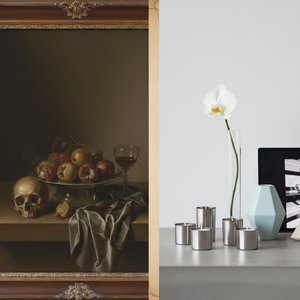
The Enduring Appeal of Still Life: A Historical & Contemporary Exploration
Explore the rich history & symbolism of still life painting with OriginalUniqueArt. Discover masterpieces from the Dutch Golden Age, learn about vanitas art, and find expert guidance for collecting timeless artworks.
