

 Katso seinällä
 Lähetä
 Jaa
Jaa
 Tarkemmat tiedot
 Opas
Opas

 Lataa kuva
 Samanlaisia kohteita
 Röntgenkuvaus
 Diaesitys
 Tilastot
Sun Fish
 Acrylic On Canvas
- WallArt
- Post-Impressionism
 1935
1935 51.0 x 64.0 cm
 Arts Council Collection
 Lue lisää
Giclée- ja taideprintit
Museolaatuisia giclée- tai kankaitaulun tulosteita nopealla tuotannolla ja joustavilla viimeistelyvaihtoehdoilla. ( Tilaa käsinmaalattu jäljennös Siirry digitaaliseen kuvaan)




P118B €10

P118H €10

P118W €10

P438Z €10

P508JH €12

P508YH €12

P805H €10

P805Z €10

P919BZ €10

P919G €10

P919XJ €10

P959ZH €10

P968JZ €12

W106C €8

W218G €10

W218JH €8

W218Y €10

W307PJ €10

W316G €10

W316PJ €8

W316Y €10

W398PJ €8

W4111J €10

W500HY €15

W500JH €15

W692G €12

W849H €8

W940BG €15

W953PJ €8




Valitse valmiista mitoistamme sellaiset, jotka vastaavat teoksen alkuperäisiä mittasuhteita.

Kirjoita tarvitsemasi leveys ja korkeus, jotta tuloste sopii kehyskokoon tai seinällesi. Tulostetta voidaan vain leikata, sitä ei voi koskaan tehdä suuremmaksi kuin alkuperäinen kuva, joten eri muotoinen koko aiheuttaa osan kuvasta katoamisen. Lähetämme sinulle digitaalisen mallikuvan hyväksyttäväksi ennen kuin aloitamme tulostuksen. Tällä sivulla näkyvä kuva ei näytä lopullista leikkausta — vain mallikuva näyttää sen.
Maailmanlaajuinen toimitus () 2 viikossa tavallisen 4–5 viikon sijaan. (23 lokakuu)

Ilmainen pikatoimitus ympäri maailman

Korkealaatuinen pellavakangas

Kattava kuljetusvakuutus

Tulliveron palautustakuu

Takuu täydellisestä värien vastaavuudesta

100 päivän palautusoikeus valmistusvirhetapauksissa

100% rahat takaisin -takuu

Määräalennus saatavilla
 Lasivaihtoehto on saatavilla vain alle 110 cm kokoisille teoksille

Sun Fish
Giclée- ja taideprintit
Replikaatin koko
-


Kokonaishinta
€ 70
The Genesis of a Masterpiece: Sir William Nicholson and "Sun Fish"
“Sun Fish,” painted in 1935 by the British artist Sir William Nicholson, isn’t merely a depiction of a fish on a plate; it's a carefully constructed meditation on stillness, light, and the quiet dignity of observation. Nicholson, a pivotal figure within the Beggarstaff art partnership – renowned for their strikingly modern posters and illustrations – possessed an extraordinary ability to distill complex emotions into deceptively simple compositions. This particular work exemplifies his mastery of capturing fleeting moments and imbuing them with profound meaning. Born in Newark-on-Trent in 1872, Nicholson’s artistic journey was shaped by a blend of industrial heritage and a deep appreciation for the aesthetic traditions fostered by his family and early mentors like William Cubley. The painting emerged during a period of significant artistic experimentation, as artists moved away from rigid academic styles towards capturing subjective experience and exploring new techniques – a shift that Nicholson wholeheartedly embraced.
Image courtesy of Contemporary Art Society
A Symphony of Light and Texture
The painting’s immediate impact lies in its masterful use of light. Nicholson doesn't simply illuminate the fish; he orchestrates it, employing a subtle interplay of shadows and highlights to sculpt the form and imbue it with a sense of weight and presence. The orange and red hues dominating the fish’s skin aren’t merely descriptive; they evoke warmth, suggesting either a recent preparation or perhaps even a hint of melancholy – a quiet acknowledgement of mortality. The textured surface of the plate, rendered in meticulous detail, grounds the composition, providing a tactile counterpoint to the smooth curves of the fish. Notice how Nicholson uses broken brushstrokes and varying shades of grey to create depth and volume within the wooden table, subtly anchoring the scene in a tangible reality.
The background plates, with their delicate blue and white patterns, add another layer of visual interest without distracting from the central subject. They hint at domesticity and perhaps a sense of ritual – a meal shared, a moment captured for posterity. Nicholson’s technique is characterized by a remarkable sensitivity to material qualities; he seems almost to be translating the physical properties of paint onto the canvas.
Symbolism and the Quiet Observer
While seemingly straightforward, “Sun Fish” resonates with layers of symbolic meaning. The sunfish itself – often associated with patience, resilience, and a connection to the natural world – can be interpreted as representing humanity’s relationship with the sea, or perhaps even our own vulnerability and endurance. The act of observing the fish on the plate invites us to contemplate the transient nature of beauty and the value of simple moments. Nicholson was known for his portraits that captured not just physical likeness but also inner character; here, he seems to be inviting us to see beyond the surface and consider the quiet dignity of this solitary creature.
Furthermore, the painting’s creation coincided with a period of personal reflection for Nicholson, marked by the loss of his beloved wife, Mabel. Some art historians suggest that “Sun Fish” represents a yearning for stability and connection amidst profound grief – a desire to capture a moment of peace before the storm.
A Legacy of Innovation and Elegance
“Sun Fish” stands as a testament to Sir William Nicholson’s extraordinary artistic vision. His ability to seamlessly blend realism with expressive brushwork, coupled with his keen eye for light and composition, resulted in works that continue to captivate viewers today. The painting's influence can be seen in the work of subsequent generations of artists who sought to capture the essence of everyday life with a touch of poetic grace. Reproductions of “Sun Fish” offer a remarkable opportunity to bring this evocative masterpiece into your home or office, allowing you to experience its timeless beauty and profound symbolism firsthand. It’s a piece that speaks volumes without uttering a single word – a true embodiment of Nicholson's artistic genius.
Kysymykset ja vastaukset
Mitä aihetta ja tunnelmaa William Nicholson:n "Sun Fish" yhdistää?
William Nicholson:n "Sun Fish" esittää aiheita fish, plate, table, painting, nicholson, sunfish, 1935 Calm tunnelmassa. Aihe ja ilmapiiri kuvaavat teosta yhdessä.
Mihin taidesuuntaukseen William Nicholson:n "Sun Fish" kuuluu?
Teoksen William Nicholson:n "Sun Fish" tyylisuunta on Post-Impressionism. Tämä luokittelu sijoittaa teoksen muiden samankaltaisten taiteilijoiden ja teosten joukkoon.
Mikä on teoksen William Nicholson:n "Sun Fish" hallitseva sävy?
"Sun Fish" vivahtaa Ochre to Sepia sävyyn.
Taiteilijan elämäkerta
Early Life and Artistic Beginnings
Sir William Newzam Prior Nicholson, syntyi Newark-on-Trentissa, Nottinghamshiressa, vuonna 1872. Hänen taustansa oli yhdistelmä teollisuuden käytännöllisyyttä ja taiteellista herkkyyttä. Hänen isänsä, menestyksekäs insinööri ja konservatiivinen parlamentarikku, opetti hänelle kurinalaisuutta, kun taas hänen äitinsä sukulinjojen kautta Nicholson yhdistyi Oxfordin estetiikkaan. Jo nuorena aikuana Nicholson osoitti lahjakkuutta taiteessa, joka oliidullistettu William Cubleyn, paikallisen maalarin, opetuksella, joka itse perusti juurensa Sir Joshua Reynoldsiin. Tämä varhainen altistuminen asetti pohjan uralle, joka ulottui monipuolisiin mediaihin ja tyyleihin. Lyhyt aika Hubert von Herkomerin taideskolissa osoittautui ratkaisevaksi paitsi taitojensa hienosäätöön myös Mabel Pryden tapaamiseen, jonka hän myöhemmin vaimoksi otti ja joka oli keskeinen osallistuja hänen nousujohteisessa taiteellisessa matkassaan. Mabelin kautta hän tapasi veljensä, taiteilijan James Pryden, kumppanuus, joka pian mullisti graafisen suunnittelun maailmaa.The Beggarstaffs and a Revolution in Poster Art
William Nicholsonin ja James Pryden yhteistyö, tunnettu nimellä “J. & W. Beggarstaff,” merkitsi käännekohtaa brittiläisessä visuaalisessa kulttuurissa. He hylkasivat Victorian aikakauden koristeellisen julistetaiteen vallitsevan estetiikan ja omaksuivat rohkean yksinkertaisuuden, joka oli tunnusomaista näyttävälle siluetille, tasaisille värikerroksille ja perinteisen perspektiivin harkittuun hylkäämiseen. Heidän suunnitelmansa eivät olleet pelkästään mainoksia; ne olivat lausuntoja – voimakkaita, graafisia komposiitioita, jotka vangitsivat yleisön mielikuvituksen. Don Quixoten ja Harper’s Magazine -kuten tuotantoihin suunnitellut julisteet muuttuivat välittömästi tunnistettaviksi, vaikuttivat monien taiteilijoiden ja suunnittelijoiden sukupolveen. Tämä aikakausi ei ollut pelkästään kaupallista taidetta; se oli visuaalisen viestinnän uudelleenmäärittelyä. Beggarstaffin työ haastoi konventiot, avasi tien modernille graafiselle suunnittelulle ja vakiinnutti Nicholsonin maineen innovaattoriksi. Heidän vaikutuksensa ulottui julistetaiteen ulkopuolelle, vaikuttivat myös kuvanveistoon ja taidemaalaukseen sen vahvan muodon ja harkitun komposition ansiosta.From Woodcuts to Portraits: A Developing Style
Beggarstaff-kumppanuuden päätyttyä Nicholson aloitti tyylillisen tutkimusmatkan. Hän kääntyi puupiirustuksen ja puuvaluveiston suuntaan, tekniikoita, jotka mahdollistivat hänen taitojensa hienosäädön linjassa ja muodossa. James McNeill Whistlerin kannustaessa hän omaksui nämä menetelmät, tuottaen monimutkaisia ja herättäviä printtejä, jotka osoittivat hänen kasvavaa taiteellista kypsyyttään. Nämä teokset osoittivat hämmästyttävää taitoa vangita essenssi minimaalisella yksityiskohdalla, ominaisuus, joka tuli tunnusmerkiksi hänen tyylilleen. Samanaikaisesti Nicholson vakiinnutti asemansa muotokuvaajana ja sai komissioita merkittävien aikalaisten harjoituksista. Hänen muotokuvansa eivät olleet pelkästään ulkoisia kuvauksia; ne olivat syvällisiä tutkimuksia hahmojen sisäelämästä hienovaraisten ilmeiden ja asennon kautta. *Lady in Furs, Mme. P.* -teos on esimerkki tästä taidosta, joka vangitsee ei vain fyysisen ulkonäön vaan myös persoonallisuuden ja sosiaalisen aseman.Still Life, Landscape, and Lasting Legacy
Nicholsonin myöhemmässä urassaan hän keskittyi yhä enemmän maisema- ja asetelma-maalaukseen. Hänen asetelmistaan, kuten *The Lowestoft Bowl*, on tunnettu heidän taitonsa vangita valon ja tunnelman hienovaraisuudet, harmoniset väripaletit ja hiljainen intiimius. Hän kohdeli arkipäiväiset esineet runolliseksi symboliksi, nostaen ne yli pelkän edustuksen ja muuttuen kauneuden ja pohdiskelun symboleiksi. Hänen maisemansa, usein kuvaten matkojaan Espanjasta ja Italiasta, vangitsevat paikan essenssin huomattavalla taidolla. Nicholson pysyi monipuolisena taiteilijana koko elämänsä ajan, kokeillen jatkuvasti uusia tekniikoita ja lähestymistapoja. Hän kirjoitti lastenkirjoja, suunnitteli teatteria ja tuotti printtejä myös hänen miehensä Robert Gravesin kanssa, joka tuli myöhemmin tunnetuksi historiallisten romaaniensa ansiosta *I, Claudius* ja *The Golden Fleece*. Sir William Nicholsonin vaikutus ulottuu hänen oman tuotantonsa ulkopuolelle; hän inspiroi monia taiteilijoita sitoutumisellaan käsityöhön, innovatiiviseen ajatteluunsa ja kykyynsä löytää kauneutta arkisesta. Hänen työnsä on todiste taiteen voimasta valaista ihmiskokemusta ja muuttaa maailman ympärillämme havaintoa. *Hän kuoli vuonna 1949*.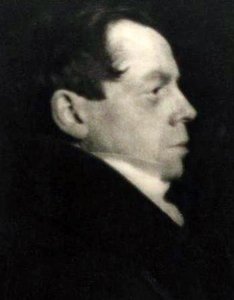
William Nicholson
1872 - 1949 , Iso-Britannia
Tietoa taiteilijasta
- Artistic Movement Or Style: Still life, muotokuvaus
- Artists Or Movements Influenced By This Artist: ['Beggarstaffs']
- Artists Who Influenced This Artist:
- Whistler
- James Pryde
- Date Of Birth: 5 helmikuuta 1872
- Date Of Death: 16 toukokuuta 1949
- Full Name: Sir William Newzam Prior Nicholson
- Nationality: Brittiläinen
- Notable Artworks:
- Lady in Furs
- Plaza de toros
- Place Of Birth: Newark, Iso-Britannia
Aiheeseen liittyvät artikkelit

Silent Narratives: Exploring the Enduring Appeal of Still Life Painting Across Centuries
Explore the rich history of still life painting with OriginalUniqueArt. Discover Dutch Masters, decode vanitas symbolism & learn about collecting timeless art. Expert insights and museum-quality reproductions.
Clyfford Still's Abstract Expressionism: A Study of Color, Form & the Existential Landscape
Explore the profound world of Clyfford Still's Abstract Expressionism with OriginalUniqueArt. Discover his unique style, existential themes & investment potential. Expert analysis for discerning collectors.
Sir William Nicholson: A Study in Post-Impressionist Portraiture & Decorative Modernism
Explore the life & work of Sir William Nicholson, a pivotal British Post-Impressionist painter. Discover his striking portraits, innovative woodcuts, and lasting influence on early 20th-century art. Expert insights for collectors.
The Enduring Appeal of Still Life: A Historical & Contemporary Exploration
Explore the rich history & symbolism of still life painting with OriginalUniqueArt. Discover masterpieces from the Dutch Golden Age, learn about vanitas art, and find expert guidance for collecting timeless artworks.
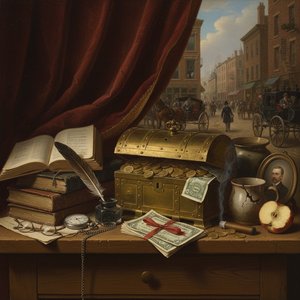
William Michael Harnett: Still Life, Realism & the American Pursuit of Materiality
Explore the captivating still lifes of William Michael Harnett, a master of American realism and trompe l'oeil painting. Discover his technique, legacy & the cultural context behind his iconic works.
