
 Esikatselu
 Jaa teos
 Jaa
Jaa
 Tiedot
 Opas
Opas

 Lataa kuva
 Samanlaisia kohteita
 Röntgenkuvaus
 Diaesitys
 Q&A
Q&A Tilastot
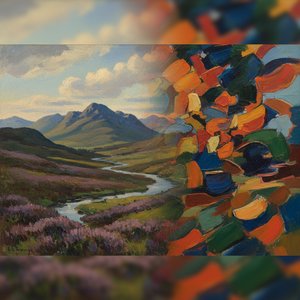
Metsämaisema

- 59.0 x 92.0 cm


 Lue lisää
Tällä sivulla esitettyä taideteosta suojaa tekijänoikeuslaki, mikä tarkoittaa, ettemme voi laillisesti luoda tai myydä täsmälleen samanlaista jäljennöstä. Tämä suoja toteutetaan kansainvälisten sopimusten, kuten esimerkiksi Berne-konventio ja kansallisilla laeilla, mukaan lukien niillä määritellyt Yhdysvaltain tekijänoikeuslaki – Luku 17. Kaikki oikeudet pidätetään. Luvaton kopiointi tai jäljittely on kielletty.
Tämä menetelmä noudattaa täysin tekijänoikeussäännöksiä, sillä se ei sisällä suojatun taideteoksen kopioimista tai jäljentämistä. Sen sijaan kyseessä on luova uudelleentulkinta – uusi maalaus, joka ammentaa vaikutteita alkuperäisestä, mutta ei ole sen identtinen kopio.
Giclée- ja taideprintit
Museolaatuisia giclée- tai kankaitaulun tulosteita nopealla tuotannolla ja joustavilla viimeistelyvaihtoehdoilla. ( Osta käsinmaalattu taideteos Siirry digitaaliseen kuvaan)




P118B €10

P118H €10

P118W €10

P438Z €10

P508JH €12

P508YH €12

P805H €10

P805Z €10

P919BZ €10

P919G €10

P919XJ €10

P959ZH €10

P968JZ €12

W106C €8

W218G €10

W218JH €8

W218Y €10

W307PJ €10

W316G €10

W316PJ €8

W316Y €10

W398PJ €8

W4111J €10

W500HY €15

W500JH €15

W692G €12

W849H €8

W940BG €15

W953PJ €8




Valitse valmiista mitoistamme sellaiset, jotka vastaavat teoksen alkuperäisiä mittasuhteita.

Syötä tarvitsemasi leveys ja korkeus, jotta tuloste sopii kehyksiisi tai seinällesi. Tulostetta voidaan vain leikata, sitä ei voida koskaan suurentaa alkuperäistä kuvaa suuremmaksi, joten eri muotoinen koko aiheuttaa osan kuvasta katoamisen. Lähetämme sinulle digitaalisen mallikuvan hyväksyttäväksi ennen kuin aloitamme tulostuksen. Tällä sivulla näkyvä kuva ei näytä lopullista rajausta — vain mallikuva näyttää sen.
Maailmanlaajuinen toimitus () 2 viikossa tavallisen 4–5 viikon sijaan. (1 marraskuu)

Ilmainen pikatoimitus ympäri maailman

Korkealaatuinen pellavakangas

Kattava kuljetusvakuutus

Tulliveron palautustakuu

Takuu täydellisestä värien vastaavuudesta

100 päivän palautusoikeus (vain valmistusvirheet)

100% rahat takaisin -takuu

Määräalennus tarjolla
 Lasivaihtoehto on saatavilla vain alle 110 cm kokoisille teoksille

Metsämaisema
Giclée- ja taideprintit
Replikaatin koko
-


Kokonaishinta
€ 71
Sir William George Gilliesin ”Metsän Maisema Kesällä” – Rauhallinen Pohjoinen Impressionismi
William George Gillies oli merkittävä skotlantilainen taiteilija, jonka työ vaikutti syvällisesti 1900-luvun taidehistoriaan. Hän syntyi Haddingtonissa vuonna 1898 ja hänen koulutuksensa Edinburghin Taideyhteisössä keskeytyi ensimmäiseen maailmansotaan palvelukseen Royal Engineersin riveissä. Tämä kokemus vaikutti vahvasti hänen henkilökohtaiseen näkökulmaansa maailmaan ja taiteeseen. Hän jatkoi opintojensa pariin Edinburghin Taideyhteisössä valmistuen ja työskentely Edinburghissa yli neljä vuosikymmentä, jolloin hän kehitti merkittävän opetuksen perinteen. Gilliesin taideura alkoi tutkimuksella kubismia André Lhoten johdolla Pariisissa vuonna 1923 ja matkalla Italiaan vuonna 1924. Hän oli erityisen vaikuttunut Cézannen työhön, jonka vaikutus näkyy hänen varhaisissa teoksissaan kuten ”Kaksi Kastetta, Kahvikuppi Ja Hedelmä” (1933). Tämä työ osoittaa Braquen ja Picasso’n yksinkertaisen värimaailman vaikutuksen sekä Cézannen inspiroivan järjestelyn. Hän löysi erityisen merkittävän yhteyden Paul Kleen työhön vuonna 1934, mikä kannusti häntä käyttämään värejä luovemmin ja tuomaan lapsellisen ilmaisun maalaukseensa. Tämä vaikutus näkyy hänen henkilökohtaisessa tyylissään ja tuo maalauksiin erityistä lämpöä ja tunnetta. Gilliesin keskeinen vahvuus oli hänen kyynsä vangita luonnon kauneutta. Hän ei pelkästään jäljittele näkyviä yksityiskohtia, vaan hän pyrkii välittämään tunnelman ja emotionaalisen kokemuksen. Hänen maalauksensa ovat täynnä värin käyttöä ja tekstuuria, jotka luovat syvyyttä ja realismia. Hän oli erityisesti kiinnostunut skotlantilaisesta maisemasta ja hän loi useita tunnettuja maalauksia alueelta, jotka ovat edelleen suosittuja taidehistoriassa. Hänen työnsä voidaan katsoa olevan keskeinen osa skotlantilaista impressionismia ja se tuo esiin erityisen herkän yhteyden ihmisen ja luonnon välillä. Gilliesin maalaukset ovat tunnettuja niiden yksinkertaisuudesta ja harmonisesta värimaailmasta. Hän ei käytä monimutkaisia kompositioita tai koristeellisia yksityiskohtia, vaan hän keskittyy olennaiseen – luonnon kauneuteen ja tunnelmaan. Hänen maalauksensa ovat erityisen sopivia sisätiloihin, joissa halutaan luoda rauhoittava ja inspiroiva ympäristö. Hän oli todellinen mestari vangitsemaan skotlantilaisen maiseman yksinkertaisuuden ja kauneuden sekä välittämään sen tunteet katsojalle. Hänen maalauksensa ovat pysyvästi osa skotlantilaista kulttuuriperintöä ja ne jatkavat inspiroimasta taiteilijoita ympäri maailmaa.- Tyyli: Impressionismi
- Tekniikka: Impasto – paksu kerros maalia, joka tuo pintaan tekstuurin ja syvyyden.
- Historia: Maalattu noin vuonna 1934, kuvastaa Kleen vaikutusta ja skotlantilaista maisema-impressionismia.
- Symbolismi: Rauhallinen metsämaisema välittää yhteyttä luontoon ja yksinkertaisen kauneuden tunteen.
- Emotionaalinen Vaikutus: Maalauksesta huokuu syvä rauha ja inspiraatio, mikä sopii täydellisesti kodin sisustukseen.
Kysymykset ja vastaukset
Onko teos "Metsämaisema" säilytyksessä tekijänsä kotimaassa?
Ei - teos sijaitsee ulkomailla. Teos "Metsämaisema" kuuluu Yhdistynyt kuningaskunta kokoelmiin, kun taas William George Gillies on syntynyt Iso-Britannia.
Kuinka voimakas kontrasti teoksessa William George Gillies:n "Metsämaisema" on?
Teoksessa William George Gillies:n "Metsämaisema" on Seesteinen kontrasti vaaleiden ja tummien alueiden välillä.
Mikä on alkuperäisen William George Gillies:n "Metsämaisema" tekniikka ja koko?
Alkuperäinen William George Gillies:n "Metsämaisema" on Akryyli kankaalle-teos, jonka mitat ovat 59 x 92 cm. Tekniikka ja koko kuvaavat alkuperäistä teosta.
Taiteilijan elämäkerta
Early Life and Artistic Beginnings
Sir William George Gillies, a name synonymous with the evocative beauty of Scottish landscapes and still lifes, was born in Haddington, East Lothian, in 1898. His early life unfolded amidst the rolling hills and historic charm of his native region – a landscape that would profoundly shape his artistic vision. Initially enrolled at the Edinburgh College of Art, Gillies’ academic pursuits were abruptly interrupted by the exigencies of World War I, where he served with distinction as an engineer in the Royal Engineers. This experience, marked by both hardship and camaraderie, undoubtedly instilled within him a resilience and perspective that would later inform his artistic approach. Following the war's conclusion, he returned to complete his education at the Edinburgh College of Art, ultimately securing a position as a dedicated teacher there for over four decades – a role that not only sustained his livelihood but also allowed him to nurture the talents of countless aspiring artists.A Journey Through Modernism: Influences and Early Style
Gillies’ artistic journey began with an exploration of Cubism after studying under André Lhote in Paris during 1923, and a subsequent visit to Italy in 1924. This exposure to European avant-garde movements ignited within him a desire to break from traditional representation, leading to early works that demonstrated a clear influence from Cézanne – particularly in their carefully arranged compositions and use of perspective – alongside the understated color palettes characteristic of artists like Braque and Picasso. However, a pivotal moment arrived in 1934 when he encountered the work of Paul Klee. Klee’s imaginative use of colour, his playful distortions of form, and his embrace of childlike qualities profoundly impacted Gillies' style, encouraging him to move beyond strict Cubist principles and infuse his paintings with a greater sense of spontaneity and emotional resonance. This shift marked a significant departure from the rigid structures of earlier works, paving the way for his distinctive, uniquely Scottish aesthetic.The 1922 Group: A Hub of Innovation
In 1922, Gillies played a crucial role in establishing the “1922 Group,” alongside fellow artists such as William Crozier, William Geissler, and William MacTaggart. This collective, operating out of the New Gallery in Edinburgh, served as a vital platform for emerging Scottish artists to showcase their work to a wider audience. The 1922 Group fostered a remarkable sense of community and collaboration within the Scottish art scene – a period of intense creative energy and experimentation. It provided a space where artists could challenge conventions, explore new ideas, and support one another’s endeavors, contributing significantly to the flourishing of modern art in Scotland during the interwar years.Themes and Artistic Focus: Landscapes and Still Lifes
Gillies' artistic focus primarily revolved around two distinct yet interconnected themes: landscapes and still lifes. He is particularly renowned for his evocative depictions of the Lothian, Fife, and Border regions of Scotland – capturing not just their physical beauty but also the spirit and character of these diverse environments. His paintings are imbued with a deep sense of place, reflecting his intimate knowledge of the region’s topography, light, and atmosphere. Simultaneously, Gillies developed a remarkable skill in creating still life compositions, often featuring ceramics crafted by his younger sister, Emma Smith Gillies – whose untimely death in 1936 profoundly affected him and became a recurring motif in his work. These poignant still lifes served as both personal memorials and explorations of themes such as loss, memory, and the passage of time.Recognition and Legacy
Throughout his distinguished career, Sir William George Gillies received numerous accolades recognizing his artistic merit and contributions to Scottish art. He was elected a Royal Academician (RA) in 1964, signifying the highest level of recognition within the British art world. In 1970, he was knighted for his services to the arts. His influence extended beyond his own paintings, shaping the direction of Scottish art through his teaching and mentorship at the Edinburgh College of Art, where he served as Principal from 1959 until his retirement in 1966. Gillies’ legacy endures not only through his captivating artworks – which are now held in prestigious collections across Scotland and internationally – but also through the countless artists he inspired to pursue their own creative visions. He died peacefully in 1973, leaving behind a body of work that continues to resonate with viewers today, embodying both the beauty of Scottish landscapes and the profound depths of human emotion.
William George Gillies
1898 - 1973 , Iso-Britannia
Pähkinänkuoressa
- Artistic Movement Or Style: Skotlantilainen modernismi
- Artists Or Movements Influenced By This Artist: ['Skotlantilainen värimaalaus']
- Artists Who Influenced This Artist:
- André Lhote
- Cézanne
- Braque
- Picasso
- Paul Klee
- Date Of Birth: 1898
- Date Of Death: 1973
- Full Name: Sir William George Gillies
- Nationality: Skotlantilainen
- Notable Artworks:
- Young Boy with a Teapot
- Mediterranean Landscape
- Still Life – Yellow Jug
- Place Of Birth: Haddington, Iso-Britannia
Aiheeseen liittyvät artikkelit

Evocations of Place: A Historical Journey Through Landscape Art
Explore the rich history of landscape art with OriginalUniqueArt. Discover renowned artists, movements like Impressionism & Romanticism, and expert guidance for collecting timeless pieces. Find your perfect serene escape today!
Sir William George Gillies: A Scottish Colourist's Journey Through Landscape & Abstraction
Explore the captivating world of Sir William George Gillies, a leading Scottish Colourist. Discover his journey from Cubism to iconic landscapes & still lifes. Expert insights for collectors and art enthusiasts.

Paul Kleen mestariteokset: 25 taideteosta, jotka inspiroivat kotiisi – OriginalUniqueArt.com
Tutustu Paul Kleen 25 mestariteokseen! Uppoudu sveitsiläisen taiteilijan abstraktiin maailmaan – ekspressionismista kubismiin. Löydä inspiraatiota kotiisi ja osta korkealaatuisia taide-reproduktioita OriginalUniqueArt.comissa. Tutki kokoelma verkossa!

Top 10 Impressionistimaisemaa: Taideteokset jotka muuttivat taiteen – OriginalUniqueArt.fi
Tutustu 10 ikoniseen impressionistimaisemaan! Claude Monet’n ja muiden mestareiden teokset heräävät eloon. Taiteen historiaa, tekniikoita ja inspiraatiota kotiisi – OriginalUniqueArt.com:sta löydät museolaatuiset taideprintit ja sisustusehdotukset. Tutki kokoelma verkossa!

Paul Cézannen 25 mestariteosta: Taidetta kotiisi – OriginalUniqueArt.com
Tutustu Paul Cézannen 25 vaikuttavinta mestariteosta! Postimpressionismin huipputeoksia, still life -maalauksia ja ikonisia maisemia. Löydä taiteen tarinat ja inspiroi kotisi sisustusta OriginalUniqueArt.com:ssa. Tutki kokoelma verkossa!


