

 Katso seinällä
 Lähetä
 Jaa
Jaa
 Tarkemmat tiedot
 Opas
Opas

 Lataa kuva
 Samanlaisia kohteita
 Röntgenkuvaus
 Diaesitys
 Tilastot
Untitled
 Mixed Media
- WallArt
- Expressionism
 Modern
 70.0 x 103.0 cm
 Canberra Museum and Gallery
 Lue lisää
Tällä sivulla esitettyä taideteosta suojaa tekijänoikeuslaki, mikä tarkoittaa, ettemme voi laillisesti luoda tai myydä täsmälleen samanlaista jäljennöstä. Tämä suoja toteutetaan kansainvälisten sopimusten, kuten esimerkiksi Berne-konventio ja kansallisilla laeilla, mukaan lukien niillä määritellyt Yhdysvaltain tekijänoikeuslaki – Luku 17. Kaikki oikeudet pidätetään. Luvaton kopiointi tai jäljittely on kielletty.
Tämä menetelmä noudattaa täysin tekijänoikeussäännöksiä, sillä se ei sisällä suojatun taideteoksen kopioimista tai jäljentämistä. Sen sijaan kyseessä on luova uudelleentulkinta – uusi maalaus, joka ammentaa vaikutteita alkuperäisestä, mutta ei ole sen identtinen kopio.
Giclée- ja taideprintit
Museolaatuisia giclée- tai kankaitaulun tulosteita nopealla tuotannolla ja joustavilla viimeistelyvaihtoehdoilla. ( Tilaa käsinmaalattu jäljennös Siirry digitaaliseen kuvaan)




P118B €10

P118H €10

P118W €10

P438Z €10

P508JH €12

P508YH €12

P805H €10

P805Z €10

P919BZ €10

P919G €10

P919XJ €10

P959ZH €10

P968JZ €12

W106C €8

W218G €10

W218JH €8

W218Y €10

W307PJ €10

W316G €10

W316PJ €8

W316Y €10

W398PJ €8

W4111J €10

W500HY €15

W500JH €15

W692G €12

W849H €8

W940BG €15

W953PJ €8




Valitse valmiista mitoistamme sellaiset, jotka vastaavat teoksen alkuperäisiä mittasuhteita.

Kirjoita tarvitsemasi leveys ja korkeus, jotta tuloste sopii kehyskokoon tai seinällesi. Tulostetta voidaan vain leikata, sitä ei voi koskaan tehdä suuremmaksi kuin alkuperäinen kuva, joten eri muotoinen koko aiheuttaa osan kuvasta katoamisen. Lähetämme sinulle digitaalisen mallikuvan hyväksyttäväksi ennen kuin aloitamme tulostuksen. Tällä sivulla näkyvä kuva ei näytä lopullista leikkausta — vain mallikuva näyttää sen.
Maailmanlaajuinen toimitus () 2 viikossa tavallisen 4–5 viikon sijaan. (23 lokakuu)

Ilmainen pikatoimitus ympäri maailman

Korkealaatuinen pellavakangas

Kattava kuljetusvakuutus

Tulliveron palautustakuu

Takuu täydellisestä värien vastaavuudesta

100 päivän palautusoikeus valmistusvirhetapauksissa

100% rahat takaisin -takuu

Määräalennus saatavilla
 Lasivaihtoehto on saatavilla vain alle 110 cm kokoisille teoksille

Untitled
Giclée- ja taideprintit
Replikaatin koko
-


Kokonaishinta
€ 70
Artwork Description: Untitled (Rimbaud/Cézanne Series) by Sir Sidney Nolan
- Artist: Sir Sidney Robert Nolan OM AC CBE RA
- Date: 1978
- Size: 70 x 103 cm
Subject and Inspiration
This striking artwork, part of Nolan's "Rimbaud/Cézanne Series," is a sketch or study that draws inspiration from the works of two influential French figures: the poet Arthur Rimbaud and the painter Paul Cézanne. Nolan, deeply moved by Rimbaud’s evocative poetry and Cézanne’s innovative approach to form and space, sought to create a dialogue between these seemingly disparate artistic sensibilities. The piece features a stylized depiction of a woman holding a trumpet to her ear, surrounded by symbolic elements such as a table setting (wine glass and cup) and what appears to be a skull or head resting on the ground.
Style and Technique
The artwork is executed in a loose and expressive style characteristic of Nolan's later works. Bold lines define the forms, but with a deliberate lack of precision, contributing to a sense of dynamic movement and spontaneity. The color palette is vibrant, dominated by reds, blues, greens, and touches of yellow and orange applied in broad strokes with minimal blending. This technique creates a high-contrast effect that emphasizes emotion over precise representation. The style leans towards Expressionism, prioritizing the conveyance of feeling through distorted forms and bold colors rather than strict realism.
Symbolism and Emotional Impact
Several symbolic elements contribute to the artwork's layered meaning. The presence of a skull evokes themes of mortality and contemplation, while the trumpet could represent artistic expression or a connection to something beyond the everyday. The woman’s posture, holding the trumpet to her ear, suggests listening intently – perhaps to inspiration, memory, or an inner voice. The seemingly random arrangement of objects adds to the sense of mystery and invites viewers to interpret their significance within the context of Nolan's artistic dialogue between Rimbaud and Cézanne. Overall, the piece evokes a feeling of expressive energy, tinged with melancholy and introspection.
Historical Context and Artistic Influences
Nolan’s fascination with both Rimbaud and Cézanne is central to understanding this work. He first encountered Cézanne's paintings in Melbourne in 1939, recognizing the impact of Cézanne’s treatment of pictorial space – his flattening of the picture plane and use of color patches to create multiple viewpoints. Nolan also admired Rimbaud’s poetic musings, believing that "Reading Rimbaud one got art." This series, created in 1978, reflects Nolan's attempt to capture the creative spirit of these artistic muses through a collection of sketches that appear arbitrary and child-like at first glance, but reveal a deeper exploration of artistic process when viewed as a whole.
Kysymykset ja vastaukset
Miten "Untitled" tasapainottaa valon ja varjon?
Teoksen Sir Sidney Robert Nolan:n "Untitled" kirkkaus on brilliant ja luminanssi Luminous.
Onko Sir Sidney Robert Nolan:n "Untitled" -teoksesta saatavilla tietolomaketta opiskelijoille?
Sir Sidney Robert Nolan:n "Untitled" -teoksen Opas -sivu tarjoaa tulostettavan kahden sivun tietolomakkeen: teoksen ja sen tunnistetiedot, aikajanan, joka sijoittaa teoksen taiteilijan elinaikaan, muita taiteilijan teoksia, mitatun väripaletin sekä neljällä eri tyylillä valmiiksi muotoillut lähdeviitteet.
Onko Sir Sidney Robert Nolan:n "Untitled" valoisa vai tumma teos?
Teoksen Sir Sidney Robert Nolan:n "Untitled" koettu kirkkaus on brilliant. Sen valoisuuden voi sovittaa tarkoitettuun tilaan.
Taiteilijan elämäkerta
Sir Sidney Robert Nolan (1917–1992) – Australian Modernism’s Bold Voice
Sidney Robert Nolan, born in Melbourne in 1917, stands as a monumental figure in 20th-century Australian art. His journey was not one of conventional artistic training but rather an explosive emergence from the working-class streets of St Kilda into a world of vibrant imagination and relentless experimentation. Nolan wasn’t simply a painter; he was a visual storyteller, a mythmaker who wrestled with Australia's history, its landscapes, and its very identity. From his early days as a runner for an illegal betting ring to his eventual acclaim on the international stage, Nolan’s life was marked by a restless energy and a refusal to be confined by artistic norms. He absorbed influences from diverse sources – the poetry of Rimbaud, the spatial innovations of Cézanne, the raw emotion of Danila Vassilieff – yet forged a style uniquely his own, one that resonated with a distinctly Australian sensibility. His early exposure to the harsh realities of Melbourne life and the allure of its underbelly would profoundly shape his artistic vision, imbuing his work with a sense of both defiance and vulnerability.Early Life and Influences: From St Kilda Streets to Artistic Awakening
Nolan’s formative years were steeped in intellectual ferment. The Heide Circle, centered around patrons John and Sunday Reed, proved pivotal. This haven for artists and writers fostered a spirit of radical experimentation and provided Nolan with crucial support during his developing phase. It was at Heide that he encountered kindred spirits – Albert Tucker, Joy Hester, Arthur Boyd – all grappling with the challenge of creating a distinctly Australian modernism. The influence of modernist literature, particularly the Symbolist poets, cannot be overstated. Rimbaud’s call for a “systematic derangement of the senses” became a guiding principle for Nolan, liberating him from representational constraints and encouraging him to explore the emotional power of color, form, and symbolism. He wasn't interested in merely depicting reality; he sought to capture its essence, its underlying emotions, and its hidden narratives. His early works demonstrate this influence, often featuring fragmented figures and dreamlike landscapes that hint at deeper psychological truths. Nolan’s fascination with Klee—particularly his deliberate undermining of artistic conventions through experimentation—served as a cornerstone for his artistic approach. He meticulously studied the techniques of artists like Picasso, Miro, Kandinsky and Ernst, absorbing their innovations while simultaneously developing his own distinctive visual language.The Heide Circle and Artistic Collaboration
Nolan’s association with the Heide Circle solidified his commitment to pushing boundaries and challenging established artistic traditions. Alongside Tucker, Hester and Boyd, he engaged in spirited debates about how to represent Australian identity—a task fraught with difficulty given the nation's complex history and diverse cultural landscape. The discussions centered around capturing the spirit of Australia – its rugged beauty, its melancholic solitude, and its enduring myths – rejecting simplistic depictions and embracing symbolic representations. This collaborative environment nurtured Nolan’s artistic vision and propelled him toward groundbreaking achievements. He honed his skills in stage design for productions like *Icare*, reflecting a broader interest in visual storytelling across various mediums. His early commercial work—advertising displays and hats—provided valuable experience in mastering new techniques and experimenting with diverse materials, further enriching his artistic repertoire.The Iconic Ned Kelly Series: Mythmaking Through Paint
Nolan’s magnum opus remains the Ned Kelly series – a monumental undertaking that cemented his place as Australia's foremost modernist artist. Beginning in 1946, he embarked on a relentless exploration of the legend of Ned Kelly—the charismatic outlaw who defied Victorian law and became an emblem of Australian defiance. Unlike conventional biographical portraits, Nolan eschewed literal representation, opting instead for stylized depictions of Kelly’s armor—a bold visual device that conveyed not just physical appearance but also psychological complexity. The series consisted of 70 canvases, each meticulously crafted in a distinctive style characterized by flattened planes of color and simplified forms. This stylistic choice wasn't merely aesthetic; it was deliberate – Nolan sought to distill the essence of Kelly’s character and transform him into an archetypal figure embodying resistance against oppression. He captured the spirit of Kelly—his unwavering conviction, his brooding gaze, and his impenetrable aura—through a masterful manipulation of color and texture. The Ned Kelly series became more than just a depiction of history; it was a profound meditation on Australian identity and the enduring power of myth.Legacy and Enduring Influence: A Visionary Artist’s Lasting Impact
Sir Sidney Nolan died in London in 1992, leaving behind an unparalleled artistic legacy—a body of work that continues to inspire artists and captivate audiences worldwide. His paintings are held in major museums across Australia and internationally, ensuring that his vision will endure for generations to come. Nolan’s influence extends far beyond the confines of Australian art; he championed experimentation, challenged conventions, and redefined the possibilities of visual storytelling. He demonstrated a remarkable ability to convey emotion through form and color—a skill that distinguishes him from many of his contemporaries. His exploration of Australian mythology—particularly the Burke and Wills Expedition—further solidified his reputation as a visionary artist committed to capturing the spirit of his homeland. Nolan’s unwavering dedication to artistic innovation—his refusal to compromise on his aesthetic principles—served as an inspiration for countless artists who followed in his footsteps. He remains a towering figure in 20th-century art, remembered not only for his iconic paintings but also for his profound engagement with the complexities of human experience and Australian identity.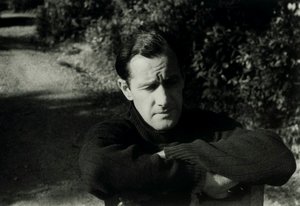
Sir Sidney Robert Nolan
1917 - 1992 , Australia
Tietoa taiteilijasta
- Artistic Movement Or Style: Modernismi
- Artists Who Influenced This Artist:
- Rimbaud
- Cézanne
- Kandinsky
- Klee
- Date Of Birth: 22 huhtikuuta 1917
- Date Of Death: 28 marraskuuta 1992
- Full Name: Sir Sidney Robert Nolan
- Nationality: Australialainen
- Notable Artworks:
- Ned Kelly sarja
- Ajeluorastot
- AFL Sarjat
- Place Of Birth: Melbourne, Australia
Aiheeseen liittyvät artikkelit

Saksan ekspressionismin 10 mestariteosta: Taidetta ja tunnetta kotiisi
Uppoudu Saksan ekspressionismin maailmaan! Tutustu 10 mestariteokseen – Kirchnerin voimakkaista väreistä Munchin tunteisiin. Löydä taidemaalauksien tarinat ja inspiroi sisustusta OriginalUniqueArt.com:ssa. Explore the full collection online!

Unlocking Emotion: A Beginner's Guide to the Raw Power of Symbolic Expressionism Art
Discover the raw emotion of Symbolic Expressionism. Our expert guide explores how masters like Munch use color and form to convey inner feelings, offering inspiration for collectors looking to bring powerful, soulful art into their modern homes.
The Raw Emotion of Expressionism: A Deep Dive into its History, Characteristics & Enduring Influence
Explore the raw emotion of Expressionism with OriginalUniqueArt. Discover its history, key artists like Kirchner & Munch, and lasting influence on modern art. Expert insights for collectors & enthusiasts.
Figurative Expressionism: Emotional Intensity & Subjective Reality in 20th-Century Art
Explore the powerful world of Figurative Expressionism with OriginalUniqueArt. Discover key artists like Kirchner & Beckmann, understand its emotional depth, and learn how to collect this influential 20th-century art movement.
The Eloquent Line: Exploring the Artistic Significance of Sketches Across Movements and Media
Explore the profound artistic significance of sketches throughout history. From Renaissance masters to modern innovators like Van Gogh & Guston, discover how these foundational works reveal technique, emotion, and vision. Learn more at OriginalUniqueArt.


