

 Katso seinällä
 Lähetä
 Jaa
Jaa
 Tarkemmat tiedot
 Opas
Opas

 Lataa kuva
 Samanlaisia kohteita
 Röntgenkuvaus
 Diaesitys
 Tilastot
Desert Storm


 Lue lisää
Giclée- ja taideprintit
Museolaatuisia giclée- tai kankaitaulun tulosteita nopealla tuotannolla ja joustavilla viimeistelyvaihtoehdoilla. ( Tilaa käsinmaalattu jäljennös Siirry digitaaliseen kuvaan)




P118B $10

P118H $10

P118W $10

P438Z $10

P508JH $12

P508YH $12

P805H $10

P805Z $10

P919BZ $10

P919G $10

P919XJ $10

P959ZH $10

P968JZ $12

W106C $8

W218G $10

W218JH $8

W218Y $10

W307PJ $10

W316G $10

W316PJ $8

W316Y $10

W398PJ $8

W4111J $10

W500HY $15

W500JH $15

W692G $12

W849H $8

W940BG $15

W953PJ $8




Valitse valmiista mitoistamme sellaiset, jotka vastaavat teoksen alkuperäisiä mittasuhteita.

Voit syöttää omat mitat sopiaksesi tiettyyn kehykseen tai tilaan. Jos valittu koko ei vastaa alkuperäisen kuvan mittasuhteita, rajaamme teosta tai laajennamme kuvaa peilatulla tai yhtenäisellä reunalla. Digitaalinen mallikuva lähetetään hyväksyttäväksi ennen tuotannon aloittamista.
Huomaathan, että näytöllä näkyvä esikatselu ei vastaa lopullista rajausta tai laajennusta. Vain mallikuva näyttää lopullisen sommittelun tarkasti.
Vaikka räätälöityjä kokoja on saatavilla, suosittelemme valitsemaan mitat valmiista listasta alkuperäisten mittasuhteiden säilyttämiseksi.
Maailmanlaajuinen toimitus () 2 viikossa tavallisen 4–5 viikon sijaan. (27 syyskuu)

Ilmainen pikatoimitus ympäri maailman

Korkealaatuinen pellavakangas

Kattava kuljetusvakuutus

Tulliveron palautustakuu

Takuu täydellisestä värien vastaavuudesta

100 päivän palautusoikeus valmistusvirhetapauksissa

100% rahat takaisin -takuu

Määräalennus saatavilla
 Lasivaihtoehto on saatavilla vain alle 110 cm kokoisille teoksille

Desert Storm
Giclée- ja taideprintit
Replikaatin koko
-


Kokonaishinta
$ 80
A Landscape of Resilience: The Atmospheric Majesty of Desert Storm
In the vast, sweeping annals of Australian Modernism, few works capture the raw, elemental spirit of the outback as poignantly as Sir Sidney Nolan’s Desert Storm. Painted in 1955, this evocative masterpiece transcends mere landscape painting to become a profound meditation on endurance and the sublime. As the viewer approaches the canvas, they are immediately enveloped by an atmosphere of quiet drama, where the heavy, overcast skies seem to press down upon the arid terrain, creating a sense of profound solitude. Nolan, a master storyteller of the Australian identity, does not merely depict a scene; he invites us into a moment of atmospheric tension, where the stillness of the desert is poised on the precipative edge of a shifting storm.
The composition is a masterful study in scale and depth, utilizing a horizontal format that emphasizes the infinite reaches of the desert expanse. To ground this ethereal scene, Nolan places a gnarled, skeletal tree branch in the left foreground, rendered with vigorous, gestural brushstrokes. This organic element acts as a visual anchor, its twisted form providing a stark contrast to the soft, receding horizons. Through the skillful application of atmospheric perspective, the distant plains fade into muted tones, pulling the eye deep into the heart of the landscape and creating an illusion of immense, breathing space that is both captivating and humbling.
Technique and the Texture of the Earth
Nolan’s technical prowess is most evident in his tactile approach to the medium. Employing an impasto technique, he applies oil paint with a deliberate thickness that lends the work a sculptural quality. This heavy application allows the texture of the desert soil and the ruggedness of the tree bark to be felt as much as seen, imbuing the painting with a physical presence that resonates with the materiality of the earth itself. His palette is one of disciplined restraint, eschewing the temptation of vibrant color in favor of a somber, sophisticated range of greys, browns, beiges, and deep blues.
This muted chromatic language is essential to the painting's emotional resonance. The lack of harsh highlights or deep shadows creates a diffused, even light that mimics the soft glow of a sun obscured by thick cloud cover. This Impressionistic sensibility—prioritizing the capture of fleeting light and mood over photographic precision—allows the artist to communicate the ephemeral nature of the weather. For the collector or interior designer, this subtle color harmony offers a sophisticated way to introduce depth and contemplative calm into a space, acting as a window into a world of quiet strength.
Symbolism and the Modernist Legacy
Beyond its aesthetic beauty, Desert Storm is rich with symbolic weight. The gnarled branch, surviving amidst the desolate terrain, serves as a powerful metaphor for resilience and adaptation in the face of harsh, unforgiving environments. It mirrors the very spirit of the Australian continent—a landscape that is both beautiful and brutal. This theme of survival resonates deeply within the historical context of Nolan’s era, reflecting a period of intense artistic experimentation where the boundaries between myth, history, and nature were being radically redefined.
For those seeking to adorn a collection with works of significant cultural weight, this painting offers an unparalleled opportunity. It is more than a reproduction; it is an invitation to experience the emotional gravity of one of Australia's most iconic modernist voices. Whether placed in a contemporary gallery setting or a curated residential interior, Desert Storm commands attention through its ability to evoke a sense of wonder, peace, and the enduring power of the natural world.
Taiteilijan elämäkerta
Sir Sidney Robert Nolan (1917–1992) – Australian Modernism’s Bold Voice
Sidney Robert Nolan, born in Melbourne in 1917, stands as a monumental figure in 20th-century Australian art. His journey was not one of conventional artistic training but rather an explosive emergence from the working-class streets of St Kilda into a world of vibrant imagination and relentless experimentation. Nolan wasn’t simply a painter; he was a visual storyteller, a mythmaker who wrestled with Australia's history, its landscapes, and its very identity. From his early days as a runner for an illegal betting ring to his eventual acclaim on the international stage, Nolan’s life was marked by a restless energy and a refusal to be confined by artistic norms. He absorbed influences from diverse sources – the poetry of Rimbaud, the spatial innovations of Cézanne, the raw emotion of Danila Vassilieff – yet forged a style uniquely his own, one that resonated with a distinctly Australian sensibility. His early exposure to the harsh realities of Melbourne life and the allure of its underbelly would profoundly shape his artistic vision, imbuing his work with a sense of both defiance and vulnerability.Early Life and Influences: From St Kilda Streets to Artistic Awakening
Nolan’s formative years were steeped in intellectual ferment. The Heide Circle, centered around patrons John and Sunday Reed, proved pivotal. This haven for artists and writers fostered a spirit of radical experimentation and provided Nolan with crucial support during his developing phase. It was at Heide that he encountered kindred spirits – Albert Tucker, Joy Hester, Arthur Boyd – all grappling with the challenge of creating a distinctly Australian modernism. The influence of modernist literature, particularly the Symbolist poets, cannot be overstated. Rimbaud’s call for a “systematic derangement of the senses” became a guiding principle for Nolan, liberating him from representational constraints and encouraging him to explore the emotional power of color, form, and symbolism. He wasn't interested in merely depicting reality; he sought to capture its essence, its underlying emotions, and its hidden narratives. His early works demonstrate this influence, often featuring fragmented figures and dreamlike landscapes that hint at deeper psychological truths. Nolan’s fascination with Klee—particularly his deliberate undermining of artistic conventions through experimentation—served as a cornerstone for his artistic approach. He meticulously studied the techniques of artists like Picasso, Miro, Kandinsky and Ernst, absorbing their innovations while simultaneously developing his own distinctive visual language.The Heide Circle and Artistic Collaboration
Nolan’s association with the Heide Circle solidified his commitment to pushing boundaries and challenging established artistic traditions. Alongside Tucker, Hester and Boyd, he engaged in spirited debates about how to represent Australian identity—a task fraught with difficulty given the nation's complex history and diverse cultural landscape. The discussions centered around capturing the spirit of Australia – its rugged beauty, its melancholic solitude, and its enduring myths – rejecting simplistic depictions and embracing symbolic representations. This collaborative environment nurtured Nolan’s artistic vision and propelled him toward groundbreaking achievements. He honed his skills in stage design for productions like *Icare*, reflecting a broader interest in visual storytelling across various mediums. His early commercial work—advertising displays and hats—provided valuable experience in mastering new techniques and experimenting with diverse materials, further enriching his artistic repertoire.The Iconic Ned Kelly Series: Mythmaking Through Paint
Nolan’s magnum opus remains the Ned Kelly series – a monumental undertaking that cemented his place as Australia's foremost modernist artist. Beginning in 1946, he embarked on a relentless exploration of the legend of Ned Kelly—the charismatic outlaw who defied Victorian law and became an emblem of Australian defiance. Unlike conventional biographical portraits, Nolan eschewed literal representation, opting instead for stylized depictions of Kelly’s armor—a bold visual device that conveyed not just physical appearance but also psychological complexity. The series consisted of 70 canvases, each meticulously crafted in a distinctive style characterized by flattened planes of color and simplified forms. This stylistic choice wasn't merely aesthetic; it was deliberate – Nolan sought to distill the essence of Kelly’s character and transform him into an archetypal figure embodying resistance against oppression. He captured the spirit of Kelly—his unwavering conviction, his brooding gaze, and his impenetrable aura—through a masterful manipulation of color and texture. The Ned Kelly series became more than just a depiction of history; it was a profound meditation on Australian identity and the enduring power of myth.Legacy and Enduring Influence: A Visionary Artist’s Lasting Impact
Sir Sidney Nolan died in London in 1992, leaving behind an unparalleled artistic legacy—a body of work that continues to inspire artists and captivate audiences worldwide. His paintings are held in major museums across Australia and internationally, ensuring that his vision will endure for generations to come. Nolan’s influence extends far beyond the confines of Australian art; he championed experimentation, challenged conventions, and redefined the possibilities of visual storytelling. He demonstrated a remarkable ability to convey emotion through form and color—a skill that distinguishes him from many of his contemporaries. His exploration of Australian mythology—particularly the Burke and Wills Expedition—further solidified his reputation as a visionary artist committed to capturing the spirit of his homeland. Nolan’s unwavering dedication to artistic innovation—his refusal to compromise on his aesthetic principles—served as an inspiration for countless artists who followed in his footsteps. He remains a towering figure in 20th-century art, remembered not only for his iconic paintings but also for his profound engagement with the complexities of human experience and Australian identity.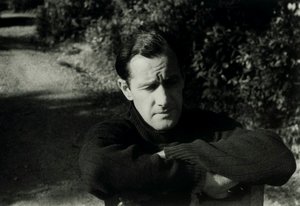
Sir Sidney Robert Nolan
1917 - 1992 , Australia
Tietoa taiteilijasta
- Artistic Movement Or Style: Modernismi
- Artists Who Influenced This Artist:
- Rimbaud
- Cézanne
- Kandinsky
- Klee
- Date Of Birth: 22 huhtikuuta 1917
- Date Of Death: 28 marraskuuta 1992
- Full Name: Sir Sidney Robert Nolan
- Nationality: Australialainen
- Notable Artworks:
- Ned Kelly sarja
- Ajeluorastot
- AFL Sarjat
- Place Of Birth: Melbourne, Australia
Aiheeseen liittyvät artikkelit

Evocations of Place: A Historical Journey Through Landscape Art
Explore the rich history of landscape art with OriginalUniqueArt. Discover renowned artists, movements like Impressionism & Romanticism, and expert guidance for collecting timeless pieces. Find your perfect serene escape today!

Romanttisen maisemamaalauksen mestariteokset: Taidetta ja inspiraatiota kotiin
Uppoudu romanttisen maisemamaalauksen maailmaan! Tutustu Caspar David Friedrichin, Turnerin ja muiden mestareiden ikonisiin teoksiin. Löydä inspiraatiota kotiisi taiteen avulla OriginalUniqueArt.comista – laadukkaat taideprintit ja sisustusideoita.

John Constablein 25 mestariteosta: Taidetta ja tunnelmaa kotiisi – OriginalUniqueArt.com
Tutustu John Constable'n 25 mestariteokseen – romanttisia maisemamaalauksia, jotka vangitsevat englantilaisen luonnon tunnelman. Taidehistoriaa ja inspiraatiota kotiisi OriginalUniqueArt.com:ssa. Löydä kaikki taideteokset verkossa!
Evoking Nature's Sublime: A Comprehensive Exploration of 19th-Century Landscape Painting
Explore the captivating world of 19th-century landscape painting! Discover renowned artists like Friedrich & Monet, key movements, and find the perfect artwork to bring nature's serenity into your home. Expert insights at OriginalUniqueArt.

Evocations of Place: A Historical Journey Through Landscape Art
Explore the rich history of landscape art with OriginalUniqueArt. Discover renowned artists, movements like Impressionism & tonalism, and expert guidance for collecting timeless pieces. Find your perfect serene escape today!


