

 Esikatselu
 Jaa teos
 Jaa
Jaa
 Tiedot
 Opas
Opas

 Lataa kuva
 Samanlaisia kohteita
 Röntgenkuvaus
 Diaesitys
 Q&A
Q&A Tilastot
Winter Fuel


 Lue lisää
Giclée- ja taideprintit
Museolaatuisia giclée- tai kankaitaulun tulosteita nopealla tuotannolla ja joustavilla viimeistelyvaihtoehdoilla. ( Osta käsinmaalattu taideteos Siirry digitaaliseen kuvaan)




P118B €10

P118H €10

P118W €10

P438Z €10

P508JH €12

P508YH €12

P805H €10

P805Z €10

P919BZ €10

P919G €10

P919XJ €10

P959ZH €10

P968JZ €12

W106C €8

W218G €10

W218JH €8

W218Y €10

W307PJ €10

W316G €10

W316PJ €8

W316Y €10

W398PJ €8

W4111J €10

W500HY €15

W500JH €15

W692G €12

W849H €8

W940BG €15

W953PJ €8




Valitse valmiista mitoistamme sellaiset, jotka vastaavat teoksen alkuperäisiä mittasuhteita.

Syötä tarvitsemasi leveys ja korkeus, jotta tuloste sopii kehyksiisi tai seinällesi. Tulostetta voidaan vain leikata, sitä ei voida koskaan suurentaa alkuperäistä kuvaa suuremmaksi, joten eri muotoinen koko aiheuttaa osan kuvasta katoamisen. Lähetämme sinulle digitaalisen mallikuvan hyväksyttäväksi ennen kuin aloitamme tulostuksen. Tällä sivulla näkyvä kuva ei näytä lopullista rajausta — vain mallikuva näyttää sen.
Maailmanlaajuinen toimitus () 2 viikossa tavallisen 4–5 viikon sijaan. (30 lokakuu)

Ilmainen pikatoimitus ympäri maailman

Korkealaatuinen pellavakangas

Kattava kuljetusvakuutus

Tulliveron palautustakuu

Takuu täydellisestä värien vastaavuudesta

100 päivän palautusoikeus (vain valmistusvirheet)

100% rahat takaisin -takuu

Määräalennus tarjolla
 Lasivaihtoehto on saatavilla vain alle 110 cm kokoisille teoksille

Winter Fuel
Giclée- ja taideprintit
Replikaatin koko
-


Kokonaishinta
€ 71
A Pastoral Symphony in Oil: The Soul of Winter Fuel
In the quietude of Sir John Everett Millais's 1873 masterpiece, Winter Fuel, one finds a profound meditation on the intersection of human labor and the enduring majesty of the natural world. This evocative oil painting serves as more than a mere landscape; it is a window into the Victorian pastoral ideal, capturing a moment of serene stillness amidst the rugged reality of rural life. At the heart of the composition sits a young girl, perhaps the daughter of a woodsman, perched atop a cart laden with felled timber. Her presence provides a tender, human focal point against the imposing backdrop of Birnam Hill. As she surveys her surroundings, there is an unmistakable sense of peace—a quiet communion between the child and the vast, breathing landscape that surrounds her.
The scene is further enriched by the subtle inclusion of a loyal companion, a dog resting near the bottom corner, which anchors the composition and reinforces the themes of companionship and the simple, unadorned life. For collectors and interior designers alike, this piece offers a unique atmospheric quality; it possesses the ability to ground a room with its earthy tones and tranquil energy, making it an exquisite choice for spaces designed for reflection, warmth, and timeless elegance.
Mastery of Technique and the Pre-Raphaelite Legacy
To understand the brilliance of Winter Fuel, one must look through the lens of Millais’s revolutionary artistic journey. While he was a founding member of the Pre-Raphaelite Brotherhood—a movement famous for its uncompromising fidelity to nature and rejection of artificial academic polish—this later work demonstrates a masterful transition toward a more romantic, academic style. Yet, the hallmarks of his early training remain vibrantly present. The texture of the bark, the weight of the logs, and the rugged terrain are rendered with an almost tactile precision that invites the viewer to reach out and feel the roughness of the wood.
Millais utilized a muted, sophisticated palette dominated by deep browns, mossy greens, and atmospheric blues. This choice of color does not merely depict a season; it evokes the very chill and dampness of a late autumn or early winter day. His technique, rooted in plein air observation, allows the light to play across the landscape with a naturalistic grace, creating a sense of depth that draws the eye toward the distant mountains. The brushwork, while more fluid than his earlier, hyper-detailed works, retains a rhythmic vitality that breathes life into every leaf and stone.
Symbolism and Emotional Resonance for the Modern Collector
Beyond its technical prowess, Winter Fuel is imbued with a symbolic resonance that speaks to the universal human experience. The "fuel" of the title suggests preparation, survival, and the cyclical nature of life—the gathering of resources to endure the coming cold. There is a poignant beauty in the juxtaposition of the child's innocence against the heavy, physical burden of the timber. It captures a fleeting moment of respite within the cycle of toil, reminding us of the quiet dignity found in even the most humble of labors.
For those seeking to adorn their homes with art that tells a story, this painting offers an unparalleled emotional depth. It does not demand attention through loud colors or jarring subjects; instead, it earns its place through a steady, captivating presence. Whether placed in a sunlit library or a cozy study, a high-quality reproduction of this work brings with it the spirit of the British countryside and the enduring legacy of one of history's most celebrated painters. It is an investment in atmosphere, a piece that promises to inspire tranquility and a deep appreciation for the quiet wonders of the natural world.
Kysymykset ja vastaukset
Kuka myy teoksen John Everett Millais:n "Winter Fuel" käsinmaalattuja kopioita?
John Everett Millais:n "Winter Fuel"-teoksen käsinmaalattuja kopioita on saatavilla tämä sivusto-sivustolla: käsinmaalattu öljyvärireproduktio pellavakankaalle, ja voit tilata ne suoraan Käsinmaalattu jäljennös-sivulta.
Mikä tekniikka ja tyyli luonnehtivat teosta John Everett Millais:n "Winter Fuel"?
Teoksessa "Winter Fuel" Oil On Canvas-tekniikka kohtaa Pre-Raphaelite Rebellion-suuntauksen.
Mikä on teoksen John Everett Millais:n "Winter Fuel" paikka taidehistoriassa?
Historiallisesti "Winter Fuel" on laajemman 19th Century aikakauden Pre-Raphaelite Rebellion-tyylinen teos.
Taiteilijan elämäkerta
A Prodigy of the Pre-Raphaelites: The Life and Art of Sir John Everett Millais
Sir John Everett Millais, syntynyt Southamptonissa vuonna 1829, astui Royal Academy Schools -kouluun poikkeuksellisen varhain – vasta neljästätoista vuodesta, mikä oli tuohon aikaan ennennäkemätöntä. Tämä varhainen lahjakkuuden osoitus enteili uraa, joka ei ainoastaan määrittäisi taiteellista liikeettä, vaan myös vangitsisi Victorian ajan mielikuvituksen henkeä huomiota herättävän realisminsa ja syvällisen tunteiden ilmaisun kautta. Jo varhaisimmillaan Millaiselle oli poikkeuksellinen kyky havainnoida maailmaa tarkasti, ominaisuus, joka muuttui hänen taiteellisensa tyylinsä kulmakiveksi. Hän ei ainoastaan maalannut sitä, mitä näki, vaan rekonstruoi sen huolellisesti, upottaen jokaisen siveltimenvedon lähes valokuvaiseen tarkkuuteen. Tämä totuudenmukaisuuteen pyrkimys erotti hänet muista ja johti lopulta hänen haastamaan Britannian taiteen vakiintuneita konventioita.The Birth of a Brotherhood and Artistic Rebellion
Millaisen taiteellinen polku kääntyi merkittävästi vuonna 1848, kun hän, Dante Gabriel Rossetin ja William Holman Huntin kanssa perusti Pre-Raphaelite Brotherhood -seurayhdistyksen. Tämä ei ollut pelkästään esteettinen valinta; se oli tarkoituksellinen kapina, joka vastasi mitä he kokivat akateemisen taiteen teeskentelylle – taiteelle, joka oli liikkunut liian kaukana luonnosta ja varhaisten renessanssimaailmojen aitoudesta, niistä taiteilijoista, jotka tekivät taidetta *ennen* Raffaelia. Pre-Raphaelistit pyrkivät herättämään henkiin vanhan renessanssin taiteilijoiden selkeyttä, yksityiskohtia ja eloisia väripaletteja, kuten Jan van Eyckia ja Fra Angelikoa. Heidän manifestinsa oli luonnon totuutta, vastakohta idealisoituneille muodoille ja omistautuminen aiheisiin, jotka pohjastuivat kirjallisuuteen, mytologiaan ja arkielämään. Millaisen varhaiset teokset, kuten *Isabella*, osoittivat heti tämän uuden lähestymistavan – huolellinen yksityiskohtien tarkastelu yhdistettynä tarinallisesti intensiiviseen vaikutukseen, joka vangitsi ja usein provosoi yleisöä. Hänen kiistanalaisin teoksensa tuona aikana oli *Christ in the House of His Parents* (1849-50), joka kuvasi Pyhän Perheen ei kuin eetterisiä olentoja, vaan tavallisia työläisiä, herättäen laajaa vastustusta kriitikoilta, jotka pitivät sen realistisuutta häiritsevänä ja jopa pilkkaavana.Evolving Styles and Victorian Sensibilities
Keskellä 1850-lukua Millaisen taiteellinen kehitys koki merkittäviä muutoksia sekä henkilökohtaisesti että taideteollisuudessa. Hänen avioliitonsa Effie Grayn kanssa, annulmentin jälkeen John Ruskinin ensimmäisestä avioliitosta, vaikutti syvästi hänen teoksiinsa. Hän siirtyi pois Pre-Raphaelitten intensiivisen yksityiskohtaisten ja symbolististen maalauksien tyylistä kohti laajempaa ja tunnelmallisempaa realismia. Tämä muutos ei ollut pelkästään tyylivalinta; se heijasti kasvavaa kiinnostusta nykymaailmaa kohtaan ja halua vangita luonnon ohikiitävän kauneuden. Teokset, kuten *Autumn Leaves*, ovat tästä uuden suunnan esimerkkejä – rauhallinen kuvaus nuorista naisista, jotka heittävät lehtiä joessa, joka on täynnä melankoliaa ja nostalgiaa. Hän löysi myös merkittävästi menestystä muotokuvauksessa, vangiten tunnettujen viktoriaanisten henkilöiden ulkonäön. Tämä aika näki Millaisen nousun kansalliseksi julkisuuden henkilöksi, mutta se herätti myös kritiikkiä joiltakin, jotka katsoivat häntä kompromissoimana taiteellisista periaatteistaan.Major Achievements and Lasting Influence
Vaikka nämä kritiikit olisivat voineet olla totta, Sir John Everett Millais on edelleen yksi 1800-luvun Britannian tärkeimmistä taiteilijoista. Hänen vaikutuksensa ulottuu Pre-Raphaelitten liikeestä kauas; hän uudensi realistisen ja tarinallisen maalaustaidon standardeja, inspiroi sukupolvia taiteilijoita. Hänen ikoniset kuvansa – *Ophelia*, jonka lumoava kauneus ja symbolinen rikkaus ovat huomionarmeja, *A Huguenot*, joka kuvaa uskonnollisia konflikteja ja kiellettyä rakkautta sekä lukemattomia muita teoksia – resonoivat edelleen yleisön kanssa tänään. Millaisen kyky yhdistää tarkka havainto tunteelliseen syvyyteen, hänen mestarillisuutensa värien ja komposiiton suhteen sekä hänen rohkeutensa haastaa taiteellisia konventioita vakiinnuttivat hänen paikkansa todellisena innovaattorina. Vuonna 1896 hänestä valittiin Royal Academian presidentiksi, mikä oli osoitus hänen kestävästä perinnöstään – vaikka hän kuoli vain muutaman kuukauden kuluttua valinnastaan. Hänen teoksiaan juhlistetaan edelleen museoissa ja kokoelmissa ympäri maailmaa, varmistaen että hänen taiteensa kauneus ja voima säilyvät sukupolvien ajan.Major Works & Collections
- Christ in the House of His Parents (1849-1850): Tate Britain, London – Ensimmäinen teos, joka esitteli Pre-Raphaelitten realistisen tyylin.
- Ophelia (1851-1852): Tate Britain, London – Ehkä hänen kuuluisimman teoksensa, tunnettu lumoavasta kauneudestaan ja symbolisesta syvyydestä.
- A Huguenot (1851-1852): Yksityiskokoelma – Dramaattinen kuvaus uskonnollisista konflikteista ja kielletystä rakkaudesta.
- Mariana (1850-1851): Manchester Art Gallery – Inspiroitunut Shakespearen ja Tennyssin teoksista, osoittaa Millaisen taidon vangita tunnelma ja ilmapiiri.
- Autumn Leaves (1855-1856): City of Manchester Art Galleries – Rauhallinen ja tunteellinen maalaus, joka heijastaa hänen kehittyvää tyyliään.

John Everett Millais
1829 - 1896 , Iso-Britannia
Pähkinänkuoressa
- Artistic Movement Or Style: Pre-Raphaelite, Realismi
- Artists Or Movements Influenced By This Artist: ['Pre-Raphaeliet']
- Artists Who Influenced This Artist: ['Pre-Raphaeliet']
- Date Of Birth: 8 kesäkuuta 1829
- Date Of Death: 13 elokuuta 1896
- Full Name: Sir John Everett Millais
- Nationality: Brittiläinen
- Notable Artworks:
- Christin talossa...
- Ophelia
- Huguenotti
- Mariana
- Place Of Birth: Southampton, Iso-Britannia
Aiheeseen liittyvät artikkelit

Sir John Everett Millais: Pre-Raphaelite Rebellion & Victorian Narrative Detail
Explore the revolutionary art of Sir John Everett Millais & the Pre-Raphaelite Brotherhood. Discover their radical realism, symbolic narratives, and lasting impact on Victorian aesthetics. A deep dive into 19th-century masterpieces.

Dante Gabriel Rossettin 25 mestariteosta: Taidetta ja inspiraatiota kotiisi | OriginalUniqueArt
Tutustu Dante Gabriel Rossettin 25 lumoavinta mestariteosta! Uppoudu viktoriaanisen ajan symbolismiin ja Pre-Raphaelite taiteen maailmaan. Löydä inspiraatiota sisustukseesi ja hanki korkealaatuisia taideprinttejä OriginalUniqueArt.comista. Tutki kokoelma verkossa!
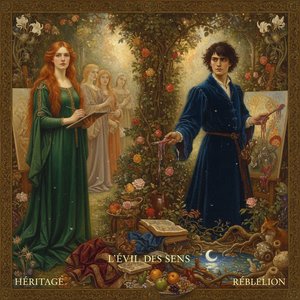
The Pre-Raphaelite Brotherhood: Reclaiming Beauty, Nature, and Truth in Victorian Art History
Explore the revolutionary Pre-Raphaelite Brotherhood. Discover how these visionary artists rejected academic tradition to reclaim beauty, nature, and truth through luminous detail and literary depth in Victorian art history.

John Constablein 25 mestariteosta: Taidetta ja tunnelmaa kotiisi – OriginalUniqueArt.com
Tutustu John Constable'n 25 mestariteokseen – romanttisia maisemamaalauksia, jotka vangitsevat englantilaisen luonnon tunnelman. Taidehistoriaa ja inspiraatiota kotiisi OriginalUniqueArt.com:ssa. Löydä kaikki taideteokset verkossa!

Pre-Raphaelite Romanticism: A Guide to Vivid Detail and Medieval Beauty in Victorian Art
Explore the vivid detail and medieval beauty of Pre-Raphaelite Romanticism. Discover the history of masters like Rossetti and Millais through our expert guide to Victorian art, perfect for collectors and professionals seeking authentic, museum-quality reproductions.


