Vaihda tulosteeseen
 Lue lisää







































 Teoksille tai reproduktioille, joiden mikä tahansa sivu on suurempi kuin 105 cm (noin 41 tuumaa), kehys toimitetaan osina purettuna sarjana. Tämä menetelmä varmistaa turvallisen toimituksen ja ehkäisee vaurioita kuljetuksen aikana.


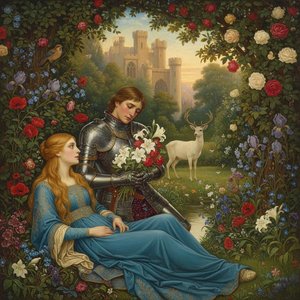
A Vision of Serenity: Exploring "The Blind Girl"
Sir John Everett Millais’s “The Blind Girl,” completed in 1856, is more than just a painting; it's an immersion into the heart of Romanticism. This evocative scene, measuring 62 x 82 cm, captures a moment of quiet intimacy and profound connection between two women nestled within a meticulously rendered natural world. The work immediately draws the viewer in with its soft color palette – dominated by greens, browns, and subtle blues – creating an atmosphere of tranquil contemplation that speaks to the movement’s core values: emotion, beauty, and a deep reverence for nature.
Technical Brilliance and Pre-Raphaelite Detail
Millais’s mastery is immediately apparent in the painting's astonishing level of detail. Executed in oil on canvas, “The Blind Girl” exemplifies the Pre-Raphaelite Brotherhood’s commitment to meticulous observation and painstaking technique. Each brushstroke is deliberate, contributing to a texture that invites close inspection – you can almost feel the dampness of the grass beneath their feet and the delicate feathers of the birds. The artist's use of light is particularly noteworthy; it doesn’t simply illuminate the scene but sculpts the forms, adding depth and volume to the figures and the surrounding foliage. This dedication to realism was a deliberate rebellion against the idealized representations favored by earlier artistic traditions.
Symbolism Woven into the Landscape
Beyond its technical prowess, “The Blind Girl” is rich in symbolism. The presence of birds – scattered throughout the composition, some soaring freely, others perched with quiet observation – represents freedom, joy, and a connection to the spiritual realm, central themes within Romantic art. The women themselves, positioned close together, suggest intimacy and companionship. While the title alludes to blindness, it’s likely a metaphorical representation of vulnerability or perhaps a shared experience of heightened perception within this serene setting. The natural world isn't merely a backdrop; it actively participates in the narrative, amplifying the emotional resonance of the scene.
Historical Context and Artistic Legacy
Created during a pivotal moment in British art history – the rise of the Pre-Raphaelite Brotherhood – “The Blind Girl” reflects the movement’s desire to return to the artistic principles of the early Renaissance, before Raphael. Millais's work, alongside those of his contemporaries like Dante Gabriel Rossetti and William Holman Hunt, challenged the prevailing academic style and paved the way for a new era of British art. Today, “The Blind Girl” remains a beloved example of Romanticism, admired for its beauty, emotional depth, and technical brilliance. Its influence can be seen in countless works that followed, solidifying Millais’s place as one of the most important artists of his time.
Kysymykset ja vastaukset
Miten voin katsella teosta John Everett Millais:n "The Blind Girl" diashow'na?
Teoksen John Everett Millais:n "The Blind Girl" voi katsella diaesityksenä sen Diaesitys -sivulla.
Kuinka vaalea "The Blind Girl" on kokonaisuudessaan?
Kokonaisuudessaan teoksen "The Blind Girl" kirkkaus on kirjattu arvoon bright. Koettu kirkkaus kuvaa sitä, kuinka vaaleana tai tummana teos vaikuttaa.
Onko John Everett Millais:n "The Blind Girl" -teoksesta saatavilla opiskelijoille suunnattua tietolomaketta?
Teoksesta John Everett Millais:n "The Blind Girl" on saatavilla Opas -sivu: tulostettava tietolomake teoksesta, joka on suunniteltu opiskelijoita ja luokkahuonekäyttöä varten.
 Esikatselu
 Jaa teos
 Jaa
Jaa
 Tiedot
 Opas
Opas

 Lataa kuva
 Samanlaisia kohteita
 Röntgenkuvaus
 Diaesitys
 Q&A
Q&A Tilastot