Valikko

() ·

A painting made for you, by hand

Self-Portrait

Käsinmaalattu öljyvärinen jäljennös

Käsinmaalattu öljyväri kankaalle haluamassasi koossa ja kehyksissä, taiteilijoidemme valmistamana tilauksesta. ( Vaihda tulosteeseen Siirry digitaaliseen kuvaan)

Keräilykohteen kuvaus

Admire Sir Anthony van Dyck’s ‘Self-Portrait,’ a captivating Baroque masterpiece showcasing his elegance and skill. Explore the life & artistry of the Flemish court painter at OriginalUniqueArt.com.

Taiteilijan elämäkerta

Sir Anthony van Dyck (1599-1641): flaamilaista barokki taiteilijaa, tunnettu hienostuneista hovimaisuuksista ja Charles I:n muotokuvista. Vaikutti merkittävästi englantilaiseen taiteeseen, tunnettu uskonnollisista teoksista & innovatiivisesta tyylistä.

from ·

Chapter 1

How large should it be?

Slide to change the size; the picture on the left shows the frame at its real width. The proportions of the original are kept.

Vakiokoko
räätälöity
CM
INCH

Valitse valmiista mitoistamme sellaiset, jotka vastaavat teoksen alkuperäisiä mittasuhteita.

leveys
korkeus

Kirjoita tarvitsemasi leveys ja korkeus, jotta teos sopii kehyksiisi tai seinällesi. Koska kyseessä on käsinmaalattu teos, taiteilija voi maalata hieman enemmän kuvan ympärille tai rajata sitä hieman, jos haluat eri muotoisen koon — valinta on sinun. Lähetämme sinulle digitaalisen mallikuvan hyväksyttäväksi ennen kuin maalaus alkaa. Tällä sivulla näkyvä kuva ei vastaa lopullista tulosta — vain mallikuva näyttää sen.

Chapter 2

How should it arrive?

Choose the edges of the stretched canvas

Choose your frame

Corner sample of the WhiteWrap canvas edge finish, stretched on massiivipuu bars
White €1
Corner sample of the BlurSideWrap canvas edge finish, stretched on massiivipuu bars
Blurside €1
Corner sample of the ExtendedWrap canvas edge finish, stretched on massiivipuu bars
Extended €1
Corner sample of the P118B picture frame: valettu polystyreeni, 5 cm wide and 3 cm thick
P118B €10
Corner sample of the P118H picture frame: valettu polystyreeni, 5 cm wide and 3 cm thick
P118H €10
Corner sample of the P118W picture frame: valettu polystyreeni, 5 cm wide and 3 cm thick
P118W €10
Corner sample of the P438Z picture frame: valettu polystyreeni, 5.5 cm wide and 3.5 cm thick
P438Z €10
Corner sample of the P508JH picture frame: valettu polystyreeni, 7 cm wide and 3.5 cm thick
P508JH €12
Corner sample of the P508YH picture frame: valettu polystyreeni, 7 cm wide and 3.5 cm thick
P508YH €12
Corner sample of the P805H picture frame: valettu polystyreeni, 5 cm wide and 3.5 cm thick
P805H €10
Corner sample of the P805Z picture frame: valettu polystyreeni, 5 cm wide and 3.5 cm thick
P805Z €10
Corner sample of the P919BZ picture frame: valettu polystyreeni, 7 cm wide and 3.5 cm thick
P919BZ €10
Corner sample of the P919G picture frame: valettu polystyreeni, 7 cm wide and 3.5 cm thick
P919G €10
Corner sample of the P919XJ picture frame: valettu polystyreeni, 7 cm wide and 3.5 cm thick
P919XJ €10
Corner sample of the P959ZH picture frame: valettu polystyreeni, 5 cm wide and 3 cm thick
P959ZH €10
Corner sample of the P968JZ picture frame: valettu polystyreeni, 6 cm wide and 4 cm thick
P968JZ €12
Corner sample of the W106C picture frame: massiivipuu, 5 cm wide and 3 cm thick
W106C €8
Corner sample of the W218G picture frame: massiivipuu, 5 cm wide and 3 cm thick
W218G €10
Corner sample of the W218JH picture frame: massiivipuu, 5 cm wide and 3 cm thick
W218JH €8
Corner sample of the W218Y picture frame: massiivipuu, 5 cm wide and 3 cm thick
W218Y €10
Corner sample of the W307PJ picture frame: massiivipuu, 6 cm wide and 3 cm thick
W307PJ €10
Corner sample of the W316G picture frame: massiivipuu, 6 cm wide and 3 cm thick
W316G €10
Corner sample of the W316PJ picture frame: massiivipuu, 6 cm wide and 3 cm thick
W316PJ €8
Corner sample of the W316Y picture frame: massiivipuu, 6 cm wide and 3 cm thick
W316Y €10
Corner sample of the W398PJ picture frame: massiivipuu, 5 cm wide and 3 cm thick
W398PJ €8
Corner sample of the W4111J picture frame: massiivipuu, 6.5 cm wide and 3.5 cm thick
W4111J €10
Corner sample of the W500HY picture frame: massiivipuu, 7 cm wide and 5 cm thick
W500HY €15
Corner sample of the W500JH picture frame: massiivipuu, 7 cm wide and 5 cm thick
W500JH €15
Corner sample of the W692G picture frame: massiivipuu, 8 cm wide and 4 cm thick
W692G €12
Corner sample of the W849H picture frame: massiivipuu, 5 cm wide and 3 cm thick
W849H €8
Corner sample of the W940BG picture frame: massiivipuu, 7.5 cm wide and 4.5 cm thick
W940BG €15
Corner sample of the W953PJ picture frame: massiivipuu, 6 cm wide and 3.5 cm thick
W953PJ €8
Corner sample of the H24-GOLD picture frame: kaiverrettua puuta ja gessoa, 10 cm wide and 6 cm thick
H24-GOLD €30
Corner sample of the H24-SILVER picture frame: kaiverrettua puuta ja gessoa, 10 cm wide and 6 cm thick
H24-SILVER €30
Corner sample of the H36-GOLD picture frame: kaiverrettua puuta ja gessoa, 15 cm wide and 6.5 cm thick
H36-GOLD €45
Corner sample of the H36-SILVER picture frame: kaiverrettua puuta ja gessoa, 15 cm wide and 6.5 cm thick
H36-SILVER €45
Kehyksen esikatselu
Kehystetty

Moulding: . Overall size with the frame: .

Chapter 3

Who paints it, and should anything change?

Examples of what can be changed: Replace face with customer photo; Add pet (e.g., replace cat with dog); Include hidden message in background; Change background landscape or elements.
After order, OriginalUniqueArt.com team will email client for instructions and provide a mockup preview

Maailmanlaajuinen toimitus () 3–4 viikossa tavallisen 5 viikon sijaan. (31 lokakuu). Laadusta ei tingitä.

Chapter 4

The finishing touches

A nameplate, as in a museum?

Kaiverretun pronssilaatan tiedot

This elegant plaque features the artist's name and the title of the artwork, finely engraved for a timeless presentation.

It is made from bronze with a refined, elegant finish. The text is precisely laser-engraved for a sharp and permanent result. Measuring 9x2 cm, the plaque is compact yet easy to read. It's built to be durable and scratch-resistant, offering a professional, museum-quality look. Mounting is simple thanks to the included adhesive backing.

Läpinäkyvän akryylilaatan tiedot

The plaque includes essential engraved details such as the artist's name, the title of the artwork, the date it was created, the type of media used-like oil on canvas or watercolor-a brief description of the piece, and a QR code that links to the complete artwork information.

It is crafted from clear acrylic, offering a sleek, modern appearance. The text is UV-engraved in black to ensure strong visual contrast. With a size of 10x15 cm, it ensures optimal readability. It comes equipped with two metal hooks for secure wall mounting. The plaque is designed to be weather-resistant, making it suitable for various environments, and it includes interactive features that work seamlessly with smartphone scanning.

Mustan akryylilaatan tiedot

This elegant plaque includes engraved information such as the artist's name, the title of the artwork, the date it was created, the type of media used (like oil on canvas or watercolor), a short description of the artwork, and a QR code for quick access to more information.

The plaque itself is made from refined black acrylic with a premium finish. The text is laser-engraved in white for high contrast and readability. Its size is 10x15 cm, designed to be easy to read. It comes with two metal hooks for professional mounting. The design is sleek and fits any interior style. It is also weather-resistant and durable, with built-in digital integration for mobile compatibility.

A protective varnish?

When do you need it?

Chapter 5

Your painting, as you ordered it

Self-Portrait

Reproduktiotekniikka

Replikaatin koko

-

Kokenut huipputaiteilija

Lisää yksityiskohtia, hienostuneisuutta ja enemmän aikaa tuotantoon

-

Reproduktion kehystysvaihtoehdot

-

-

Teoksille tai reproduktioille, joiden mikä tahansa sivu on suurempi kuin 105 cm (noin 41 tuumaa), kehys toimitetaan osina purettuna sarjana. Tämä menetelmä varmistaa turvallisen toimituksen ja ehkäisee vaurioita kuljetuksen aikana.

Vaatii ammattimaista kokoamista – kyseessä ei ole tee-se-itse-tuote.
Sarja on koottava ja kangas kiristettävä kokeneen kehystysammattilaisen toimesta käyttäen puuliimaa (ei sisälly pakkaukseen), kangaspinnetteitä ja puristimia, jotta kehyksen kulmat pysyvät suorina liiman kuivuessa. Virheellinen kokoaminen tai epätasainen kankaan kiristys voi vaurioittaa teosta pysyvästi, eikä tällaiset vauriot ala takuun piiriin.

  • Kaikki massiivipuupalat sisältyvät, tarkasti mittojen mukaan leikattuina.

  • Kootaan mukana tulevilla ruuveilla sekä kulmaliitoksia varten tarvittavalla puuliimalla, jota ei toimiteta, joten se on hankittava kehystäjältä.

  • Vaatii ammattilaisvälineitä, jotka eivät sisälly pakkaukseen: kankaan venytyspihdit (kiristin) ja puristimet, joilla pidetään kehyksen puut suorassa liiman kuivuessa.

Tärkeää:
Kulmaliitoksissa tarvitaan puuliimaa, kehyksien osat on pidettävä puristimilla, kunnes liima on täysin kuivunut, ja koottuun kehykseen jännitettävän kankaan kiristämiseen tarvitaan kangaspenssipihti. Mikään näistä ei sisälly pakkaukseen. Suosittelemme varmistamaan kokeneen kehystäjän saatavuuden ennen tämän kokoisen kehyksen tilaamista.

Nimilaatta

-

-

Suojalakkaus

Kiiltävä lakka (syventää värejä, suojaa valolta ja kosteudelta)

-

Mukauta taideteokseni

Esimerkkejä muokattavista asioista: Vaihda kasvot asiakkaan omaan valokuvaan; Lisää lemmikki (esim. vaihda kissa koiraan); Lisää taustalle piilotettu viesti; Muuta taustan maisemaa tai elementtejä.

-

Pikatoimitus

Maailmanlaajuinen toimitus () 3–4 viikossa tavallisen 5 viikon sijaan. (31 lokakuu). Laadusta ei tingitä.

-

Pikatoimitus

Maailmanlaajuinen toimitus () 5 viikon kuluessa. (7 marraskuu).

Sisältyy hintaan

Kokonaishinta

€ 266

Kokonaishinta € 266

Lasivaihtoehto on saatavilla vain alle 110 cm kokoisille teoksille

Included with every order

  • Ilmainen pikatoimitus ympäri maailman
  • Korkealaatuinen pellavakangas
  • Kattava kuljetusvakuutus
  • Tulliveron palautustakuu
  • Takuu täydellisestä värien vastaavuudesta
  • 100 päivän palautusoikeus (vain valmistusvirheet)
  • 100% rahat takaisin -takuu
  • Määräalennus tarjolla

A Portrait of Power and Grace: Sir Anthony van Dyck’s Self-Portrait

Sir Anthony van Dyck's 1632 self-portrait offers an intimate glimpse into the mind of one of the most celebrated portraitists of the Baroque era. More than a simple likeness, this painting is a carefully constructed statement about artistic identity, ambition, and the burgeoning confidence of a rising star. Measuring a modest 79 x 62 cm, it’s deceptively rich in detail – a testament to van Dyck's meticulous technique and his profound understanding of human form and expression. The blurred background immediately draws the eye to the central figure, emphasizing his presence and inviting us into a private moment.

Van Dyck, born in Antwerp in 1599, rapidly ascended through the ranks of Flemish art, initially apprenticed under Hendrick van Balen before finding his true voice under the tutelage of Peter Paul Rubens. This formative period instilled within him a deep appreciation for dynamic composition, vibrant color palettes, and masterful use of light – elements that would become hallmarks of his distinctive style. However, unlike Rubens’ often theatrical grandeur, Van Dyck cultivated an elegance and refinement, a subtle sophistication that quickly established him as the premier court painter in England.

The Anatomy of Confidence: Style and Technique

Painted during a pivotal period of his career – just before he secured his position at Charles I's court – this self-portrait reveals much about Van Dyck’s artistic approach. Note the remarkably realistic depiction of his features, achieved through careful observation and an understanding of anatomy gleaned from extensive study. The slightly turned head, with its direct gaze towards the viewer, conveys a sense of quiet authority and engagement. His meticulously rendered beard, a fashionable trend at the time, adds to the image’s dignified composure.

Van Dyck's mastery lies not just in his ability to capture likeness but also in his skillful manipulation of light and shadow. The soft, diffused lighting creates a sense of depth and volume, highlighting the contours of his face and clothing. The subtle gradations of tone – from the dark shadows beneath his chin to the highlights on his forehead – contribute significantly to the painting’s overall atmosphere of serenity and self-assuredness. He employed a technique known as *sfumato*, borrowed from Leonardo da Vinci, creating hazy outlines that soften edges and add an ethereal quality.

Symbolism and Context: A Royal Portraitist

The black shirt worn by Van Dyck is significant; it was the color of choice for court painters at the time, signifying their status and connection to royalty. The rope around his neck, a seemingly simple detail, could be interpreted as a subtle reference to mortality – a poignant reminder of the artist’s own fleeting existence. It's also possible that it represents the burdens and responsibilities associated with his prestigious position.

This self-portrait was created during a period of immense artistic and political change in England. Charles I, who commissioned many of Van Dyck’s portraits, sought to project an image of strength and stability – qualities reflected in the artist's carefully crafted depiction of himself. Van Dyck’s success at court solidified his reputation as a leading figure in English art, influencing generations of portrait painters to come. The painting stands as a powerful symbol of artistic ambition, personal identity, and the enduring legacy of one of the Baroque era’s greatest talents.

Bringing Van Dyck's Vision Home: A Hand-Painted Reproduction

OriginalUniqueArt offers exquisite, hand-painted reproductions of Sir Anthony van Dyck’s “Self-Portrait.” Each reproduction is meticulously crafted by skilled artists who have painstakingly studied the original, ensuring an unparalleled level of accuracy and detail. Unlike digital prints, our hand-painted reproductions capture the nuances of Van Dyck's technique – the subtle gradations of light, the delicate brushstrokes, and the overall atmosphere of elegance and grace. Whether you’re a seasoned art collector or simply seeking to add a touch of Baroque sophistication to your interior design, a OriginalUniqueArt reproduction of this iconic portrait is an investment in timeless beauty and artistic excellence.

Explore the full artwork details and order your hand-painted reproduction today: Click Here

Kysymykset ja vastaukset

Kuka on teoksen "Self-Portrait" tekijä ja mihin taidesuuntaukseen se kuuluu?

Antony van Dyck loi teoksen "Self-Portrait" Baroque Portraiture-suuntauksen piirissä.

Mitä "Self-Portrait" esittää?

Antony van Dyck:n "Self-Portrait" esittää: portraiture, baroque, dutch art, van dyck, england, nobleman, rope, mystery.

Missä Antony van Dyck:n "Self-Portrait" -teoksen reproduktio kannattaisi ripustaa?

Portrait-muotoisena "Self-Portrait"-teoksen reproduktio sopii erinomaisesti Living Room-tilaan.

More about this painting

Esikatselu Esikatsele AR-tilassa Vaihda tulosteeseen Siirry digitaaliseen kuvaan Jaa teos
Tiedot Opas Lisää suosikkeihin Lataa kuva Samanlaisia kohteita Röntgenkuvaus Diaesitys Q&A Tilastot

In numbers

  • 1632the year it was painted
  • 29frames to choose from
  • standard sizes, in its own proportions
  • 5weeks to paint and deliver it
Antony van Dyck

Antony van Dyck

1599 - 1641, Belgia

Quick facts about Antony van Dyck

  • Artistic Movement Or Style: Barokki
  • Artists Or Movements Influenced By This Artist: ['Englantilainen muotokuva']
  • Artists Who Influenced This Artist: ['Peter Paul Rubens']
  • Date Of Birth: 22.3.1599
  • Date Of Death: 9.12.1641
  • Full Name: Sir Anthony van Dyck
  • Nationality: Flemish
  • Notable Artworks:
    • Nuorten Balbin
    • Kuningas Kaarle I
  • Place Of Birth: Antwerpen, Belgia

Taiteilijan elämäkerta

A Flemish Master at the Courts of Europe

Sir Anthony van Dyck, syntynyt Antwerpenissa vuonna 1599, nousi varhaisena yhdeksi barokin aikakauden arvostetuimmista ja vaikutusvaltaisimmista muotokuvamaalareista. Hänen elämänsä, vaikka päättyikin traagisesti vain neljäkymmentäseitsemältä vuodelta, oli taiteellinen tutkimusmatka ja kuninkaallisten suosioiden myrskyisä kiertue, joka vei hänet synnyinmaastaan Hollantiin Italiaan ja lopulta Englannin kuninkaalliseen hoviin. Jo nuorena van Dyck osoitti poikkeuksellista lahjakkuutta, liitettyään Hendrick van Balenin työpajaan varhaisena oppilaana ja omaksuttuaan nopeasti ajan vallitsevat tyylit. Kuitenkin hänen yhteistyönsä Peter Paul Rubensin kanssa – ei pelkästään opiskelijana vaan myös kollegoina – muotoili todellisesti hänen taiteellisensa perustaansa. Hän oppi Rubensin dynaamisista komposiitioista, rikkaista väripaleteista ja mestarillisesta valon ja varjon käsittelystä, mutta van Dyck alkoi pian luoda omaa, ainutlaatuista polkuaan, joka oli tunnettu eleganssistaan ja hienostumisestaan, jotka muuttuivat hänen tunnusmerkistönsä.

Italian Matkat ja Tyylin Synty

Van Dyckin Italiaan viettämät vuodet, alkaen noin 1621, osoittautuivat ratkaiseviksi hänen taiteellisessa kehityksessään. Hän asui pääasiassa Genovassa, jossa hän sai suosiota kaupungin aatelisten keskuudessa. Täällä hän alkoi kehittää tyyliä, josta tuli hänen maineensa – tyyli, joka oli tunnettu sulavasta asennosta, ylellisistä tekstuureista ja lähes aistittavasta kuninkaallisuudesta. Toisin kuin Rubensin usein löydettävä voimakas energia, van Dyckin italialaiset muotokuvat säteilevät hienostunutta hillityisyyttä, vangiten ei vain fyysisen samankaltaisuuden vaan myös mallien sisäisen luonteen ja sosiaalisen aseman. Hän aloitti myös *Iconografian*, huolellisesti renderöidyn muotokuvaetsaustyön, jossa esiintyi monia aikansa merkittäviä henkilöitä – taiteilijoita, tutkijoita ja hallitsijoita. Tämä projekti osoitti hänen poikkeuksellista teknistä taitoaan ja vakiinnutti hänet johtavaksi painokirjailijaksi. Nämä litografiat eivät olleet pelkästään dokumentteja; ne olivat huolellisesti suunniteltuja kuvia, jotka oli tarkoitettu ikuistamaan aiheet ja välittämään heidän aseman ja älykkyytensä.

Kuninkaallinen Maalarin Taito: Van Dyck Englannissa

Vuonna 1632 van Dyck sai kutsun, joka muutti hänen uransa peruuttamattomasti – kuningas Kaarle I:n kutsua Englannin kuninkaalliseen hoviin. Tämä nimitys merkitsi käännekohtaa, ei vain van Dyckille vaan myös englantilaiselle muotokuvaukselle. Hän saapui Lontooseen huomattavalla maineellaan ja pian tuli kuningaspalveluksen keskeiseksi henkilöksi, velvollisuuteenaan luoda kuvia, jotka projisoivat voimaa, majesteettisuutta ja jumalallista oikeutta. Van Dyckin muotokuvat Kaarle I:stä ovat erityisen huomionarvoisia; hän poikkesi aiemmin suosituista jäykistä ja muodollisista esitystavista, sen sijaan, että maalaisi kuninkaan dynaanisena, karismaattisena johtajana. Hän hyödynsi innovatiivisia tekniikoita – dramaattista valaistusta, laajoja asentoja ja huolellisesti valittuja taustoja – luodakseen kuvia, jotka olivat sekä visuaalisesti upeita että poliittisesti latautuneita. Hänen vaikutuksensa ulottui myös kuninkaallisen perheen ulkopuolelle, muotoillen englantilaisen aateliston näkemystä yli vuosisatojen ajan. Hän ei maalannut pelkästään muotokuvia; hän loi kuninkaallisuuden kuvan, joka vaikutti siihen, miten kruununjalalla varustettuja hallitsijoita pidettiin.

Perintö ja Kestävä Vaikutus

Van Dyckin ennenaikainen kuolema vuonna 1641 vei taiteemaailman poikkeuksellisen lahjakkaan henkilön, mutta hänen perintönsä elää edelleen tänään. Hänen vaikutuksensa englantilaiseen muotokuvaukseen on mittaamaton; hän loi standardin eleganssille ja hienostumiselle, jota myöhemmät taiteilijat pyrkivät jäljittämään.
  • Tekninen innovointi: Hän oli mestari sekä öljyvärimaalauksessa että litografiassa, kokeillen jatkuvasti uusia tekniikoita.
  • Tyylillinen hienostuminen: Hänen muotokuvansa ovat tunnettuja sulavasta asennostaan, ylellisistä tekstuureistaan ja hienovaraisista psykologisista oivalluksistaan.
  • Kuninkaallinen vaikutus: Hän muutti englantilaisen kuninkaallisuuden kuvaa luomalla visuaalisen kielen voimasta ja kuninkaallisesta aseman arvosta.
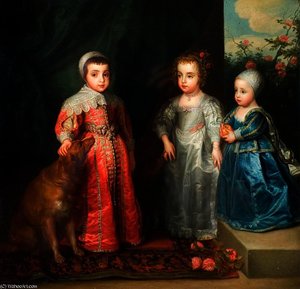
Hänen taiteellistensa taitojensa lisäksi van Dyckilla oli poikkeuksellinen kyky vangita mallien olemus – heidän persoonallisuutensa, sosiaalinen asema ja pyrkimykset. Teokset jatkavat vakuuttamaan yleisöjä kauneudellaan, eleganssillaan ja kestävällä psykologisella syvyydellään. *Balbin lapset*, *Kaarle I kolmessa asennossa* ja lukemattomat muut mestariteokset ovat todiste hänen geniaalisuudestaan, varmistaen että Sir Anthony van Dyck pysyy yhdeksi barokin aikakauden arvostetuimmista taiteilijoista. Hänen vaikutuksensa ulottuu nykyiseen aikaan; Van Dyke -parta on nimetty hänen mukaansa. Hänen elinaikanaan Kaarle I myönsi hänelle ratsion ja hänet haudattiin St Paulin katedraaliin, mikä osoittaa hänen asemaansa tuona aikana.

Pikaista tietoa

  • Medium: Oil on panel
  • Title: Self-Portrait
  • Artistic style: Elegant portraiture
  • Movement: Baroque
  • Year: 1632
  • Location: Private Collection

Taidevisat

Jokaisessa kysymyksessä on vain yksi oikea vastaus.

Kysymys 1:
What is the primary subject of Sir Anthony van Dyck’s ‘Self-Portrait’?
Kysymys 2:
In what year was Sir Anthony van Dyck’s ‘Self-Portrait’ painted?
Kysymys 3:
The blurry background in the ‘Self-Portrait’ serves what purpose?
Kysymys 4:
Sir Anthony van Dyck is best known for his work during which period?
Kysymys 5:
What artistic style is most closely associated with Sir Anthony van Dyck’s work?