Esikatselu
 Jaa teos
 Jaa
Jaa
 Tiedot
 Opas
Opas

 Lataa kuva
 Samanlaisia kohteita
 Röntgenkuvaus
 Diaesitys
 Kysymykset ja vastaukset
 Tilastot
Jupiter and Antiope

- 150.0 x 206.0 cm


 Lue lisää
Giclée- ja taideprintit
Museolaatuisia giclée- tai kankaitaulun tulosteita nopealla tuotannolla ja joustavilla viimeistelyvaihtoehdoilla. ( Osta käsinmaalattu taideteos Siirry digitaaliseen kuvaan)




P118B €10

P118H €10

P118W €10

P438Z €10

P508JH €12

P508YH €12

P805H €10

P805Z €10

P919BZ €10

P919G €10

P919XJ €10

P959ZH €10

P968JZ €12

W106C €8

W218G €10

W218JH €8

W218Y €10

W307PJ €10

W316G €10

W316PJ €8

W316Y €10

W398PJ €8

W4111J €10

W500HY €15

W500JH €15

W692G €12

W849H €8

W940BG €15

W953PJ €8




Valitse valmiista mitoistamme sellaiset, jotka vastaavat teoksen alkuperäisiä mittasuhteita.

Syötä tarvitsemasi leveys ja korkeus, jotta tuloste sopii kehyksiisi tai seinällesi. Tulostetta voidaan vain leikata, sitä ei voida koskaan suurentaa alkuperäistä kuvaa suuremmaksi, joten eri muotoinen koko aiheuttaa osan kuvasta katoamisen. Lähetämme sinulle digitaalisen mallikuvan hyväksyttäväksi ennen kuin aloitamme tulostuksen. Tällä sivulla näkyvä kuva ei näytä lopullista rajausta — vain mallikuva näyttää sen.
Maailmanlaajuinen toimitus () 2 viikossa tavallisen 4–5 viikon sijaan. (7 marraskuu)

Ilmainen pikatoimitus ympäri maailman

Korkealaatuinen pellavakangas

Kattava kuljetusvakuutus

Tulliveron palautustakuu

Takuu täydellisestä värien vastaavuudesta

100 päivän palautusoikeus (vain valmistusvirheet)

100% rahat takaisin -takuu

Määräalennus tarjolla
 Lasivaihtoehto on saatavilla vain alle 110 cm kokoisille teoksille

Jupiter and Antiope
Giclée- ja taideprintit
Replikaatin koko
-


Kokonaishinta
€ 72
A Baroque Encounter: The Divine and the Earthly
In the grand theater of the Baroque era, few moments capture the tension between celestial power and mortal vulnerability as exquisitely as Sir Anthony van Dyck’s "Jupiter and Antiope." Painted around 1620, this monumental canvas serves as a breathtaking window into a world where myth and flesh collide. The scene unfolds with a dramatic intensity that is quintessential to the Flemish Master's early period, presenting us with the god Jupiter—disguised as a wild, muscular satyr—as he descends upon the unsuspecting Antiope. There is an immediate, palpable electricity in the air; the viewer is not merely an observer but a witness to a transformative moment of divine seduction that blurs the lines between the sacred and the profane.
Van Dyck, a protégé of the legendary Peter Paul Rubens, utilizes his profound understanding of movement and anatomy to orchestrate this encounter. The composition is masterfully structured in a pyramidal form, a technique that provides stability to an otherwise turbulent subject. At the apex sits the powerful, dark-toned figure of the satyr, whose presence looms over the pale, luminous form of Antiope. This stark contrast in skin tones—the sun-kissed, rugged texture of the masculine deity against the porcelain, ethereal glow of the maiden—creates a visual rhythm that guides the eye through the swirling drapery and the muscular tension of the figures.
Mastery of Light and Symbolic Depth
The true soul of this masterpiece lies in Van Dyck’s unparalleled command of chiaroscuro. He employs light not merely to illuminate, but to sculpt emotion. An unseen, celestial light source washes over Antiope, highlighting the delicate curves of her form and the silken flow of her hair, casting her as a beacon of innocence amidst the encroaching shadows. This interplay of deep, velvety blacks and brilliant highlights creates a sense of three-dimensional depth that makes the figures appear to breathe within their rocky, atmospheric setting. The background, filled with heavy, brooding clouds and the rugged textures of a cliffside, reinforces the primal nature of the myth.
Every element within the frame is steeped in symbolic resonance. Perched upon a nearby outcrop, an eagle spreads its wings—a silent, watchful emblem of Jupiter’s imperial authority and divine vigilance. While the scene captures a moment of earthly desire, the eagle reminds us of the inescapable gaze of the heavens. Antiope herself represents the idealized feminine virtue of the period, her serene yet vulnerable pose inviting a contemplation on the fragility of purity when confronted by the overwhelming forces of nature and divinity. It is this duality—the erotic tension paired with a sense of cosmic order—that gives the painting its enduring psychological depth.
An Inspiration for the Discerning Collector
For the art lover, the collector, or the interior designer, "Jupiter and Antiope" offers much more than mere decoration; it offers a narrative centerpiece. The painting’s rich palette of deep ochres, shadows, and luminous creams possesses a timeless elegance that can anchor a room with a sense of historical gravity and sophisticated drama. Whether placed in a grand library or a contemporary gallery space, a high-quality reproduction of this work brings with it the prestige of the Flemish Baroque tradition.
Integrating such a piece into a curated collection allows for an exploration of the themes that have captivated humanity for centuries: beauty, power, and the mysteries of the unknown. It is a work that demands attention, sparking conversation and providing a focal point of profound emotional impact. To possess a reproduction of Van Dyck’s brilliance is to invite the dramatic spirit of the 17th century into the modern home, ensuring that the legacy of one of history's greatest portraitists continues to inspire awe and admiration.
Kysymykset ja vastaukset
Mikä on teoksen Antony van Dyck:n "Jupiter and Antiope" luminanssi?
Teoksella Antony van Dyck:n "Jupiter and Antiope" on Soft Shadow luminanssi. Luminanssi kuvaa sitä, kuinka paljon värit näyttävät heijastavan valoa.
Mikä on alkuperäisen Antony van Dyck:n "Jupiter and Antiope" tekniikka ja koko?
"Jupiter and Antiope" on valmistettu tekniikalla Oil On Canvas, ja sen alkuperäinen koko on 150 x 206 cm.
Mikä on teoksen "Jupiter and Antiope" formaatti ja koko?
Antony van Dyck:n "Jupiter and Antiope" on Landscape-tyyppinen teos, jonka alkuperäiset mitat ovat 150 x 206 cm.
Taiteilijan elämäkerta
A Flemish Master at the Courts of Europe
Sir Anthony van Dyck, syntynyt Antwerpenissa vuonna 1599, nousi varhaisena yhdeksi barokin aikakauden arvostetuimmista ja vaikutusvaltaisimmista muotokuvamaalareista. Hänen elämänsä, vaikka päättyikin traagisesti vain neljäkymmentäseitsemältä vuodelta, oli taiteellinen tutkimusmatka ja kuninkaallisten suosioiden myrskyisä kiertue, joka vei hänet synnyinmaastaan Hollantiin Italiaan ja lopulta Englannin kuninkaalliseen hoviin. Jo nuorena van Dyck osoitti poikkeuksellista lahjakkuutta, liitettyään Hendrick van Balenin työpajaan varhaisena oppilaana ja omaksuttuaan nopeasti ajan vallitsevat tyylit. Kuitenkin hänen yhteistyönsä Peter Paul Rubensin kanssa – ei pelkästään opiskelijana vaan myös kollegoina – muotoili todellisesti hänen taiteellisensa perustaansa. Hän oppi Rubensin dynaamisista komposiitioista, rikkaista väripaleteista ja mestarillisesta valon ja varjon käsittelystä, mutta van Dyck alkoi pian luoda omaa, ainutlaatuista polkuaan, joka oli tunnettu eleganssistaan ja hienostumisestaan, jotka muuttuivat hänen tunnusmerkistönsä.Italian Matkat ja Tyylin Synty
Van Dyckin Italiaan viettämät vuodet, alkaen noin 1621, osoittautuivat ratkaiseviksi hänen taiteellisessa kehityksessään. Hän asui pääasiassa Genovassa, jossa hän sai suosiota kaupungin aatelisten keskuudessa. Täällä hän alkoi kehittää tyyliä, josta tuli hänen maineensa – tyyli, joka oli tunnettu sulavasta asennosta, ylellisistä tekstuureista ja lähes aistittavasta kuninkaallisuudesta. Toisin kuin Rubensin usein löydettävä voimakas energia, van Dyckin italialaiset muotokuvat säteilevät hienostunutta hillityisyyttä, vangiten ei vain fyysisen samankaltaisuuden vaan myös mallien sisäisen luonteen ja sosiaalisen aseman. Hän aloitti myös *Iconografian*, huolellisesti renderöidyn muotokuvaetsaustyön, jossa esiintyi monia aikansa merkittäviä henkilöitä – taiteilijoita, tutkijoita ja hallitsijoita. Tämä projekti osoitti hänen poikkeuksellista teknistä taitoaan ja vakiinnutti hänet johtavaksi painokirjailijaksi. Nämä litografiat eivät olleet pelkästään dokumentteja; ne olivat huolellisesti suunniteltuja kuvia, jotka oli tarkoitettu ikuistamaan aiheet ja välittämään heidän aseman ja älykkyytensä.Kuninkaallinen Maalarin Taito: Van Dyck Englannissa
Vuonna 1632 van Dyck sai kutsun, joka muutti hänen uransa peruuttamattomasti – kuningas Kaarle I:n kutsua Englannin kuninkaalliseen hoviin. Tämä nimitys merkitsi käännekohtaa, ei vain van Dyckille vaan myös englantilaiselle muotokuvaukselle. Hän saapui Lontooseen huomattavalla maineellaan ja pian tuli kuningaspalveluksen keskeiseksi henkilöksi, velvollisuuteenaan luoda kuvia, jotka projisoivat voimaa, majesteettisuutta ja jumalallista oikeutta. Van Dyckin muotokuvat Kaarle I:stä ovat erityisen huomionarvoisia; hän poikkesi aiemmin suosituista jäykistä ja muodollisista esitystavista, sen sijaan, että maalaisi kuninkaan dynaanisena, karismaattisena johtajana. Hän hyödynsi innovatiivisia tekniikoita – dramaattista valaistusta, laajoja asentoja ja huolellisesti valittuja taustoja – luodakseen kuvia, jotka olivat sekä visuaalisesti upeita että poliittisesti latautuneita. Hänen vaikutuksensa ulottui myös kuninkaallisen perheen ulkopuolelle, muotoillen englantilaisen aateliston näkemystä yli vuosisatojen ajan. Hän ei maalannut pelkästään muotokuvia; hän loi kuninkaallisuuden kuvan, joka vaikutti siihen, miten kruununjalalla varustettuja hallitsijoita pidettiin.Perintö ja Kestävä Vaikutus
Van Dyckin ennenaikainen kuolema vuonna 1641 vei taiteemaailman poikkeuksellisen lahjakkaan henkilön, mutta hänen perintönsä elää edelleen tänään. Hänen vaikutuksensa englantilaiseen muotokuvaukseen on mittaamaton; hän loi standardin eleganssille ja hienostumiselle, jota myöhemmät taiteilijat pyrkivät jäljittämään.- Tekninen innovointi: Hän oli mestari sekä öljyvärimaalauksessa että litografiassa, kokeillen jatkuvasti uusia tekniikoita.
- Tyylillinen hienostuminen: Hänen muotokuvansa ovat tunnettuja sulavasta asennostaan, ylellisistä tekstuureistaan ja hienovaraisista psykologisista oivalluksistaan.
- Kuninkaallinen vaikutus: Hän muutti englantilaisen kuninkaallisuuden kuvaa luomalla visuaalisen kielen voimasta ja kuninkaallisesta aseman arvosta.
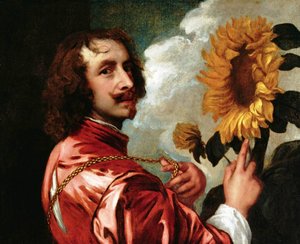
Antony van Dyck
1599 - 1641 , Belgia
Pähkinänkuoressa
- Artistic Movement Or Style: Barokki
- Artists Or Movements Influenced By This Artist: ['Englantilainen muotokuva']
- Artists Who Influenced This Artist: ['Peter Paul Rubens']
- Date Of Birth: 22.3.1599
- Date Of Death: 9.12.1641
- Full Name: Sir Anthony van Dyck
- Nationality: Flemish
- Notable Artworks:
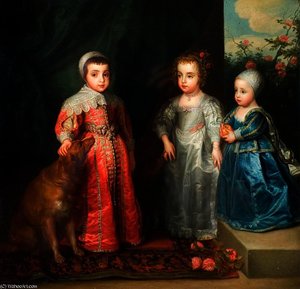
- Nuorten Balbin
- Kuningas Kaarle I
- Place Of Birth: Antwerpen, Belgia
Aiheeseen liittyvät artikkelit

Mastering the Classics: The 25 Greatest Paintings by Nicolas Poussin
Journey through the grandeur of French Baroque with our curated list of the top 25 Nicolas Poussin masterpieces. Explore the stories behind these timeless classical paintings and find museum-quality art reproductions for your decor. Discover all masterpieces on OriginalUniqueArt.com.

10 Iconic Masterpieces That Defined the Baroque Era
Immerse yourself in the drama of Baroque painting. Explore 10 legendary masterpieces, from Caravaggio’s chiaroscuro to Rembrandt's brilliance. Find museum-quality art reproductions and timeless decor inspiration at OriginalUniqueArt.com. Discover all masterpieces on OriginalUniqueArt.com.

Masterpieces of Motion: The Top 25 Greatest Artworks by Peter Paul Rubens
Immerse yourself in the dramatic splendor of Baroque master, Peter Paul Rubens. Explore 25 iconic paintings, from mythological epics to vibrant portraits. Find inspiration for museum-quality art reproductions and luxury decor. Discover all masterpieces on OriginalUniqueArt.com.
10 Iconic Baroque Masterpieces That Changed Art Forever
Step into the drama of the Baroque era. Explore 10 iconic masterpieces featuring dramatic chiaroscuro and legendary artists. Find inspiration for your space with museum-quality art reproductions and curated decor. Discover all masterpieces on OriginalUniqueArt.com.
10 Iconic Baroque Masterpieces That Changed Art Forever
Step into the drama of the Baroque era. Explore 10 iconic masterpieces by legends like Caravaggio and Bernini, featuring breathtaking chiaroscuro and rich textures. Find museum-quality art reproductions for your decor. Discover all masterpieces on OriginalUniqueArt.com.