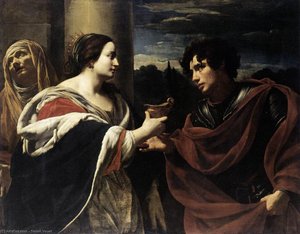
 Katso seinällä
 Lähetä
 Jaa
Jaa
 Tarkemmat tiedot
 Opas
Opas

 Lataa kuva
 Samanlaisia kohteita
 Röntgenkuvaus
 Diaesitys
 Tilastot
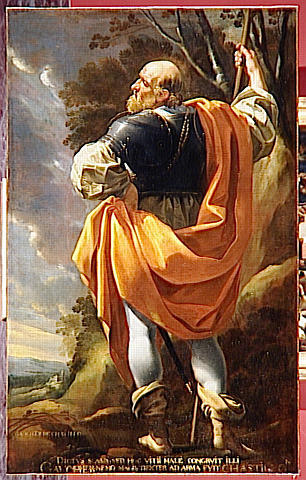
GAUCHER DE CHATILLON


 Lue lisää
Giclée- ja taideprintit
Museolaatuisia giclée- tai kankaitaulun tulosteita nopealla tuotannolla ja joustavilla viimeistelyvaihtoehdoilla. ( Tilaa käsinmaalattu jäljennös Siirry digitaaliseen kuvaan)




P118B €10

P118H €10

P118W €10

P438Z €10

P508JH €12

P508YH €12

P805H €10

P805Z €10

P919BZ €10

P919G €10

P919XJ €10

P959ZH €10

P968JZ €12

W106C €8

W218G €10

W218JH €8

W218Y €10

W307PJ €10

W316G €10

W316PJ €8

W316Y €10

W398PJ €8

W4111J €10

W500HY €15

W500JH €15

W692G €12

W849H €8

W940BG €15

W953PJ €8




Valitse valmiista mitoistamme sellaiset, jotka vastaavat teoksen alkuperäisiä mittasuhteita.

Kirjoita tarvitsemasi leveys ja korkeus, jotta tuloste sopii kehyskokoon tai seinällesi. Tulostetta voidaan vain leikata, sitä ei voi koskaan tehdä suuremmaksi kuin alkuperäinen kuva, joten eri muotoinen koko aiheuttaa osan kuvasta katoamisen. Lähetämme sinulle digitaalisen mallikuvan hyväksyttäväksi ennen kuin aloitamme tulostuksen. Tällä sivulla näkyvä kuva ei näytä lopullista leikkausta — vain mallikuva näyttää sen.
Maailmanlaajuinen toimitus () 2 viikossa tavallisen 4–5 viikon sijaan. (20 lokakuu)

Ilmainen pikatoimitus ympäri maailman

Korkealaatuinen pellavakangas

Kattava kuljetusvakuutus

Tulliveron palautustakuu

Takuu täydellisestä värien vastaavuudesta

100 päivän palautusoikeus valmistusvirhetapauksissa

100% rahat takaisin -takuu

Määräalennus saatavilla
 Lasivaihtoehto on saatavilla vain alle 110 cm kokoisille teoksille

GAUCHER DE CHATILLON
Giclée- ja taideprintit
Replikaatin koko
-


Kokonaishinta
€ 70
A Glimpse into Nobility: Simon Vouet's "Gaucher de Châtillon"
Step into the world of 17th-century French Baroque artistry with this striking portrait of Gaucher de Châtillon, a significant figure rendered by the masterful hand of Simon Vouet. This captivating oil painting offers more than just a likeness; it's a window into an era defined by grandeur, religious contemplation, and burgeoning artistic innovation.
Subject & Historical Context
- The Subject: Gaucher de Châtillon (c. 1503 – 1569) was a prominent French military leader and diplomat, serving as Constable of France under King Francis I. His position placed him at the heart of significant political and military events during the Renaissance.
- Historical Significance: The painting reflects a period of transition in France, marked by religious tensions (the Reformation), evolving courtly life, and increasing influence from Italian artistic trends. Vouet's return to France after years spent immersed in the Italian Baroque scene played a crucial role in introducing these styles to the French court.
- Commission & Patronage: While the exact circumstances of this commission remain somewhat unclear, it’s likely that the portrait was intended for display within a noble household or perhaps even commissioned by Châtillon himself during his lifetime.
Baroque Style and Artistic Technique
- Baroque Characteristics: The painting exemplifies key characteristics of Baroque art – dramatic lighting (chiaroscuro), dynamic composition, and an emphasis on realism. Notice how the light source illuminates Gaucher's upper body, creating a powerful contrast with the shadows that define his form.
- Vouet’s Technique: Simon Vouet was renowned for his skillful use of oil paint. The visible brushstrokes contribute to the texture and depth of the work. Glazing techniques are evident in the subtle color variations within the skin tones and clothing, adding a richness and luminosity to the portrait.
- Compositional Elements: The vertical orientation emphasizes Gaucher’s stature and upward gaze, suggesting contemplation or reverence. The diagonal line created by his arm and staff draws the viewer's eye upwards towards the sky, further reinforcing this sense of spiritual seeking. The landscape in the background provides depth and context while not distracting from the central figure.
Symbolism & Emotional Impact
- Posture & Expression: Gaucher’s serious expression and dignified posture convey a sense of determination and authority. His upward gaze suggests introspection, perhaps reflecting on his military career or contemplating divine matters.
- Attire & Status: The classical attire – the armor and flowing garments – signifies Gaucher's nobility and high-ranking position within French society. The details in the clothing demonstrate Vouet’s attention to realism and his ability to capture the textures of different fabrics.
- Landscape as Symbolism: The cloudy sky and distant landscape could symbolize the vastness of time, the uncertainties of life, or even a sense of divine presence overseeing human affairs.
A Timeless Masterpiece
“Gaucher de Châtillon” by Simon Vouet is more than just a portrait; it's a testament to the artistic brilliance of the Baroque era and a fascinating glimpse into the life of a significant historical figure. Its dramatic lighting, meticulous detail, and evocative symbolism combine to create a work that continues to captivate viewers centuries later.
Kysymykset ja vastaukset
Voinko nähdä teoksen Simon Vouet:n "GAUCHER DE CHATILLON" eri valaistuksissa?
Teoksen Simon Vouet:n "GAUCHER DE CHATILLON" X-säteily -sivu on interaktiivinen katseluohjelma, jonka avulla voit selata teoksen kuvan ydintä läpi yhdennellätoista optisella kerroksella, mukaan lukien röntgenkuvamainen näkymä.
Kuka on luonut "GAUCHER DE CHATILLON"?
Teoksen "GAUCHER DE CHATILLON" taiteilija on Simon Vouet. Teos on luetteloitu Simon Vouet nimellä.
Mikä hallitseva sävy lävistää teoksen Simon Vouet:n "GAUCHER DE CHATILLON"?
"GAUCHER DE CHATILLON" vivahtaa Golden Yellow Range sävyyn.
Taiteilijan elämäkerta
Simon Vouet: Ranskan barokin pioneeri ja italialaisen taiteen tuoja
Simon Vouet, syntyjään pariisilainen taidemaalari, oli keskeinen hahmo siinä merkittävässä muutoksessa, jonka myötä ranskalainen maalaustaide kääntyi pois maniiritaiteesta ja omaksui barokin loisteliaan tyylin. Hänen tarinansa on kiehtova yhdistelmä perheperintöä, nuoruuden kunnianhimoa, Italian taiteellisten virtauksien syvällistä vaikutusta ja lopulta merkittävää roolia ranskalaisen taiteen uudistamisessa. Laurent Vouetin poikana Simon sai varhaisen pohjan taiteelliselle matkalleen, ja hänen veljensä Aubin jatkoi perheen taiteellista perinnettä. Myöhemmin hänen lapsenlapsensa Ludovico Dorigny kantoi suvun nimeä eteenpäin, osoittaen Vouetin vaikutuksen ulottuvan sukupolvien yli.
Nuoruusvuodet ja Italian vaikutteet
Vouetin taiteellinen matka alkoi jo varhain lupaavasti. Nuorena poikana hän työskenteli muotokuvamaalarina, osoittaen nopeasti lahjakkuutensa. Jo 14-vuotiaana hänet kutsuttiin Englantiin maalaamaan tilaustyönä oleva muotokuva, mikä kertoo hänen jo tuolloisesta kasvavasta maineestaan. Vuonna 1611 hän liittyi baron de Sancy’n seuraan, ranskalaisen suurlähettilään matkaan Osmanien valtakuntaan, jälleen pääosin muotokuvamaalauksia varten. Tämä seikkailu vei hänet Konstantinopoliin ja myöhemmin Venetsiaan vuonna 1612. Mutta todellinen käännekohta hänen urallaan oli siirtyminen Italiaan, erityisesti Roomaan vuosiksi 1614–1627.
Rooman vuodet olivat Vouetille mullistavia. Hän uppoutui täysin kaupungin eloisaan taiteelliseen ilmapiiriin ja imi itseensä barokin alkuaikojen vaikutteita. Caravaggion dramaattiset valotekniikat, italialaisten maniirimaalareiden hienostuneisuus sekä Paolo Veronesen väripaletit ja di sotto in su -näkökulma (yltäisestä perspektiivistä) vaikuttivat syvästi hänen taiteelliseen kehitykseensä. Hän ei kuitenkaan rajoittunut vain yhteen tyyliin; hän ammentoi inspiraatiota myös Carraccin, Guercinon, Lanfranon ja Guido Renin teoksista, sulauttaen nämä moninaiset vaikutteet ainutlaatuiseksi taiteelliseksi visioksi.
Tyylin kehitys ja paluu Ranskaan
Vouetin menestys Roomassa huipentui hänen valintaansa arvostetun Accademia di San Lucan presidentiksi vuonna 1624, mikä todisti hänen taitonsa ja tunnustuksensa italialaisessa taidemaailmassa. Hänen tyylinsä erottui kyvystään omaksua ja jalostaa erilaisia vaikutteita, luoden samalla oman tunnistettavan ilmaisunsa. Vuonna 1627 kuningas Ludvig XIII kutsui Vouetin takaisin Pariisiin nimittäen hänet hovin päämaalariksi – merkittävä kunnianosoitus, joka avasi oven lukemattomille mahdollisuuksille.
Vouet ei ainoastaan palannut Ranskaan, vaan hän toi mukanaan uuden taiteellisen hengityksen. Hänen tyylinsä, jossa yhdistyivät italialainen barokin loisto ja ranskalainen hienostuneisuus, vastasi täydellisesti ajan makua. Hän loi lähes kaikki kaupungin tärkeimmät taideprojektit seuraavien viidentoista vuoden aikana ja hallitsi Ranskan taidemaailmaa. Hänen vaikutuksensa ulottui uskonnollisiin maalauksiin, allegorisiin teoksiin ja muotokuviin, ja hän oli mukana useissa suurissa koristeluhankkeissa.
Perintö ja merkitys
Simon Vouet ei ollut pelkästään taitava taidemaalari; hän oli myös lahjakas opettaja. Hänen laajasta työpajastaan lähti lukuisia oppilaita, kuten Charles Le Brun, Valentin de Boulogne, Hubert Le Sueur ja Pierre Mignard, jotka muovasivat ranskalaisen maalaustaidon seuraavaa sukupolvea. Vouetin perintö elää edelleen hänen oppilaidensa teoksissa ja hänen omassa tyylissään, joka loi pohjan ranskalaiselle barokille. Hänen kykyynsä yhdistää italialainen loisto ja ranskalainen eleganssi teki hänestä keskeisen hahmon 1600-luvun ranskalaisen taiteen kehityksessä.
Vouetin merkitys piilee hänen roolissaan sillanrakentajana Italian ja Ranskan taiteellisten maailmojen välillä. Hän toi onnistuneesti italialaisen barokin dynaamisuuden ja loiston Ranskaan, muuttaen sen ranskalaisen hovin ja aateliston makua vastaavaksi tyyliksi. Hänen vaikutuksensa on kiistaton ranskalaisen maalaustaidon kehityksessä 1600-luvulla, ja hänen panoksensa tunnustetaan edelleen nykyään taidehistorioitsijoiden keskuudessa.

Simon Vouet
1590 - 1649 , Ranska
Tietoa taiteilijasta
- Artistic Movement Or Style: Barokkimainen taide
- Artists Or Movements Influenced By This Artist:
- Charles Le Brun
- Valentin de Boulogne
- Ranskalainen barokki
- Artists Who Influenced This Artist:
- Caravaggio
- Paolo Veronese
- Carracci
- Guercino
- Lanfranco
- Guido Reni
- Date Of Birth: 9. tammikuuta 1590
- Date Of Death: 30. kesäkuuta 1649
- Full Name: Simon Vouet
- Nationality: Ranskalainen
- Place Of Birth: Pariisi, Ranska
Aiheeseen liittyvät artikkelit
Baroque Classicism: Reconciling Drama & Order in 17th-Century Art
Explore the captivating world of Baroque Classicism! Discover its history, key artists like Caravaggio & Rubens, and defining characteristics. Expert insights & high-quality reproductions at OriginalUniqueArt.

Baroque Classicism: The Grandeur of Order and Drama in 17th-Century Art History
Explore the profound elegance of Baroque Classicism. Discover how 17th-century masters synthesized dramatic emotion with classical order through the lens of the Counter-Reformation and the works of legends like Carlo Maratta and Andrea Sacchi.
Charles Le Brun: Master of French Baroque Classicism & His Enduring Legacy
Explore the life & art of Charles Le Brun, master of French Baroque Classicism. Discover his royal commissions, influence on Versailles, and enduring legacy through detailed analysis & stunning artworks.
Baroque Classicism: A Professional Guide to Integrating Timeless Grandeur into Luxury Hotel Interiors
Elevate luxury hospitality with Baroque Classicism. Our guide for hotel designers explores integrating grand, classical oil reproductions into professional interiors. Discover efficient bulk procurement, custom sizing, and large-format murals to create timeless, high-impact spaces.
Simon Vouet: A Baroque Master's Journey from Italian Influence to French Classicism
Explore the life & art of Simon Vouet, a pivotal French Baroque painter who introduced Italian styles to France. Discover his masterpieces and lasting influence on 17th-century art.