

 Katso seinällä
 Lähetä
 Jaa
Jaa
 Tarkemmat tiedot
 Opas
Opas

 Lataa kuva
 Samanlaisia kohteita
 Röntgenkuvaus
 Diaesitys
 Tilastot
Grass and Insects


 Lue lisää
Käsinmaalattu öljyvärinen jäljennös
Käsinmaalattu öljyväri kankaalle haluamassasi koossa ja kehyksissä, taiteilijoidemme valmistamana tilauksesta. ( Vaihda tulosteeseen Siirry digitaaliseen kuvaan)




P118B €10

P118H €10

P118W €10

P438Z €10

P508JH €12

P508YH €12

P805H €10

P805Z €10

P919BZ €10

P919G €10

P919XJ €10

P959ZH €10

P968JZ €12

W106C €8

W218G €10

W218JH €8

W218Y €10

W307PJ €10

W316G €10

W316PJ €8

W316Y €10

W398PJ €8

W4111J €10

W500HY €15

W500JH €15

W692G €12

W849H €8

W940BG €15

W953PJ €8




Valitse valmiista mitoistamme sellaiset, jotka vastaavat teoksen alkuperäisiä mittasuhteita.

Kirjoita tarvitsemasi leveys ja korkeus, jotta teos sopii kehyskehyksiisi tai seinällesi. Koska kyseessä on käsinmaalattu teos, taiteilija voi maalata hieman enemmän kuvan ympärille tai rajata sitä hieman, jos haluat eri muotoisen koon — valinta on sinun. Lähetämme sinulle digitaalisen mallikuvan hyväksyttäväksi ennen kuin maalaus alkaa. Tällä sivulla näkyvä kuva ei vastaa lopullista tulosta — vain mallikuva näyttää sen.
Tilauksen jälkeen OriginalUniqueArt.com -tiimi lähettää asiakkaalle sähköpostitse ohjeet ja esikatselukuvan.
Maailmanlaajuinen toimitus () 3–4 viikossa tavallisen 5 viikon sijaan. (25 lokakuu). Laadusta ei tingitä.

Ilmainen pikatoimitus ympäri maailman

Korkealaatuinen pellavakangas

Kattava kuljetusvakuutus

Tulliveron palautustakuu

Takuu täydellisestä värien vastaavuudesta

100 päivän palautusoikeus valmistusvirhetapauksissa

100% rahat takaisin -takuu

Määräalennus saatavilla
 Lasivaihtoehto on saatavilla vain alle 110 cm kokoisille teoksille

Grass and Insects
Reproduktiotapa
Replikaatin koko
-


Kokonaishinta
€ 263
Sin Saimdang's "Grass and Insects": A Window into Joseon Dynasty Korea
“Grass and Insects,” painted in 1500 by the remarkable Sin Saimdang, offers a captivating glimpse into the artistic sensibilities of the Joseon dynasty. This exquisite piece, part of a ten-panel folding screen, transcends mere botanical illustration; it’s a vibrant testament to a woman's creative genius within a rigidly structured society. Born in Gangneung in 1504, Saimdang was far more than just a painter – she was a poet, calligrapher, and writer, deeply connected to her family’s legacy at Ojukheon, a site still preserved as a cultural treasure today. The painting's meticulous detail and luminous colors speak volumes about the artistic traditions of the time, reflecting a profound appreciation for nature’s beauty and a mastery of brushwork that would influence generations of Korean artists.
A Symphony of Natural Detail
The scene depicted is a meticulously rendered garden teeming with life. Saimdang's skill lies in her ability to capture the essence of each element – from the plump watermelons and vibrant eggplants to the delicate poppies, hibiscus, and intricate patterns of cockscomb feathers and princess flowers. A remarkable array of insects populate the composition: long-headed grasshoppers, frogs, lizards, dragonflies, dung beetles, mantises, and cicadas, each rendered with astonishing precision. The inclusion of bees flitting around a purple flower highlights the artist's keen observation of the natural world and her ability to translate it onto silk. This isn’t simply a representation; it’s an immersive experience of a Korean garden at its most vibrant.
Technique and Symbolism
The painting is executed with characteristic fine brushstrokes, a hallmark of Saimdang's style, and employs vivid colors achieved through mineral pigments – a testament to the sophisticated techniques employed during the Joseon period. The tenth panel adds another layer of meaning, featuring a critique by O Sechang, a prominent art critic of the time. This suggests that Saimdang’s work was not only admired for its aesthetic qualities but also subjected to rigorous artistic evaluation, reflecting the importance placed on scholarly discourse within Korean art circles. The selection of specific plants and insects likely held symbolic significance, though interpretations vary; watermelons often represented prosperity, while certain flowers were associated with particular virtues or seasons.
Historical Context and Legacy
Created in 1500, “Grass and Insects” provides a valuable window into the artistic landscape of the Joseon dynasty. Saimdang’s work stands as a remarkable achievement for a woman operating within a patriarchal society where artistic pursuits were often considered secondary to domestic duties. Her influence extended beyond her own creations; she mentored younger artists and contributed significantly to the development of Korean painting techniques. Today, reproductions of this stunning artwork offer an opportunity to appreciate not only Saimdang’s exceptional talent but also the rich cultural heritage of Korea – a legacy that continues to inspire awe and admiration.
Kysymykset ja vastaukset
Mikä on teoksen Shin Saimdang:n "Grass and Insects" hallitseva väri?
Driftwood (#c99865) on Shin Saimdang:n "Grass and Insects" -teoksen hallitseva väri.
Mistä voin hankkia painoksen teoksesta Shin Saimdang:n "Grass and Insects"?
Teoksen Shin Saimdang:n "Grass and Insects" painos on tilattavissa suoraan sen Taidevedos -sivulta: taideteosvedos puuvillakangas- tai arkistoluokan kankaalle painettuna.
Miten "Grass and Insects" sijoittuu Shin Saimdang'n toistuvien aiheiden joukkoon?
Shin Saimdang:n tunnettujen teemojen – an gyeon influence, korean court culture, female artistic legacy, ten-panel screen format, o sechang critique – joukossa "Grass and Insects" tuo oman painopisteensä aiheeseen korean painting, shin saimdang, folding screen, plants & insects, joseon dynasty, calligraphy critique, garden scene.
Taiteilijan elämäkerta
edelläkävijänä toimiva naisartisti Joseon-dynastian Koreassa
shin saimdang, eteläkorealainen monilahjakkuus, eli Joseon-kaudella ja jätti peruuttamattoman jäljen Korean taidehistoriaan. Hän syntyi 29. lokakuuta 1504 Gangneungiin, Gangwonin maakuntaan, ja hän ei ollut ainoastaan mestarillinen maalaaja, vaan myös taitava kirjailija, kalligrafi ja runoilija.nuoruus ja taiteelliset ensiaskeleet
shin saimdangin taiteelliset kyvyt olivat nähtävissä jo hyvin varhain. Jo seitsemänvuotiaana hän alkoi jäljitellä toisen merkittävän korean taiteilijan, an gyeonin, maalaustyyliä. Hänen syntymäkotiinsa, Ojukheoniin, joka on myös hänen äidin sukujensa koti, on säilynyt hyvin tähän päivään asti.taiteelliset saavutukset ja tyyli
shin saimdangin maalaukset, joille ovat ominaisia hienovaraiset siveltimenvedot ja eloisat värit, ovat osa kymmenpaneelista sermiä. Hänen teoksensa, kuten ruoho ja hyönteiset, esittävät monipuolista aiheistoa, johon kuuluvat muun muassa vesimelonit, munakoisot, unikot, hibiskukset ja erilaiset hyönteiset. Nämä maalaukset ovat nähtävissä Korean kansallismuseossa (Soul, Etelä-Korea), missä ne jatkavat taiteen ystävien inspiroimista.- tutustu shin saimdangin teoksiin OriginalUniqueArtssa: https://OriginalUniqueArt.com/@/shin-saimdang
- tutki Korean kansallismuseon kokoelmia: /en/art/show/national-museum-of-korea-seoul/
- löydä lisää Joseon-dynastian taidesuuntauksesta: the joseon dynasty art movement
perintö ja vaikutus
shin saimdangin perintö ulottuu laajemmalle kuin pelkkä hänen taiteensa, sillä hänet tunnetaan myös Joseon-dynastian kuuluisan oppineen ja poliitikon yi i:n äitinä. Hänen elämänsä ja työnsä toimivat inspiraationa monille, ilmentäen Korean taiteen ydintä Joseon-kaudella. shin saimdangin keskeisiä teoksia:- ruoho ja hyönteiset (Korean kansallismuseo, Soul, Etelä-Korea)
- muita merkittäviä teoksia, joille on ominaista hienovaraiset siveltimenvedot ja kirkkaat, eloisat värit, osana kymmenpaneelista sermiä.
- an gyeon, toinen Joseon-kauden alun merkittävä korean maalaaja.

Shin Saimdang
1504 - 1551 , Etelä-Korea
Tietoa taiteilijasta
- Artistic Movement Or Style: Joseon-dynastian taide
- Artists Or Movements Influenced By This Artist: Joseon-dynastian taide
- Artists Who Influenced This Artist: An Gyeon
- Date Of Birth: 29. lokakuuta 1504
- Date Of Death: 1551
- Full Name: Shin Saimdang
- Nationality: Korealainen
- Notable Artworks: ['Ruoho ja hyönteiset']
- Place Of Birth: Gangneung, Etelä-Korea
Aiheeseen liittyvät artikkelit
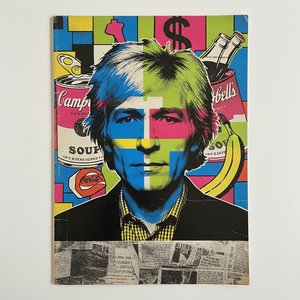
Andy Warhol: Deconstructing Pop Culture & Redefining Artistic Expression
Explore the revolutionary art of Andy Warhol & the Pop Art movement. Discover his iconic techniques, cultural impact, and investment potential. A guide for discerning collectors.
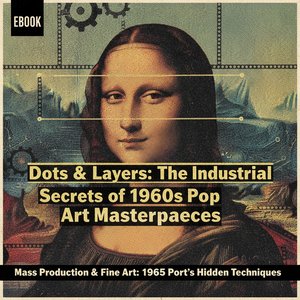
Dots & Screens: The Industrial Secrets Behind 1960s Pop Art Masterpieces
Explore the industrial secrets of 1960s Pop Art. Discover how Ben-Day dots and silk screening transformed mass media into masterpieces by Roy Lichtenstein. An in-depth look at the intersection of mechanical printing and fine art history for students and collectors.

Beyond the Screen: Transforming Personal Memories into Timeless AI-Driven Anime Masterpieces
Experience the magic of digital metamorphosis. Transform your cherished photos into stunning, hand-painted anime masterpieces using our proprietary AI technology and professional artists. Elevate your personal story with a timeless, high-quality oil painting on canvas.
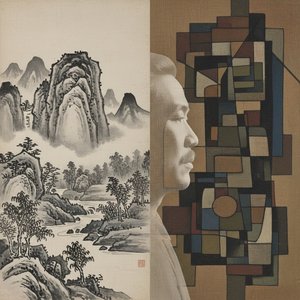
Yi Eungro: Bridging East & West in the Landscape of Korean Modernism
Explore the captivating world of Yi Eungro (Lee Ungno), a pivotal figure in Korean modernism. Discover his unique fusion of Eastern and Western artistic traditions, abstract masterpieces, and lasting legacy. A must-read for discerning art collectors.
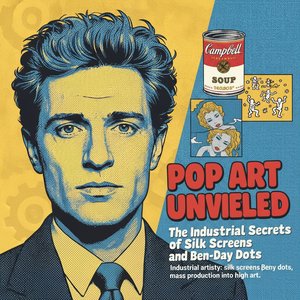
Pop Art Unveiled: The Industrial Secrets of Silk Screens and Ben-Day Dots
Explore the industrial artistry of Pop Art. Delve into the sophisticated history of Ben-Day dots and silk screen techniques that transformed mass media into high art, perfect for discerning collectors seeking deep historical insight and aesthetic excellence.