

 Katso seinällä
 Lähetä
 Jaa
Jaa
 Tarkemmat tiedot
 Opas
Opas

 Lataa kuva
 Samanlaisia kohteita
 Röntgenkuvaus
 Diaesitys
 Tilastot
Grass and Insects


 Lue lisää
Giclée- ja taideprintit
Museolaatuisia giclée- tai kankaitaulun tulosteita nopealla tuotannolla ja joustavilla viimeistelyvaihtoehdoilla. ( Tilaa käsinmaalattu jäljennös Siirry digitaaliseen kuvaan)




P118B €10

P118H €10

P118W €10

P438Z €10

P508JH €12

P508YH €12

P805H €10

P805Z €10

P919BZ €10

P919G €10

P919XJ €10

P959ZH €10

P968JZ €12

W106C €8

W218G €10

W218JH €8

W218Y €10

W307PJ €10

W316G €10

W316PJ €8

W316Y €10

W398PJ €8

W4111J €10

W500HY €15

W500JH €15

W692G €12

W849H €8

W940BG €15

W953PJ €8




Valitse valmiista mitoistamme sellaiset, jotka vastaavat teoksen alkuperäisiä mittasuhteita.

Kirjoita tarvitsemasi leveys ja korkeus, jotta tuloste sopii kehyskokoon tai seinällesi. Tulostetta voidaan vain leikata, sitä ei voi koskaan tehdä suuremmaksi kuin alkuperäinen kuva, joten eri muotoinen koko aiheuttaa osan kuvasta katoamisen. Lähetämme sinulle digitaalisen mallikuvan hyväksyttäväksi ennen kuin aloitamme tulostuksen. Tällä sivulla näkyvä kuva ei näytä lopullista leikkausta — vain mallikuva näyttää sen.
Maailmanlaajuinen toimitus () 2 viikossa tavallisen 4–5 viikon sijaan. (25 lokakuu)

Ilmainen pikatoimitus ympäri maailman

Korkealaatuinen pellavakangas

Kattava kuljetusvakuutus

Tulliveron palautustakuu

Takuu täydellisestä värien vastaavuudesta

100 päivän palautusoikeus valmistusvirhetapauksissa

100% rahat takaisin -takuu

Määräalennus saatavilla
 Lasivaihtoehto on saatavilla vain alle 110 cm kokoisille teoksille

Grass and Insects
Giclée- ja taideprintit
Replikaatin koko
-


Kokonaishinta
€ 70
Shin Saimdang’s “Grass and Insects”: A Symphony of Color and Quiet Observation
Shin Saimdang (1504–1551), a trailblazing female artist in Joseon dynasty Korea, stands as an emblem of intellectual curiosity and artistic prowess—a woman who defied societal constraints to pursue her passions for poetry, calligraphy, and painting. Her legacy resides not merely in the exquisite beauty of her artwork but also in its profound reflection of the era’s cultural values and philosophical ideals. This examination delves into “Grass and Insects,” one of her most celebrated panels from a monumental ten-panel folding screen—a masterpiece that encapsulates Saimdang's distinctive artistic vision and offers invaluable insight into Korean art history.A Window Into Joseon Aesthetic Principles
“Grass and Insects” exemplifies the dominant aesthetic sensibilities of the late 16th century, characterized by meticulous detail, harmonious color palettes, and a reverence for nature’s subtle grandeur. The screen embodies Neo-Confucian ideals—a belief system that prioritized moral cultivation alongside intellectual pursuits—reflected in Saimdang's careful composition and her masterful execution of brushstrokes. Unlike Western art traditions focused on dramatic narratives or idealized figures, Korean painting during this period favored contemplative scenes depicting landscapes and flora, intended to inspire serenity and contemplation. The screen’s overall design adheres to the principles of “Yonghwa,” meaning “harmonious beauty”—a concept central to Joseon artistic philosophy that sought to achieve balance between form and content.Technique and Material Considerations
Saimdang employed a technique rooted in meticulous observation and painstaking layering—a hallmark of Korean painting at the time. Using mineral pigments mixed with animal glue, she achieved remarkable luminosity and vibrancy, capturing the delicate textures of grass blades and the iridescent sheen of insects’ wings. The screen's surface is covered with thin layers of lacquer, providing protection while enhancing the colors and creating a tactile experience for the viewer. Furthermore, Saimdang skillfully utilized “Ma,” or negative space—a technique that deliberately leaves areas unfilled to create visual balance and emphasize the subject matter—demonstrating an understanding of compositional principles that transcended mere representation. The careful blending of pigments and meticulous brushwork contribute to the screen’s enduring beauty and artistic significance.Symbolism: Echoes of Confucian Thought
Beyond its technical brilliance, “Grass and Insects” resonates with deeper symbolic meanings rooted in Confucian cosmology—a worldview that viewed humanity as intrinsically linked to the natural world. The depiction of various insects—including beetles, dragonflies, cicadas, and moths—represents transformation and renewal—themes central to Confucian teachings concerning reincarnation and moral progress. Similarly, the inclusion of flowers like hibiscus, poppies, and lilies symbolizes purity and virtue—values upheld by Joseon society as markers of moral excellence. The meticulous rendering of grass blades underscores the importance of simplicity and humility—qualities considered essential for achieving inner harmony and cultivating compassion.Emotional Resonance: A Moment Frozen in Time
“Grass and Insects” transcends mere visual representation; it evokes a profound emotional response—a feeling of tranquility and appreciation for the beauty of the natural world. The screen’s muted color palette—dominated by greens, blues, and reds—creates an atmosphere of serenity and contemplation—inviting viewers to pause and reflect on the passage of time. Saimdang's masterful brushwork conveys a sense of quiet observation—capturing not just what is seen but also what is felt—a testament to her artistic sensitivity and her ability to communicate complex ideas through subtle visual cues. Viewing this artwork inspires contemplation about the interconnectedness of humanity and nature, reminding us of the enduring power of art to elevate our spirits and enrich our understanding of the human experience.Concluding Remarks: An Artistic Legacy Enduring Through Centuries
Shin Saimdang’s “Grass and Insects” remains a cornerstone of Korean art history—a testament to her artistic genius and her unwavering commitment to intellectual pursuits. Its harmonious composition, masterful technique, and evocative symbolism continue to captivate audiences today—serving as an enduring reminder of Joseon dynasty Korea's aesthetic ideals and its profound appreciation for the natural world. The screen’s legacy extends beyond its visual splendor; it embodies a spirit of contemplation and moral cultivation—values that resonate powerfully across cultures and generations—solidifying Saimdang’s place as one of Korea’s most celebrated artists and an inspiration to aspiring creatives everywhere.Kysymykset ja vastaukset
Kuinka tunnettu teos "Grass and Insects" on, jonka on luonut Shin Saimdang?
Teoksen Shin Saimdang:n "Grass and Insects" suosiotaso on Recognized.
Minä vuonna teos Shin Saimdang:n "Grass and Insects" on luotu?
Shin Saimdang:n "Grass and Insects" on luotu vuonna 1500.
Voiko teoksen Shin Saimdang:n "Grass and Insects" kuvaa käyttää vapaasti jäljentämiseen?
Shin Saimdang:n "Grass and Insects" on tekijänoikeusvapaa – sen tekijänoikeussuoja on päättynyt. Tämä tila määrittää, miten teoksen kuvaa saa käyttää uudelleen.
Taiteilijan elämäkerta
edelläkävijänä toimiva naisartisti Joseon-dynastian Koreassa
shin saimdang, eteläkorealainen monilahjakkuus, eli Joseon-kaudella ja jätti peruuttamattoman jäljen Korean taidehistoriaan. Hän syntyi 29. lokakuuta 1504 Gangneungiin, Gangwonin maakuntaan, ja hän ei ollut ainoastaan mestarillinen maalaaja, vaan myös taitava kirjailija, kalligrafi ja runoilija.nuoruus ja taiteelliset ensiaskeleet
shin saimdangin taiteelliset kyvyt olivat nähtävissä jo hyvin varhain. Jo seitsemänvuotiaana hän alkoi jäljitellä toisen merkittävän korean taiteilijan, an gyeonin, maalaustyyliä. Hänen syntymäkotiinsa, Ojukheoniin, joka on myös hänen äidin sukujensa koti, on säilynyt hyvin tähän päivään asti.taiteelliset saavutukset ja tyyli
shin saimdangin maalaukset, joille ovat ominaisia hienovaraiset siveltimenvedot ja eloisat värit, ovat osa kymmenpaneelista sermiä. Hänen teoksensa, kuten ruoho ja hyönteiset, esittävät monipuolista aiheistoa, johon kuuluvat muun muassa vesimelonit, munakoisot, unikot, hibiskukset ja erilaiset hyönteiset. Nämä maalaukset ovat nähtävissä Korean kansallismuseossa (Soul, Etelä-Korea), missä ne jatkavat taiteen ystävien inspiroimista.- tutustu shin saimdangin teoksiin OriginalUniqueArtssa: https://OriginalUniqueArt.com/@/shin-saimdang
- tutki Korean kansallismuseon kokoelmia: /en/art/show/national-museum-of-korea-seoul/
- löydä lisää Joseon-dynastian taidesuuntauksesta: the joseon dynasty art movement
perintö ja vaikutus
shin saimdangin perintö ulottuu laajemmalle kuin pelkkä hänen taiteensa, sillä hänet tunnetaan myös Joseon-dynastian kuuluisan oppineen ja poliitikon yi i:n äitinä. Hänen elämänsä ja työnsä toimivat inspiraationa monille, ilmentäen Korean taiteen ydintä Joseon-kaudella. shin saimdangin keskeisiä teoksia:- ruoho ja hyönteiset (Korean kansallismuseo, Soul, Etelä-Korea)
- muita merkittäviä teoksia, joille on ominaista hienovaraiset siveltimenvedot ja kirkkaat, eloisat värit, osana kymmenpaneelista sermiä.
- an gyeon, toinen Joseon-kauden alun merkittävä korean maalaaja.

Shin Saimdang
1504 - 1551 , Etelä-Korea
Tietoa taiteilijasta
- Artistic Movement Or Style: Joseon-dynastian taide
- Artists Or Movements Influenced By This Artist: Joseon-dynastian taide
- Artists Who Influenced This Artist: An Gyeon
- Date Of Birth: 29. lokakuuta 1504
- Date Of Death: 1551
- Full Name: Shin Saimdang
- Nationality: Korealainen
- Notable Artworks: ['Ruoho ja hyönteiset']
- Place Of Birth: Gangneung, Etelä-Korea
Aiheeseen liittyvät artikkelit
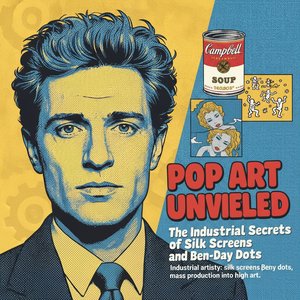
Pop Art Unveiled: The Industrial Secrets of Silk Screens and Ben-Day Dots
Explore the industrial artistry of Pop Art. Delve into the sophisticated history of Ben-Day dots and silk screen techniques that transformed mass media into high art, perfect for discerning collectors seeking deep historical insight and aesthetic excellence.
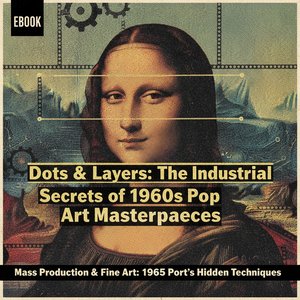
Dots & Screens: The Industrial Secrets Behind 1960s Pop Art Masterpieces
Explore the industrial secrets of 1960s Pop Art. Discover how Ben-Day dots and silk screening transformed mass media into masterpieces by Roy Lichtenstein. An in-depth look at the intersection of mechanical printing and fine art history for students and collectors.

Beyond the Screen: Transforming Personal Memories into Timeless AI-Driven Anime Masterpieces
Experience the magic of digital metamorphosis. Transform your cherished photos into stunning, hand-painted anime masterpieces using our proprietary AI technology and professional artists. Elevate your personal story with a timeless, high-quality oil painting on canvas.
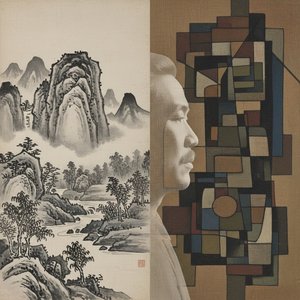
Yi Eungro: Bridging East & West in the Landscape of Korean Modernism
Explore the captivating world of Yi Eungro (Lee Ungno), a pivotal figure in Korean modernism. Discover his unique fusion of Eastern and Western artistic traditions, abstract masterpieces, and lasting legacy. A must-read for discerning art collectors.
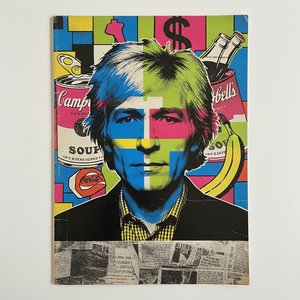
Andy Warhol: Deconstructing Pop Culture & Redefining Artistic Expression
Explore the revolutionary art of Andy Warhol & the Pop Art movement. Discover his iconic techniques, cultural impact, and investment potential. A guide for discerning collectors.