
 Esikatselu
 Jaa teos
 Jaa
Jaa
 Tiedot
 Opas
Opas

 Lataa kuva
 Samanlaisia kohteita
 Röntgenkuvaus
 Diaesitys
 Kysymykset ja vastaukset
 Tilastot
Kaavu

- 85.0 x 64.0 cm


 Lue lisää
Tällä sivulla esitettyä taideteosta suojaa tekijänoikeuslaki, mikä tarkoittaa, ettemme voi laillisesti luoda tai myydä täsmälleen samanlaista jäljennöstä. Tämä suoja toteutetaan kansainvälisten sopimusten, kuten esimerkiksi Berne-konventio ja kansallisilla laeilla, mukaan lukien niillä määritellyt Yhdysvaltain tekijänoikeuslaki – Luku 17. Kaikki oikeudet pidätetään. Luvaton kopiointi tai jäljittely on kielletty.
Tämä menetelmä noudattaa täysin tekijänoikeussäännöksiä, sillä se ei sisällä suojatun taideteoksen kopioimista tai jäljentämistä. Sen sijaan kyseessä on luova uudelleentulkinta – uusi maalaus, joka ammentaa vaikutteita alkuperäisestä, mutta ei ole sen identtinen kopio.
Giclée- ja taideprintit
Museolaatuisia giclée- tai kankaitaulun tulosteita nopealla tuotannolla ja joustavilla viimeistelyvaihtoehdoilla. ( Osta käsinmaalattu taideteos Siirry digitaaliseen kuvaan)




P118B €10

P118H €10

P118W €10

P438Z €10

P508JH €12

P508YH €12

P805H €10

P805Z €10

P919BZ €10

P919G €10

P919XJ €10

P959ZH €10

P968JZ €12

W106C €8

W218G €10

W218JH €8

W218Y €10

W307PJ €10

W316G €10

W316PJ €8

W316Y €10

W398PJ €8

W4111J €10

W500HY €15

W500JH €15

W692G €12

W849H €8

W940BG €15

W953PJ €8




Valitse valmiista mitoistamme sellaiset, jotka vastaavat teoksen alkuperäisiä mittasuhteita.

Syötä tarvitsemasi leveys ja korkeus, jotta tuloste sopii kehyksiisi tai seinällesi. Tulostetta voidaan vain leikata, sitä ei voida koskaan suurentaa alkuperäistä kuvaa suuremmaksi, joten eri muotoinen koko aiheuttaa osan kuvasta katoamisen. Lähetämme sinulle digitaalisen mallikuvan hyväksyttäväksi ennen kuin aloitamme tulostuksen. Tällä sivulla näkyvä kuva ei näytä lopullista rajausta — vain mallikuva näyttää sen.
Maailmanlaajuinen toimitus () 2 viikossa tavallisen 4–5 viikon sijaan. (9 marraskuu)

Ilmainen pikatoimitus ympäri maailman

Korkealaatuinen pellavakangas

Kattava kuljetusvakuutus

Tulliveron palautustakuu

Takuu täydellisestä värien vastaavuudesta

100 päivän palautusoikeus (vain valmistusvirheet)

100% rahat takaisin -takuu

Määräalennus tarjolla
 Lasivaihtoehto on saatavilla vain alle 110 cm kokoisille teoksille

Kaavu
Giclée- ja taideprintit
Replikaatin koko
-


Kokonaishinta
€ 72
A Vibrant Tapestry of Coastal Life
In the evocative masterpiece Kaavu, created in 1984 by the esteemed Indian painter Sekhar Ranjan Debnath, we are transported to a luminous moment within a thriving coastal community. The painting serves as a window into a world where land and water exist in a delicate, rhythmic dance. At the heart of this composition sits a striking house with a crimson roof, anchored amidst a shimmering expanse of water. This central structure acts as a beacon of domestic stability, surrounded by the fluid motion of a lively maritime landscape. As the eye wanders across the canvas, it encounters figures scattered throughout the scene—some drifting near the shoreline and others positioned in the distance—creating a profound sense of depth and communal vitality. The presence of a solitary boat floating near the main dwelling adds a touch of quiet movement, suggesting the daily rhythms of life dictated by the tides.
The technique employed by Debnath is nothing short of mesmerizing, utilizing Acrylic On Canvas to achieve a brilliance that feels both contemporary and timeless. His brushwork breathes life into the scenery, layering colors to capture the way light interacts with the aqueous environment. The palette is a celebration of warmth and vibrancy, where the bold red of the rooftops contrasts beautifully against the cool, reflective tones of the surrounding waters. This mastery of color allows the artist to depict not just a physical location, but an atmosphere—one that feels humid, sun-drenched, and brimming with the energy of a Kerala summer. For collectors and interior designers, this piece offers a sophisticated interplay of light and pigment that can serve as a breathtaking focal point in any curated space.
Cultural Resonance and Artistic Legacy
To understand Kaavu is to understand the soul of Kerala. Sekhar Ranjan Debnath, often referred to as Sekhar Ayyanthole, draws deeply from his roots in the Thrissur District, infusing his work with the aesthetic DNA of traditional temple murals and folk traditions. The title itself evokes the sacred groves or "Kaavu" prevalent in the region, hinting at a deeper, spiritual connection between the inhabitants and their natural surroundings. There is a subtle symbolism at play here; the house surrounded by water can be viewed as a metaphor for the resilience of human life amidst the ever-changing currents of nature. The painting captures a sense of harmony, where the man-made structures do not intrude upon the landscape but rather exist as an integral part of its ecological and social fabric.
For those seeking to bring a piece of this profound heritage into their homes, a high-quality reproduction of Kaavu offers more than mere decoration. It provides an emotional anchor—a sense of peace, nostalgia, and connection to the earth. The artwork’s ability to evoke a "lively and vibrant" atmosphere makes it an ideal choice for spaces designed for inspiration and reflection. Whether placed in a modern gallery-style living room or a classic study, this painting invites viewers to pause and immerse themselves in the timeless beauty of India's coastal spirit, making it a truly invaluable acquisition for any serious lover of fine art.
Kysymykset ja vastaukset
Mihin vaiheeseen Sekhar Ranjan Debnath urasta teos "Kaavu" sijoittuu, kun otetaan huomioon sen valmistumispäivämäärä?
"Kaavu", luotu vuonna 1984, kuuluu Sekhar Ranjan Debnath'n uran Early Period-vaiheeseen."
Milloin teos Sekhar Ranjan Debnath:n "Kaavu" on luotu?
Sekhar Ranjan Debnath:n "Kaavu" on luotu vuonna 1984.
Kuka on luonut teoksen "Kaavu"?
"Kaavu" on Sekhar Ranjan Debnath:n luoma teos. Tällä sivulla olevat tiedot kuvaavat Sekhar Ranjan Debnath:n alkuperäistä työtä.
Taiteilijan elämäkerta
Sekhar Ranjan Debnath: A Painter Rooted in Kerala’s Landscape
Sekhar Ranjan Debnath (also known as Sekhar Ayyanthole), born in Ayyanthole, Thrissur District, Kerala, India in 1954, stands as a prominent figure within contemporary Indian art. His artistic journey began with formal training at Government of India College of Arts, Thrissur, where he earned his diploma in drawing and painting in 1975, establishing a foundation for his lifelong dedication to visual expression. Early professional experience included roles as an Art Instructor at the institute and subsequently as an Art Teacher within Kerala’s government department until 2006—positions that nurtured his understanding of artistic pedagogy and instilled a deep appreciation for capturing the essence of Kerala's natural beauty.- Early Influences: Debnath’s formative years were marked by exposure to traditional Kerala art forms, particularly temple murals and folk paintings, which undoubtedly shaped his stylistic sensibilities.
- Solo Exhibitions & Recognition: He has garnered considerable acclaim through numerous solo exhibitions showcasing his distinctive approach to landscape painting. Notable presentations include “Government of India Thrissur 1983,” “Edathanattukara,” “PGT 1987,” “Ernakulam 1989,” “Aa-96” (Calicut 1996), “Ayyanthole -99” (Chithram Art Gallery Cochin 1999), “6th Solo” (KLK Academy Gallery Cochin 2002), "Bikanir" (Thrissur 2006), and “Iriyannni” (Chitrakala Parishat Gallery Bangalore 2007)—each demonstrating a consistent commitment to artistic exploration.
A Flourishing Career in Group Shows & Artistic Collaborations
Debnath’s artistic pursuits extended beyond individual presentations, actively participating in collaborative group exhibitions that fostered dialogue and broadened his artistic horizons. Participating in events like “Dhanu - 53” (Thrissur 1977), “Kalamela” (New Delhi – KLK Academy at Third Triannale 1978), and the annual KLK Academy Exhibitions since 1975 allowed him to engage with fellow artists and contribute to the vibrant artistic landscape of India. Furthermore, his involvement in exhibitions organized by Chithram Gallery—including “Impasto-Twelve” featuring Yusuf Arakkal and Akkitham Narayanan—highlighted his willingness to explore diverse artistic styles and perspectives.Technique & Style: Capturing Kerala’s Soul
Debnath's distinctive style is characterized by a masterful use of impasto technique – applying thick layers of paint onto the canvas – which lends textural depth and vibrancy to his depictions of Kerala landscapes. He skillfully employs color palettes that reflect the region’s lush greenery, serene waterways, and dramatic sunsets, conveying not merely visual representations but also emotional resonance. His canvases resonate with a palpable sense of place, capturing the spirit of Kerala's environment and traditions.Legacy & Significance
Sekhar Ranjan Debnath’s contribution to Indian art extends beyond his individual artworks; he served as President of Kerala Chithrakala Parishath—a pivotal role in promoting artistic education and fostering a supportive ecosystem for artists within Kerala. His enduring influence is evident in the continued appreciation for landscape painting rooted in Kerala's cultural heritage, cementing his position as an important voice in contemporary Indian art history.
Sekhar Ranjan Debnath
1954 - , India
Pähkinänkuoressa
- Full Name: Sekhar Ranjan Debnath
- Nationality: Indian
- Date Of Birth: 1954
- Place Of Birth: Ayyanthole, India
- Notable Artworks: ['Kaavu']
- Artistic Movement Or Style: Contemporary Indian Art
Aiheeseen liittyvät artikkelit
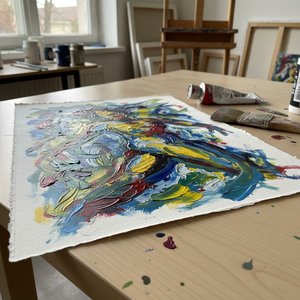
Acrylic on Paper: A Modern Canvas for Contemporary Expression
Explore the versatility of acrylic painting on paper! Discover expert techniques, artist insights & archival practices for creating stunning contemporary art. Learn more at OriginalUniqueArt.

Crimson Threads of Narrative: Exploring Symbolism & Representation in Artworks Featuring the Red Dress
Explore the rich symbolism of the red dress in art history! From ancient power displays to iconic portraits like Cézanne’s 'Madame Cezanne', discover the cultural and artistic significance behind this captivating color. Expert analysis & insights.

The Art Student’s Definitive Guide to Acrylic Painting: Mastering the World’s Most Versatile Medium
Unlock your creative potential with this expert guide for art students. Master acrylic painting techniques, from fluid washes to textured impasto. Learn about essential brushes, surfaces, and advanced color theory to elevate your fine arts practice with professional precision.

Acrylic on Canvas: A Modern Masterpiece – Technique, History & Contemporary Expression
Explore the world of acrylic on canvas! Discover its history, techniques & contemporary applications with expert insights from OriginalUniqueArt. Find inspiration and elevate your art collection today.
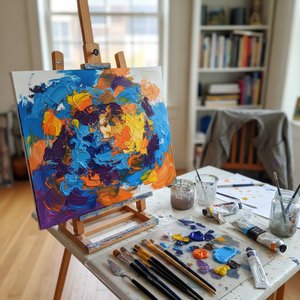
Akryylimaalaus kankaalla: Moderni tekniikka taiteelliseen ilmaisuun
Opi akryylimaalauksen perusteet ja tekniikat! Kattava opas materiaaleista viimeistelyyn. Inspiroidu ja luo upeita taideteoksia kankaalle – aloittelijoille ja edistyneemmille.