Katso seinällä
 Lähetä
 Jaa
Jaa
 Tarkemmat tiedot
 Opas
Opas

 Lataa kuva
 Samanlaisia kohteita
 Röntgenkuvaus
 Diaesitys
 Tilastot
Last Supper
 Oil On Canvas
- WallArt
- High Renaissance
 1713
1713 67.0 x 104.0 cm
 National Gallery of Art
 Lue lisää
Giclée- ja taideprintit
Museolaatuisia giclée- tai kankaitaulun tulosteita nopealla tuotannolla ja joustavilla viimeistelyvaihtoehdoilla. ( Tilaa käsinmaalattu jäljennös Siirry digitaaliseen kuvaan)




P118B €10

P118H €10

P118W €10

P438Z €10

P508JH €12

P508YH €12

P805H €10

P805Z €10

P919BZ €10

P919G €10

P919XJ €10

P959ZH €10

P968JZ €12

W106C €8

W218G €10

W218JH €8

W218Y €10

W307PJ €10

W316G €10

W316PJ €8

W316Y €10

W398PJ €8

W4111J €10

W500HY €15

W500JH €15

W692G €12

W849H €8

W940BG €15

W953PJ €8




Valitse valmiista mitoistamme sellaiset, jotka vastaavat teoksen alkuperäisiä mittasuhteita.

Kirjoita tarvitsemasi leveys ja korkeus, jotta tuloste sopii kehyskokoon tai seinällesi. Tulostetta voidaan vain leikata, sitä ei voi koskaan tehdä suuremmaksi kuin alkuperäinen kuva, joten eri muotoinen koko aiheuttaa osan kuvasta katoamisen. Lähetämme sinulle digitaalisen mallikuvan hyväksyttäväksi ennen kuin aloitamme tulostuksen. Tällä sivulla näkyvä kuva ei näytä lopullista leikkausta — vain mallikuva näyttää sen.
Maailmanlaajuinen toimitus () 2 viikossa tavallisen 4–5 viikon sijaan. (24 lokakuu)

Ilmainen pikatoimitus ympäri maailman

Korkealaatuinen pellavakangas

Kattava kuljetusvakuutus

Tulliveron palautustakuu

Takuu täydellisestä värien vastaavuudesta

100 päivän palautusoikeus valmistusvirhetapauksissa

100% rahat takaisin -takuu

Määräalennus saatavilla
 Lasivaihtoehto on saatavilla vain alle 110 cm kokoisille teoksille

Last Supper
Giclée- ja taideprintit
Replikaatin koko
-


Kokonaishinta
€ 70
A Moment Frozen in Time: The Story of the Last Supper
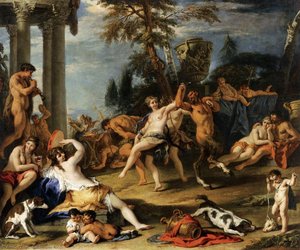
Sebastiano Ricci’s “Last Supper,” a monumental fresco dominating the refectory of Santa Maria delle Grazie in Milan, isn't merely a depiction of a biblical event; it’s a profound exploration of human emotion and betrayal. Painted between 1713 and 1714, this work captures the immediate aftermath of Jesus’ announcement that one among his disciples will betray him – a moment charged with disbelief, apprehension, and simmering resentment. Ricci masterfully conveys the palpable tension in the room, drawing the viewer into the heart of this dramatic exchange. The composition is carefully orchestrated; Jesus sits at the center, radiating an almost serene authority, while the apostles react with a spectrum of responses—shock, denial, suspicion, and outright anger – each face meticulously rendered to reveal their individual personalities and inner turmoil.
The painting’s historical context is crucial to understanding its power. Commissioned during the late Baroque period, Ricci's work reflects the era’s fascination with dramatic narratives and intense emotional expression. The Renaissance ideals of humanism are present, not in a purely idealized form, but through the realistic portrayal of flawed humanity – the vulnerability beneath the bravado, the fear masked by defiance. Ricci was part of a vibrant artistic milieu in Venice, influenced by masters like Dal Simè and Titian, yet he developed a distinct style characterized by a luminous palette and dynamic compositions. His work stands as a bridge between the grandeur of the High Renaissance and the more emotionally charged sensibilities of the Baroque.
Technique and Materials: A Delicate Balance
What sets Ricci’s “Last Supper” apart is not just its subject matter, but also the innovative – and ultimately problematic – techniques he employed. Unlike traditional fresco methods, which involve painting directly onto wet plaster, Ricci utilized tempera on a prepared gesso ground. This allowed for greater flexibility in altering details after the paint had dried, a crucial element for a work of this scale and complexity. However, it also introduced instability; the materials used were not entirely compatible with the wall’s structure, leading to rapid deterioration over centuries. The painting's surface has undergone numerous restorations, each attempting to mitigate the damage caused by humidity, temperature fluctuations, and the inherent fragility of tempera paint.
- The Gesso Ground: A carefully prepared layer of gesso provided a stable base for the pigment.
- Tempera Paint: Ricci used tempera, a fast-drying emulsion of pigments in egg yolk, known for its luminosity and rich colors.
- Pitch and Mastic: These substances were applied to seal the wall and create a barrier against moisture, though they ultimately proved insufficient to protect the delicate paint layer.
Symbolism and Emotional Resonance
Beyond the immediate narrative of betrayal, Ricci’s “Last Supper” is rich in symbolic detail. The arrangement of the apostles around the table reflects their social standing and relationships within the group. Judas Iscariot, often depicted with a subtly averted gaze and a gesture of offering, embodies deceit and treachery. The use of light and shadow – *chiaroscuro* – dramatically emphasizes key figures and creates a sense of drama and psychological intensity. Notice how Ricci uses subtle shifts in color to convey the emotional state of each apostle; the vibrant reds and yellows associated with Jesus contrast sharply with the muted blues and grays used for the disciples, highlighting their internal conflict.
The inclusion of the dog at the bottom left corner is a particularly intriguing detail. While its precise meaning remains debated by art historians, it’s often interpreted as representing loyalty or perhaps even the impending doom that awaits Judas. The overall effect is one of profound emotional depth – a visceral portrayal of human fallibility and the devastating consequences of betrayal.
A Timeless Masterpiece: Reproduction and Legacy
“The Last Supper” remains one of the most studied and admired paintings in the world, captivating viewers with its dramatic composition, masterful technique, and profound emotional resonance. High-quality reproductions capture much of the original’s power, offering a window into this pivotal moment in Christian history. When selecting a reproduction, consider factors such as print quality, color accuracy, and archival suitability to ensure that you are preserving the essence of Ricci's masterpiece for years to come. This iconic image continues to inspire artists, designers, and art lovers alike, solidifying its place as a cornerstone of Western artistic heritage.
Kysymykset ja vastaukset
Mikä koko "Last Supper"-teokselle suositellaan Dining Room-tilaan?
Suositeltu tulostuskoko teokselle Sebastiano Ricci:n "Last Supper" on Large tilaan Dining Room.
Mihin vaiheeseen Sebastiano Ricci uralla teoksen "Last Supper" vuosiluku 1713 sijoittuu?
"Last Supper", luotu vuonna 1713, kuuluu Sebastiano Ricci'n uran Late Renaissance-vaiheeseen."
Voiko teosta Sebastiano Ricci:n "Last Supper", jota säilytetään National Gallery of Art-museossa, jäljentää laillisesti?
Alkuperäinen "Last Supper" sijaitsee kohteessa National Gallery of Art, ja teos on tekijänoikeusvapaa – sen tekijänoikeussuoja on päättynyt.
Taiteilijan elämäkerta
Varhaiset Vuodet ja Koulutus Bellunossa
Sebastiano Ricci, syntynyt 1. elokuuta 1659 Bellunossa, Italiassa, oli yksi Venetsian myöhäisen barokin ajan merkittävimmistä taiteilijoista. Hänen elämänsä ja uransa heijastivat tuon ajan intohimoa, draamaa ja pyrkimystä suuruuteen. Riccin varhaiset vuodet Bellunossa olivat ratkaisevia hänen taiteellisen lahjakkuutensa kehittymiselle. Vuonna 1671 hän aloitti oppipoikana Federico Cervellin ateljeessa Venetsiassa, mutta jotkut lähteet mainitsevat myös Sebastiano Mazzonin hänen ensimmäisenä mestarinaan. Tämä alkuvaihe muovasi Riccin perustaitoja ja loi pohjan myöhemmälle tyylilleen.
Nousu Venetsialaisen Barokin Huipulle
Ricci omaksui nopeasti barokkitradition, mutta hänen taiteensa ei ollut pelkkää jäljittelyä. Hän matkusti Bolognaan, jossa Giovanni Gioseffo dal Solen vaikutus oli syvällinen. Dal Solen tyyli, joka korosti voimakkaita valokontrasteja ja dramaattisia sommitelmia, jätti Ricciin lähtemättömän jäljen. Palattuaan Venetsiaan Ricci alkoi luoda omaleimaista ilmaisuaan, jossa yhdistyivät barokin suuruus ja henkilökohtainen herkkyys. Hänen varhaiset teoksensa osoittivat jo hänen kykyään vangita liikettä, tunnetta ja valon leikkiä.
Tärkeimmät Teokset ja Maalauksellinen Tyyli
Riccin tuotanto oli monipuolista, mutta freskot olivat hänen erityisalaansa. Hänen mestariteoksensa, kuten ”Bacchus ja Ariadne”, National Galleryssa Lontoossa, ovat loistavia esimerkkejä barokkitaiturin kyvystä luoda eläväisiä ja tunteikkaita kohtauksia. Maalauksen voimakas sommittelu, rikas väripaletti ja hahmojen ilmeikkyys tekevät siitä unohtumattoman kokemuksen. Myös ”Muistomerkki amiraali sir Clowdisley Shovellille”, öljykankaalla, todistaa hänen kyvyllään vangita hetken olemus ja välittää syvää tunnetta. Riccin freskot Oratory of the Madonna of the Seragliossa (1685-1687), jotka hän toteutti yhteistyössä Ferdinando Galli-Bibienan kanssa, olivat merkittävä saavutus ja toivat hänelle huomattavan summan – 4 482 liiraa.
Myöhemmät Vuodet ja Kansainvälinen Menestys
Riccin ura ei ollut ongelmaton. Hän kohtasi vaikeuksia, mukaan lukien vankeusrangaistus ja skandaalit, mutta hän jatkoi taiteellista tuotantoaan. Hänen maalauksensa ”Venus jättää Adoniksen”, osoitti hänen taitonsa kuvata ylimaallisia kohtauksia ja välittää jumalallista kauneutta. Lopulta Ricci hyväksyi ulkomaisia tilauksia Lontoossa, jossa hän työskenteli lordi Burlingtonin toimeksiannosta. Tämä osoittaa Riccin taiteen arvostusta myös Italian rajojen ulkopuolella.
Perintö ja Vaikutus Taidehistoriassa
Sebastiano Ricci kuoli 15. toukokuuta 1734, jättäen jälkeensä rikkaan taiteellisen perinnön. Hänen työnsä edusti Venetsian myöhäistä barokkia ja inspiroi monia muita taiteilijoita, kuten Marco Ricci. Riccin freskot ovat edelleen ihailtuja niiden voimakkaiden sommitelmien, valon käytön ja tunteellisen syvyyden vuoksi. Hänen vaikutuksensa näkyy Venetsian barokin taiteessa ja hänen teoksensa jatkavat lumoamista katsojia ympäri maailmaa.
- Tutustu Sebastiano Riccin taideteoksiin osoitteessa OriginalUniqueArt.com
- Opi lisää Venetsian baroktikoulusta ja sen vaikutuksesta Wikipediassa
- Löydä muita merkittäviä taiteilijoita samalta ajanjaksolta, kuten Luigi Bonazza, osoitteessa OriginalUniqueArt.com
Tärkeää: Tämä artikkeli perustuu saatavilla oleviin tietoihin OriginalUniqueArt.com-sivustolta ja voi muuttua, kun uutta dataa tulee saataville.

Sebastiano Ricci
1659 - 1734 , Italia
Tietoa taiteilijasta
- Kansallisuus: Italialainen
- Koko Nimi: Sebastiano Ricci
- Kuolinpäivä: 15. toukokuuta 1734
- Merkittäviä Teoksia:
- Bacchus ja Ariadne
- Venusin jäähyväiset
- Syntymäpaikka: Belluno, Italia
- Syntymäpäivä: 1. elokuuta 1659
- Taidesuuntaus: Myöhäinen barokki
- Tästä Taiteilijasta Vaikuttuneet: ['Marco Ricci']
- Vaikuttaneet Taiteilijat: ['Giovanni Gioseffo dal Sole']
Aiheeseen liittyvät artikkelit
Leonardo da Vincin 25 mestariteosta: Taidetta kotiisi OriginalUniqueArtilta
Tutustu Leonardo da Vincin 25 mestariteokseen! Uppoudu renessanssin maailmaan Mona Lisan, Viimeisen ehtoollisen ja muiden ikonisten maalausten tarinoihin. Löydä inspiraatiota kotiisi OriginalUniqueArtilta – korkealaatuiset taideteoksien reproduktiot ja sisustusehdotukset. Tutki kokoelma verkossa!
Leonardo da Vinci: A Renaissance Master’s Synthesis of Art, Science & Human Observation – Reinterpreted for the Collector
Explore Leonardo da Vinci’s timeless masterpieces with OriginalUniqueArt. Discover insights into his art, science, and legacy – trusted expertise for discerning collectors seeking authentic reproductions & investment opportunities.
Uffizin 25 mestariteosta: Renessanssin helmet Firenzeen – Taidetta kotiisi OriginalUniqueArtilla
Uppoudu Firenzen Uffizin 25 mestariteokseen! Tutustu Botticellin, Da Vincin ja muiden renessanssin huipputaiteilijoiden tarinoihin. Löydä inspiraatiota sisustukseesi ja korkealaatuiset taideprintit OriginalUniqueArtilla. Explore the full collection online!
Renaissance-humanismin mestariteokset: Taidetta, joka muutti maailman – OriginalUniqueArt.com
Uppoudu renessanssin humanistisen taiteen maailmaan! Tutustu Leonardo da Vincin, Michelangelon ja Rafaelin mestariteoksiin. Löydä tarinat, tekniikat ja inspiraatio kodin sisustukseen OriginalUniqueArt.comista – museo-laaduiset taidekopiota verkossa.
Louvren 25 mestariteosta: Taidetta, historiaa ja inspiraatiota kotiisi – OriginalUniqueArt.fi
Tutustu Louvren 25 kuuluisimpaan mestariteokseen! Leonardo da Vincin Mona Lisasta Venukseen de Miloon – taidetta, historiaa ja inspiraatiota kotiisi. Laadukkaat reproduktiot OriginalUniqueArt.comissa. Tutki kokoelma verkossa!