
 Esikatselu
 Jaa teos
 Jaa
Jaa
 Tiedot
 Opas
Opas

 Lataa kuva
 Samanlaisia kohteita
 Röntgenkuvaus
 Diaesitys
 Kysymykset ja vastaukset
 Tilastot
Kimo sandal


 Lue lisää
Tällä sivulla esitettyä taideteosta suojaa tekijänoikeuslaki, mikä tarkoittaa, ettemme voi laillisesti luoda tai myydä täsmälleen samanlaista jäljennöstä. Tämä suoja toteutetaan kansainvälisten sopimusten, kuten esimerkiksi Berne-konventio ja kansallisilla laeilla, mukaan lukien niillä määritellyt Yhdysvaltain tekijänoikeuslaki – Luku 17. Kaikki oikeudet pidätetään. Luvaton kopiointi tai jäljittely on kielletty.
Tämä menetelmä noudattaa täysin tekijänoikeussäännöksiä, sillä se ei sisällä suojatun taideteoksen kopioimista tai jäljentämistä. Sen sijaan kyseessä on luova uudelleentulkinta – uusi maalaus, joka ammentaa vaikutteita alkuperäisestä, mutta ei ole sen identtinen kopio.
Giclée- ja taideprintit
Museolaatuisia giclée- tai kankaitaulun tulosteita nopealla tuotannolla ja joustavilla viimeistelyvaihtoehdoilla. ( Osta käsinmaalattu taideteos Siirry digitaaliseen kuvaan)




P118B €10

P118H €10

P118W €10

P438Z €10

P508JH €12

P508YH €12

P805H €10

P805Z €10

P919BZ €10

P919G €10

P919XJ €10

P959ZH €10

P968JZ €12

W106C €8

W218G €10

W218JH €8

W218Y €10

W307PJ €10

W316G €10

W316PJ €8

W316Y €10

W398PJ €8

W4111J €10

W500HY €15

W500JH €15

W692G €12

W849H €8

W940BG €15

W953PJ €8




Valitse valmiista mitoistamme sellaiset, jotka vastaavat teoksen alkuperäisiä mittasuhteita.

Syötä tarvitsemasi leveys ja korkeus, jotta tuloste sopii kehyksiisi tai seinällesi. Tulostetta voidaan vain leikata, sitä ei voida koskaan suurentaa alkuperäistä kuvaa suuremmaksi, joten eri muotoinen koko aiheuttaa osan kuvasta katoamisen. Lähetämme sinulle digitaalisen mallikuvan hyväksyttäväksi ennen kuin aloitamme tulostuksen. Tällä sivulla näkyvä kuva ei näytä lopullista rajausta — vain mallikuva näyttää sen.
Maailmanlaajuinen toimitus () 2 viikossa tavallisen 4–5 viikon sijaan. (11 marraskuu)

Ilmainen pikatoimitus ympäri maailman

Korkealaatuinen pellavakangas

Kattava kuljetusvakuutus

Tulliveron palautustakuu

Takuu täydellisestä värien vastaavuudesta

100 päivän palautusoikeus (vain valmistusvirheet)

100% rahat takaisin -takuu

Määräalennus tarjolla
 Lasivaihtoehto on saatavilla vain alle 110 cm kokoisille teoksille

Kimo sandal
Giclée- ja taideprintit
Replikaatin koko
-


Kokonaishinta
€ 72
A Timeless Icon of Hollywood Style
The Salvatore Ferragamo ‘Kimo’ sandal, a seemingly simple pair of gold leather shoes, represents far more than just footwear. It's a tangible artifact of the mid-20th century, a whisper of Hollywood glamour, and a testament to the visionary craftsmanship that defined a legendary designer. Born in 1898 in Italy, Salvatore Ferragamo’s journey began with humble beginnings – a childhood spent observing a cobbler – but quickly blossomed into a global brand synonymous with innovation and luxury. The Kimo sandal, launched in 1951, perfectly encapsulates this evolution, embodying the spirit of an era defined by elegance, sophistication, and a touch of daring.
This particular example, captured in a striking studio photograph, is a remarkable window into that world. The stark white background immediately draws attention to the shoes themselves, highlighting their intricate design and luxurious materials. The metallic sheen of the gold leather reflects light with an almost liquid quality, creating a sense of movement and depth. It’s not merely a shoe; it's a miniature sculpture, meticulously crafted with a level of detail that speaks volumes about Ferragamo’s dedication to his art.
Deconstructing the Design: A Symphony of Lines and Forms
The Kimo sandal’s design is deceptively complex. The interwoven straps, rendered in a rich gold hue, create a mesmerizing network of lines that both define and enhance the shape of the footbed. These aren't just decorative elements; they are integral to the shoe’s structure, providing support and stability while adding a layer of visual interest. The curved heel, a signature element of Ferragamo’s designs, contributes to the sandal’s elegant silhouette, lending it a touch of sophistication and poise. The interplay of these lines – straight, curved, and interwoven – creates a dynamic composition that is both visually arresting and remarkably balanced.
- Lines: The intricate strapwork establishes a complex network of linear patterns, adding depth and visual interest.
- Shapes: The sandal’s form combines the organic curves of the footbed with the geometric precision of the heel, creating a harmonious balance.
- Textures: While the background is smooth, the leather itself possesses subtle textural variations, reflecting light in an intriguing manner.
A Legacy Forged in Hollywood and Beyond
The Kimo sandal’s story is inextricably linked to the golden age of Hollywood. Ferragamo's shoes were a coveted accessory for stars like Joan Crawford, Greta Garbo, and Marilyn Monroe, who embraced his innovative designs and unparalleled craftsmanship. The shoe became synonymous with glamour and sophistication, appearing in countless films and gracing the feet of some of the most iconic figures of the era. The photograph itself evokes this atmosphere – it’s a studio shot, meticulously staged to capture the essence of Hollywood style.
Beyond its association with Hollywood, the Kimo sandal represents Ferragamo's broader legacy as a pioneer in footwear design. He was a true innovator, constantly experimenting with new materials and techniques, pushing the boundaries of what was possible in shoemaking. His commitment to anatomical precision – studying the structure of the foot to create shoes that were both comfortable and stylish – remains a cornerstone of his enduring reputation.
Symbolism and Emotional Resonance
The Kimo sandal is more than just a beautiful shoe; it’s a symbol of aspiration, luxury, and timeless style. The gold color itself represents wealth, sophistication, and indulgence—a visual shorthand for the glamour of Hollywood. The intricate detailing speaks to Ferragamo's dedication to craftsmanship and his belief in the power of beauty. When viewed today, the Kimo sandal evokes a sense of nostalgia for a bygone era, reminding us of a time when style was paramount and every detail mattered.
Reproductions of this iconic design offer a chance to bring a touch of mid-century glamour into your own home or wardrobe, preserving a piece of fashion history while celebrating the genius of Salvatore Ferragamo.
Kysymykset ja vastaukset
Sallitaanko Salvatore Ferragamo:n "Kimo sandal" -teoksen tekijänoikeuksien perusteella sen jäljentäminen?
Alkuperäinen "Kimo sandal" sijaitsee kohteessa Salvatore Ferragamo -museo, ja teos on on edelleen tekijänoikeuden alainen.
Mikä tekniikka ja tyyli luonnehtivat teosta Salvatore Ferragamo:n "Kimo sandal"?
Teoksessa "Kimo sandal" Acrylic On Canvas-tekniikka kohtaa Contemporary Realism-suuntauksen.
Mistä voin ostaa painoksen teoksesta Salvatore Ferragamo:n "Kimo sandal"?
Teoksen Salvatore Ferragamo:n "Kimo sandal" painos on tilattavissa suoraan sen Taidevedos -sivulta: taideteosvedos puuvillakangas- tai arkistoluokan kankaalle painettuna.
Taiteilijan elämäkerta
Nahkaan takottunut perintö: Salvatore Ferragomon elämä ja visio
Salvatore Ferragamo, nimi joka on synonyymi eleganssille, innovaatiolle ja Hollywoodin glamuurin kultakaudelle, syntyi vaatimattomiin oloihin vuonna 1898 Bonitossa, Italiassa. Kaukana kimaltelevasta maailmasta, jonka hän myöhemmin määritteli, nuoren Salvatoren varhaisvuodet upotettiin maaseudun yksinkertaisuuteen, mutta juuri täällä hänen poikkeuksellinen matkansa alkoi. Toinentoista neljästä lapsesta hän osoitti synnynnäistä kiehtoutumista kenkien valmistukseen viettämällä lukemattomia tunteja paikallisen kengänkorjaajan seuraajana – ammatissa, jota hänen isänsä alun perin vastusti pitäen sitä alhaisena sosiaalisena asemana. Nuoren Salvatoren intohimo osoittautui kuitenkin perumattomaksi; vain yhdeksänvuotiaana hän valmisti ensimmäisen ken 아닌parinsa sisarensa ensimmäistä ehtoollista varten, mikä oli todistus hänen kasvavasta lahjakkuudestaan ja päättäväisyydestään. Tämä teko ei ollut pelkkää jalkineiden luomista; se oli kohtalon takomista. Se merkitsi taiteellisen vision syntymistä, joka muokkaisi muodin maisemaa pysyvästi.Bostonista Hollywoodiin: Transatlanttinen nousu
Kunnianhimon ohjaamana Ferragamo emigroi Amerikkaan vuonna 1915 ja liittyi veljiensä seuraan Bostoniin ennen kuin hakeutui lopulta Kalifornian kukoistavan elokuvateollisuuden pariin. Tästä siirrosta tuli ratkaiseva. Hän perusti alun perin korjaamon, mutta tunnisti nopeasti tarpeen hienostuneille jalkineille, jotka oli räätälöity valkokankaan vaatimuksiin. Hollywoodin tähdet – Lillian Gish, Mary Pickford ja pian lukemattomat muut – tulivat hänen uskollisiksi asiakkaikseen. Ferragamo ei ainoastaan tehnyt kenkiä; hän loi illuusioita ja vahvisti niitä valkokankaalla näkyviä persoonia, jotka vangitsivat koko kansan sydämet. Hän ymmärsi visuaalisen tarinankerronnan voiman ja sen, miten jalkineet voivat osallistua hahmon narratiiviin. Tämä ymmärrys johti hänet opiskelemaan anatomiaa Etelä-Kalifornian yliopistossa, sillä hän uskoi, että todellinen mukavuus ja eleganssi kumpuavat jalan rakenteen syvästä ymmärtämisestä. Hänen innovatiivinen käyttöönsä teräksisiä jousia holvin tukemiseksi mullisti kengänrakennuksen asettaen etusijalle sekä estetiikan että hyvinvoinnin – mikä on hänen suunnittelufilosofiansa tunnusmerkki.Kotiinpaluu: Firenzeläinen renessanssi ja taiteellinen kukoistus
Vuonna 1927 Ferragamo palasi kotimaahansa Italiaan ja asettui Firenzeen – kaupunkiin, joka on täynnän taidehistoriaa ja käsityöperinnettä. Hän perusti työpajan, josta tuli nopeasti innovaatioiden laboratorio. Huolimatta suurimman lamauksen aiheuttamista taloudellisista vaikeuksista ja vuoden 1933 konkurssista, hän jatkoi periksiantamattomasti uskoen vakaasti omaan visioonsa. Perustettuaan liiketoimintansa uudelleen vuonna 1938 historialliseen Palazzo Spini Feroniin, Ferragamo aloitti tuottavan luovuuden kauden. Hän kokeili pelottomasti epätavallisia materiaaleja – korkkia, kalannahkaa ja jopa metallia – rikkoen rajoja siitä, mitä kenkien valmistuksessa pidettiin mahdollisena. Tästä konventioiden haastamisesta tuli hänen allekirjoituksensa. Hänen suunnitelmansa eivät olleet pelkkiä toiminnallisia esineitä; ne olivat veistoksellisia taideteoksia, jotka heijastivat syvää arvostusta historiaa kohtaan ja rohkeaa modernismin henkeä. Ikoninen kiilakorko, joka syntyi sotien aikaisesta materiaalien puutteesta, seisoo todisteena hänen kekseliäisyydestään ja oveluudestaan, tuoden hänelle arvostetun Neiman Marcus -palkinnon vuonna 1947.Jäte muistomerkki: Perintö ja vaikutus
Salvatore Ferragomon vaikutus ulottuu paljon pidemmälle kuin jalkineiden maailmaan. Hän perusti Salvatore Ferragamo S.p.amm, ylellisyystuotteiden imperiumin, joka kukoistaa edelleen ja operoi satoja putiikkeja ympäri maailmaa. Vaikka hänet tunnetaan parhaiten suunnittelustaan Hollywoodin ikoneille, kuten Marilyn Monroelle – hän loi tälle tämän tunnusomaisen piikkikorkon – ja Audrey Hepburnille, hänen vaikutuksensa resonoi nykymuodissa. Hänen sitoutumisensa anatomiseen mukavuuteen, innovatiivisiin materiaaleihin ja veistoksellisiin muotoihin raivasi tietä sukupolville suunnittelijoita. Firenzen Ferragamo-museo toimii elävänä kunnianosoituksena hänen perinnölleen, esitellen paitsi hänen mullistavia kenkäsuunnitelmiaan, myös laajempia taiteellisia kiinnostuksen kohteitaan, kuten kokoelmia La Collezione Bonello (Malta) ja Palumbo-Fossati Collection (Venetsia). Hänen työnsä ylittää pelkän muodin; se on taiteen, innovaation ja italialaisen käsityötaidon kestävyyden juhla. Vaikka hän kuoli vuonna 1960, Salvatore Ferragomon henki jatkaa inspiroimista muistuttaen meitä siitä, että todellinen tyyli ei ole vain siinä, mitä käytämme, vaan siinä tarinassa, jonka se kertoo.Merkittäviä teoksia ja kokoelmia
- Pollicino: Elävä Pop Art -kenkaveistos, joka esittelee rohkeita värejä ja leikkisää muotoilua.
- Sandaali (1952): Ikoninen esimerkki ylellisestä käsityöstä ja geometrisesta suunnittelusta, joka ilmentää aikakauden eleganssia.
- Prototipo di sandalo (1938):
Upea antiikkinen kenkä, joka osoittaa monimutkaista kirjontaa ja käsityötaitoa. - La Collezione Bonello (Malta):
Kuratoitu kokoelma, joka sisältää mestareiden, kuten Caravaggion ja Alberto Morroccan, teoksia, heijastaen Ferragomon arvostusta hienotaiteelle. - The Palumbo-Fossati Collection (Venetsia, Italia):
Tunnettu kokoelma eurooppalaisia maalauksia vuosisatojen takaa, korostaen Ferragomon laajempia kulttuurisia kiinnostuksen kohteita.

Salvatore Ferragamo
1898 - 1960 , Italian kuningaskunta
Pähkinänkuoressa
- Artistic Movement Or Style: Hollywood glamour
- Artists Or Movements Influenced By This Artist: ['Christian Dior']
- Artists Who Influenced This Artist: ['Guccio Gucci']
- Date Of Birth: 5 kesäkuuta 1898
- Date Of Death: 7 elokuuta 1960
- Full Name: Salvatore Ferragamo
- Nationality: Italian
- Notable Artworks:
- Pollicino
- Sandal
- Prototipo di sandalo
- Place Of Birth: Bonito, Italia
Aiheeseen liittyvät artikkelit

Style on Canvas: The Timeless Allure of Fashion Illustration Artworks
Discover the exquisite world of fashion illustration art. From Art Deco elegance to bespoke oil reproductions, explore how timeless sartorial beauty transforms luxury interiors through masterfully crafted canvas works and curated historical masterpieces.

Draped Narratives: Fashion as Symbol & Subject in Historical Art
Explore the fascinating history of fashion as a symbol of power & status in art! Discover masterpieces from Gainsborough to Tissot and learn how clothing shaped societal narratives. Find museum-quality reproductions at OriginalUniqueArt.

The Lens of Luxury: A Visual Journey Through the Evolution and Artistry of Fashion Photography
Embark on a visual journey through the evolution of fashion photography. Discover how masters like Gianfranco Ferré blended geometry, surrealism, and texture to redefine high-fashion art for collectors and connoisseurs of luxury imagery.
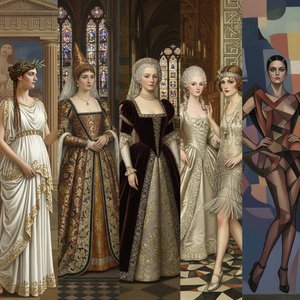
Style Through the Ages: Iconic Artworks That Defined the Evolution of Fashion Design
Explore the breathtaking intersection of fine art and high fashion. Discover how iconic masterpieces from Art Deco to Impressionism have shaped the world of luxury couture and timeless design in this curated visual journey.

Gianfranco Ferré: Deconstructing Haute Couture – A Legacy of Architectural Form
Explore the revolutionary world of Gianfranco Ferré, 'the architect of fashion.' Discover his architectural approach to haute couture, iconic Dior designs, and lasting influence on luxury style. A deep dive for collectors & enthusiasts.

